Find Luer Lock Blue Needle-Free Connector for Hospitals, Labs, and Clinics
Explore 30 verified listings for the luer lock blue needle-free connector suitable for infusion, blood transfusion, and drawing applications. Buyers can compare specifications, certifications, and pricing from multiple suppliers to select the right product for clinical use.
Key considerations
Products List


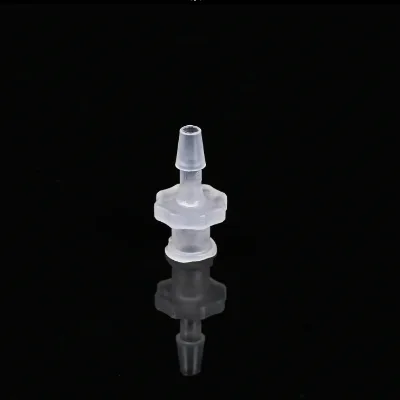
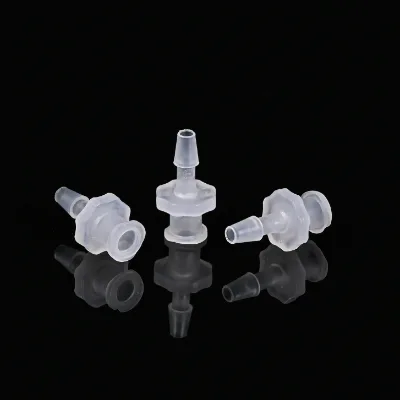


China Factory Medical Luer Lock Needle Free Positive Pressure Connector
$0.15 - $0.20
MOQ: 100000 Pieces


Medical Supply Disposable Needle Free Luer Lock Connector New Products
$1.00 - $2.00
MOQ: 10000 Pieces

Medical Supply New Design Needle Free Luer Lock Connector Single Patient-Use
$1.00 - $2.00
MOQ: 10000 Pieces


Comprehensive Sourcing Guide
Strategic Sourcing Guide for Luer Lock Blue Needle-Free Connectors
Understanding Product Specifications and Technical Variants
When sourcing a luer lock blue needle-free connector, buyers must first navigate the diverse landscape of technical specifications available in the global market. The core keyword implies a specific interface standard, yet the actual product offerings often vary significantly in model numbers, material composition, and intended mechanical application. Based on current market observations, the "luer lock" designation is frequently paired with specific standard types such as Luer Lock, Luer Slip, and Y Type configurations. These variations dictate how the connector interfaces with existing infusion sets, blood transfusion lines, and blood drawing equipment.
The physical construction of these devices is critical for compatibility and safety. The material composition is predominantly plastic, with specific instances of Polypropylene (PP) being utilized for its chemical resistance and durability. The color coding, specifically the blue variant, is often a visual indicator used in clinical settings to differentiate connection types, though buyers should verify that the color corresponds to the intended function within their specific facility protocols. The product models observed in the market range from alphanumeric codes like SH-0901 and UP-0901 to more descriptive identifiers such as FMT-LE-M-1/8 and V-C001. These model numbers often correspond to specific dimensions, such as a 1/8" size specification, which is essential for ensuring the connector fits the tubing diameter of the user's existing medical infrastructure.
Furthermore, the functional classification of these items extends beyond simple connectors. They are often categorized as "Infusion Set Accessories" or "Multi-Way Extension Tubes." This distinction is vital because a single connector might serve as a simple interface, while another might function as a complex multi-way extension tube designed to facilitate simultaneous access for multiple fluid lines. The intended use is primarily clinical, specifically within hospital environments, and the user base typically includes nurses and medical technicians. The application scope is broad, covering infusion, blood transfusion, and blood drawing procedures. Buyers must ensure that the specific model selected aligns with the discipline of use, whether it be anesthesiology, general surgery, emergency medicine, or pediatric care.
Compliance, Certification, and Regulatory Verification
Navigating the regulatory landscape is perhaps the most critical step in sourcing medical devices. The market for needle-free connectors is heavily regulated due to the direct impact on patient safety and infection control. When evaluating potential suppliers, buyers must verify the presence of recognized certifications. The observed market data indicates that products often carry certifications such as FDA and ISO, with specific mentions of ISOCE and CE ISO markings. These certifications are not merely administrative hurdles; they serve as evidence that the manufacturing process adheres to international quality management systems and safety standards.
However, buyers must exercise caution regarding the specific standards cited. While the context mentions general ISO references, it does not explicitly confirm compliance with specific technical standards like ISO 80369 or ISO 594 for every listed product. Therefore, procurement teams should not assume that a product bearing a generic ISO mark automatically meets the rigorous requirements of ISO 80369, which governs connector safety to prevent misconnections. Instead, the verification process should involve a direct request for the specific test reports and certification documents that prove compliance with the relevant international standards for the specific connector type.
Sterilization is another paramount compliance factor. The supply chain for these devices often includes Ethylene Oxide Sterilization as a standard method. This process is essential for ensuring that the connectors are free from pathogens before reaching the clinical environment. Buyers must confirm that the sterilization method used is appropriate for the material (plastic/PP) and that the sterilization validation data is available. Additionally, the classification of the product as "Other" or "Surgical Supplies Materials" suggests that the regulatory pathway may vary by region. In some jurisdictions, these items may be classified as Class I or Class II medical devices, each requiring different levels of scrutiny. The presence of a "Regular" standard designation in the product data suggests a baseline compliance, but it does not replace the need for specific regulatory clearance for the intended market.
Cost Drivers and Pricing Dynamics
The pricing structure for luer lock blue needle-free connectors is influenced by a complex interplay of factors, including material costs, certification overhead, and order volume. The observed price range in the market spans from $0.01 to $9.00 USD. This wide variance is not indicative of quality differences alone but rather reflects the scale of purchase, the complexity of the specific model, and the level of customization required. A unit price at the lower end of this spectrum is typically associated with high-volume orders where economies of scale significantly reduce the per-unit cost. Conversely, prices approaching the upper limit may reflect specialized models, lower order quantities, or the inclusion of additional services such as custom branding or specific packaging requirements.
The Minimum Order Quantity (MOQ) is a significant driver of the total cost of acquisition. The market data reveals an MOQ range extending from 50 units to 500,000 units. For small hospitals or clinics with sporadic demand, the high end of this range may present a barrier, necessitating a search for suppliers with lower MOQ thresholds. Conversely, large procurement entities can leverage the high-volume potential to negotiate prices closer to the $0.01 mark. It is important to note that the "Competitive" price attribute listed in product descriptions is a relative term and should not be taken as a fixed value. Buyers must request detailed quotations that break down the cost based on the specific volume tier they intend to purchase.
Customization also plays a role in cost. While "Customization" and "OEM/ODM" support are available, these services often incur additional setup fees or higher per-unit costs compared to standard off-the-shelf products. The decision to include logo printing or specific packaging (such as blister/box/carton combinations) will directly impact the final price. Buyers should weigh the benefits of branding and specific packaging against the increased unit cost, ensuring that the investment aligns with their budget and operational needs.
Typical Applications and Clinical Integration
The versatility of luer lock blue needle-free connectors allows them to be integrated into a wide array of clinical scenarios. The primary application is in infusion therapy, where these connectors provide a safe, needle-free interface for administering fluids and medications. This is particularly crucial in preventing needlestick injuries, a significant occupational hazard for nursing staff. The "Disposable" nature of these products ensures that cross-contamination is minimized, supporting infection control protocols in high-risk environments.
Beyond standard infusion, these connectors are utilized in blood transfusion and blood drawing procedures. The ability to connect to various lines without the need for needles enhances workflow efficiency and patient comfort. The "Multi-Way Extension Tube" variants are particularly valuable in complex clinical settings where multiple lines need to be managed simultaneously, such as in intensive care units or during surgical procedures. The intended use spans multiple medical disciplines, including anesthesiology, emergency medicine, general surgery, and pediatrics. In pediatric care, the precise sizing (such as the 1/8" specification) is vital to accommodate smaller tubing and reduce dead volume.
The user profile for these devices is primarily the nurse, who requires reliable, easy-to-use equipment that integrates seamlessly into existing hospital workflows. The "Place of Use" is predominantly the hospital, but the applications extend to biological laboratories, dental laboratories, and veterinary medicine. This broad applicability means that procurement strategies must account for the specific needs of different departments. For instance, a connector suitable for general surgery might require different sterility assurances than one used in a biological laboratory. Buyers should map the specific clinical workflows of their facility to the product specifications to ensure optimal performance and safety.
Supplier Evaluation and Quality Assurance Protocols
Selecting a reliable supplier is as important as selecting the right product. The market data indicates that the place of origin for these products is primarily China, with specific manufacturing hubs in Guangdong. While this region is a major producer of medical supplies, it necessitates a rigorous supplier evaluation process. Buyers should verify the supplier's capacity to maintain consistent quality, as indicated by the "Excellent" quality attribute often associated with reputable manufacturers. The "Quality Guarantee Period" varies, with observed terms of one year and two years. This warranty period serves as a confidence indicator; a longer guarantee period often reflects the manufacturer's confidence in the durability and safety of their product.
Quality control should be a central component of the supplier selection criteria. Buyers must inquire about the supplier's internal quality management systems and whether they adhere to ISO standards. The presence of certifications like FDA and CE is a positive indicator, but it should be supplemented with requests for batch-specific quality reports. The "Fast" delivery time mentioned in product attributes is a desirable trait, but it must be balanced against the reliability of the supply chain. Buyers should assess the supplier's ability to meet lead times consistently, especially during periods of high demand.
Customization capabilities are another key evaluation point. The availability of OEM and ODM support suggests that suppliers can tailor products to specific needs, such as logo printing or specific packaging. However, buyers must ensure that these customizations do not compromise the sterility or structural integrity of the connector. The "Packing" methods, ranging from pouches to cartons, should be evaluated for their ability to protect the product during shipping and storage. A supplier that offers robust packaging solutions demonstrates a commitment to maintaining product quality from the factory to the point of use.
Long-Term Procurement and Supply Chain Resilience
Sourcing luer lock blue needle-free connectors is not a one-time transaction but a long-term strategic partnership. Buyers must consider the sustainability of the supply chain and the potential for future scalability. The wide range of MOQs (50 to 500,000 units) offers flexibility, but buyers should plan for volume growth to leverage better pricing tiers. The "Competitive" pricing observed in the market suggests that there is room for negotiation as order volumes increase.
Long-term considerations also include the standardization of products across the facility. By selecting a specific model number and ensuring consistent specifications, hospitals can streamline their inventory management and reduce the risk of errors. The "Standard" designation in the product data supports this approach, but buyers must verify that the chosen standard aligns with their internal protocols. Additionally, the availability of replacement parts and the continuity of the product line are crucial. Buyers should assess the supplier's track record for product stability and their ability to maintain supply during global disruptions.
Finally, the environmental impact of disposable medical devices is an increasingly important factor. While the products are currently classified as "Disposable," buyers should explore suppliers who are adopting more sustainable manufacturing practices or offering recyclable packaging options. The "OEM" support allows for the customization of packaging to include eco-friendly materials, which can align with the hospital's sustainability goals. By focusing on long-term relationships and strategic planning, buyers can ensure a reliable, cost-effective, and safe supply of luer lock blue needle-free connectors for their clinical operations.
Comparative Analysis of Product Attributes
To assist in the decision-making process, the following table summarizes the key attributes observed in the market for luer lock blue needle-free connectors. This comparison highlights the variability in specifications and helps buyers identify the features most relevant to their specific needs.
| Attribute Category | Observed Variations | Strategic Implication |
|---|---|---|
| Material | Plastic, PP (Polypropylene) | PP offers superior chemical resistance; verify compatibility with specific fluids. |
| Model Numbers | SH-0901, UP-0901, FMT-LE-M-1/8, V-C001, TSMDNFC01 | Model numbers often denote size (e.g., 1/8") or function (e.g., Multi-Way). |
| Certifications | FDA, ISO, CE, ISOCE | Verify specific standard compliance (e.g., ISO 80369) rather than generic marks. |
| Sterilization | Ethylene Oxide Sterilization | Essential for clinical safety; confirm validation data is available. |
| Warranty Period | 1 Year, 2 Years | Longer warranty may indicate higher confidence in product durability. |
| Packaging | Pouch, Blister, Box, Carton, Polybag | Choose packaging that ensures sterility during transport and storage. |
| MOQ Range | 50 to 500,000 Units | High volume allows for lower unit costs; low MOQ suits smaller facilities. |
| Origin | China (Guangdong) | Major manufacturing hub; requires rigorous supplier vetting. |
| Application | Infusion, Blood Transfusion, Blood Drawing | Ensure the connector type matches the specific clinical procedure. |
This table serves as a reference point for buyers to systematically evaluate potential suppliers and products. By cross-referencing these attributes with their specific clinical requirements and budget constraints, procurement teams can make informed decisions that prioritize patient safety, operational efficiency, and cost-effectiveness. The diversity of options in the market underscores the importance of a detailed, evidence-based approach to sourcing these critical medical devices.
FAQs
What certifications do luer lock blue needle-free connectors typically have?
These connectors often carry FDA and CE ISO certifications to ensure regulatory compliance. Buyers should verify specific batch documents as generic marks do not guarantee every product meets ISO 80369 standards for safety against misconnections.
How long is the quality guarantee period for these medical supplies?
The quality guarantee period varies between one year and two years depending on the specific manufacturer. Buyers must check the product listing for the exact warranty term to ensure it meets their facility's risk management requirements.
Can I request custom logo printing on these infusion set accessories?
Yes, customization including logo printing is available for many models in this category. However, this service may affect the unit price and requires a specific order quantity to accommodate the setup and branding process.
Which sterilization method is used for these disposable medical devices?
Ethylene Oxide Sterilization is the standard method used to ensure these products are pathogen-free. This process is critical for maintaining sterility in hospital environments where these connectors are used for infusion and blood drawing.
What is the minimum order quantity for sourcing these connectors?
The minimum order quantity ranges from 50 units up to 500,000 units depending on the supplier. Buyers should select a supplier whose MOQ aligns with their specific procurement volume to avoid unnecessary inventory costs.
From which location are these surgical supplies materials primarily shipped?
These products originate primarily from Guangdong, China, which is a major manufacturing hub for medical supplies. Buyers should account for shipping times and logistics when planning their procurement schedule from this specific region.
What materials are used to construct these needle-free connectors?
The connectors are predominantly made of plastic, with specific models utilizing Polypropylene for durability. This material choice ensures chemical resistance and safety for clinical applications involving infusion sets and blood transfusion lines.