Source Baby Protection Door Bolt Cover for Cabinets, Fridges, and Doors
Compare 30 verified listings for the Baby Protection Door Bolt Cover designed to prevent injuries on cabinet doors, refrigerators, and standard entry doors. Buyers can evaluate silicone and ABS options with varying sizes and custom branding capabilities.
Key considerations
Products List
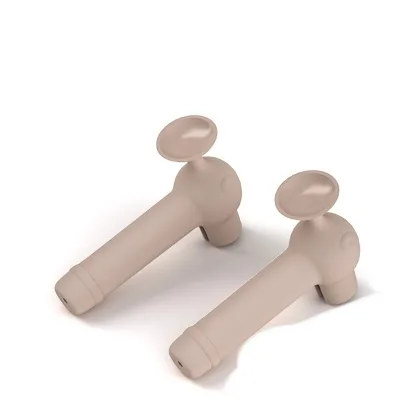
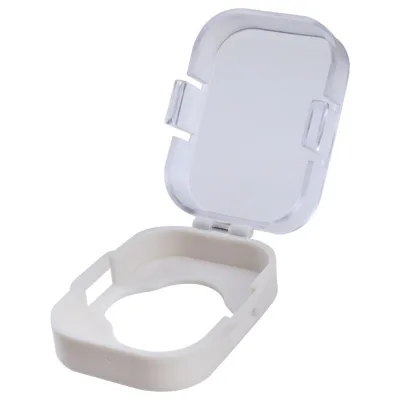
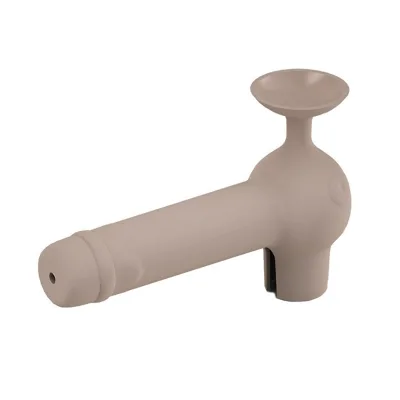
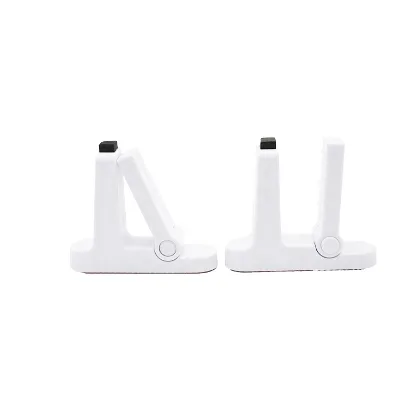
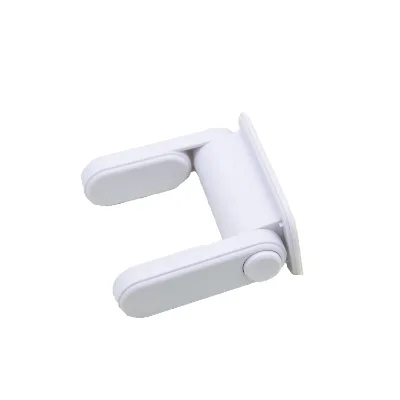
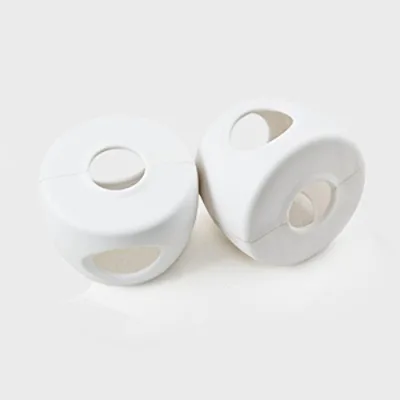

Outlet Safety Covers Baby Safety Product Plug Protector Wall Socket Covers
$0.10 - $0.20
MOQ: 100 pieces
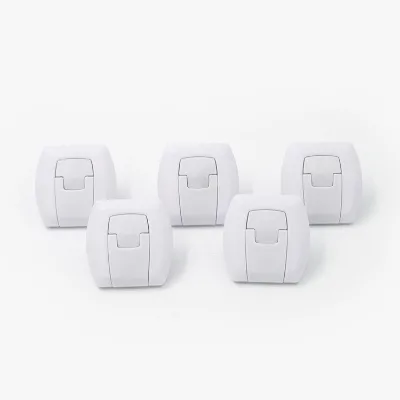
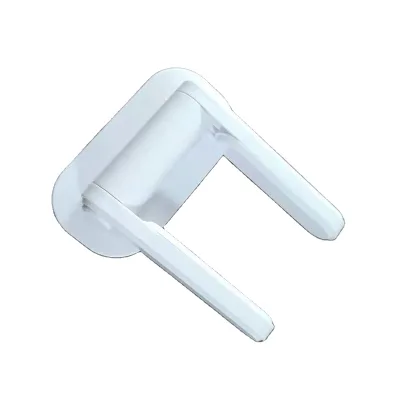
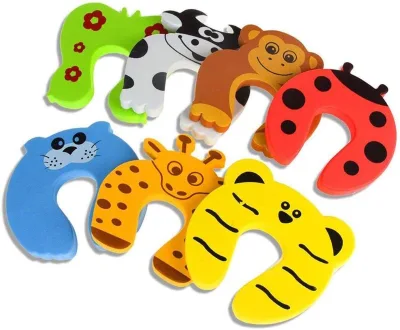
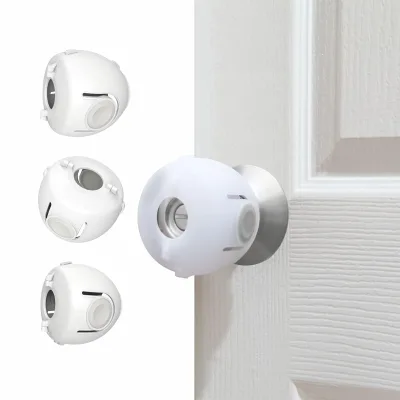

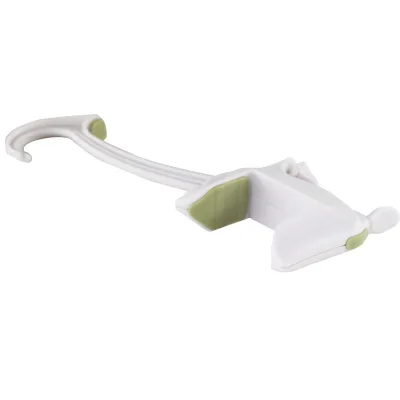
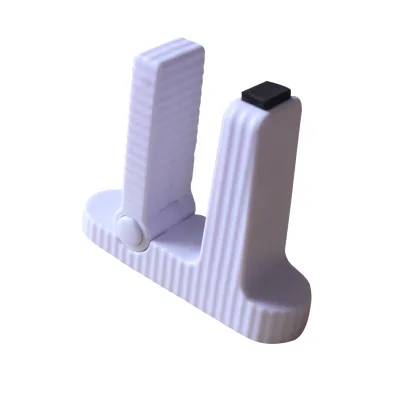
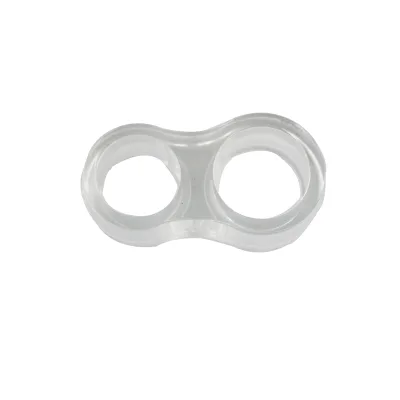


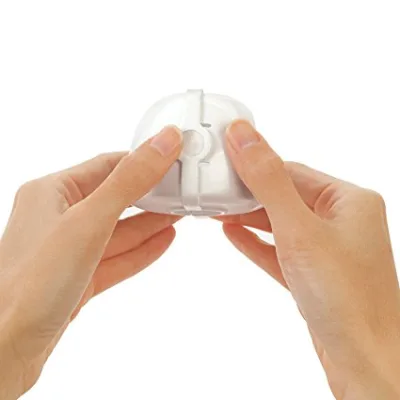
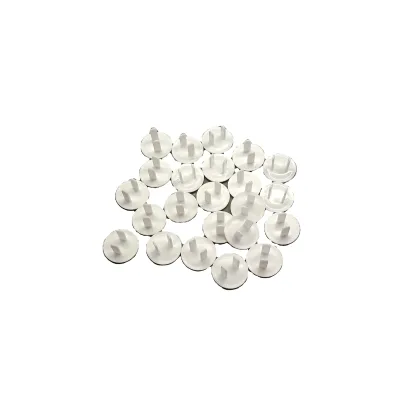

Universal Sliding Door Window Lock Safely Secure Window Doors Baby Safety Lock
$0.35 - $0.37
MOQ: 2700 Pieces

Baby Locks Child Safety Cabinet Proofing Safe Quick Easy Installation Latches Lock
$0.19 - $0.21
MOQ: 4000 Pieces

Durable Improved Childproof Door Lever Prevents Toddlers Doors Easy Installation Lock
$0.39 - $0.41
MOQ: 2400 Pieces

Easy Installation Baby Safety Cabinet Locks Latches Proofing Adhesive Cabinets Drawer Lock
$0.24 - $0.26
MOQ: 3800 Pieces

U Shape Baby Locks Adjustable Child Safety Locks Childproof Latches Lock
$0.59 - $0.61
MOQ: 1600 Pieces


Comprehensive Sourcing Guide
Strategic Sourcing Guide for Baby Protection Door Bolt Covers
Understanding Product Variants and Core Specifications
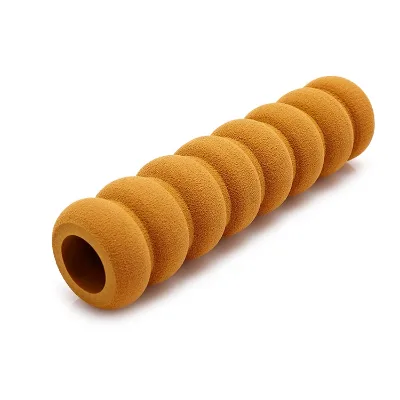
The market for baby protection door bolt covers presents a diverse array of products designed to mitigate injury risks in residential and commercial environments. When sourcing these items, buyers must first distinguish between the primary functional categories observed in current listings. The core keyword "Baby Protection Door Bolt Cover" often encompasses a broader spectrum of safety hardware, including door handle covers, cabinet locks, and general door bolts. Based on available product data, the market features distinct items such as the "Door Handle Glove Cover" and the "Door Handle Lock," each serving specific protective functions.
A critical aspect of specification analysis involves the physical dimensions and material composition of these devices. Sourcing teams frequently encounter variations in size, with observed measurements ranging from compact units measuring 7.63.87.5 cm to larger variants sized at 159.73.2 cm. The "Door Handle Glove Cover" is noted to have a length of approximately 14.4 cm to 15 cm, while other models, such as those designated for cabinet doors, may be significantly smaller at 97.52.5 cm. These dimensional differences are not merely aesthetic but dictate the suitability of the product for specific door types, whether they are standard interior doors, heavy cabinet doors, or refrigerator handles.
Material selection is another pivotal specification factor. The supplied data indicates a prevalence of silicone and silicon-based materials, which are favored for their flexibility and durability. For instance, specific listings identify the material as "Silicon" or "Silicone," offering a soft touch that is essential for child safety applications. Conversely, other product entries, particularly those labeled as "Door Handle Lock" or "Baby Safety Productor," specify the use of ABS plastic. The choice between silicone and ABS often depends on the required rigidity and the specific mechanism of the lock or cover. Silicone variants are generally preferred for glove-style covers that slide over handles, whereas ABS is often utilized for rigid locking mechanisms or structural components.
Functional Applications and Usage Scenarios
The application of baby protection door bolt covers extends beyond simple door latching; it involves a comprehensive approach to home safety. The primary usage observed across the product range is "Prevent Injuries," specifically targeting the prevention of accidents caused by children opening doors or drawers. Some listings explicitly state the function as "Prevent Baby Injuries," highlighting the target demographic of children aged 0-36 months. This age range is critical for procurement planning, as the design must accommodate the developmental stages of infants and toddlers who are prone to pulling on handles and opening cabinets.
The versatility of these products is evident in their stated applications. While some are designed specifically for "Door" handles, others are engineered for "Cabinet Doors," "Cupboards," and even "Refrigerators." This multi-application capability suggests that a single procurement order might include a mix of products to cover various points of access within a home. For example, a "Door Handle Cover" might be used on exterior or interior doors to prevent children from leaving rooms or accessing hazardous areas, while a "Baby Safety Productor" might be deployed on kitchen cabinets or refrigerators to keep dangerous items out of reach.
Furthermore, the "Easy to use" attribute is a recurring specification, indicating that the products must be intuitive for parents to install and operate quickly. In emergency situations or during daily routines, the ability to quickly secure a door or drawer is paramount. The "Suitable Age" of 0-36 months reinforces the need for products that are robust enough to withstand the pulling and tugging behaviors typical of this age group without failing or becoming a choking hazard. The "Usage" field also notes "baby protect," underscoring the safety-first design philosophy that should guide the selection process.
Cost Drivers and Pricing Dynamics
Pricing for baby protection door bolt covers is influenced by a complex interplay of factors, including material costs, manufacturing complexity, and order volume. The observed price range in the market spans from $0.02 to $15.50 USD, a wide disparity that reflects the diversity of product types and quality levels. At the lower end of the spectrum, simple silicone covers or basic ABS locks may be priced around $0.02, likely representing bulk commodity items with minimal packaging or branding. Conversely, the upper end of the range, approaching $15.50, may correspond to specialized kits, premium materials, or products with extensive packaging and custom branding.
Minimum Order Quantity (MOQ) is a significant driver of unit cost. The data reveals a broad MOQ range from 2 pieces to 10,000 pieces. Suppliers offering low MOQs, such as 2 pieces or 2000 pieces, often cater to small retailers or drop-shippers, resulting in higher per-unit costs due to the lack of economies of scale. In contrast, suppliers requiring an MOQ of 1000 pieces or more are typically geared toward large-scale distributors or manufacturers, offering lower unit prices in exchange for volume commitment. Buyers must carefully balance their inventory needs against the cost benefits of larger orders.
Additional cost factors include customization options. Many suppliers indicate that they "Accept Customized Logo" and "Warmly Acceptabled" OEM & ODM requests. These services add value but also increase the overall cost of the procurement. The inclusion of custom packaging, such as color boxes with specific dimensions like 11103 cm, also contributes to the final price. Buyers should consider whether the branding and packaging requirements justify the additional expense, especially if the product is intended for a niche market or a specific retail channel.
Supplier Evaluation and Origin Verification
When evaluating potential suppliers for baby protection door bolt covers, the place of origin is a key indicator of manufacturing capabilities and supply chain reliability. The supplied data highlights two primary regions: Hubei, China, and Guangdong, China. Guangdong is a well-known hub for manufacturing a wide variety of consumer goods, including safety products, and often boasts established supply chains for plastics and silicone. Hubei, while also a significant manufacturing center, may have different specializations or logistical advantages depending on the specific supplier's infrastructure.
Brand names associated with these products, such as "Ebei-Eya," provide a starting point for supplier identification. However, buyers should exercise caution and not rely solely on brand names, as many suppliers may operate under private labels or generic branding. The presence of OEM and ODM acceptance suggests that suppliers are capable of custom manufacturing, which is a positive sign for buyers looking to develop their own product lines. It is essential to verify the supplier's capacity to handle the requested customization, including logo placement and packaging design.
The "Sample" availability is another critical factor in supplier evaluation. The data indicates that samples are "Availalble," allowing buyers to physically inspect the product before committing to a large order. This step is crucial for verifying the quality of materials, the effectiveness of the locking mechanism, and the overall finish of the product. Buyers should request samples from multiple suppliers to compare quality and performance directly. Additionally, the "Selling Units" are listed as "Single item," which suggests that suppliers are flexible in their packaging and can accommodate various order sizes, from single units to bulk shipments.
Quality Control and Compliance Considerations
Ensuring the safety and compliance of baby protection door bolt covers is paramount, given the product's intended use for infant and toddler safety. While specific certification standards are not explicitly detailed in the provided data, buyers must proactively verify compliance with relevant safety regulations. Products intended for children's use often require adherence to standards such as ASTM F963 (Standard Consumer Safety Specification for Toy Safety) or EN71 (Safety of Toys), depending on the target market. Even if the product is not classified strictly as a toy, the potential for ingestion or choking hazards necessitates rigorous testing.
Material safety is a primary concern. The use of silicone and ABS plastic must be verified to ensure they are free from harmful substances like BPA, phthalates, or lead. Buyers should request material safety data sheets (MSDS) or test reports from suppliers to confirm that the materials meet international safety standards. The "Weight" of the products, ranging from 40g to 150g per piece, should also be considered in the context of safety. Heavier products might be more durable but could pose a risk if they detach and become a choking hazard.
Quality control processes should be established to monitor production consistency. Buyers should inquire about the supplier's quality assurance protocols, including in-process inspections and final random inspections. The "Single gross weight" and "Single package size" specifications provided in the data can serve as benchmarks for verifying that the products are manufactured to the correct dimensions and weight tolerances. Any deviation from these specifications could indicate a quality issue that needs to be addressed before mass production begins.
Long-Term Procurement and Supply Chain Stability
Sourcing baby protection door bolt covers requires a strategic approach to ensure long-term supply chain stability. The wide range of MOQs and price points suggests that buyers should develop a flexible procurement strategy that can adapt to changing market demands. For instance, a buyer might start with a small order to test the market and then scale up to larger orders as demand grows. This approach minimizes risk and allows for adjustments based on customer feedback and sales performance.
The availability of customization options, such as logos and packaging, offers opportunities for brand differentiation. However, buyers must consider the lead times associated with customization. Customized products often require additional time for design approval, mold creation, and production setup. Buyers should factor these lead times into their inventory planning to avoid stockouts during peak seasons.
Furthermore, the "Model Number" variations, such as BY22BST10, BY18MBS01, and 041, indicate that suppliers offer a range of SKUs. Buyers should maintain a clear understanding of these model numbers to ensure they are ordering the correct products. Consistency in model selection is crucial for maintaining product quality and customer satisfaction. Any changes in model numbers or specifications should be communicated clearly to avoid confusion and potential quality issues.
In conclusion, sourcing baby protection door bolt covers involves a careful balance of technical specifications, cost considerations, supplier evaluation, and quality control. By leveraging the available data and adhering to strict safety standards, buyers can build a reliable supply chain that meets the needs of their customers while ensuring the safety of children. The diversity of products in the market offers ample opportunities for innovation and differentiation, provided that buyers remain vigilant in their selection and evaluation processes.
FAQs
What materials are used for baby protection door bolt covers?
These covers are primarily made from silicone or ABS plastic. Silicone variants offer flexibility for glove-style covers, while ABS provides rigidity for locking mechanisms. Buyers should verify material safety to ensure the product is free from harmful substances like BPA or phthalates.
Which dimensions are common for these safety covers?
Common sizes range from compact units measuring 7.6 by 3.8 by 7.5 cm to larger variants sized at 15 by 9.7 by 3.2 cm. The specific dimensions dictate suitability for different door types, such as standard interior doors or heavy cabinet doors, so check the product size before ordering.
Can suppliers accept customized logos on these products?
Yes, many suppliers warmly accept customized logo requests and OEM or ODM services. This allows buyers to brand the products for their specific retail channels, though it may increase the overall procurement cost and require additional lead time for design approval.
What is the typical minimum order quantity for these items?
The minimum order quantity varies significantly, ranging from as low as 2 pieces to as high as 10,000 pieces. Lower MOQs often cater to small retailers with higher per-unit costs, while larger volume commitments typically secure lower unit prices from manufacturers.
Where are these products typically manufactured?
Products are commonly sourced from manufacturing hubs in Hubei and Guangdong, China. Guangdong is known for established supply chains in plastics and silicone, while Hubei also serves as a significant production center for these safety hardware items.
How do I verify the safety compliance of these covers?
Buyers must proactively request material safety data sheets or test reports to confirm compliance with standards like ASTM F963 or EN71. Even if not classified as toys, the potential for choking hazards necessitates rigorous testing to ensure the materials are safe for children aged 0 to 36 months.