Source Luxury Business Vinyl Vehicle Wrap for cars, trucks, and fleets
Compare 30 listings of Luxury Business Vinyl Vehicle Wrap featuring TPU and PVC materials with self-healing and UV protection. Buyers can evaluate customization options, thickness, and OEM services for vehicle body covering applications.
Key considerations
Products List


Car Wrap Vinyl Candy Film Gold Car Vehicle Automotive Wrap Vinyl Stickers
$410.00 - $460.00
MOQ: 1 rolls


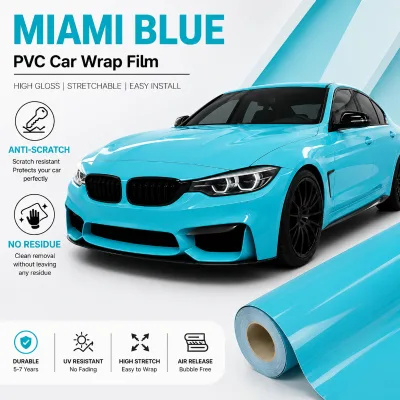


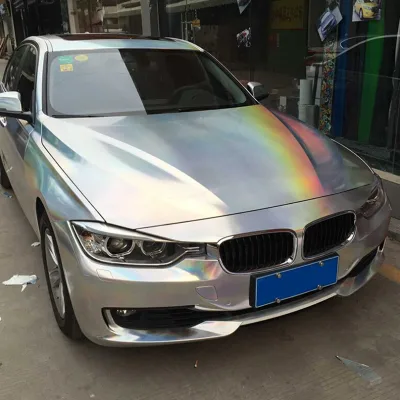
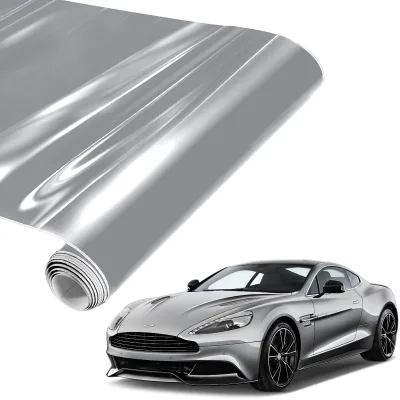


Comprehensive Sourcing Guide
Strategic Sourcing Guide for Luxury Business Vinyl Vehicle Wraps
Understanding Material Science and Technical Specifications
When sourcing luxury business vinyl vehicle wraps, the primary differentiator lies in the material composition and the specific physical properties that define performance. The market currently presents two distinct material categories: Thermoplastic Polyurethane (TPU) and Polyvinyl Chloride (PVC). For a "luxury business" application, TPU is generally the superior choice due to its inherent self-healing capabilities and higher tensile strength. Data indicates that TPU-based films can achieve a tensile strength of 45.6 MPa, providing robust resistance against impact and abrasion. In contrast, PVC options, while often more cost-effective, typically lack the advanced self-healing properties found in high-end TPU formulations.
Thickness is a critical specification that directly correlates with durability and the "luxury" feel of the final application. High-performance wraps often range between 6.5 mil and 9.5 mil, which translates to approximately 160 to 240 microns. Some specialized products may offer a specific thickness of 7.5 mil or 0.5mm, depending on the intended use case. The coating elongation is another vital metric; a value of 189% suggests a high degree of flexibility, allowing the film to conform to complex vehicle curves without tearing or wrinkling. Buyers must verify that the selected material offers a balance between thickness for protection and elongation for application ease.
The functional attributes of the film are equally important for business applications. High-end wraps often boast a UV blocking rate of 99%, ensuring that the underlying vehicle paint and interior components remain protected from solar degradation. Additionally, features such as infrared (IR) rejection, with some products citing rates up to 90%, contribute to thermal management. The ability to resist sand, stains, and scratches is paramount. Stain resistance is sometimes quantified on a scale, with top-tier products achieving a rating of 10 points. These functional claims must be cross-referenced with the specific product model, such as "Sunset rainbow" or "Mary Kay Pink," to ensure the desired aesthetic and protective outcomes are met.
Compliance, Certification, and Safety Standards
In the B2B procurement of vehicle wraps, compliance with international safety and environmental standards is non-negotiable, particularly for luxury brands that prioritize corporate responsibility. While specific certification bodies vary by region, buyers should verify that the product origin and manufacturing process adhere to recognized environmental standards. Many suppliers highlight "Environmental Friendly" as a key advantage, suggesting the absence of harmful volatile organic compounds (VOCs) or heavy metals. However, without explicit certification documents provided in the product listing, buyers must request third-party test reports to validate these claims.
The product origin plays a significant role in the compliance landscape. Manufacturing locations such as Shaoxing and Guangdong in China are major hubs for automotive film production. While these regions offer competitive pricing and advanced manufacturing capabilities, the specific factory's adherence to quality management systems (such as ISO 9001) must be confirmed. Buyers should not assume that a product labeled as "Environmental Friendly" automatically meets all export requirements for the destination market. It is essential to request documentation regarding the chemical composition of the film, especially regarding the coating and adhesive layers, to ensure they do not violate regulations in the European Union, North America, or other target markets.
Furthermore, the warranty period serves as a proxy for the manufacturer's confidence in their product's longevity and compliance. A standard warranty of 2 years is observed in the market, indicating a baseline expectation for product performance. However, for luxury applications, buyers should investigate whether the warranty covers specific failure modes such as yellowing, peeling, or adhesive residue. The absence of a warranty or a warranty shorter than the industry standard of 2 years may indicate lower quality control or non-compliance with expected durability standards.
Cost Drivers and Pricing Dynamics
The pricing of luxury business vinyl vehicle wraps is influenced by a complex interplay of material costs, customization requirements, and order volume. The observed price range in the market is extensive, spanning from $0.28 to $460 per unit. This variance is not merely a reflection of brand markup but is driven by the specific material type (TPU vs. PVC), the thickness of the film, and the complexity of the design. Thicker films with higher tensile strength and advanced self-healing properties command a premium price compared to standard PVC options.
Customization is a significant cost driver. While standard rolls are available, many luxury clients require bespoke designs, such as "Custom car designs" or specific color changes like "Mary Kay Powder." The ability to support OEM/ODM services adds value but also increases the unit cost. Buyers should anticipate that the price will fluctuate based on the "Selling Units" configuration, which may range from single items to bulk rolls. The Minimum Order Quantity (MOQ) also impacts the effective cost per unit. While some suppliers offer an MOQ of just 1 roll, others may require orders up to 3000 units. Higher order volumes typically unlock better pricing tiers, but the initial investment must be weighed against the storage and inventory costs.
Additional cost factors include the packaging and shipping logistics. Products are often shipped in "White Box" or "Hard Carton" packaging, which protects the film during transit but adds to the overall weight and volume. The "Sample" availability is another consideration; while samples may be free, shipping costs are often excluded, which can add to the initial procurement expense. Buyers must also consider the "Application" method; films requiring "Wet Sticky" application techniques may require specialized installation tools or training, indirectly affecting the total cost of ownership.
Typical Applications and Design Aesthetics
The primary application for luxury business vinyl wraps is car body covering, serving both protective and aesthetic functions. The "Business/Luxury" design style is a key differentiator, often characterized by sleek, professional finishes that enhance the vehicle's market value. These wraps are not merely decorative; they are functional assets that protect the original paint from UV rays, sand, and scratches. The "Self Healing" feature is particularly valuable for business fleets, as minor scratches can disappear over time, maintaining a pristine appearance with minimal maintenance.
The versatility of these wraps allows for a wide range of applications beyond simple color changes. "Color Changing" capabilities enable businesses to create dynamic branding or seasonal promotions. The "Nano Ceramic Film" technology mentioned in some product listings suggests an advanced layering that provides superior heat insulation and UV protection, making these films suitable for high-performance vehicles or those operating in extreme climates. The "Decoratation" aspect allows for intricate designs, including custom patterns that can be tailored to specific car models.
When selecting a wrap for a luxury business application, the "Design Style" must align with the brand identity. Options range from "Business" styles that emphasize professionalism to more avant-garde designs. The "Model No." and "prod_model" fields, such as "ALK-410" or "Sunset rainbow," indicate specific product lines that may have unique aesthetic properties. Buyers should ensure that the chosen design is compatible with the vehicle's contours and that the "Application" method (e.g., "Wet Sticky") is suitable for the intended surface area. The "Size" of the roll, typically 1.52m in width and ranging from 15m to 18m in length, must be sufficient to cover the vehicle without excessive waste, although "CUSTOM" sizes are often available to minimize material loss.
Supplier Evaluation and Vendor Selection Criteria
Evaluating suppliers for luxury business vinyl wraps requires a rigorous assessment of their technical capabilities, service offerings, and reliability. The "Service" category, specifically OEM/ODM support, is a critical indicator of a supplier's flexibility and ability to meet custom requirements. Suppliers that offer "Free (Without Shipping)" samples allow buyers to physically inspect the material quality before committing to a large order. This is particularly important for verifying the "Self Healing" and "UV Proof" claims.
The "Brand Name" and "Product Origin" are also essential factors. While many products originate from China, specifically from regions like Shaoxing and Guangdong, the specific brand reputation and track record should be verified. Buyers should look for suppliers with a history of consistent quality and a robust supply chain. The "Advantage" section of the product listing, such as "Environmental Friendly," should be backed by tangible evidence rather than marketing claims.
Supplier evaluation should also include an assessment of their technical support and after-sales service. The "Warranty" period, typically 2 years, is a key metric, but the terms and conditions of the warranty are equally important. Buyers should inquire about the process for claiming warranty coverage and the response time for resolving issues. Additionally, the "Package" type, whether "Hard Carton" or "White Box," should be evaluated for its ability to protect the product during shipping. A supplier that invests in high-quality packaging demonstrates a commitment to product integrity.
Quality Control and Performance Verification
Quality control in the production of luxury vehicle wraps involves a multi-stage process to ensure that the final product meets the stringent requirements of the automotive industry. Key performance indicators include tensile strength, elongation, and resistance to environmental factors. The "Tensile Strength" of 45.6 MPa and "Coating Elongatior" of 189% are specific metrics that buyers should verify through independent testing. These values indicate the film's ability to withstand stress without breaking and its capacity to stretch and recover, which is crucial for a seamless application.
The "Function" of the film, including UV protection, sand resistance, and heat insulation, must be validated through standardized testing. The "UV Blocking Rate" of 99% and "IR Rejection" of 90% are impressive figures that should be confirmed with test reports from accredited laboratories. Buyers should also check the "Stain Resistance Ability," which is rated on a scale where a score of 10 points represents the highest level of resistance. This ensures that the wrap will maintain its appearance even in harsh conditions.
The "Application" method, such as "Wet Sticky," requires specific handling and installation techniques. Quality control should extend to the adhesive properties of the film, ensuring that it bonds securely to the vehicle surface without leaving residue upon removal. The "Removable" feature is a critical quality attribute, allowing for easy replacement or removal of the wrap without damaging the underlying paint. Buyers should request samples to test the adhesive strength and the ease of removal, ensuring that the product meets the "Luxury Business" standards of perfection.
Long-Term Procurement and Strategic Considerations
Procuring luxury business vinyl wraps is a long-term investment that requires careful planning and strategic decision-making. The "MOQ" of 1 roll to 3000 units offers flexibility, but buyers must consider their inventory management capabilities. For businesses with a steady demand, establishing a long-term contract with a reliable supplier can ensure consistent supply and pricing stability. The "Lead Time" and "Production Capacity" of the supplier are also critical factors, as delays can impact project timelines and business operations.
The "Product Origin" and "Place of Origin" should be monitored to ensure that the supply chain remains resilient to geopolitical or logistical disruptions. Suppliers with multiple production sites or a diversified supply chain are better positioned to handle unexpected challenges. Additionally, the "Customization" options should be evaluated for their scalability. As the business grows, the ability to produce larger volumes of custom designs without compromising quality is essential.
Finally, the "Warranty" and "After-Sales Service" should be viewed as part of the long-term value proposition. A 2-year warranty is a standard benchmark, but buyers should explore options for extended coverage or service packages that include installation support. By focusing on these strategic considerations, businesses can ensure that their vehicle wraps not only enhance their brand image but also provide long-term protection and value. The integration of advanced materials like TPU, combined with rigorous quality control and reliable supplier partnerships, forms the foundation of a successful procurement strategy for luxury business vinyl vehicle wraps.
FAQs
What material options exist for luxury business vinyl vehicle wraps?
TPU and PVC are the primary material options available for these wraps. TPU offers superior self-healing properties and a tensile strength of 45.6 MPa, while PVC is often a more cost-effective alternative for basic applications.
How thick are the available TPU films for vehicle protection?
TPU films typically range in thickness from 6.5 mil to 9.5 mil, which equals 160 to 240 microns. Some specific models may offer a thickness of 7.5 mil or 0.5mm depending on the intended durability requirements.
Can I get custom designs for my luxury business vehicle?
Yes, customization is available for custom car designs and specific color changes. Buyers can contact the supplier with the car model and size to receive a discount and tailored aesthetic solutions.
What is the minimum order quantity for purchasing these wraps?
The minimum order quantity can be as low as 1 roll for some suppliers. However, other options may require orders up to 3000 units, depending on the specific vendor and product configuration.
Which functional features do these films provide for paint protection?
These films provide UV proofing, self-healing, sand proofing, and heat insulation capabilities. They also offer infrared rejection rates up to 90% and a stain resistance ability rated at 10 points.
Where are these luxury vehicle wraps typically manufactured?
These products originate from manufacturing hubs in China, specifically Shaoxing and Guangdong. Buyers should verify specific factory locations and compliance standards when sourcing from these regions.
What warranty period is standard for these vehicle protection films?
A standard warranty period of 2 years is observed for these products. This warranty typically covers performance longevity, though specific terms regarding yellowing or peeling should be confirmed with the supplier.