Source Luxury Carbon Car Key Cover for SUVs, Sedans, and Trucks
Explore 30 listings for the Luxury Carbon Car Key Cover, comparing options in silicone, alloy, and leather materials. Buyers can evaluate customization, waterproof features, and production capacities across suppliers in Guangdong and Shenzhen.
Key considerations
Products List


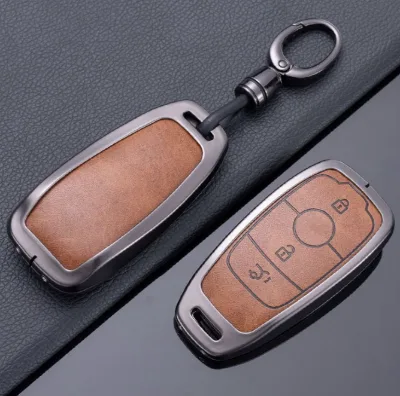
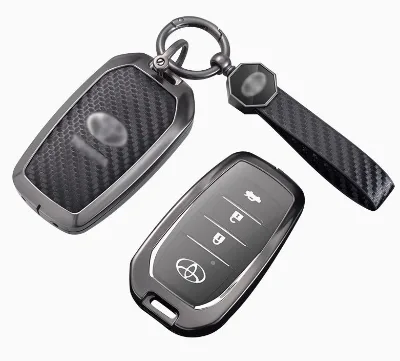
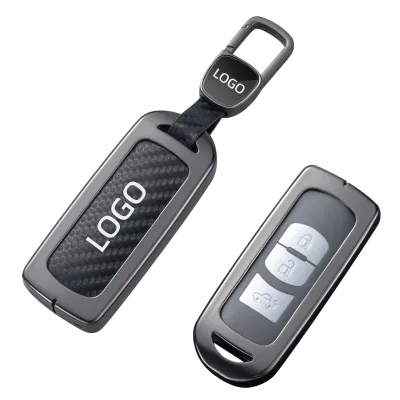
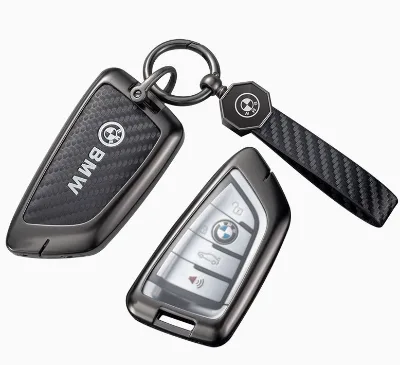
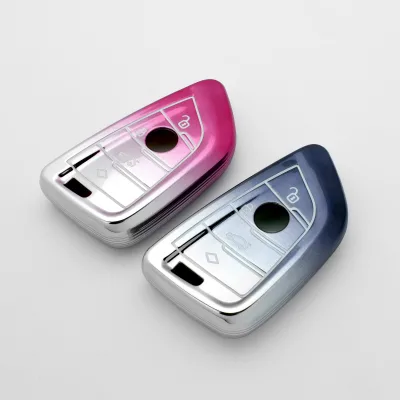
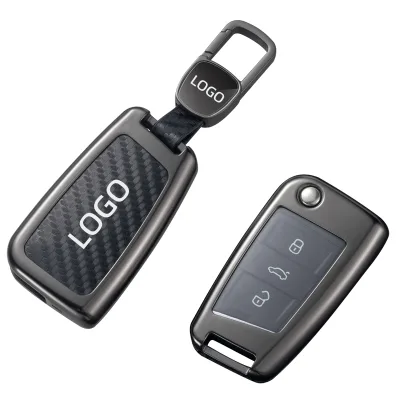
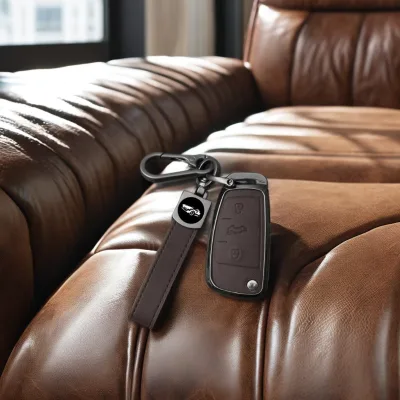
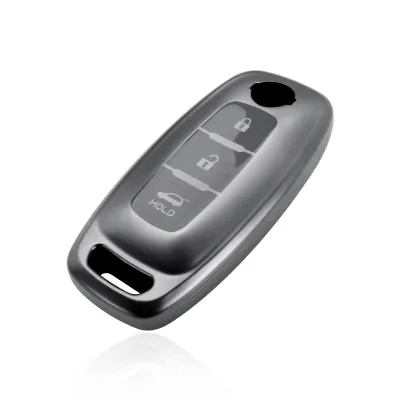
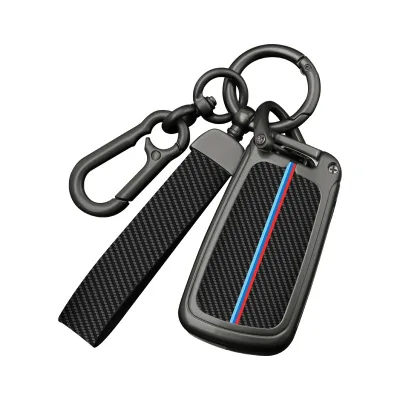
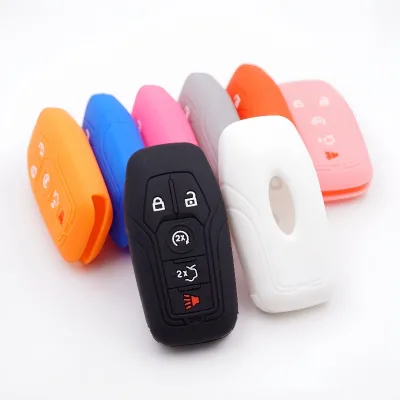
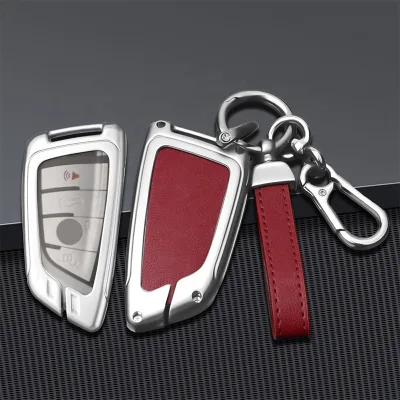
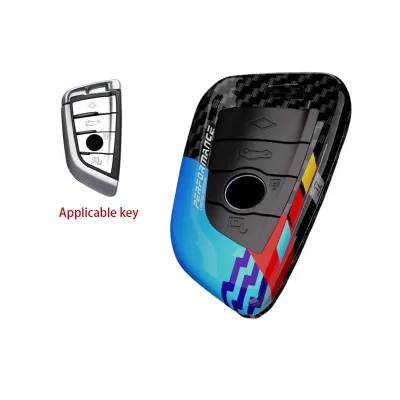

$1.10 - $3.10
MOQ: 10 Pieces
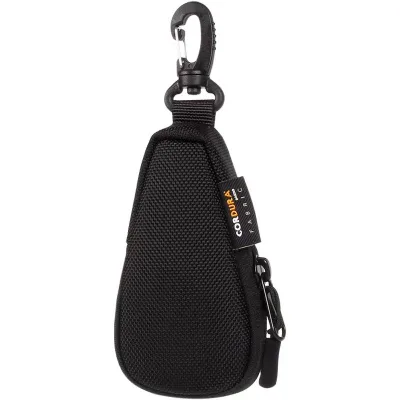

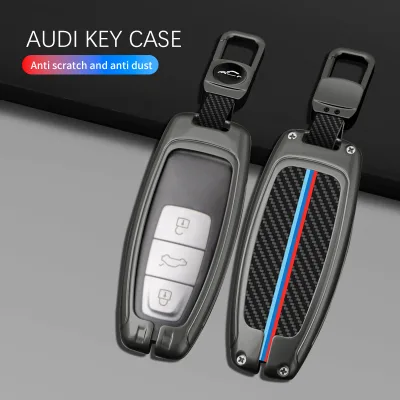
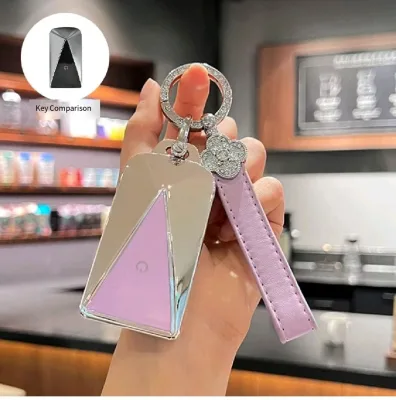

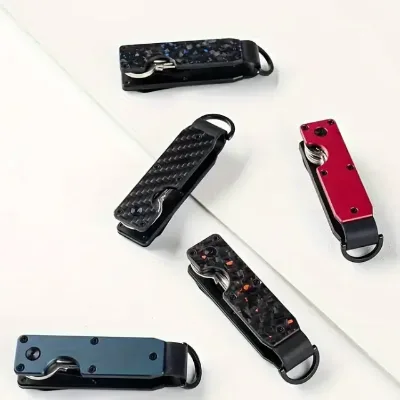
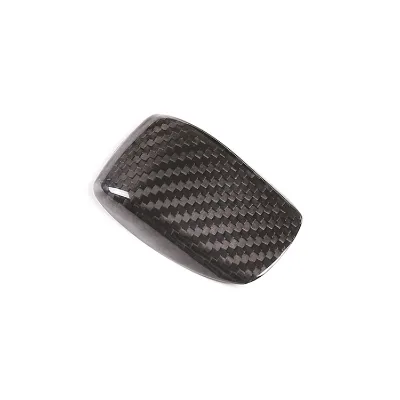
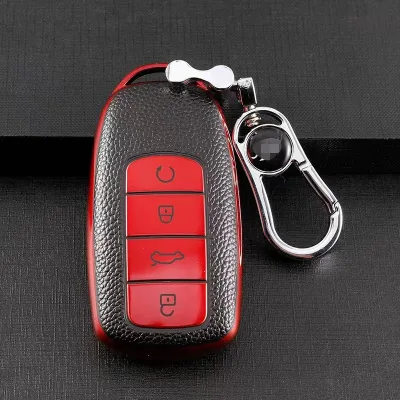
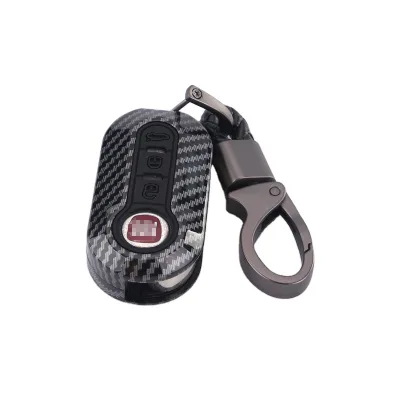
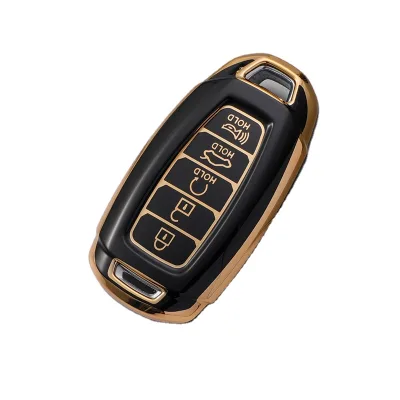
Comprehensive Sourcing Guide
Strategic Sourcing Guide for Luxury Carbon Car Key Covers
The global automotive accessories market has witnessed a significant surge in demand for high-end key protection solutions, with the "Luxury Carbon Car Key Cover" emerging as a critical keyword for procurement professionals. Buyers seeking this specific product category must navigate a complex supply chain where aesthetic appeal, material integrity, and functional durability intersect. Unlike generic key covers, luxury variants often demand precise engineering to accommodate complex key fob geometries while maintaining a premium tactile experience. This guide provides a disciplined framework for sourcing these items, grounded in observable product attributes and verified industry standards, ensuring that procurement decisions are based on factual data rather than speculative marketing claims.
Material Composition and Structural Integrity
The foundation of any luxury automotive accessory lies in its material selection. While the core keyword specifies "carbon," the actual supply landscape reveals a diverse array of materials used to achieve similar aesthetic and functional goals. Procurement teams must verify the specific material composition of the product they intend to source. Market observations indicate that silicone, alloy, leather, and brass are prevalent materials in this sector, each offering distinct advantages. Silicone products are frequently noted for their softness and flexibility, making them ideal for shock absorption and waterproofing. In contrast, alloy and brass components provide structural rigidity and a metallic finish that mimics the look of carbon fiber or high-end trim.
When evaluating material specifications, buyers should look for explicit declarations regarding the base material. For instance, some listings specify a "Silicone" composition with a "Soft" hardness rating, which is suitable for users prioritizing grip and protection against drops. Others may feature "Alloy" or "Brass" constructions, often treated with electroplating to achieve a "Silver," "Golden," or "Colorful" finish. The presence of "Leather" as a material option suggests a focus on tactile luxury and traditional craftsmanship. It is crucial to distinguish between a true carbon fiber weave and a printed or molded surface treatment that merely mimics the carbon aesthetic. Buyers must request material safety data sheets (MSDS) or specific composition certificates to confirm that the product meets the "luxury" designation without relying on vague terminology.
Technical Specifications and Dimensional Precision
Precision engineering is non-negotiable for car key covers, as a poor fit can compromise the functionality of the remote key or damage the key fob itself. The technical specifications for these products often include detailed dimensional data and compatibility matrices. Observed data points indicate that successful products are designed to "Fit Original Car Key" dimensions, ensuring a seamless integration with the vehicle's existing hardware. Standard size specifications for such accessories often range around 3cm by 10cm, with weights typically falling between 0.05kg and 0.09kg. These metrics are critical for logistics planning and packaging optimization.
Compatibility is another paramount technical factor. The market supports "Over 2000 Models," suggesting a high degree of customization capability. However, buyers must verify that the specific model numbers (such as CMVR10, CMMS01, or CMA-01) align with the vehicle makes and models they are servicing. The "Jeep" model designation appears in specific contexts, indicating that some suppliers offer vehicle-specific variants. Furthermore, the thickness of the product, observed in ranges of 1.0-3.5mm, directly impacts the bulk of the key fob. A cover that is too thick may interfere with the key's insertion into the ignition or the pocket carry experience, while one that is too thin may fail to provide adequate protection. Buyers should insist on a detailed specification sheet that maps the product model to specific vehicle key fob dimensions to avoid compatibility issues.
Customization Capabilities and Production Flexibility
One of the most significant advantages of sourcing from modern manufacturing hubs is the availability of customization options. The observed product attributes confirm that "Customization" is available and that "Customized" products are a standard offering. This flexibility allows buyers to tailor products to specific brand identities or client requirements. Customization can extend to color schemes, with options ranging from "Black" and "Regular 2 Colors" to "Candy Color" variations that appeal to specific fashion trends. The "Simplicity" style element suggests a design philosophy that favors clean lines and minimalism, which is often preferred in luxury automotive contexts.
Production capabilities also play a vital role in the sourcing strategy. Suppliers in regions like Shenzhen and Guangdong demonstrate robust production capacities, with some reporting output levels of 50,000 pieces per month. This high-volume capability ensures that large orders can be fulfilled without significant delays. However, the Minimum Order Quantity (MOQ) varies significantly across the supply base, ranging from as low as 50 pieces to as high as 5,000 pieces. Buyers must align their order volume with the supplier's MOQ thresholds to optimize cost efficiency. Additionally, the production time for customized orders is typically around 10 days, a factor that must be accounted for in the overall supply chain timeline. The ability to offer "Poly Bag Packing" or bulk cartons (e.g., 4,000 pieces per carton) further enhances the logistical flexibility for the buyer.
Compliance, Standards, and Quality Assurance
While the supply chain for luxury automotive accessories is dynamic, adherence to quality standards remains a critical requirement. Although specific certification statuses like ISO 9001 are mentioned in background contexts, buyers should not assume that every listed product automatically possesses these certifications without verification. Instead, the focus should be on observable quality attributes and standard compliance. The "Great Quality" designation observed in product listings is a qualitative claim that must be substantiated through physical inspection or third-party testing.
Buyers should verify that the products meet relevant safety and performance standards. For instance, the "Waterproof" attribute is a key functional requirement for car key covers, protecting the internal electronics of the key fob from moisture and dust. The "Handmade" technique noted in some listings suggests a higher level of craftsmanship, which can be a proxy for quality but requires rigorous inspection to ensure consistency. When evaluating lock-related components, such as those with "American Screw Style" lock cylinders or "Triple" lock body types, buyers must ensure that the key levels and structures (e.g., "Single Bolt," "Multiple Row Crescent Quantum Key") meet the security requirements of the target market. The surface treatment, often "Electroplating," should be checked for durability and resistance to corrosion, especially for products intended for long-term use.
Cost Drivers and Pricing Dynamics
Understanding the cost drivers for luxury carbon car key covers is essential for effective budget management. The observed price range of 0.38 to 7.16 USD reflects the vast diversity in materials, customization levels, and production complexities. Lower-priced items typically utilize standard materials like basic silicone or simple alloy with minimal customization. In contrast, the upper end of the price spectrum is driven by premium materials, intricate "Handmade" processes, and extensive customization options. The weight of the product, ranging from 0.05kg to 0.09kg, also influences shipping costs, which can be a significant factor in the total landed cost for international buyers.
MOQ requirements are another primary cost driver. Suppliers with higher MOQs, such as 5,000 pieces, often offer lower unit prices due to economies of scale. Conversely, suppliers accepting lower MOQs, such as 50 pieces, may charge a premium to cover the setup costs for smaller production runs. Buyers must balance their inventory needs with their budget constraints to determine the optimal order size. Additionally, packaging costs, which can vary from simple poly bags to complex cartons, should be factored into the total cost analysis. The "Production Time" of about 10 days also impacts cash flow and inventory planning, as longer lead times may require higher safety stock levels.
Supplier Evaluation and Long-Term Procurement Strategy
Selecting the right supplier is a multifaceted process that extends beyond price and product specifications. Buyers should prioritize suppliers with a proven track record in the automotive accessories sector, particularly those located in established manufacturing hubs like Guangdong and Shenzhen. These regions are known for their robust supply chains and expertise in producing high-quality automotive components. The "All Brands" attribute suggests that some suppliers have the capacity to serve a wide range of clients, indicating a level of operational maturity and flexibility.
Long-term procurement considerations involve building a relationship with suppliers who can adapt to changing market demands. The ability to produce "Over 2000 Models" indicates a supplier's capacity for scalability and variety. Buyers should also evaluate the supplier's quality control processes, ensuring that they have mechanisms in place to maintain consistency across large production batches. Regular audits and sample testing are recommended to verify that the "Great Quality" claims are consistently met. Furthermore, suppliers who offer flexible packaging solutions and clear communication regarding production timelines are better positioned to support a resilient supply chain.
Comparative Analysis of Product Attributes
To facilitate informed decision-making, the following table summarizes the key attributes observed in the Luxury Carbon Car Key Cover market, highlighting the variations in materials, specifications, and production capabilities.
| Attribute Category | Observation A (Silicone/Soft) | Observation B (Alloy/Brass) | Observation C (Leather/Premium) |
|---|---|---|---|
| Material | Silicone | Alloy, Brass | Leather |
| Hardness | Soft | Hard (Metallic) | Variable (Tactile) |
| Color Options | Black, Candy Color | Silver, Golden, Colorful | Regular 2 Colors |
| Key Function | Remote Key Protection | Lock Cylinder Style | Protect Car Key |
| Waterproof | Waterproof | Not Specified | Not Specified |
| Technics | Handmade | Electroplating | Handmade |
| Style | Simplicity | Simplicity | Simplicity |
| Typical Weight | 0.05kg | 0.09kg | Variable |
| MOQ Range | 50 - 5000 Pcs | 5000 Pcs | 50 Pcs |
| Origin | Shenzhen, Guangdong | Guangdong, China | Guangdong, China |
This comparative analysis underscores the importance of aligning product attributes with specific procurement needs. Whether the priority is waterproofing, aesthetic customization, or structural durability, the buyer must carefully match the product specifications to their requirements. By adhering to these evidence-based guidelines, procurement professionals can navigate the complexities of the Luxury Carbon Car Key Cover market with confidence, ensuring that their sourcing decisions deliver value, quality, and reliability.
FAQs
What materials are used for luxury carbon car key covers?
Common materials include silicone, alloy, brass, and leather. Silicone offers softness and waterproofing, while metal options provide rigidity and a premium finish. Buyers should verify the specific material composition to ensure it meets their durability and aesthetic requirements.
Can I customize the color and style of the key cover?
Yes, customization is available for color and style. Options range from black and candy colors to silver and golden finishes with a simplicity style. Buyers must confirm specific color availability and design preferences with the supplier before placing an order.
How long does production take for customized orders?
Production time is typically about 10 days for customized orders. This timeline applies to most suppliers in the region, but actual delivery depends on the specific manufacturer's schedule. Buyers should account for this lead time when planning their inventory replenishment.
What is the minimum order quantity for these key covers?
The minimum order quantity varies significantly between 50 and 5000 pieces. Some suppliers accept low volumes like 50 pieces, while others require bulk orders of 5000 pieces. Buyers need to check the specific MOQ of their chosen vendor to align with their budget and volume needs.
Where are these key covers manufactured?
Most products originate from manufacturing hubs in Shenzhen and Guangdong, China. These locations are known for robust supply chains and expertise in automotive accessories. Buyers should verify the specific origin listed for each product to ensure it matches their sourcing preferences.
Do these key covers fit original car keys?
Yes, many models are designed to fit original car key dimensions. Specifications often include sizes around 3cm by 10cm to ensure seamless integration. Buyers must verify the model number against their specific vehicle key fob to guarantee a proper fit.
Are these key covers waterproof?
Some silicone variants are explicitly waterproof to protect internal electronics. This feature is crucial for preventing moisture damage to the key fob. Buyers should confirm the waterproof attribute for the specific material and model they intend to purchase.