Source luxury eco-friendly coffee bag for food, gift, and cosmetic packaging
Compare 30 luxury eco-friendly coffee bag options from verified Chinese manufacturers. These customizable bags offer waterproof, recyclable, and bio-degradable features suitable for food, gift, and cosmetic packaging applications.
Key considerations
Products List


Customizable Eight Side Seal Anti-Static Coffee Bags for Eco-Friendly Packaging
$0.05 - $0.07
MOQ: 20000 Pieces


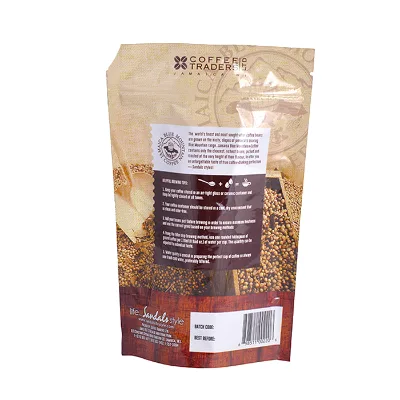
Comprehensive Sourcing Guide
Strategic Sourcing Guide for Luxury Eco-Friendly Coffee Bags
Defining the Technical Specifications for Premium Packaging
When sourcing luxury eco-friendly coffee bags, the primary objective is to balance aesthetic appeal with functional integrity. The product landscape for these items is diverse, ranging from square bottom bags to upright varieties, each serving distinct display and storage needs. A critical observation in the current market is the variation in sealing methods. Buyers must distinguish between heat-sealing options, which offer a robust, permanent closure ideal for long-term freshness, and self-sealing or zipper closure mechanisms that provide convenience for the end consumer. The presence of a zipper closure is particularly relevant for coffee applications where the bag may need to be opened and closed multiple times without compromising the seal.
Material composition is another non-negotiable specification. High-quality coffee bags typically utilize composite structures to ensure barrier properties. Common raw material combinations observed in the market include PP/PE (Polypropylene/Polyethylene) and more complex laminates such as MOPP/PE/VMPET (Metallized Polyethylene Terephthalate). The inclusion of VMPET layers is essential for luxury applications as it provides superior light and oxygen barriers, protecting the coffee's volatile aromatic compounds. Furthermore, the transparency of the bag is a key differentiator. While some luxury packaging demands full transparency to showcase the product, others prioritize non-transparent finishes to enhance the perception of premium quality and protect the contents from light degradation. Buyers should verify if the specific model, such as those designated by codes like "coffee bag01" or "801," aligns with the desired visual and functional profile.
Navigating Environmental Compliance and Certification Verification
The term "eco-friendly" in the context of coffee packaging carries significant weight, yet it requires rigorous verification to avoid greenwashing. The market data indicates that many suppliers offer bags with specific environmental attributes, including bio-degradability and recyclability. However, the presence of these attributes does not automatically imply compliance with international standards without further validation. Buyers must explicitly request documentation regarding the bio-degradable nature of the materials, as this often depends on specific industrial composting conditions rather than home composting capabilities.
Certification status is a critical area where buyers must exercise caution. While some background knowledge suggests the existence of FSC (Forest Stewardship Council) certification for paper-based components, this should not be assumed for plastic or composite bags unless explicitly stated by the supplier. For plastic-based luxury bags, the focus should shift to verifying the recyclability claims and the specific resin codes used. The "Food Grade" status is a mandatory baseline for any coffee packaging, ensuring that the materials do not leach harmful substances into the product. Buyers should insist on a Certificate of Analysis (CoA) or a Declaration of Compliance that explicitly states the bag meets food contact safety regulations. Additionally, the "Customized" standard mentioned in product listings suggests that many manufacturers can tailor their environmental claims to specific market requirements, but the buyer must define these requirements clearly in the purchase order to ensure the final product meets the intended eco-friendly criteria.
Analyzing Cost Drivers and Economic Factors
The cost of luxury eco-friendly coffee bags is influenced by a complex interplay of material selection, customization, and order volume. The observed Minimum Order Quantity (MOQ) ranges significantly, from 100 units to as high as 20,000 units. This variance indicates that suppliers often employ tiered pricing models where larger volumes drastically reduce the unit cost. For buyers seeking a luxury product, the cost drivers will likely include the complexity of the printing process. Gravure printing is a standard method observed in the market, known for its high quality and ability to reproduce intricate designs, but it involves higher setup costs compared to digital printing.
Material costs are another primary driver. Bags utilizing multi-layer composites like MOPP/PE/VMPET are inherently more expensive than single-layer PE bags due to the additional processing and material costs involved. The inclusion of features such as anti-static properties, tear resistance, and moisture proofing also adds to the final price. Furthermore, the customization of size and shape, such as the square bottom configuration, requires specific tooling and production adjustments, which can impact the per-unit cost. Buyers should note that while the base price range for some generic plastic bags may appear low, the cost for a fully customized, high-barrier, eco-friendly luxury bag will reflect the added value of these specialized features. Understanding the relationship between the MOQ and the unit price is essential for budgeting, as ordering below the optimal threshold can result in disproportionately high costs.
Typical Applications and Market Positioning
Luxury eco-friendly coffee bags serve a broad spectrum of applications beyond simple containment. The market data highlights their use in gift packaging, food packaging, cosmetic packaging, and stationery packaging. For coffee specifically, the industrial use is often categorized under "Coffee & Tea," requiring bags that can maintain freshness while presenting a premium image. The square bottom bag shape is particularly popular for retail displays as it allows the bag to stand upright, maximizing shelf presence and providing a stable platform for branding.
The versatility of these bags extends to various industries, including medical and clothing packaging, though the primary focus for coffee remains on food safety and aroma retention. The application of these bags in the gift sector suggests that they are often used for limited edition blends or seasonal offerings where the packaging itself is part of the value proposition. The ability to customize the bag variety, size, and color allows brands to create a unique identity that resonates with their target demographic. Whether for a high-end roastery or a boutique coffee shop, the packaging must communicate quality and sustainability simultaneously. The observed applications indicate that buyers should consider the end-user experience, ensuring the bag is not only functional but also enhances the unboxing or retail experience.
Supplier Evaluation and Geographic Considerations
When evaluating potential suppliers, geographic origin plays a significant role in logistics and quality perception. The majority of the observed suppliers are located in China, with specific hubs identified in Wenzhou and Cangzhou, as well as Hebei. Wenzhou is historically known for its packaging industry, while Cangzhou and Hebei offer diverse manufacturing capabilities. Buyers should verify the specific "Place of Origin" for each supplier, as this can impact shipping times and costs. The standard delivery time observed is typically 10 to 15 days, but this can vary based on the complexity of the order and the supplier's current capacity.
Supplier evaluation should also focus on their production capabilities and flexibility. The ability to offer "Customized" sizes, colors, and sealing methods is a strong indicator of a supplier's capability to meet specific luxury requirements. Buyers should assess whether the supplier can handle the full range of services, from design to final packing, which is often done in cartons as per customer requirements. The presence of specific product models, such as "xh-688" or "coffee bag," suggests that suppliers have established product lines that can be adapted. However, buyers must ensure that the supplier's "prod_standard" aligns with their specific needs, as many listings indicate that standards are customizable. It is crucial to request samples to verify the actual quality of the materials, printing, and sealing before committing to a large order.
Quality Control and Long-Term Procurement Strategy
Ensuring consistent quality in luxury coffee packaging requires a robust quality control (QC) framework. Key attributes to monitor include tear resistance, wear resistance, and the integrity of the moisture-proof barrier. The observed features such as "Shock Resistance" and "Bio-Degradable" properties must be validated through testing, as these claims can vary significantly between batches. Buyers should establish clear acceptance criteria for visual defects, such as printing misalignment or color variations, which are critical for luxury branding.
For long-term procurement, building a relationship with a supplier who offers reliable customization and consistent lead times is essential. The variability in MOQs and the potential for custom standards mean that buyers should negotiate terms that allow for flexibility in future orders. It is also advisable to conduct periodic audits of the supplier's production line to ensure that the "Food Grade" status and environmental claims remain valid over time. The "Carton as Customers' Requirement" packing method suggests that packaging logistics can be tailored, which is beneficial for optimizing shipping costs and protecting the bags during transit. By maintaining a proactive approach to quality assurance and supplier management, buyers can ensure a steady supply of high-quality, eco-friendly coffee bags that meet both functional and aesthetic demands.
Comparative Analysis of Bag Features and Specifications
To assist buyers in making informed decisions, the following table summarizes the key variations observed in the market for luxury eco-friendly coffee bags. This comparison highlights the differences in sealing, material, and application to help align product selection with specific brand needs.
| Feature Category | Option A: Heat-Sealed Premium | Option B: Zipper Closure | Option C: Bio-Degradable Focus |
|---|---|---|---|
| Sealing Method | Heat-sealing | Zipper Closure | Self-sealing / Heat-seal |
| Transparency | Transparent | Non-transparent | Transparent / Custom |
| Material Composition | PP/PE Composite | MOPP/PE/VMPET | Bio-degradable Plastic |
| Primary Application | Food Packaging, Gift | Coffee & Tea, Retail | Eco-conscious Markets |
| Key Features | Moisture Proof, Shock Resistant | Moisture Proof, Recyclable | Bio-Degradable, Recyclable |
| Typical MOQ | 100 - 20000 Units | 10000 Units | Variable |
| Origin | Wenzhou, China | Wenzhou, China | Cangzhou/Hebei, China |
This table illustrates that while there is significant overlap in the core attributes, the choice of sealing method and material composition often dictates the specific application and target market. Buyers should use this comparison to narrow down their search based on the specific requirements of their coffee product and brand identity.
FAQs
What sealing methods are available for luxury coffee bags?
Available sealing methods include heat-sealing, self-sealing, and zipper closure. Heat-sealing offers a robust permanent closure, while zipper closures allow for repeated opening without compromising freshness. The choice depends on whether the bag requires long-term storage or consumer convenience for multiple uses.
Which raw materials are used for these eco-friendly bags?
Common raw materials include PP/PE composites and complex laminates like MOPP/PE/VMPET. These materials provide essential barrier properties against moisture and light. Buyers should verify if the specific material composition meets food grade standards and desired environmental attributes like recyclability.
Can these bags be customized for specific sizes and shapes?
Yes, customization is available for size, shape, and color. Options include square bottom bags, upright bags, and fully customizable dimensions. Manufacturers in Wenzhou and Cangzhou typically tailor these specifications to meet specific branding and packaging requirements.
What is the typical delivery time for these orders?
The usual delivery time is 10 to 15 days. This timeline may vary based on the complexity of customization and current supplier capacity. Buyers should confirm specific lead times during the negotiation phase to ensure timely receipt of their luxury packaging.
How does the MOQ vary for different bag types?
Minimum Order Quantities range from 100 to 20,000 units depending on the supplier and product model. Higher volumes often reduce unit costs, while specialized custom orders may require larger minimums. Buyers must check the specific MOQ for their selected model before placing an order.
Are these bags suitable for food packaging applications?
Yes, these bags are confirmed to be food grade and suitable for food packaging. They are also used for gift, cosmetic, and stationery packaging. The materials are selected to ensure safety and prevent leaching harmful substances into the coffee or other products.