Source Luxury Eco-Friendly Jewelry Bag with Magnetic Closure for gifts, cosmetics, and shopping
Find 30 listings for a Luxury Eco-Friendly Jewelry Bag with Magnetic Closure designed for gifts, cosmetics, and shopping. Compare customization options, paper types, and MOQs to select the right packaging for your brand needs.
Key considerations
Products List




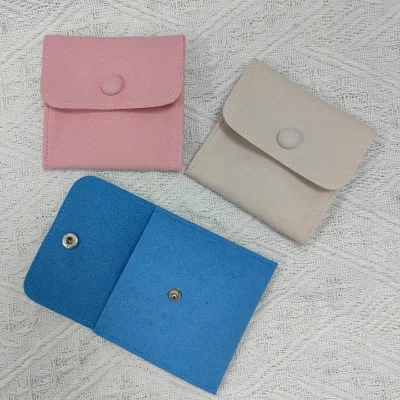


Comprehensive Sourcing Guide
Strategic Sourcing Guide for Luxury Eco-Friendly Jewelry Bags with Magnetic Closures
Understanding the Product Definition and Material Specifications
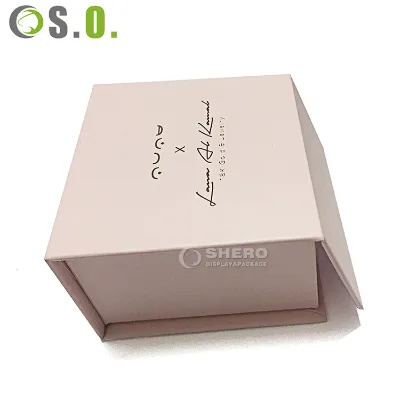
When sourcing luxury eco-friendly jewelry bags with magnetic closures, buyers must first establish a precise understanding of the material composition and structural attributes that define this category. The core product is typically constructed from high-grade paper or cardboard, often referred to as art paper, coated paper, or gray paper depending on the specific finish and rigidity required. The material selection is critical for achieving the "luxury" feel while maintaining an eco-friendly profile. The observed market data indicates that suppliers frequently utilize paper/cardboard as the primary material, with options ranging from soft hardness to more rigid structures depending on the intended use.
The physical dimensions of these bags are highly variable, with many suppliers offering custom sizing to accommodate different jewelry types, from delicate rings to larger necklaces. While some standard models may feature a "middle" size, the prevailing trend in this sector is toward fully customizable dimensions. The structural integrity of the bag is often enhanced by specific surface treatments. Buyers should look for products that offer both glossy and matte lamination options, as these finishes not only provide a premium aesthetic but also protect the paper from moisture and wear. Additionally, the presence of a magnetic closure is a defining feature for this specific keyword, distinguishing these bags from standard open-top pouches or simple drawstring bags. The closure mechanism must be integrated seamlessly into the paper structure to ensure a smooth opening and closing experience without compromising the bag's aesthetic appeal.
Technical Attributes and Surface Finishing Options
The technical specifications of luxury jewelry bags extend beyond the base material to include complex surface finishing and printing capabilities. The surface handling processes observed in the market include hot stamping, which adds a metallic or textured sheen to the bag, enhancing its perceived value. This process is often combined with UV coating, which can be customized to provide specific levels of gloss or matte finish. The availability of both matte and glossy lamination allows buyers to tailor the tactile experience of the product to their brand identity. For instance, a matte finish often conveys a more understated, sophisticated luxury, while a glossy finish can make colors pop and appear more vibrant.
Printing capabilities are another critical technical factor. The market supports full-color printing, with specific configurations such as 4C+0 (four-color process on one side) being common. Buyers should verify if the supplier offers set printing or inside printing options, as these add layers of customization. The ability to accept custom logos is a standard feature, allowing brands to imprint their identity directly onto the packaging. The shape of the bag is predominantly rectangular, which provides stability and efficient stacking for storage and shipping. However, the "foldable" style is also noted, offering versatility for brands that require compact storage solutions when the bags are not in use. The weight of the finished product is generally light, typically under 0.5 kg for individual units, though the weight limit for bulk packaging can vary significantly, with some suppliers noting limits up to 5 kg for larger cartons.
Cost Drivers and Minimum Order Quantity Considerations
The pricing structure for luxury eco-friendly jewelry bags is influenced by several key variables, including material quality, customization complexity, and order volume. The observed price range in the market spans from $0.04 to $5.00 per unit, a wide spectrum that reflects the difference between basic paper bags and highly customized, premium-luxury packaging. The lower end of this range typically corresponds to standard designs with minimal customization, while the higher end reflects complex surface treatments like hot stamping, multi-layer lamination, and intricate custom printing.
Minimum Order Quantity (MOQ) is a significant cost driver in this sector. Suppliers often set MOQs based on the level of customization required. Standard models may have an MOQ of 500 pieces, while more complex custom orders might require quantities starting at 1,000 pieces or even up to 30,000 pieces depending on the supplier's production capacity and the specific design requirements. Buyers must balance the desire for lower unit costs through larger volumes against the need for inventory flexibility. The "custom size available" standard suggests that bespoke dimensions may incur higher setup costs or higher MOQs compared to stock sizes. Additionally, the inclusion of specific features like magnetic closures or specific handle types (such as string handles) can impact the final unit price. It is essential for buyers to request detailed quotes that break down costs by material, printing, and finishing to understand the true cost drivers of their specific design.
Compliance, Certification, and Environmental Claims
In the context of "eco-friendly" packaging, compliance and certification are paramount. While the provided data mentions FSC (Forest Stewardship Council) as a background certification, buyers must exercise caution and verify this status directly with the supplier rather than assuming it applies to all listed products. The term "eco-friendly" is often used broadly, and without specific certification, claims regarding sustainability can be ambiguous. Buyers should prioritize suppliers who can provide verifiable documentation for the source of their paper and cardboard materials.
When evaluating compliance, buyers should look for evidence that the materials are sourced from sustainable forests or recycled content. The "Standard Export Carton with Damp Proof Bag" packing method mentioned in the data suggests a focus on protecting the product during transit, which indirectly supports sustainability by reducing damage and waste. However, for a true eco-friendly claim, the buyer must confirm that the adhesives, inks, and coatings used in the production process are also environmentally benign. The availability of "custom size" and "custom design" allows for optimization of material usage, reducing waste during the cutting and manufacturing process. Buyers should explicitly ask suppliers about the recyclability of the finished bag and the specific environmental standards they adhere to, ensuring that the "luxury" aspect does not come at the expense of genuine environmental responsibility.
Supplier Evaluation and Quality Control Protocols
Selecting the right supplier requires a rigorous evaluation process that goes beyond price and lead time. Given that the origin of many products is listed as Shanghai, buyers should be aware of the logistical implications of sourcing from this region, including shipping times and potential tariffs. A reliable supplier will demonstrate transparency in their production capabilities, offering clear information about their surface finishing processes, printing methods, and quality control measures.
Quality control should be a central part of the evaluation. Buyers must verify that the supplier has established protocols for checking the strength of magnetic closures, the accuracy of color printing, and the consistency of surface finishes like lamination. The "Standard Shipping Carton" and "Standard Export Carton" packing methods indicate that suppliers are accustomed to bulk shipping, but buyers should confirm that the packaging is robust enough to prevent crushing or damage during transit. Since the product is often used for high-value items like jewelry, the structural integrity of the bag is non-negotiable. Buyers should request samples to test the hardness, the ease of opening the magnetic closure, and the durability of the print. Additionally, verifying the supplier's ability to handle custom orders, such as specific logo placements or unique sizes, is crucial for ensuring the final product meets the brand's exact specifications.
Typical Applications and Long-Term Procurement Strategy
The versatility of luxury eco-friendly jewelry bags makes them suitable for a wide range of applications. The observed usage categories include arts and crafts, electronic products, jewelry, gifts, cosmetics, garment and shoes, greeting cards, letters, and health care products. This broad applicability suggests that these bags can serve as a unifying packaging solution for brands with diverse product lines. For jewelry specifically, the magnetic closure offers a secure and elegant way to present the product, enhancing the unboxing experience for the end consumer.
For long-term procurement, buyers should focus on building a relationship with a supplier who can scale with their business. The availability of "custom design" and "OEM" services indicates that suppliers are equipped to grow alongside their clients. Buyers should consider the flexibility of the supplier in handling fluctuating order volumes and the ability to adapt to changing design trends. The "custom size available" standard is particularly valuable for long-term strategies, as it allows brands to evolve their packaging without being locked into rigid dimensions. Furthermore, maintaining a consistent supply of high-quality materials is essential for brand reputation. Buyers should establish clear communication channels with suppliers to ensure that any changes in material sourcing or production processes are communicated well in advance. By prioritizing suppliers who offer a balance of customization, quality, and sustainability, buyers can secure a reliable supply chain that supports their brand's growth and values.
Comparison of Packaging Attributes
To assist in decision-making, the following table summarizes key attributes observed in the market for luxury jewelry packaging, highlighting the variations available to buyers.
| Attribute | Standard Option | Custom/High-End Option |
|---|---|---|
| Material | Cardboard, Gray Paper | Art Paper, Coated Paper |
| Surface Finish | Matt Lamination | Glossy/Matt Lamination + Hot Stamping |
| Printing | 4C+0, Basic Logo | Full Color, Inside Printing, Custom Logo |
| Closure | Open Top | Magnetic Closure |
| Size | Middle, Standard | Custom Size (e.g., 555532mm or bespoke) |
| MOQ | 500 PCS | 1000-30000 PCS |
| Origin | Shanghai | Shanghai (with export standards) |
| Eco-Claims | General | FSC (Verify individually) |
This comparison underscores the importance of defining specific requirements before engaging with suppliers. The jump from standard to custom options often involves significant changes in material quality, finishing processes, and order volume requirements. Buyers should use this framework to align their expectations with the capabilities of potential suppliers, ensuring that the final product meets both the aesthetic and functional demands of their luxury brand.
FAQs
Can I get custom sizes for Luxury Eco-Friendly Jewelry Bag with Magnetic Closure?
Yes, custom sizes are available for these bags. The product standard explicitly states that custom dimensions can be arranged, allowing you to tailor the packaging to specific jewelry types rather than being limited to standard middle sizes.
What is the minimum order quantity for custom jewelry packaging?
The minimum order quantity typically starts at 500 pieces for standard models. However, for more complex custom designs or specific printing requirements, the MOQ may increase to 1000 pieces or higher depending on the supplier's capacity.
Which surface finishing options are available for these paper bags?
Buyers can choose between matte and glossy lamination for the surface finish. Additional premium options include hot stamping and customizable UV coating to enhance the visual appeal and durability of the luxury packaging.
How is the logo printed on the eco friendly jewelry bag?
Custom logo printing is accepted and offered as a standard service. Suppliers provide full-color printing capabilities, including 4C+0 configurations, and can place logos on the exterior or offer optional inside printing for added branding value.
What materials are used to construct the jewelry bag packaging?
The bags are primarily constructed from paper, cardboard, art paper, or coated paper. These materials are selected to provide a balance of softness and rigidity, ensuring the bag protects the jewelry while maintaining a premium feel.
Where are these luxury packaging products manufactured?
The products originate from Shanghai, China. This location is a known hub for paper packaging manufacturing, offering access to established supply chains and export-ready production facilities for international buyers.
Can the packaging be customized with specific design features?
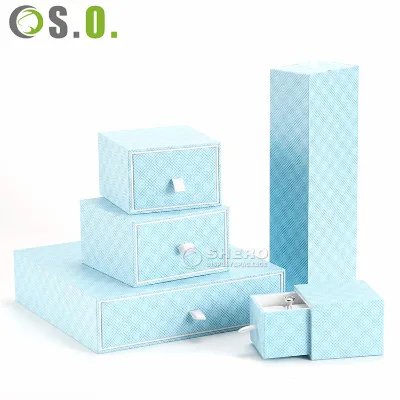
Yes, custom design is available to meet specific brand requirements. Suppliers offer OEM services, allowing for unique shapes, foldable styles, and specific opening mechanisms like clamshell or pull-out designs to suit various product needs.