Source Luxury Fully Enclosed Sightseeing Train for Amusement Parks
Find 30 Luxury Fully Enclosed Sightseeing Train models suitable for amusement parks, scenic spots, and resorts. Buyers can compare specifications like capacity, speed, and dimensions to select the right electric or diesel options for outdoor rides.
Key considerations
Products List

42 Seats Fully Enclosed City Outdoor Tourist Train Sightseeing Electric Train for Sale
$10000.00 - $39999.00
MOQ: 1 set

42 Seats Fully Enclosed City Outdoor Tourist Train Sightseeing Electric Trackless Train Tour
$10000.00 - $39999.00
MOQ: 1 set

72 Seats Sightseeing Trackless Road Passenger Transport Gasoline Train
$20000.00 - $50000.00
MOQ: 1 set

Large Capacity Trackless Train 72 Seats Tourist Train for Amusement Sightseeing
$20000.00 - $50000.00
MOQ: 1 set

Heavy Duty 72 Seats Trackless Sightseeing Train Eco-Friendly for Australia Resorts
$20000.00 - $50000.00
MOQ: 1 set

Factory Direct Electric Sightseeing Train for Luxury Tourist Villages
$10000.00 - $50000.00
MOQ: 1 set

42 Seats Tourist Sightseeing Bus Trackless Diesel Sightseeing Train
$58395.00 - $86200.00
MOQ: 1 Pieces


54-Seat Fixed-Rail Sightseeing Amusement Train for Exclusive Guest Use
$70000.00 - $72000.00
MOQ: 1 Sets

Railway Sightseeing Train/Amusement Facilities/Electric Train/Electric Train
$31000.00 - $100000.00
MOQ: 1 Sets


Guests' Exclusive 96-Seat Fixed-Track Leisure Train/Sightseeing Train/Theme Park Train
$80000.00 - $88000.00
MOQ: 1 Pieces


Customized 56 Seats Diesel Sightseeing Tourist Train with CE Certification
$10000.00 - $50000.00
MOQ: 1 Sets

Customized 42 Seats Electric Sightseeing Tourist Train with CE for Sale
$10000.00 - $50000.00
MOQ: 1 Sets
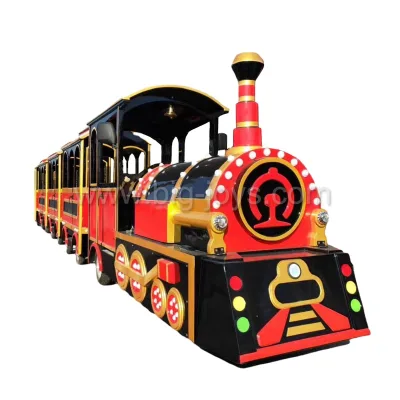
Electric Sightseeing Road Trackless Train for Sale, Fiberglass Sightseeing Trackless Train
$7134.50 - $15288.22
MOQ: 1 Minimum
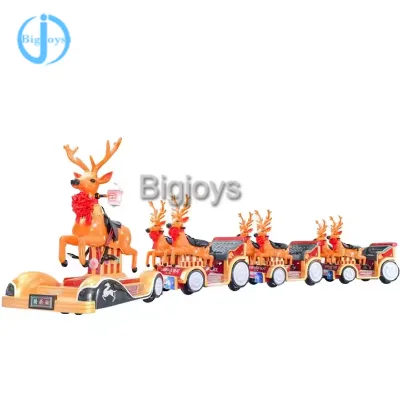
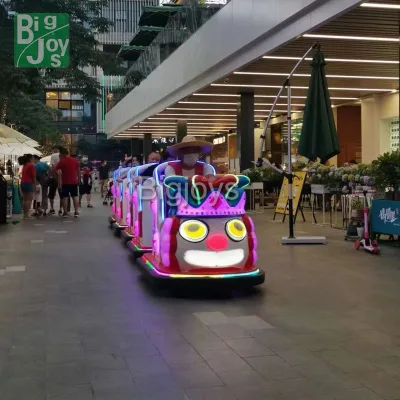
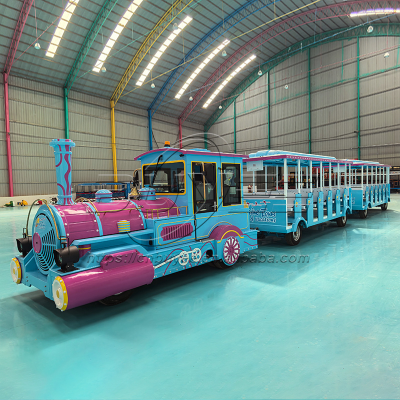
$59999.00 - $69999.00
MOQ: 1 Minimum


Customized 56-Seater Electric Sightseeing Train with CE Certification
$39980.00 - $98280.00
MOQ: 1 Set

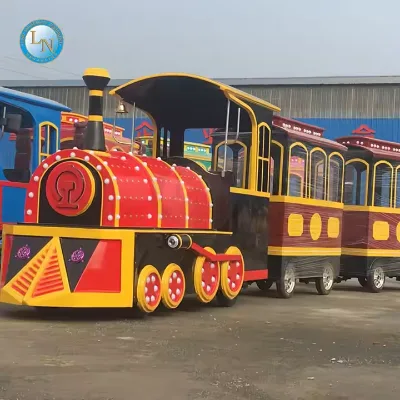
Sightseeing Trains in Scenic Areas Trackless Electric Fuel Sightseeing Small Trains
$6000.00 - $14000.00
MOQ: 1 Minimum
Comprehensive Sourcing Guide
Strategic Sourcing Guide for Luxury Fully Enclosed Sightseeing Trains
Understanding the Product Category and Market Positioning
The Luxury Fully Enclosed Sightseeing Train represents a specialized segment within the broader amusement and transport equipment market. Unlike open-air carts or standard shuttle vehicles, these units are engineered to provide a protected, climate-controlled environment for passengers while maintaining a high-end aesthetic. The core keyword "luxury fully enclosed" implies a focus on comfort, safety, and visual appeal, distinguishing these assets from basic utility vehicles. In the current global market, these trains are predominantly manufactured in China, where supply chains support the production of electric and diesel-powered rail systems designed for diverse terrains.
Buyers must recognize that "luxury" in this context is not merely a marketing term but a specification of build quality, interior finish, and operational smoothness. The observed product attributes indicate that these units are often categorized as "Electric Trains" or "Diesel Trains" depending on the powertrain, with models specifically designed for outdoor rides in environments ranging from amusement parks to resort complexes. The distinction between "Customized" and "Non-Customized" units is critical; while some listings indicate non-customized standard models, others explicitly offer customization options, allowing buyers to tailor the vehicle to specific brand identities or operational needs. The presence of a "Fully Enclosed" cab structure, often described as having a steel frame with double-layer ceilings and aluminum components, suggests a focus on thermal insulation and acoustic dampening, which are essential for the luxury experience.
Technical Specifications and Performance Metrics
When evaluating a Luxury Fully Enclosed Sightseeing Train, the technical specifications serve as the primary filter for suitability. The data indicates a range of locomotive and carriage dimensions that vary significantly between models. For instance, one observed configuration lists a locomotive size of 460318302413mm, while another model features a larger footprint of 512021402500mm. These dimensional variances directly impact the track requirements and the spatial planning of the installation site. Buyers must verify the specific cabin dimensions, which can range from 450021002410mm to 540023002520mm, to ensure they align with the intended passenger flow and station infrastructure.
Performance metrics are equally vital for operational planning. The maximum travel speed for these units is consistently observed at 20km/h, whether under full load or no-load conditions. This speed is optimized for safety and scenic viewing rather than rapid transit. A critical parameter for terrain adaptability is the turning radius, with observed values ranging from 7.5 meters to 8.5 meters. This metric dictates the curvature of the tracks; a tighter turning radius allows for more complex layouts in confined spaces, while a larger radius requires more extensive track infrastructure. The wheelbase, observed between 2600mm and 2800mm, influences the stability and ride smoothness, particularly on uneven surfaces.
Powertrain specifications vary by model, with some units utilizing a 3.8L diesel engine producing 105kw of rated power and a maximum torque of 450nm. Others may be electric, though the diesel configuration is prominent in the observed data. The maximum driving range is a key differentiator, with observed capabilities of 60km or 80km per charge or tank. This range determines the operational radius of the train without requiring refueling or recharging, which is crucial for large resort or scenic spot applications. The maximum driving grade is typically limited to 4% or less, with a design grade of up to 7%, indicating that these vehicles are not suitable for steep mountainous terrain but are ideal for flat to gently rolling landscapes.
Compliance, Certification, and Safety Standards
Compliance with international safety standards is non-negotiable when sourcing heavy machinery for public use. The observed product data consistently highlights the CE certification, which is a mandatory requirement for products sold within the European Economic Area and is often adopted as a baseline for global quality assurance. The CE mark indicates that the manufacturer has assessed the product and meets EU safety, health, and environmental protection requirements. However, buyers should not assume that CE certification covers all local regulations in their specific jurisdiction.
Safety features are embedded in the design specifications. The "fully enclosed" nature of the cab is a primary safety feature, protecting passengers from weather elements and potential debris. The cab structure is described as being equipped with a steel frame and double-layer ceiling, which adds structural integrity. Furthermore, the braking system is a critical safety component, with observed maximum braking distances of less than or equal to 5 meters. This specification ensures that the train can stop safely within a short distance, which is essential for crowded areas like pedestrian streets or amusement park pathways.
Buyers must also verify the rated passenger capacity, which varies by model. Observed configurations include capacities of 20 + 20 + 2 or 35 + 35 + 2, indicating a mix of seating arrangements and potential crew or operator space. The maximum capacity of the vehicle, noted as greater than 500kg, refers to the payload capability, which must be weighed against the total passenger load to ensure the train operates within safe limits. It is imperative to cross-reference these specifications with local transport authority regulations, as certification in the country of origin does not automatically guarantee compliance with local safety codes.
Cost Drivers and Procurement Economics
The pricing for luxury fully enclosed sightseeing trains is influenced by a complex array of factors, with observed market ranges spanning from 6,000 to 100,000 USD. This wide variance suggests that the final cost is heavily dependent on the level of customization, the powertrain type, and the specific configuration of the train set. A basic model with standard dimensions and a diesel engine will likely fall on the lower end of the spectrum, while a fully customized electric unit with premium interior finishes and advanced safety systems will command a higher price.
The Minimum Order Quantity (MOQ) observed is consistently 1 unit, which provides flexibility for buyers who may be testing a new route or have limited initial capital. However, buyers should be aware that unit economics often improve with volume. The customization factor is a significant cost driver; while some models are listed as "Non-Customized," others explicitly offer "Customized" options. Customization can involve changes to the color scheme, interior materials, branding, and even the layout of the seating. The "Style" attribute, ranging from "Multipurpose" to "Luxury," also correlates with cost, as luxury finishes require higher-grade materials and more labor-intensive assembly.
Additional cost considerations include the logistics of shipping and installation. Since the products originate from China, buyers must account for international freight costs, which can be substantial given the large dimensions of the locomotives and carriages. The lead time for production and delivery is not explicitly stated in the observed data but is a critical variable in the total cost of ownership. Buyers should request detailed quotes that separate the base equipment cost from shipping, insurance, and installation fees to avoid hidden expenses.
Typical Applications and Operational Environments
The versatility of luxury fully enclosed sightseeing trains makes them suitable for a wide array of applications. The observed data lists numerous use cases, including amusement parks, scenic spots, hotels, resorts, villas, schools, hospitals, malls, airports, stations, factories, and golf courses. This broad applicability underscores the need for buyers to match the specific model to the operational environment. For instance, a train used in an amusement park may require a more robust braking system and higher passenger capacity, while a unit for a resort or hotel might prioritize interior luxury and quiet operation.
The "Outdoor Rides" attribute confirms that these vehicles are designed for external use, necessitating weather-resistant materials and corrosion protection. The "Multipurpose" and "Luxury" styles suggest that the trains can be adapted for both functional transport and aesthetic enhancement. In pedestrian streets or malls, the low turning radius and enclosed design allow for safe navigation through tight spaces while providing a comfortable experience for shoppers or visitors. In large resorts or scenic spots, the long driving range and high passenger capacity make these trains ideal for shuttling guests between key locations.
The color options available, ranging from standard blues and reds to more unique shades like rose red and violet, allow operators to align the train's appearance with their brand identity or the thematic design of the location. The ability to customize the color and style is a significant advantage for operators looking to create a cohesive visual experience for their guests.
Supplier Evaluation and Quality Assurance
Selecting the right supplier is a critical step in the procurement process. While specific supplier names should not be referenced, buyers should evaluate potential vendors based on their ability to provide detailed technical documentation and proof of compliance. The presence of CE certification is a positive indicator, but it should be verified through official documentation rather than relying solely on product listings. Buyers should request test reports, design drawings, and material specifications to ensure the product meets their specific requirements.
Quality control measures should be a primary focus during the supplier evaluation. The observed specifications, such as the steel frame structure and double-layer ceiling, indicate a commitment to durability. However, buyers must verify that these materials are sourced from reputable suppliers and that the manufacturing process adheres to strict quality standards. Inspecting the finish of the paint, the quality of the welding, and the reliability of the electrical or mechanical systems is essential.
Buyers should also assess the supplier's after-sales support capabilities. This includes the availability of spare parts, technical support, and maintenance services. Given the complexity of the machinery, a supplier with a strong support network is invaluable for minimizing downtime and ensuring the long-term operational success of the train. The "Customization" attribute suggests that the supplier should be flexible and responsive to specific client needs, which is a key indicator of a high-quality partnership.
Long-Term Procurement and Lifecycle Management
Procuring a Luxury Fully Enclosed Sightseeing Train is a long-term investment that requires careful consideration of the total cost of ownership. Beyond the initial purchase price, buyers must factor in maintenance costs, energy consumption, and the potential for future upgrades. The choice between diesel and electric powertrains will significantly impact ongoing operational costs. Diesel engines may have lower upfront costs but higher fuel and maintenance expenses, while electric units may offer lower operating costs but require significant investment in charging infrastructure.
The "Condition: New" attribute indicates that buyers are acquiring brand-new equipment, which typically comes with a warranty. However, the duration and scope of the warranty should be clearly defined in the contract. Buyers should also consider the expected lifespan of the train and the availability of replacement parts. A supplier that offers a comprehensive maintenance package or training for local staff can significantly extend the operational life of the asset.
Finally, buyers should plan for the scalability of their fleet. As the demand for sightseeing services grows, the ability to add more units to the existing fleet or upgrade existing models will be crucial. A supplier that offers a modular design or a range of compatible models can facilitate this growth without requiring a complete overhaul of the infrastructure. By focusing on these long-term considerations, buyers can ensure that their investment in luxury fully enclosed sightseeing trains delivers sustained value and operational excellence.
FAQs
What is the maximum speed of the Luxury Fully Enclosed Sightseeing Train?
The maximum travel speed is 20km per hour under full load conditions. This speed is optimized for safety and scenic viewing rather than rapid transit in amusement parks or resorts.
Which certification does the Luxury Fully Enclosed Sightseeing Train hold?
The product holds CE certification, indicating compliance with EU safety and environmental standards. Buyers should verify specific documentation to ensure it meets local jurisdiction requirements.
Can the Luxury Fully Enclosed Sightseeing Train be customized for specific needs?
Customization is available for certain models, allowing changes to color, style, and interior finishes. Some units are listed as non-customized standard models, so verify the specific product listing.
What is the rated passenger capacity for the Luxury Fully Enclosed Sightseeing Train?
Rated passenger capacity varies by model, with observed configurations supporting 20 plus 20 plus 2 or 35 plus 35 plus 2 passengers. The total payload capacity exceeds 500kg for safe operation.
How far can the Luxury Fully Enclosed Sightseeing Train travel on a single charge or tank?
The maximum driving range is observed at either 60km or 80km depending on the specific model configuration. This range determines the operational radius without requiring refueling or recharging.
What is the minimum turning radius for the Luxury Fully Enclosed Sightseeing Train?
The minimum turning radius ranges from 7.5 meters to 8.5 meters across different models. This metric dictates the curvature of the tracks required for installation in confined spaces.