Source Outdoor Customized Climbing Wall for School and Park
Find 30 listings for Outdoor Customized Climbing Wall for School and Park with options in plastic, aluminum, and wood. Buyers can compare sizes, capacities, and customization features for commercial and educational use; compare the available evidence and request quotations based on your requirements.
Key considerations
Products List
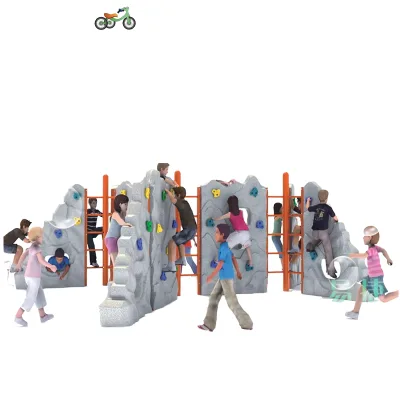


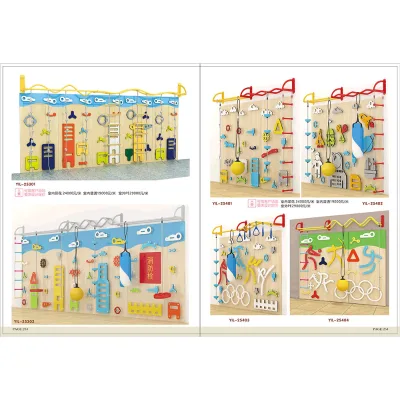

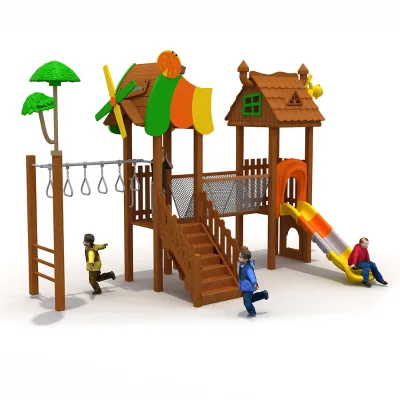


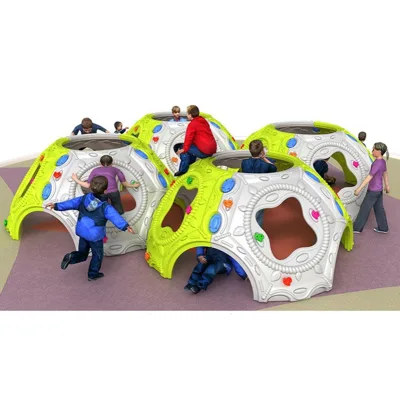
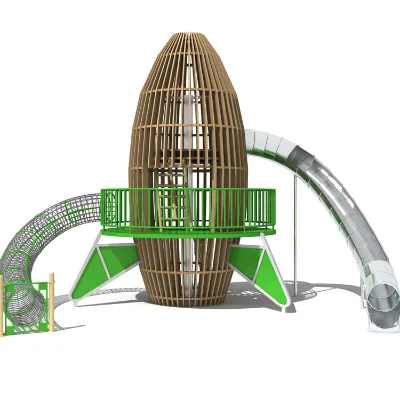


High Reinforced Climbing Panel Multiple Climbing Holds Rock Climbing Wall
$150.00 - $350.00
MOQ: 50 Square Meters


Customized Outdoor Climbing Wall Customized Themes for Kids Children's Outdoor Parks
$150.00 - $380.00
MOQ: 50 Square Meters
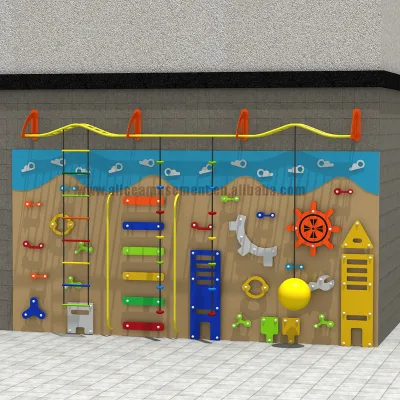

Playground Equipment Climbing Wall for Children Amusement Parks or Shopping Mall
$10000.00 - $100000.00
MOQ: 1 Pieces


Comprehensive Sourcing Guide
Outdoor Customized Climbing Wall Sourcing Guide
Procuring outdoor climbing walls for schools and parks requires balancing structural integrity with flexible design to meet diverse user needs. Buyers must prioritize suppliers who offer robust customization options, as standard models rarely fit unique site constraints. The market features products constructed from durable materials like plastic, aluminum, and laminated composites, ensuring longevity against weather exposure. Understanding these material distinctions is critical for selecting a wall that withstands heavy use while maintaining aesthetic appeal in public spaces.
Decision-makers should evaluate the versatility of the climbing structures, noting that many units are designed for both indoor and outdoor applications. This dual-purpose capability allows institutions to deploy the same equipment across different facilities, optimizing budget allocation. Furthermore, the availability of custom sizes and structures means that procurement teams can tailor the wall to specific age groups, from kindergartens to older students. This flexibility ensures that the climbing wall serves as a functional educational tool rather than just a static play structure.
Product Scope and Observed Listing Signals
The current market landscape reveals a wide range of climbing wall configurations, with observed prices spanning from ten to one hundred thousand US dollars. This broad spectrum reflects variations in complexity, material quality, and customization depth. Buyers should note that minimum order quantities typically range from one to fifty units, allowing for both single-site installations and multi-location deployments. Understanding these commercial signals helps in budgeting for projects that may require multiple units or extensive custom engineering.
Product listings frequently highlight specific attributes such as 3D embroidery for logos and graphic designs, which adds a professional touch for branded environments. The allowable passenger capacity often ranges from five to ten or more than ten users, indicating the scale of the structure. Additionally, the non-inflatable nature of these walls ensures stability and safety, distinguishing them from temporary or soft-play alternatives. These observed signals provide a baseline for comparing different supplier offerings and identifying products that align with specific project requirements.
Technical Specifications to Verify
Technical verification begins with confirming the material composition, as listings indicate the use of plastic, aluminum, PE, and wooden components. Each material offers distinct benefits, such as the durability of aluminum or the warmth and natural feel of wood. Buyers must verify the specific grade and treatment of these materials to ensure they meet outdoor durability standards. The wall type is often described as upside or specialized structures, requiring careful review of the engineering design to ensure proper load distribution and safety.
Size and model numbers are critical technical details that vary significantly across suppliers. Models such as FM-69, FM-22, and EJ indicate different structural designs, each with unique dimensions and capacities. Buyers should request detailed technical drawings to verify that the customized size fits the intended installation area. Additionally, the installation method, often described as direct hold assembling, must be assessed for ease of setup and long-term maintenance. Verifying these specifications prevents costly errors during the installation phase.
Compliance and Safety Documentation
Safety is paramount when sourcing climbing walls for educational and public environments. Buyers must ensure that suppliers provide comprehensive safety documentation, including structural integrity reports and load-bearing certifications. Although specific standard numbers may vary, the presence of standardized specifications or customized safety protocols is essential. Documentation should cover all aspects of the wall, from the climbing holds to the anchoring system, ensuring that every component meets rigorous safety benchmarks.
Furthermore, compliance with local regulations for public play areas and school facilities is non-negotiable. Buyers should verify that the product has undergone relevant testing for durability and impact resistance. The usage age range, typically specified as three to twelve years, must align with the target demographic to ensure appropriate difficulty levels. Ensuring that the climbing wall is suitable for children and meets all applicable safety standards protects the institution from liability and ensures a safe environment for users.
Cost Drivers and Commercial Terms
Several factors influence the final cost of a customized climbing wall, including material selection, size, and the extent of customization. High-quality materials like aluminum and specialized laminates command higher prices but offer superior longevity and performance. Buyers should also consider the cost of packaging, which can range from standard to wood packaging, depending on the fragility and size of the components. Understanding these cost drivers helps in negotiating better terms and avoiding hidden expenses during the procurement process.
Commercial terms such as lead times and payment structures vary among suppliers, making it essential to clarify these details early in the negotiation. The availability of personalized customization, including quantity choices and design elements, can impact both the price and the delivery schedule. Buyers should seek transparent pricing that breaks down costs for materials, labor, and shipping. Clear commercial terms ensure that the project stays within budget and that there are no surprises regarding additional fees or delays.
Supplier Qualification and Quality Control
Evaluating supplier qualifications is crucial for ensuring the reliability and quality of the climbing wall. Buyers should verify the supplier’s place of origin, with many reputable manufacturers located in regions like ZHE and Chongqing in China. These locations are known for their manufacturing expertise in playground equipment and climbing structures. Additionally, checking the supplier’s brand name and history can provide insights into their reputation and experience in the industry.
Quality control processes should be clearly defined and communicated by the supplier. Buyers should inquire about the inspection procedures for materials and finished products, ensuring that every unit meets the specified standards. The availability of standard or customized packaging indicates the supplier’s attention to detail in protecting the product during transit. Establishing a strong relationship with a qualified supplier ensures consistent quality and reliable support throughout the procurement process.
Long-Term Procurement Checks
Long-term success depends on the durability and maintainability of the climbing wall. Buyers should assess the warranty terms and after-sales support provided by the supplier, as these factors impact the total cost of ownership. Regular maintenance requirements, such as cleaning and inspecting climbing holds, should be clearly outlined to ensure the wall remains safe and functional over time. Understanding these long-term needs helps in planning for ongoing operational costs and resource allocation.
Additionally, buyers should consider the scalability of the procurement strategy, especially if the institution plans to expand its facilities. The ability to customize future orders and integrate new features can enhance the value of the initial investment. Building a relationship with a supplier who offers flexible customization and reliable support ensures that the climbing wall remains a valuable asset for years to come. This proactive approach to procurement minimizes risks and maximizes the benefits of the investment.
FAQs
Can the climbing wall be customized for school and park use?
Yes, the climbing wall supports full customization for specific environments. Buyers can choose the size, structure, and set configuration to fit indoor or outdoor spaces. The product allows personalized quantity choices and adaptable designs to meet unique facility requirements effectively.
What materials are used for the climbing wall construction?
The climbing wall is constructed from durable plastic, aluminum, PVC, and wood. Some versions use laminated materials for enhanced safety. These robust materials ensure longevity and stability, making the structure suitable for high-traffic areas like schools, parks, and commercial amusement centers.
What is the maximum capacity for the climbing wall?
The maximum capacity ranges from 100 to 500kg, with options exceeding 500kg for heavy-duty use. Custom capacity settings are also available to accommodate specific load requirements. This flexibility ensures the wall remains safe and stable for various user groups and usage intensities.
How is the climbing wall installed at the site?
Installation uses a direct hold assembling method for straightforward setup. The product comes in standard or customized packaging, including wood packaging for protection. This approach simplifies on-site assembly, reducing installation time and ensuring the structure is securely fixed for immediate use by children.
Where are the climbing walls manufactured and shipped from?
The climbing walls are manufactured in China, with origins in ZHE, Chongqing, and Yiwu. Products are shipped with standard or customized packaging to ensure safe transit. This global sourcing capability allows buyers to access reliable manufacturing hubs while maintaining consistent quality and delivery standards.
What age group is the climbing wall suitable for?
The climbing wall is designed for children aged 3 to 12 years. It is suitable for kindergartens, pre-schools, and educational play areas. The colorful and engaging design encourages physical activity and skill development, making it an ideal addition to schools, parks, and indoor play centers.