Source Castles Style Inflatable Trampoline for Park, Market, Amusement Park
Compare 30 Castles Style Inflatable Trampoline options from verified Chinese suppliers. Buyers can evaluate specifications like size, material, and certifications including CE and EN standards for use in parks, markets, and amusement parks; compare the available evidence and request quotations based on your requirements.
Key considerations
Products List


Colorful Inflatable Bouncer Castle with Slide Inflatable Kids Trampoline
$680.00 - $750.00
MOQ: 1 Pieces

Kids Inflatable Bouncer Castle Inflatable Bouncy Castle/Jumping Bouncer
$800.00 - $900.00
MOQ: 1 Pieces


Inflatable Jumping Castle with Slide Children Jumping Castle Trampoline
$800.00 - $1350.00
MOQ: 1 Pieces


Inflatable Trampoline Theme Park / Inflatable Indoor Obstacle Course
$8999.00 - $23999.00
MOQ: 1 Pieces

Popular Indoor Inflatable Trampoline Park Bouncer Playground Inflatable Theme Park
$8999.00 - $23999.00
MOQ: 1 Pieces
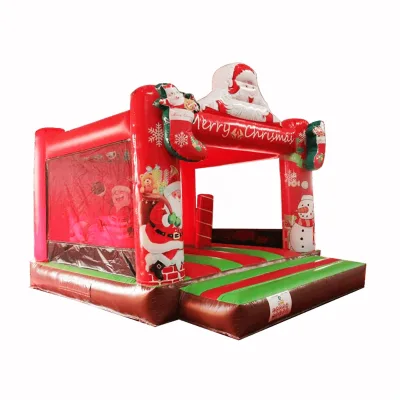

High quality birthday cake inflatable jumping bounce castle trampoline for party
$900.00 - $1000.00
MOQ: 1 Pieces

inflatable toys inflatable bouncer jumping castle trampoline playground For Indoor or Outdoor use
$50.00 - $80.00
MOQ: 1 Square Meters

Hot sale grey inflatable jumping castle bounce house trampoline for amusement park
$1600.00 - $1700.00
MOQ: 1 Pieces

Frozen snow princess inflatable bouncer jumping castle trampoline with slide
$799.00 - $1399.00
MOQ: 1 Pieces

Pirate ship inflatable castle bouncy house jumping trampoline for event rental
$2400.00 - $2500.00
MOQ: 1 Pieces

Customized Giant inflatable indoor amusement park Trampoline park For inflatable theme park
$50.00 - $80.00
MOQ: 1 Square Meters


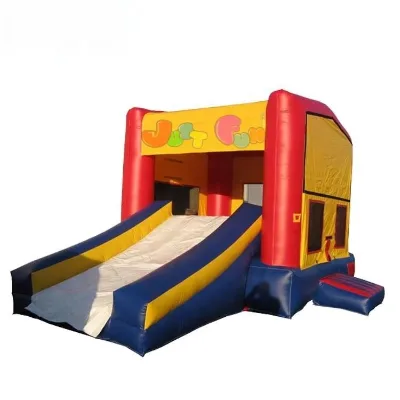

Inflatable Trampoline Exercise Adult Outdoor Commercial Gymnastic Trampoline on Sale
$175.00 - $205.00
MOQ: 100 Pieces
Comprehensive Sourcing Guide
Castles Style Inflatable Trampoline Sourcing Guide
Castles style inflatable trampolines combine the bounce and play features of a trampoline with the visual appeal of a castle-themed bouncer, making them a staple for rental operators, amusement parks, and community event organizers. When sourcing these products from Chinese manufacturers, buyers should approach listings as starting points for negotiation rather than fixed offers, since many suppliers advertise customizable units with sizes, themes, and accessories that vary order by order.
This guide walks through the full procurement cycle: defining the product scope, verifying technical specifications, confirming safety documentation, understanding cost drivers, qualifying suppliers, and setting up long-term quality checks. Each section focuses on one decision point so you can build a repeatable sourcing process rather than relying on a single transaction.
Product Scope and Observed Listing Signals
Listings for castles style inflatable trampolines on Chinese B2B platforms show a wide commercial spread. Observed price ranges run from around $50 to $30,000, and minimum order quantities range from 1 to 100 units, reflecting everything from small accessory items to large custom-built structures. Item names in this category include "Inflatable Bouncing House," "Inflatable Bouncer," and generic "inflatable jumping castle" model descriptors, so keyword searches should cover multiple naming conventions. Theme styles observed include Jungle and Animal designs alongside castle aesthetics, and usage environments listed by suppliers include parks, markets, amusement parks, squares, kindergartens, and community spaces.
Product condition and customization signals are equally important to read carefully. Some listings are marked "Customized" while others are "Non-Customized," meaning stock designs exist alongside made-to-order production. Age targeting also varies: one observed listing specifies suitability for children aged 7 to 14, while another states suitability for "Children or Adult," which changes structural and load requirements. Treat every listed attribute as an observation from that specific listing, not a category-wide guarantee, and confirm each attribute directly with the supplier before quoting.
Technical Specifications to Verify
Begin with dimensions and materials. Observed listings cite sizes such as 5.2×4m, 5x3x3.6mH, 5x4x4.5m, and 6×5×4m, with most suppliers explicitly offering "or customized" sizing, so your footprint, height, and ceiling-clearance requirements must be stated in writing. Material descriptions vary between PVC and tarpaulin, and one listing specifies a 0.55mm fabric thickness, which is a useful benchmark for discussion even if your supplier quotes a different value for a different model. Confirm seam construction, reinforcement points, and netting specifications, since these determine durability against the corrosion and tear resistance functions some listings claim.
Blower inclusion is a frequent point of confusion and should be settled before payment. Some listings state "Blower: Included" with carton packing for the blower, while others state "Un-Included," and packing methods range from PVC bags for inflatables to cartoon boxes for blowers. Also verify total weight, which observed listings place anywhere from 50–99kg for smaller units up to 250–300kg for larger structures, since weight drives freight cost. Request a full specification sheet covering voltage requirements for blowers, anchor point counts, and maximum user capacity per model.
Compliance and Safety Documentation
Certification claims in observed listings include CE, ENUL, RoHS, and a "CE Certificate" designation, but a listing claim is not proof of compliance. Ask each supplier for the actual certificate documents, verify the certificate number against the issuing body where possible, and confirm that the certificate covers the specific model and fabric batch you are ordering rather than an unrelated product line. Note that many inflatable industry buyers reference the EN 14960 standard for inflatable play equipment; while it appears in background context for this category, you should explicitly ask suppliers which standards their products are tested to and request the corresponding reports.
Documentation review should extend beyond certificates to the safety features built into the design. For a Castles Style Inflatable Trampoline intended for parks, kindergartens, and community use, confirm enclosure netting integrity, entrance and exit design, anchor point placement, and warning label languages. Ask whether the supplier provides repair kits as standard, since one observed listing includes a "PVC Bag, Repair Kit" accessory set. A supplier who can produce documentation promptly and explain test scope is generally more reliable than one who only repeats certification keywords.
Cost Drivers and Commercial Terms
Price variation from $50 to $30,000 in this category reflects real structural differences, so decompose the quote before comparing suppliers. Major drivers include overall size and material thickness, blower inclusion, customization level (stock castle designs versus fully bespoke themes and logos), and packing method. Logos can be customized per observed listings, which typically adds setup cost but strengthens brand value for rental fleets. Weight between roughly 50kg and 300kg materially changes sea freight cost, so ask for gross and net weights with packing dimensions before comparing landed costs.
Commercial terms observed in listings include payment via T/T and Western Union, and shipping by sea, air, or express. Sea freight is standard for heavy inflatables, while air or express suits samples and urgent replacements. Confirm what the quoted price includes: blowers, repair kits, PVC storage bags, anchoring hardware, and packaging. Warranty terms matter equally; one listing states a 1-year warranty, but you should clarify in writing what the warranty covers—material delamination, seam failure, blower defects—and whether replacement parts or repairs are shipped at supplier cost. Agree on production timelines and deposit structures before placing the first order.
Supplier Qualification and Quality Control
Qualify suppliers on demonstrated capability rather than listing polish. Origin signals in observed listings point to Guangzhou and Guangdong, China, regions with dense inflatable manufacturing clusters, but cluster location does not guarantee quality. Prioritize suppliers who answer specification questions precisely, provide factory photos or video walkthroughs, and can explain the difference between their stock castle designs and their custom production process. Check how long they have exported to your market and request references from rental operators or park buyers with similar usage intensity.
Quality control should be embedded into the order, not left to chance. Request pre-production confirmation of the design proof, especially for customized castle graphics, logos, and color schemes. Require photographs of the finished unit before shipment, covering seams, stitching, netting, anchor points, and the blower. For first orders, consider a factory inspection or third-party check where feasible. Define acceptance criteria in the purchase contract: material thickness tolerance, size accuracy, air-tightness duration, and accessory completeness. Suppliers whose listings show detailed, consistent attributes—packing method, weight, warranty—tend to have more mature production documentation than those with sparse listings.
Long-Term Procurement Checks
Plan the first order as a validation cycle. Order a sample or small production run, inspect it against the agreed specification sheet, and test it under real conditions—continuous blower operation, multi-user loading appropriate to the stated age range, and setup/takedown cycles that rental fleets demand. Record defect types and frequencies, and share findings with the supplier to establish a corrective-action loop. A 1-year warranty is only valuable if the supplier honors claims efficiently, so document any early failures with photos and agreed remedies in writing.
Long-term value comes from standardizing your fleet around a small number of validated designs and suppliers. Once a castle model passes field testing, lock the specification—including 0.55mm-class fabric where agreed, blower voltage for your market, and packing format—so repeat orders are directly comparable. Track wear patterns on high-stress areas such as entrance steps, bounce floors, and netting seams to inform replacement intervals and material upgrades. Maintain a documented audit trail of certificates, test reports, and correspondence for each supplier, refreshing certificates annually so that safety documentation remains current as regulations and your customer venues evolve.
FAQs
What materials are used for castles style inflatable trampolines?
Most listings use PVC or tarpaulin with a fabric thickness around 0.55mm, giving resistance to corrosion and tearing. This thickness is common for bouncing surfaces and walls on such inflatables. Actual material composition can vary between models, so buyers should confirm the exact PVC grade, tarpaulin type, and stitching details with each supplier before ordering.
How much do these inflatable trampoline castles weigh?
Observed weights range from about 50 to 99 kilograms for smaller units up to 250 to 300 kilograms for larger jumping castles. Weight affects shipping cost, handling, and storage, so confirm the figure for the specific model. Heavier units usually need more people or equipment to move and set up on site.
Can the inflatable trampoline castle be customized with my logo?
Yes, customization is available and logos can be added on many listed models. Suppliers also accept custom sizes, since several products state standard dimensions like 5x3x3.6m or 5x4x4.5m with customized options. Discuss artwork files, logo placement, color themes, and any additional customization cost before confirming your order with the factory.
How are castles style inflatable trampolines packed for shipping?
Inflatables are typically packed in PVC bags, while blowers ship in cartons. Some models use carton packing or bubble pack with well paper, stretch films, and strong wood framing. Shipping can be arranged by sea, air, or express depending on order size and urgency, so confirm packing details with your chosen supplier.
What sizes are available for these inflatable jumping castles?
Listed sizes include 5.2x4m, 5x3x3.6m high, 5x4x4.5m, and 6x5x4m, with customization generally available. Choose size based on your venue, whether a park, amusement park, square, kindergarten, or community space. Larger sizes usually weigh more and cost more, so confirm final dimensions and floor space requirements before ordering.
What certifications do these inflatable trampoline castles have?
Listings show CE certification on many models, with some also listing ENUL or RoHS. Certification indicates the product meets certain safety and quality requirements, but coverage varies by model. Always request the actual certificate documents for the specific item and verify they are current before placing a bulk order.
What warranty and accessories come with these inflatables?
Several listings include a one year warranty, along with a PVC bag and repair kit as accessories. Blowers may be included or excluded depending on the model, so check each product's configuration. The repair kit helps handle minor punctures on site, and warranty terms should be confirmed in writing with the supplier.
What payment and shipping options can buyers expect?
Listings indicate payment by T/T or Western Union and shipping by sea, air, or express. Sea freight suits large orders where cost matters, while air and express suit urgent or sample orders. Confirm payment terms, deposit ratio, shipping method, and responsibility for customs clearance directly with each supplier before ordering.