Source Waterproof Kids Electric Train for Parks, Playgrounds, and Events
Find 30 Waterproof Kids Electric Train models suitable for amusement parks, indoor play areas, and outdoor events. Compare specifications such as seat capacity, voltage, and certification to select the right ride for your business needs; compare the available evidence and request quotations based on your requirements.
Key considerations
Products List


Kids Electric Bumper Car, Children Track Train for Sale, Sliding Rides
$1000.00 - $5000.00
MOQ: 1 Pieces

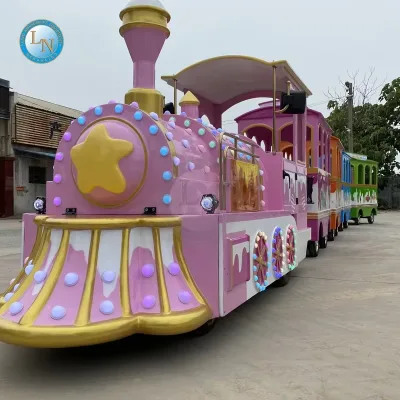

Mini Amusement Kiddie Electric Kids Rides Children Electric Track Train for Sale
$1120.00 - $3000.00
MOQ: 1 Pieces


Children Amusement Park Children Small Track Electric Train for Playground
$3000.00 - $5000.00
MOQ: 1 Pieces


Kids Amusement Park Ride Electric Small Track Train for Children Park
$4120.00 - $13500.00
MOQ: 1 Pieces
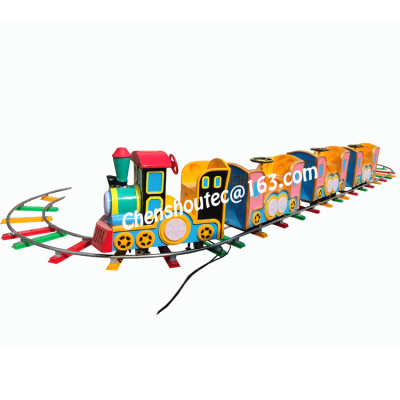


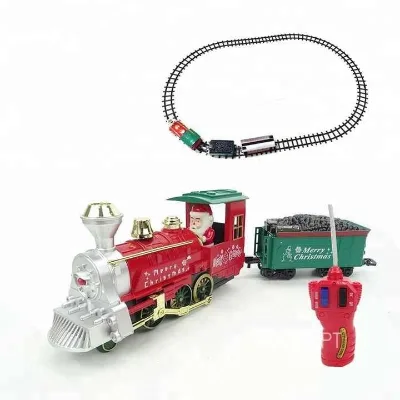
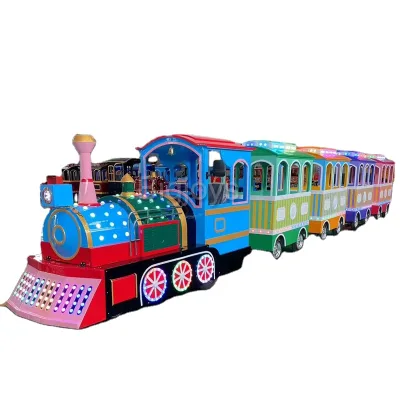
Customer Design Reasonable Price Outdoor Electric Toy Mini Train for Kids Made in China
$5088.80 - $12213.11
MOQ: 1 Minimum
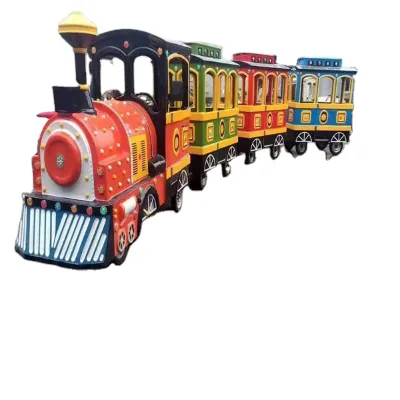
CE Certified Train Ride for Kids Trackless Electric Toys Park Train Fabrication Services Product
$3061.64 - $5102.73
MOQ: 1 Minimum


42 Seats Electric Train Wholesale Children Outdoor Kids Trackless Electric Train
$10000.00 - $39999.00
MOQ: 1 set

Trackless Train Children Electric Train Rides Children Electric Train for Kids
$10000.00 - $50000.00
MOQ: 1 set

New London Style 20 Seats Tourist Train Kids Outdoor Rides Electric Train
$10000.00 - $30000.00
MOQ: 1 set

Electric Sightseeing Train Kids-Friendly Rail for Outdoor Playground Customizable
$33000.00 - $33700.00
MOQ: 1 Pieces


Comprehensive Sourcing Guide
Waterproof Kids Electric Train Sourcing Guide
Procuring waterproof electric trains for amusement parks requires balancing durability with the specific age demographics of your target audience. The observed market data indicates models designed for children aged 3 to 18 years, with specific variants catering to toddlers under three or adults over eighteen. Buyers must verify that the waterproofing capabilities align with outdoor usage requirements, as these units are frequently deployed in environments exposed to rain and humidity.
Selection should also account for the physical footprint and capacity constraints of your venue. Listings show track diameters ranging from 6 meters to 10 meters, with carriage configurations offering between 4 and 14 seats per unit. Understanding these spatial and capacity variables is essential before engaging suppliers, as the physical dimensions directly impact installation logistics and the maximum number of passengers the ride can safely accommodate per hour.
Product Scope and Observed Listing Signals
The product scope for waterproof electric trains encompasses both indoor and outdoor ride applications, necessitating robust construction materials that withstand varying weather conditions. Suppliers typically offer customization options for track diameter and carriage layouts, allowing operators to tailor the ride experience to specific site constraints. The observed listings confirm that these units are generally sold as new equipment, ensuring that buyers receive modern, reliable machinery rather than refurbished or used assets.
Commercial signals in the market reveal a wide variance in pricing and minimum order quantities, ranging from single-unit purchases to bulk orders of up to 240 sets. While some listings indicate a minimum order of one set, others suggest higher thresholds depending on the specific model and customization level. Buyers should carefully review the listed price ranges, which span from affordable entry-level units to high-end luxury configurations, to ensure the selected product fits within their capital expenditure budget.
Technical Specifications to Verify
Technical verification must begin with the electrical system, specifically the input and output voltage requirements. Most observed models operate on a 220V input voltage, stepping down to a 24V output for the train motors, which is critical for ensuring safe operation for young children. Buyers should confirm that the power supply infrastructure at their site matches these specifications to prevent electrical failures or safety hazards during operation.
Capacity and weight limits are equally critical parameters that define the operational safety of the ride. The observed data highlights a maximum capacity range of 100 to 500 kilograms, with specific models weighing approximately 400 kilograms and occupying a volume of 8 to 15 cubic meters. Operators must ensure that the selected train model does not exceed the structural load limits of the installation site while providing sufficient seating for the intended passenger flow.
Compliance and Safety Documentation
Safety compliance is non-negotiable for amusement rides, and buyers must demand valid certification documents before finalizing any purchase. The market data frequently references CE certification, with some listings also mentioning SGS and UL standards. It is imperative to verify that the specific model being purchased holds current, valid certificates that correspond to the region where the ride will be installed, as regulatory requirements vary significantly across different jurisdictions.
Documentation should also include detailed safety manuals and operational guidelines that address the specific age groups the ride is designed for. Listings indicate that some models are suitable for children aged 3 to 13, while others cater to different age brackets. Buyers must ensure that the provided safety documentation clearly outlines age restrictions, weight limits, and emergency procedures to maintain a safe environment for all passengers and to satisfy local regulatory inspections.
Cost Drivers and Commercial Terms
Several factors drive the final cost of a waterproof electric train, including the level of customization, the complexity of the track system, and the materials used for construction. Customized track diameters and specific carriage configurations often incur additional charges compared to standard models. Additionally, the inclusion of advanced safety features or premium finishes can significantly increase the base price, requiring buyers to prioritize their essential requirements to manage costs effectively.
Commercial terms and payment structures also play a vital role in the total cost of ownership. Suppliers typically offer flexible payment terms such as L/C, T/T, and Western Union, alongside various trade terms like FOB, EXW, CIF, and CFR. Buyers should negotiate these terms carefully to align with their cash flow needs and to mitigate risks associated with international shipping, ensuring that the financial agreement supports a smooth procurement process from order placement to delivery.
Supplier Qualification and Quality Control
Supplier qualification involves verifying the manufacturer's origin and their track record in producing amusement rides. The majority of observed listings indicate that these products originate from China, a major hub for electric train manufacturing. Buyers should conduct due diligence to confirm the supplier's production capabilities, ensuring they have the necessary infrastructure to maintain consistent quality standards and to fulfill orders within the agreed-upon lead times.
Quality control measures must be established before production begins to ensure the final product meets all safety and performance expectations. Buyers should request detailed inspection reports and, if possible, arrange for third-party inspections prior to shipment. Given that the products are packed in wooden boxes or standard export packages, verifying the packaging integrity is also crucial to prevent damage during transit, especially for large units with significant volume and weight.
Long-Term Procurement Checks
Long-term procurement success depends on establishing a reliable supply chain for spare parts and ongoing maintenance support. Buyers should confirm that the supplier offers a comprehensive warranty and has a readily available inventory of critical components such as motors, controllers, and track sections. This ensures that any operational downtime can be minimized through quick repairs, maintaining the ride's availability and revenue generation potential.
Regular performance audits and safety re-certifications are essential for the continued safe operation of the electric train. Operators should schedule periodic inspections to check for wear and tear, particularly in the waterproofing seals and electrical connections. By maintaining a proactive approach to maintenance and staying informed about any updates to safety standards, buyers can ensure the longevity of their investment and the continued safety of their guests.
FAQs
What is the maximum passenger capacity for these electric trains?
The maximum capacity varies by model, with some units supporting over 500kg and others ranging from 100-500kg. Specific configurations include 14 seats or 8 seats per carriage. Buyers should verify the exact allowable passenger count against the specific model's certification and weight limits to ensure safe operation for the intended age group.
Can these trains be customized for specific amusement parks?
Yes, customization is available for track diameter, carriage count, and seating arrangements. Models offer options like a 6m or 10m diameter track and varying seat counts. Manufacturers accept OEM requests and can adjust specifications to fit indoor or outdoor ride environments, ensuring the equipment meets the unique spatial and operational requirements of your facility.
What certifications are required for these electric train rides?
Most models hold CE certification, with some also featuring SGS and UL standards. These certifications ensure compliance with safety regulations for children aged 3-18 years. Buyers should request specific certificate documents for the chosen model to verify that the electrical input voltage and mechanical safety features meet local market requirements for amusement park installations.
What is the typical shipping volume and packaging method?
Packaging varies by product type, using wooden boxes or standard export packages for rigid trains, and PVC bags with carton blowers for inflatables. Shipping volumes range from 8cbm to 18cbm depending on the model size. Suppliers typically offer FOB, EXW, or CIF terms, with shipment options available by sea or air to global destinations.
What is the minimum order quantity for these rides?
The minimum order quantity is typically one set or one piece, allowing for flexible procurement. This low MOQ enables buyers to test specific models like the BJ-ET29 or BJ-ET12 before committing to larger orders. Payment terms often include L/C, T/T, or Western Union, facilitating secure transactions for initial equipment purchases.
Where are these electric trains manufactured and shipped from?
These products are manufactured in China and shipped globally via sea or air freight. The origin is clearly stated as Made in China, with various models available for immediate sourcing. Buyers can expect standard export packaging to protect the equipment during transit, ensuring that the electric trains arrive in new condition ready for installation at amusement parks.