Source Cold Resistant Inflatable Snow Tube for Skiing, Sledding, Winter Outdoor Play
Browse 30 listings for Cold Resistant Inflatable Snow Tube products and compare sizes, materials such as rubber and PVC, colors, packing options, and customization support for snowfield leisure use. Filter by applicable age group, packaging, and price range to shortlist suitable winter sledding options for your market.
Key considerations
Products List
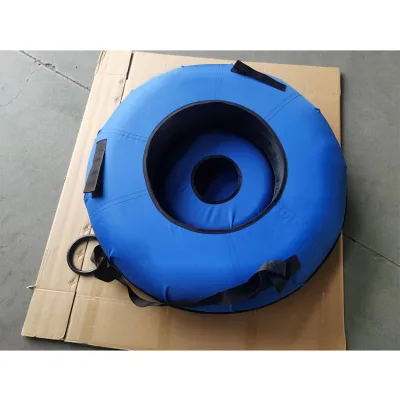
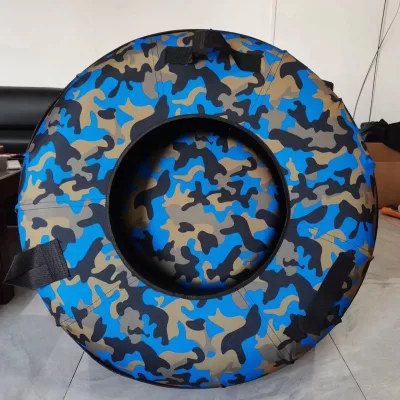
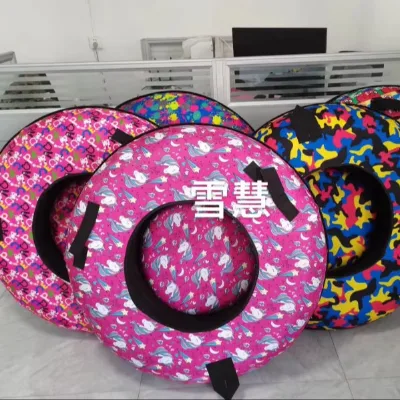
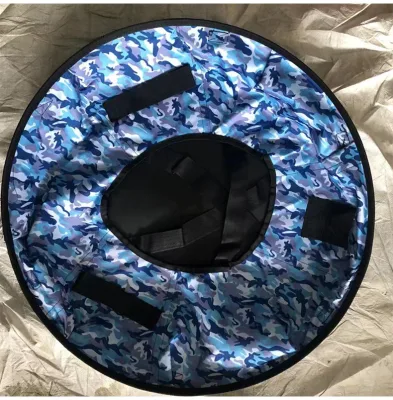
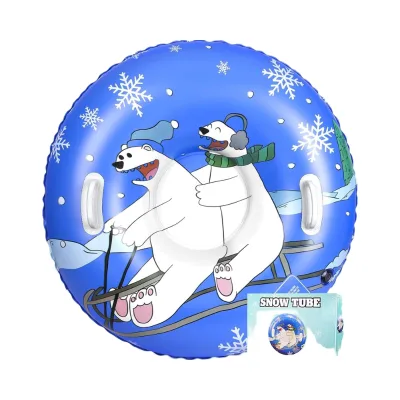

Outdoor Sliding Inflatable Snow Tubes
$5.30 - $29.90
MOQ: 1000 Pieces
Nanchang ICE BEAR Cooling and Warming Household Products Co., Ltd.

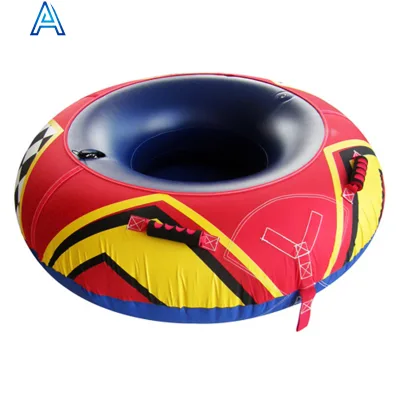
Inflatable PVC Snow Ring Snow Sled Snow Tube
$5.30 - $29.90
MOQ: 1000 Pieces
Nanchang ICE BEAR Cooling and Warming Household Products Co., Ltd.


47'' Inflatable River Snow Tube Snow Sledding Tube
$5.30 - $29.90
MOQ: 1000 Pieces
Nanchang ICE BEAR Cooling and Warming Household Products Co., Ltd.


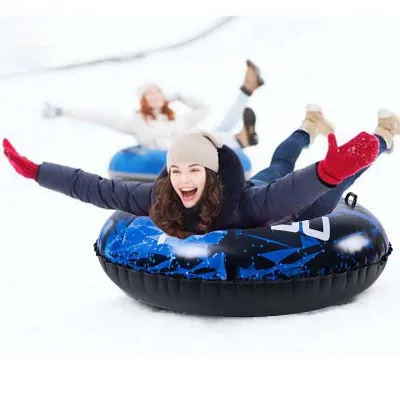
Outdoor Thick and Cold-Resistant Winter Snow Tube
$5.30 - $29.90
MOQ: 1000 Pieces
Nanchang ICE BEAR Cooling and Warming Household Products Co., Ltd.


Sledge Snow Sled/Tube Colorful Durable Snow Ski Toys Inflatable Snow Tube
$5.00 - $30.00
MOQ: 1 Pieces

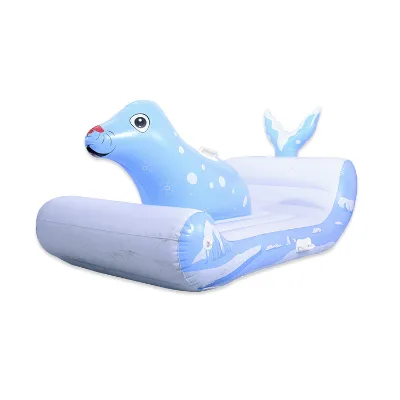


Winter Outdoor Thicken PVC Hard Bottom Heavy Duty Inflatable Snow Tube
$14.80 - $15.00
MOQ: 500 Pieces




Comprehensive Sourcing Guide
Cold Resistant Inflatable Snow Tube Sourcing Guide
Cold resistant inflatable snow tubes are seasonal winter-leisure products bought in volume by outdoor retailers, ski resorts, rental operators, and promotional gift distributors. Because these products sit on snow and ice for extended periods and are repeatedly inflated, dragged, and ridden, the core buying decision is not visual appeal but material behavior at low temperatures. A tube that cracks or loses air in freezing conditions generates returns, safety incidents, and reputational damage that far outweigh any unit-price savings. Buyers should therefore treat cold-weather durability, seam integrity, and valve reliability as primary evaluation criteria, with price as a secondary filter.
This guide structures the procurement process around the listing signals observed on current product pages, the technical specifications that separate usable tubes from fragile ones, and the commercial and quality-control checks that protect a seasonal order. It is written for B2B buyers planning first-time or repeat orders, including those considering customized sizes, colors, or packaging. The intent is to make each sourcing stage — from spec confirmation to long-term supplier management — deliberate rather than driven by the lowest quoted figure.
Product Scope and Observed Listing Signals
Current listings cover a recognizable product family: inflatable snow tubes and sleds in sizes ranging from roughly 70 cm to 120 cm, with common diameters at 80, 90, 100, and 110 cm. Materials are dominated by PVC and rubber constructions, and several listings explicitly state "completely waterproof" construction with machine-washable care instructions. Observed branding includes names such as florescence, xuehui, and YUCALO, with origins concentrated in Hebei and Guangdong, China. Price observations span approximately USD 5 to 101.43, and MOQs range from single-item sales to 3,000 units, indicating both retail-style and factory-style listings on the same search surface.
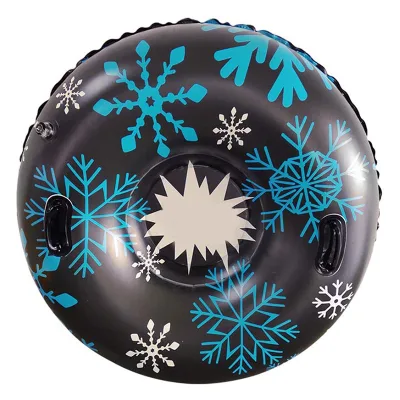
Buyers should treat these attributes as observations, not guarantees, because a single search result set can mix trading companies, small workshops, and established factories. Notable listing details include: applicability to snowboarding and skiing contexts, snowfield and leisure usage, child and adult user groups, themed designs such as dinosaurs and polar bears, color options including blue, light blue, snowflake, and Mideer prints, packaging in OPP bags or color boxes, and stated eco-friendly and portable features. Customization is repeatedly flagged as available, which matters for private-label programs.
Technical Specifications to Verify
The single most important specification is the cold-resistant grade of the PVC or rubber compound. Standard PVC stiffens and cracks below certain temperatures, so buyers must request written confirmation of the material's tested low-temperature performance rather than accepting a "winter use" label. Ask for the exact compound designation, whether cold-resistant plasticizers are used, and what minimum service temperature the supplier's own data supports. For rubber variants, confirm the elastomer type and whether the formulation is rated for prolonged snow contact. Wall thickness and layered construction should also be documented, as thin single-layer material fails fastest at seams and slide surfaces.
Beyond material, verify structural details: seam welding method (high-frequency welding versus glued seams), the number and type of air valves, reinforcement around handles, and whether handles, tow points, and the sliding base are welded or bonded separately. Size tolerance matters for retail packaging and resort rental fleets, so confirm measured diameter when inflated versus flat. Finally, request the deflated and packed dimensions, single package size, and gross weight — one observed listing cites a package of roughly 36.4 × 36.4 × 11.5 cm and 4.218 kg gross — to model freight and shelf-space costs accurately before ordering.
Compliance and Safety Documentation
Snow tubes touch skin, are used by children, and are inflated by mouth or pump, so compliance documentation should be requested before sampling, not after. Buyers selling into regulated markets should verify which chemical-restriction requirements apply to their destination — for example, restrictions on phthalates and heavy metals in PVC — and ask the supplier to state which tests their material has actually passed. Do not accept an "eco-friendly" listing attribute as evidence of certification; instead, request the underlying reports and confirm they were issued for the specific compound and thickness you are ordering. Listings that cite a product standard or a stated size range (such as 96 cm or 120 cm with customization) should be matched against your own sample measurements.
Safety documentation should also cover inflation and usage guidance. Confirm the supplier can supply printed or printed-ready warnings covering maximum user weight, age recommendations (listings show both child and adult variants), proper inflation pressure, and prohibition of use near obstacles, roads, or slopes not designated for sledding. If handles and tow ropes are included, check for strangulation or entanglement warnings appropriate to the destination market. Keep all documentation versioned by shipment, because material substitutions between seasons are common in this category.
Cost Drivers and Commercial Terms
Observed prices range from about USD 5 to over USD 100, which reflects genuine differences in product class: thin recreational tubes, thicker cold-resistant tubes, and larger 110–120 cm rental-grade items occupy different cost tiers. The main cost drivers are material grade (cold-resistant PVC commands a premium over standard film), wall thickness and layering, seam welding method, valve and handle count, printing complexity for themed designs, and packaging choice between OPP bags and color boxes. Customization — custom colors, sizes, logos, and standard sizes such as 96 cm or 120 cm — adds tooling and setup costs that should be quoted separately from the unit price.
Commercial terms deserve equal attention. Observed MOQs span 1 to 3,000 units, so confirm which MOQ applies to your exact configuration; customized colors and sizes usually carry higher MOQs than stock designs. One listing notes payment by T/T and PayPal, and terms of payment should be negotiated against order size and customization level — larger custom orders typically justify staged payments tied to sample approval and pre-shipment inspection. Clarify whether quoted prices include packaging as specified (OPP bag versus color box), whether the selling unit is a single item, and how seasonal production capacity affects lead time, since winter-goods factories concentrate output in autumn.
Supplier Qualification and Quality Control
Qualify suppliers through evidence rather than listing claims. Because origins cluster in Hebei and Guangdong, expect to compare manufacturers, assemblers, and traders; ask each candidate whether they produce the welded tube body in-house or buy semi-finished blanks, since in-house production gives better control over the cold-resistant compound and seam quality. Request business licenses, factory photos or video walks-through, and references from other winter-product buyers. A supplier quoting "completely waterproof" and "eco-friendly" should be able to back those attributes with material data and sample testing, and should confirm whether packaging (100-piece counts appear in listings) matches your retail requirements.
Quality control should be anchored in a written inspection protocol executed on golden samples. Key checks include: inflated diameter and visual symmetry, seam weld strength and absence of pinholes, valve air-tightness over a defined dwell period, handle pull strength, and material flexibility after cold exposure at the temperature the supplier claims. Define AQL sampling levels in the purchase contract and decide whether you will rely on supplier self-inspection, third-party inspection, or pre-shipment attendance. For custom designs, approve pre-production samples for both artwork and weld quality, and record the approved sample as the dispute standard for the season's shipments.
Long-Term Procurement Checks
Treat the first season as a qualification period. Track field-failure data — seam splits, valve leaks, handle detachments, and cold-cracking incidents — by shipment batch, and share the failure analysis with the supplier before reordering. This feedback loop is especially valuable in a category where material compounds can change silently between production runs. Confirm annually that the compound specification, wall thickness, and supplier of raw material remain unchanged, and re-test samples from each new production lot against the golden sample, because a cheaper substitute film can pass a visual check yet fail in cold service.
Long-term commercial checks matter equally. Reconfirm MOQs, payment terms, and price breaks each season, since PVC raw-material prices move and seasonal capacity tightens. If you run a private-label program, keep ownership of molds, artwork files, and size specifications (for example, your chosen mix from the 70–120 cm range) documented in the contract so you can move suppliers without redesigning the line. Finally, diversify risk by qualifying a second source before you need one, and review packaging and warning-label compliance each year against your destination market's current requirements rather than assuming last season's approval still applies.
FAQs
What materials are used for cold resistant inflatable snow tubes?
These snow tubes are typically constructed from durable PVC or rubber materials designed to withstand freezing temperatures. The materials ensure the product remains flexible and resistant to cracking in winter conditions. This construction supports reliable performance for sledding and snowfield activities while maintaining structural integrity during outdoor use.
Can I customize the size and color of the snow tube?
Yes, customization is available for both size and color options. Buyers can select from standard dimensions such as 80cm, 90cm, 100cm, or request specific model numbers like 70cm to 120cm. Color choices include blue, light blue, or custom designs, allowing for tailored branding or aesthetic preferences for the final product.
What is the typical MOQ for ordering inflatable snow tubes?
The minimum order quantity ranges from 1 to 3000 units depending on the supplier and customization requirements. Standard items may have lower MOQs, while customized designs with specific packaging or branding often require higher volumes. Buyers should verify the exact MOQ with the manufacturer to align with their procurement budget and inventory needs.
Are these snow tubes suitable for both adults and children?
Yes, the product line includes options applicable to both adults and children. Specific models are designed for adult use, while others feature child-friendly designs such as dinosaurs or polar bears. The variety in size and application ensures that users of different age groups can find a suitable snow tube for leisure and sports activities.
How are the snow tubes packaged for shipping?
Packaging typically includes OPP bags or color boxes, with some items packed in cartons for bulk shipping. The single package size is approximately 36.40x36.40x11.51 cm, and the gross weight is around 4.218 kg. This packaging ensures safe transport and protection of the inflatable tubes during logistics from the place of origin.
What payment terms are accepted for bulk orders?
Common payment terms include T/T and PayPal for secure transactions. These methods facilitate smooth financial processing for both small and large orders. Buyers should confirm the specific payment terms with the supplier to ensure alignment with their company's financial policies and to avoid any delays in order processing or shipment.