Source Luxury Recyclable Glass Dropper Bottle for Lotion Perfume Serum
Explore 30 listings for Luxury Recyclable Glass Dropper Bottle options suitable for lotion, perfume, and serum applications. Buyers can compare capacities ranging from 5ml to 100ml, closure types, and customization services from verified suppliers.
Key considerations
Products List


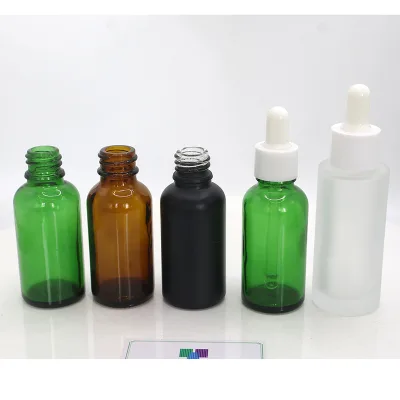
Cosmetic Dropper Bottles Matte Glass Luxury Essential Oil Bottle with Packaging
$0.19 - $0.35
MOQ: 5000 Pieces

Glass Dropper Bottles Wholesale 100ml Essential Oil Bottle 1oz with Box Customize
$0.19 - $0.35
MOQ: 5000 Pieces


Comprehensive Sourcing Guide
Strategic Sourcing Guide for Luxury Recyclable Glass Dropper Bottles
Defining Technical Specifications and Material Integrity
When sourcing luxury glass dropper bottles, the primary objective is to align material science with aesthetic expectations while ensuring functional reliability. The core product category under consideration is the glass dropper bottle, specifically designed for high-value applications such as lotions, perfumes, essential oils, and serums. The observed market data indicates a predominant use of glass as the primary container material, offering the necessary chemical inertness and premium feel required for luxury branding. The standard capacity range observed in current listings spans from 5 ml to 50 ml, with specific model variations extending up to 100 ml. Buyers must verify that the selected supplier can accommodate the specific volume requirements of their formulation, as the standard offerings include 5ml, 10ml, 15ml, 20ml, 25ml, 30ml, and 50ml configurations, with custom sizes also available.
The structural integrity of the bottle is defined by its shape and color options. The standard geometric form is round, which facilitates ergonomic handling and efficient shelf display. Regarding visual customization, the glass is available in clear variants, as well as amber, blue, and black options. These color choices are not merely aesthetic; they often serve a functional purpose by protecting light-sensitive formulations from degradation. The closure system is a critical technical component. The observed data highlights a screw cap mechanism as a standard feature, paired with a rubber stopper for sealing. This combination ensures an airtight environment, which is vital for preserving the potency of essential oils and serums. Furthermore, the cap material is diverse, with options including ABS, PP, wood, Surlyn, acrylic, plastic, Zamac, and leather. This variety allows procurement teams to match the cap material to the brand's luxury positioning, ranging from industrial-grade plastics to natural wood or metallic finishes.
Compliance, Certification, and Regulatory Verification
In the luxury cosmetics and fragrance sectors, regulatory compliance is non-negotiable. While specific certification statuses vary by supplier, the presence of ISO certification is a documented attribute in the current market data, serving as a baseline indicator of quality management systems. Buyers should explicitly request proof of ISO compliance rather than assuming it applies to all listed products. Additionally, while FSC certification is mentioned in background contexts, it should not be treated as a guaranteed standard for every glass dropper bottle without direct verification from the manufacturer. The origin of the product is a significant factor in compliance, with the majority of observed listings indicating production in China. This geographical origin necessitates a thorough review of export standards and any specific regulatory requirements for the destination market, such as FDA regulations in the United States or EU cosmetic regulations in Europe.
The "Luxury" designation often implies adherence to higher environmental and safety standards. Buyers must verify that the glass used is recyclable and that the production process minimizes waste. The standard export packaging, which includes carton boxes, pallets, and paper dividers, suggests a commitment to protecting the product during transit, but this does not automatically equate to sustainable packaging practices. Procurement teams should inquire about the recyclability of the specific glass type and the cap materials. For instance, while glass is inherently recyclable, the combination with plastic or metal caps requires separation protocols. The "Custom" sealing type and "Customized Service" attributes indicate that suppliers are flexible, but this flexibility must be balanced against the need for consistent regulatory adherence. Buyers should demand documentation regarding the safety of the rubber stoppers and the caps to ensure they do not leach harmful substances into the product.
Cost Drivers and Pricing Structure Analysis
Understanding the cost structure of luxury glass dropper bottles is essential for budget planning and margin analysis. The observed price range in the market is between $0.01 and $2.80 USD per unit. This wide variance is driven by several key factors, including the complexity of the glass mold, the quality of the cap material, and the extent of customization. A basic clear glass bottle with a standard plastic cap will likely fall at the lower end of this spectrum, while a bottle featuring an amber glass body, a wooden or Zamac cap, and custom branding will command a price closer to the upper limit. The "Luxury" aspect often correlates with higher unit costs due to the premium materials and more intricate manufacturing processes required.
Minimum Order Quantity (MOQ) is another critical cost driver. The observed MOQ range spans from 100 to 10,000 units. Suppliers with higher MOQs, such as those requiring 10,000 units, may offer lower per-unit costs due to economies of scale, but they require significant capital commitment. Conversely, suppliers with lower MOQs provide flexibility for startups or limited-edition launches but may charge a premium per unit. Lead times also influence cost; a standard lead time of 7 to 15 days is observed, but expedited orders or complex customizations may extend this period, potentially incurring rush fees. Buyers should calculate the total cost of ownership, including shipping, duties, and potential inventory holding costs, rather than focusing solely on the unit price. The availability of free samples is a common attribute, allowing buyers to test quality before committing to a large order, which can mitigate the risk of costly errors in the procurement process.
Typical Applications and Market Positioning
The versatility of glass dropper bottles makes them suitable for a wide array of high-end applications. The primary usage categories identified include cosmetics, lotions, perfumes, essential oils, and serums. The specific model "DROPPER BOTTLE 010" and "essential oil bottle" designations highlight the product's adaptability across different product lines. For essential oil brands, the amber or blue glass options are particularly valuable as they protect the volatile compounds from UV light. In the skincare sector, the clear glass bottles are often preferred for serums where the product's visual appeal is a selling point. The "Cosmetic" industrial use classification confirms that these bottles are designed to meet the rigorous standards of the beauty industry.
The customization options play a pivotal role in market positioning. The ability to customize the logo, color, and shape allows brands to create a unique identity on the shelf. The "Customized Service" and "ODM/OEM: Acceptable" attributes indicate that suppliers can tailor the product to specific brand requirements, from the bottle shape to the packaging design. This level of customization is essential for luxury brands that rely on distinct visual cues to differentiate themselves in a crowded market. The "Great" quality attribute observed in the data suggests that these bottles are generally well-received for their aesthetic and functional performance, but buyers should still conduct their own quality assessments to ensure the product meets their specific brand standards. The packaging options, ranging from simple paper packs to robust export cartons with pallets, further enhance the product's suitability for various distribution channels, from direct-to-consumer e-commerce to large-scale retail.
Supplier Evaluation and Selection Criteria
Selecting the right supplier is a critical step in the procurement process. The market data indicates a concentration of suppliers in China, which offers competitive pricing but requires careful vetting. Buyers should evaluate suppliers based on their ability to meet the specific technical and compliance requirements outlined earlier. Key evaluation criteria include the supplier's experience with luxury packaging, their capacity for customization, and their track record for on-time delivery. The "ODM&OEM: Yes" and "Other Service: Customized Service" attributes suggest that many suppliers are capable of handling complex orders, but buyers should verify the depth of their expertise.
Quality control is another vital aspect of supplier evaluation. The presence of ISO certification is a positive indicator, but it should be supplemented with requests for recent quality control reports and test results. Buyers should also assess the supplier's sample policy, as the "Free Sample" and "Free Sample" attributes are common. However, the quality of the free sample should not be assumed to represent the final production run. It is advisable to request samples from different production batches to ensure consistency. The lead time of 7 to 15 days is a standard benchmark, but buyers should confirm the supplier's ability to meet this timeline during peak seasons. Additionally, the supplier's communication responsiveness and willingness to collaborate on custom designs are important soft skills that can significantly impact the success of the procurement project.
Quality Control and Long-Term Procurement Strategy
Implementing a robust quality control (QC) strategy is essential for maintaining brand integrity. Given the "Great" quality attribute observed, buyers should still establish a rigorous QC protocol. This includes visual inspections for defects such as bubbles, scratches, or uneven coloring in the glass. Functional testing of the dropper mechanism is also crucial to ensure smooth operation and accurate dispensing. The sealing integrity must be verified to prevent leakage, especially for liquid products. The "Custom" sealing type and "Rubber Stopper" attributes require specific attention to ensure the seal is tight and durable.
For long-term procurement, buyers should consider the scalability and reliability of their supply chain. The ability to maintain consistent quality over time is paramount. Buyers should negotiate contracts that include quality guarantees and clear procedures for handling defects. The "Custom" standard and "Custom" size options provide flexibility, but they also introduce complexity. Buyers should work closely with suppliers to standardize specifications where possible to reduce variability. The "Standard Export Carton, Pallet and Paper Dividers" packaging suggests a commitment to safe transport, but buyers should verify that the packaging meets their specific logistics requirements. Finally, maintaining a relationship with the supplier based on mutual trust and clear communication will facilitate smoother operations and better outcomes in the long run. By focusing on these strategic elements, buyers can effectively source luxury recyclable glass dropper bottles that meet their high standards and business objectives.
FAQs
What capacity sizes are available for luxury recyclable glass dropper bottles?
Standard capacities range from 5 ml to 50 ml, with options extending up to 100 ml. Custom sizes are also available to meet specific formulation needs for lotions, perfumes, and essential oils.
Which materials are used for the caps on these glass dropper bottles?
Caps are available in diverse materials including ABS, PP, wood, Surlyn, acrylic, plastic, Zamac, and leather. This variety allows brands to match the cap material to their specific luxury positioning.
Can buyers customize the logo and color of the glass dropper bottles?
Yes, logo customization and color options like clear, amber, blue, and black are available. These features allow brands to create a unique identity while protecting light-sensitive formulations from degradation.
What is the typical lead time for manufacturing these glass dropper bottles?
The standard lead time is between 7 to 15 days for production. Expedited orders or complex customizations may extend this period, so buyers should confirm timelines during peak seasons.
How does the sealing mechanism work for these essential oil bottles?
The bottles typically use a screw cap paired with a rubber stopper to ensure an airtight seal. This combination is vital for preserving the potency of essential oils and serums during storage.
What is the minimum order quantity for sourcing these glass dropper bottles?
The observed MOQ range spans from 100 to 10,000 units depending on the supplier. Higher MOQs often offer lower per-unit costs, while lower MOQs provide flexibility for startups or limited editions.
Are free samples available for testing the quality of these bottles?
Free samples are commonly available to allow buyers to test quality before committing to a large order. Buyers should request samples from different batches to ensure consistency in the final production run.