Source Luxury Recyclable Paper Bag with Twisted Handle for gifts, retail, and events
Compare 30 listings for a Luxury Recyclable Paper Bag with Twisted Handle designed for gift packaging, retail shopping, and promotional events. Buyers can evaluate custom sizes, printing options, and MOQs from verified Chinese manufacturers.
Key considerations
Products List
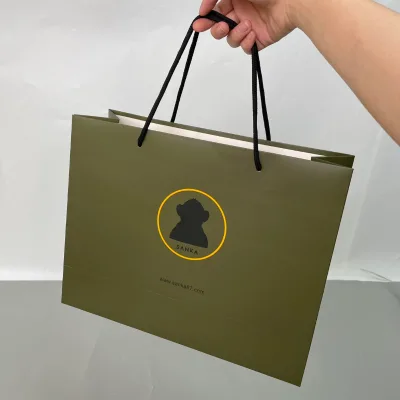


Recyclable Custom Printed Kraft Paper Shopping Bag with Twisted Handle
$0.05 - $0.15
MOQ: 10000 Pieces


White Recycled Twist Handle Paper Bag for Shopping Gift Packaging with Logo
$0.02 - $0.15
MOQ: 50000 Pieces

Recyclable Paper Bag with Handles Luxury Food Custom Logo Printing Paper Bag
$0.01 - $0.09
MOQ: 20000 Pieces
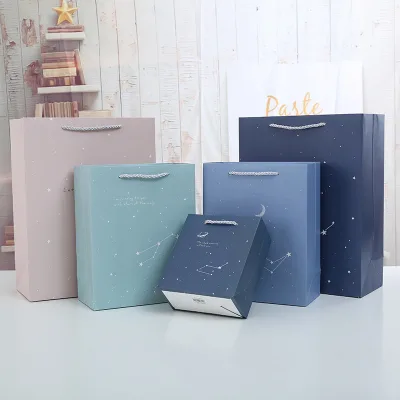


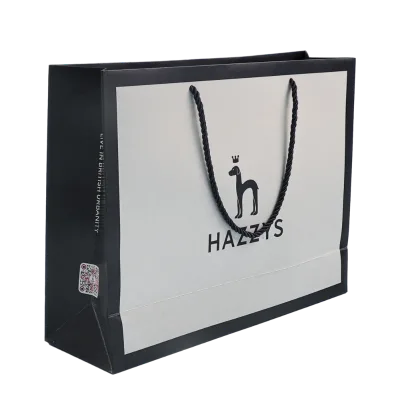
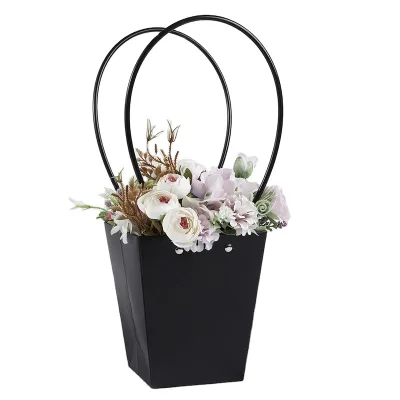


Recyclable Kraft Paper Bag with Twisted Handle Reusable Shopping Paper Bags
$0.50 - $0.70
MOQ: 500 Pieces


Comprehensive Sourcing Guide
Strategic Sourcing Guide for Luxury Recyclable Paper Bags with Twisted Handles
Defining Technical Specifications for Premium Packaging
When sourcing luxury recyclable paper bags with twisted handles, the primary objective is to balance aesthetic elegance with structural integrity. The product landscape reveals a diverse range of specifications that buyers must navigate carefully. A critical observation from current market listings indicates that paper types vary significantly, with options ranging from standard paperboard to specific kraft paper varieties. The thickness of the material is a fundamental determinant of the bag's perceived luxury and durability. Available data suggests thickness options can be customized, with specific instances noting a 230g weight, which generally provides a sturdy feel suitable for premium retail environments. However, buyers must verify if the specific supplier offers this exact grammage or if it varies based on the order volume.
The handle mechanism is equally vital for the "twisted handle" classification. While some listings describe handles as "hand length" or "drawstring" types, the twisted rope style is often associated with a more sophisticated, boutique aesthetic. The hardness of the paper is another technical variable; observed ranges include "medium soft" to "partial hard." For a luxury application, a "partial hard" or firm structure is typically preferred to prevent sagging when carrying heavier items. The weight limit for these bags varies in the market, with some specifications capping at under 5 kg and others supporting 5-10 kg. This discrepancy highlights the necessity for buyers to request specific load-bearing test data rather than relying on general category averages.
Furthermore, the physical dimensions are highly customizable. Observed sizes range from compact 2 cm options to larger middle-sized configurations, with single package dimensions often standardized around 20x20x20 cm for shipping efficiency. The shape is predominantly rectangular, which maximizes internal volume and shelf presence. Buyers should explicitly define the required dimensions, including depth and gusset size, to ensure the bag fits the intended product profile, whether it be cosmetics, clothing, or high-end gifts. The customization of colors is extensive, with listings showing acceptance of custom colors including black, white, pink, green, red, and various shades like plum and chocolate. This flexibility allows brands to align packaging precisely with their visual identity.
Compliance, Certification, and Environmental Standards
In the realm of luxury packaging, environmental claims are scrutinized more heavily than in other sectors. The core keyword includes "recyclable," which necessitates a rigorous verification process. While some product attributes explicitly list "Eco-Friendly" and "Recyclable" as features, these are observations of specific listings rather than universal guarantees for all suppliers in the category. Buyers must treat these claims as starting points for inquiry rather than confirmed facts. The presence of a "FSC" certification is mentioned in background knowledge, but it is not confirmed as a standard attribute for every product listed. Therefore, procurement teams must actively request valid FSC or equivalent chain-of-custody certificates to substantiate the recyclability claims.
The surface handling processes also play a role in compliance and environmental impact. Techniques such as silver foil stamping and digital printing are common in the luxury segment. However, the inks and adhesives used in these processes must be non-toxic and compliant with international environmental regulations, particularly for markets in Europe and North America. Buyers should verify that the "Silver Foil Stamping" and "Digital Printing" methods do not introduce heavy metals or hazardous substances that would hinder the recycling process. The "Paper Type" being Kraft Paper or Paperboard is generally more sustainable, but the specific sourcing of the pulp (virgin vs. recycled) must be confirmed.
Additionally, the production standards must be transparent. While some listings mention a "customized" standard, this is too vague for a luxury procurement strategy. Buyers should demand that suppliers adhere to recognized international quality management systems. The origin of the products is predominantly Guangdong, China, which is a major manufacturing hub, but the specific factory's environmental compliance record should be audited. The "Industrial Use" is listed as "Gift & Craft," but for luxury retail, the bag must meet higher standards for aesthetics and durability. The "Logo Printing" capability is standard, but the method (e.g., offset, flexo, or digital) impacts the final environmental footprint and should be aligned with the brand's sustainability goals.
Cost Drivers and Economic Considerations
Understanding the cost structure of luxury paper bags is essential for effective budget management. The observed price range in the market spans from 0 to 1.26 USD, but this wide variance is heavily influenced by order volume, material quality, and customization complexity. The Minimum Order Quantity (MOQ) is a significant cost driver, with observed ranges extending from 100 pieces to as high as 100,000 pieces. For a luxury brand, an MOQ of 100 pieces might be too low to achieve economies of scale, while an MOQ of 20,000 pieces could tie up excessive capital. Buyers must negotiate MOQs that align with their inventory turnover rates and cash flow.
Material costs are another primary factor. The choice between standard paperboard and premium kraft paper, along with the thickness (e.g., 230g vs. custom), directly impacts the unit price. The inclusion of premium features like twisted handles, silver foil stamping, and custom color matching adds to the production cost. The "Single Gross Weight" of 30.0 kg per package indicates that shipping costs can be substantial, especially for international orders. Buyers should calculate the total landed cost, including freight, duties, and insurance, rather than focusing solely on the unit price.
Production time is also a cost consideration. Lead times observed range from 5-9 working days to 9-12 days. Rush orders often incur premium charges, so planning production cycles to align with standard lead times can reduce costs. The "Design" requirement, which accepts PDF, AI, CDR, or CDR formats, implies that in-house design capabilities or external design agency fees may be necessary. If the supplier offers design services, this could be a value-add, but if the buyer provides the artwork, they must ensure it meets the supplier's technical specifications to avoid rework costs. The "Custom Order" acceptance is a key enabler for luxury branding, but it inherently carries a higher price point compared to stock items.
Typical Applications and Use Cases
The versatility of luxury recyclable paper bags with twisted handles makes them suitable for a wide array of high-end applications. The "Usage" attributes listed include gift packaging, clothing shopping storage, carrying cosmetics, and household items. For the fashion industry, these bags serve as a critical touchpoint for the customer experience. The "Style" is described as "Classic," which aligns well with timeless luxury brands that value tradition and elegance. The "Shape" being rectangular allows for efficient packing of garments, while the twisted handle provides a comfortable grip for carrying.
In the cosmetics and beauty sector, the bag's ability to carry items weighing up to 10 kg (in some specifications) or under 5 kg (in others) is crucial. The "Hardness" and "Weight Limit" must be matched to the density of the products being sold. For instance, heavy skincare sets require a bag with higher structural integrity, while lightweight perfumes can be accommodated in softer variants. The "Color" options, ranging from neutral tones like brown and black to vibrant hues like pink and red, allow brands to create seasonal collections or limited-edition packaging that resonates with specific marketing campaigns.
The "Industrial Use" as "Gift & Craft" also points to the suitability of these bags for corporate gifting and promotional events. The "Logo Printing" capability ensures that brands can imprint their identity prominently, enhancing brand visibility. The "Feature" of being eco-friendly appeals to the growing segment of environmentally conscious consumers. Whether used for retail shopping, promotional giveaways, or special occasion gifts, the bag must maintain its structural integrity and aesthetic appeal throughout the customer's journey. The "Packing" method, typically carton packing, ensures that the bags arrive in pristine condition, ready for immediate use.
Supplier Evaluation and Selection Criteria
Selecting the right supplier for luxury paper bags requires a multi-faceted evaluation process. The "Place of Origin" is consistently listed as Guangdong, China, or China Mainland, indicating a concentration of manufacturing capabilities in this region. Buyers should verify the specific factory's capacity to handle custom orders, as indicated by the "Custom Order: Accept" attribute. The "Sample" availability is a critical factor; suppliers offering samples allow buyers to assess the quality of the twisted handles, the finish of the foil stamping, and the overall feel of the paper before committing to a large order.
The "Design" capabilities of the supplier are paramount. Acceptance of PDF, AI, and CDR files suggests a level of technical proficiency, but buyers should also inquire about the supplier's ability to provide 3D mockups or physical prototypes. The "Production Time" of 9-12 days or 5-9 working days should be evaluated against the buyer's timeline requirements. Suppliers with shorter lead times may offer more flexibility but could compromise on quality control. The "MOQ" flexibility is another key criterion; while some suppliers require 20,000 pieces, others may accept 100, which is beneficial for testing new designs or managing inventory risk.
Quality assurance processes must be robust. Buyers should ask for evidence of the supplier's quality control measures, including in-line inspections and final random sampling. The "Surface Handling" techniques, such as matte finishes or silver foil stamping, require skilled labor to execute flawlessly. A supplier with a reputation for consistency in these areas is preferable. The "Color" customization options should be supported by a color matching system to ensure brand consistency. Finally, the "Packing" method, which includes cartons and pallets, should be evaluated for its ability to protect the bags during transit, minimizing damage and waste.
Quality Control and Long-Term Procurement Strategy
Maintaining high quality in luxury packaging requires a proactive approach to quality control. The "Feature" of being eco-friendly and recyclable must be verified through third-party testing or certification. Buyers should establish clear acceptance criteria for the "Hardness" and "Weight Limit" of the bags, ensuring they meet the specific demands of the products they carry. The "Single Gross Weight" and "Single Package Size" should be monitored to ensure consistency in shipping and storage. Any deviation in these metrics could indicate a change in material quality or production process.
Long-term procurement strategies should focus on building a sustainable supply chain. The "Customization" availability allows for continuous innovation in packaging design, but it also requires a deep understanding of the supplier's capabilities. Buyers should aim to establish a long-term partnership with a supplier who can scale production as the brand grows. The "Production Time" and "Leadtime" should be factored into the supply chain planning to avoid stockouts. Regular audits of the supplier's facilities and processes can help maintain quality standards and ensure compliance with environmental regulations.
The "Logo" and "Logo Printing" aspects should be standardized to ensure brand consistency across all packaging. The "Design" files should be archived and managed centrally to facilitate quick reorders and updates. The "Color" consistency is critical, and buyers should request color swatches or digital proofs for every production run. The "Surface" finish, whether matte or glossy, should be consistent with the brand's visual identity. By implementing a rigorous quality control framework and fostering a collaborative relationship with suppliers, buyers can ensure that their luxury paper bags with twisted handles continue to meet the highest standards of excellence and sustainability.
FAQs
Can I customize the brand name on the bag?
Yes, you can customize your brand name on the bag. The product attributes explicitly state that the brand name is customizable, allowing you to align the packaging with your specific identity.
What is the minimum order quantity for this product?
The minimum order quantity ranges from 100 pieces to 100,000 pieces depending on the supplier. Some listings accept orders as low as 100 pieces, while others require volumes up to 20,000 or 100,000 pieces.
How long does production take for custom orders?
Production time typically ranges from 5 to 12 working days. Specific listings indicate lead times of 5-9 working days or 9-12 days for standard custom production cycles.
What paper types are available for these bags?
Available paper types include paperboard and kraft paper. The product specifications list these materials as options, with thicknesses such as 230g or fully customizable weights to suit different durability needs.
Which printing methods are supported for logos?
Supported printing methods include digital printing and silver foil stamping. The product features list these surface handling techniques as standard options for applying custom logos and designs.
Can I request samples before placing a bulk order?
Yes, samples are offered for this product. Buyers can request samples to verify the quality of the twisted handles, paper hardness, and printing finish before committing to a large purchase.
What is the maximum weight limit for the bags?
The weight limit varies between under 5 kg and 5 to 10 kg depending on the specific bag model. Hardness ranges from medium soft to partial hard, influencing the structural capacity for carrying items.