Source Luxury Recyclable Gift Bag with Ribbon for cosmetics, clothing, and jewelry
Explore 30 listings for a Luxury Recyclable Gift Bag with Ribbon designed for cosmetics, clothing, and jewelry packaging. Buyers can compare custom sizes, paper types, and printing options from verified suppliers in China.
Key considerations
Products List
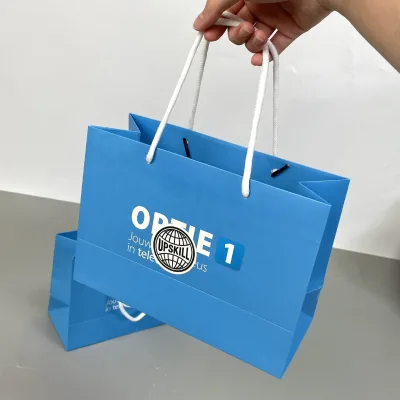


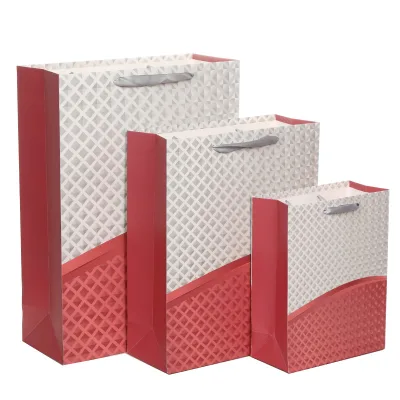


High Quality Christmas Gift Bag Large Capacity Luxury Flower Packaging Bag
$0.19 - $0.22
MOQ: 3000 Pieces


Comprehensive Sourcing Guide
Strategic Sourcing Guide for Luxury Recyclable Gift Bags with Ribbon
The global shift toward sustainable packaging has elevated the demand for luxury recyclable gift bags with ribbon, transforming them from simple containers into essential brand assets. For procurement professionals, sourcing these items requires a nuanced understanding of material science, manufacturing capabilities, and supply chain logistics. The market offers a diverse array of options, ranging from standard kraft paper constructions to premium custom-printed variants. This guide provides a comprehensive framework for evaluating suppliers and specifications, ensuring that the final product meets both aesthetic expectations and environmental commitments without relying on unverified claims.
Material Composition and Structural Specifications
The foundation of any luxury gift bag lies in its material composition. Based on available market data, the primary material for these products is kraft paper, often specified with a thickness of 100GSM. This weight provides a balance between durability and the ability to hold substantial items without tearing. The paper type is frequently identified as paperboard or kraft paper, both of which are recognized for their recyclability and biodegradable properties. When sourcing, buyers must verify the specific grammage (GSM) and fiber content to ensure the bag can support the weight of the intended gift, whether it be cosmetics, electronics, or apparel.
Structural dimensions are equally critical. The market data indicates a wide range of standard sizes, including 15x8x21cm, 21x11x27cm, 32x11x25cm, 28x10x22cm, and 35x13x26cm. However, the most significant advantage in this category is the availability of fully customized dimensions. Procurement teams should confirm that the supplier can accommodate specific volume requirements, as the "single volume" metric is often variable based on the custom order. The structural integrity is further enhanced by the handle type. While some variations utilize a "Flexiloop Handle," the specific requirement for a "ribbon handle" or "hand length handle" is common for luxury applications. The ribbon itself serves as both a functional closure and a decorative element, often integrated directly into the bag's design or attached as an accessory.
Surface Finishing and Printing Capabilities
Visual appeal is the defining characteristic of luxury packaging. The printing and surface handling techniques employed determine the final aesthetic quality. The observed market data highlights several printing methods, including digital printing, UV printing, and flexo printing. Digital printing is particularly advantageous for short runs and complex, multi-color designs, allowing for high fidelity in reproducing brand logos and intricate patterns. UV printing offers a durable, glossy finish that can enhance the perceived value of the bag, while flexo printing is often utilized for larger volume orders where cost-efficiency is paramount.
Beyond standard printing, surface handling techniques such as silver foil stamping add a layer of sophistication. This process creates a metallic sheen that elevates the product from standard packaging to a premium experience. Buyers should inquire about the specific surface treatments available, such as embossing or spot UV, to ensure they can achieve the desired tactile and visual effect. The color options are generally customizable, with suppliers accepting "custom colors" and "OEM" specifications. This flexibility allows brands to match their packaging exactly to their corporate identity. However, it is essential to verify that the printing process used is compatible with the chosen paper type to prevent issues like ink bleeding or poor adhesion.
Compliance, Certification, and Environmental Claims
Sourcing eco-friendly packaging requires rigorous verification of environmental claims. While the product attributes frequently list features such as "Eco-Friendly" and "Bio-Degradable," these terms must be substantiated. The background information notes FSC certification as a potential standard, but this should be treated as a verification point rather than an automatic guarantee. Procurement teams must request valid, current certification documents from suppliers to confirm that the kraft paper and other materials are sourced from responsibly managed forests.
Compliance extends beyond the material itself to the production process. Buyers should assess whether the supplier adheres to international environmental standards regarding waste management and chemical usage in the printing process. For instance, the use of water-based inks versus solvent-based inks can significantly impact the recyclability of the final product. Additionally, the "Custom Order" attribute suggests that many suppliers are willing to tailor their production lines to meet specific sustainability mandates. It is crucial to define clear acceptance criteria for these claims in the contract, ensuring that the supplier cannot substitute materials with non-compliant alternatives without notification.
Cost Drivers and Minimum Order Quantities
Understanding the cost structure of luxury gift bags is essential for budget planning. The observed price range in the market spans from $0.02 to $9.99 per unit, a variance driven by factors such as material quality, printing complexity, and order volume. The minimum order quantity (MOQ) is a significant cost driver, with observed ranges between 100 and 10,000 pieces. Lower MOQs, such as 100 pieces, are ideal for testing new designs or for brands with limited inventory needs, while higher volumes often yield better unit economics.
The customization level is another primary cost determinant. Bags with "Customized" models, specific dimensions, and complex surface treatments like foil stamping will command a higher price point than standard off-the-shelf items. Production time also influences cost; a typical lead time of 9-12 days suggests a relatively efficient production cycle, but rush orders may incur premiums. Buyers should also consider the "Single Gross Weight" and "Single Volume" when calculating shipping costs, as these factors directly impact logistics expenses. For large-scale procurement, negotiating based on the "Carton Packing" efficiency can further reduce overall costs.
Supplier Evaluation and Production Capabilities
Evaluating a supplier for luxury gift bags requires a multi-faceted approach. The geographic origin of the products is a key indicator of supply chain reliability. The data indicates a concentration of manufacturers in Guangdong and Zhejiang, China, regions known for their robust packaging industries. When assessing potential partners, buyers should verify the supplier's capacity to handle "Custom Order" requests and their ability to manage the "Design" phase, which often involves the submission of PDF files.
The ability to offer samples is a critical evaluation metric. Suppliers that provide "Samples Offered" allow buyers to physically inspect the quality of the paper, the strength of the ribbon handles, and the precision of the printing before committing to a large order. This step is indispensable for validating the "Luxury" aspect of the product. Furthermore, the supplier's experience with specific industrial uses, such as "Gift & Craft," "Cosmetic," or "Electronic Products," demonstrates their versatility and understanding of different market requirements. A supplier with a proven track record in handling "Logo Printing" and "Customized Logo" requests is better equipped to maintain brand consistency across different product lines.
Quality Control and Long-Term Procurement Strategy
Implementing a robust quality control (QC) protocol is non-negotiable for luxury packaging. QC should begin at the raw material stage, verifying the 100GSM thickness and the integrity of the kraft paper. During production, checks must be performed on the printing alignment, the adhesion of foil stamping, and the tensile strength of the ribbon handles. The "Sealing & Handle" mechanism must be tested to ensure it can support the weight of the product without failing. For long-term procurement, establishing a consistent relationship with a supplier who can maintain these standards over time is vital.
Buyers should also consider the scalability of the supplier. As brand demand grows, the ability to increase production from 100 pieces to 10,000 pieces without compromising quality is essential. The "Production Time" of 9-12 days should be factored into inventory planning to avoid stockouts. Additionally, the "Packing" method, typically "Carton Packing," must be evaluated for its ability to protect the bags during transit. A well-structured procurement strategy includes regular audits, clear communication channels for design changes, and a shared commitment to sustainability goals. By focusing on these long-term considerations, buyers can secure a reliable supply of luxury recyclable gift bags that enhance their brand value and meet environmental responsibilities.
Comparative Analysis of Product Attributes
To assist in decision-making, the following table summarizes key attributes observed in the market for luxury recyclable gift bags with ribbon. This comparison highlights the variability in specifications and helps buyers identify the features most relevant to their specific needs.
| Attribute Category | Standard Observation | Customization Potential | Critical Verification Point |
|---|---|---|---|
| Material | Kraft Paper, Paperboard | High (Custom Colors, Thickness) | Verify 100GSM and fiber source |
| Dimensions | 15x8x21cm to 35x13x26cm | High (Customized sizes available) | Confirm volume capacity for specific items |
| Handle Type | Ribbon Handle, Flexiloop Handle | High (Ribbon customization) | Test tensile strength and attachment |
| Printing | Digital, UV, Flexo | High (OEM, Custom Colors) | Check ink adhesion and color accuracy |
| Surface Finish | Silver Foil Stamping | High (Foil, Embossing, Spot UV) | Verify finish durability and aesthetic |
| MOQ | 100 pcs to 10,000 pcs | Variable (Negotiable) | Align with inventory budget and cash flow |
| Lead Time | 9-12 Days | Variable (Rush options possible) | Plan production schedule accordingly |
| Certification | Eco-Friendly, Bio-Degradable | Variable (FSC, others) | Request valid third-party certificates |
This structured approach to sourcing ensures that buyers can navigate the complexities of the luxury gift bag market with confidence. By focusing on verified specifications, rigorous quality control, and clear communication with suppliers, procurement professionals can secure packaging solutions that align with both brand identity and sustainability goals.
FAQs
What printing methods are available for custom luxury gift bags?
Digital, UV, and flexo printing methods are available for custom luxury gift bags. These options allow for high-fidelity logos and intricate patterns, with digital printing ideal for short runs and flexo printing suited for larger volumes.
Can I order custom dimensions for the gift bags?
Yes, you can order custom dimensions for the gift bags. Standard sizes include 15x8x21cm and 21x11x27cm, but fully customized dimensions are accepted to meet specific volume requirements for your brand.
What is the minimum order quantity for these bags?
The minimum order quantity starts at 100 pieces for some models. Other variations may require 1000 pieces, allowing flexibility for testing new designs or fulfilling larger inventory needs depending on the specific supplier.
How long does production take for custom orders?
Production typically takes 9 to 12 days for custom orders. This lead time covers the manufacturing process from design submission to final packing, ensuring timely delivery for your gift packaging needs.
Are samples available before placing a large order?
Samples are offered before placing a large order. This allows buyers to physically inspect the quality of the kraft paper, ribbon handles, and printing precision to ensure the product meets luxury standards.
What material is used for these recyclable gift bags?
Kraft paper and paperboard are the primary materials used for these recyclable gift bags. These materials are selected for their durability, biodegradable properties, and ability to support substantial gift items without tearing.
Do the bags come with ribbon handles as standard?
Ribbon handles are commonly included as a standard feature for these bags. They serve as both a functional closure and a decorative element, with options for hand length handles and flexiloop handles available.