Source Luxury Recyclable Glass Perfume Bottle for cosmetics, skincare, and personal care
Find 30 Luxury Recyclable Glass Perfume Bottle options from verified suppliers. Compare models like P069 and XS102-104, capacities from 30ml to 100ml, and features such as continuous spray and square shapes for personal care applications.
Key considerations
Products List


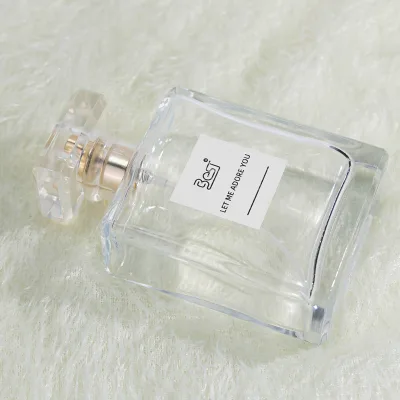


Brown High Performance Reusable Luxury Glass Perfume Bottle for Room Spray
$0.30 - $0.50
MOQ: 1000 Pieces


Luxury Recyclable 30ml 50ml 100ml Frosted Glass Perfume Bottle with Pump Leather Decoration
$0.18 - $0.25
MOQ: 10000 Pieces


Luxury Recyclable 50ml 100ml Frosted Glass Perfume Bottle with Pump Spray Cap
$0.18 - $0.25
MOQ: 10000 Pieces


Luxury Unique Perfume Bottles Rectangle Bottle Perfume Glass Bottles 100ml
$0.15 - $0.45
MOQ: 10000 Pieces


Comprehensive Sourcing Guide
Strategic Sourcing Guide for Luxury Recyclable Glass Perfume Bottles
Understanding Material Integrity and Design Specifications
When sourcing luxury recyclable glass perfume bottles, the primary focus must be on the intrinsic properties of the glass itself and the precision of the manufacturing process. The market offers a diverse array of options, but the core material for high-end applications is consistently identified as glass or crystal. This distinction is critical because the density and clarity of the glass directly influence the perceived value of the fragrance it contains. Buyers should verify that the product attributes explicitly state "Glass" or "Crystal" rather than generic terms like "bottle," ensuring the material meets the rigidity and transparency standards required for luxury positioning.
The physical form of the bottle is equally significant in defining its luxury status. Observed market data indicates a strong preference for geometric precision, with specific shapes such as square, rectangular, and round configurations being prevalent. For instance, specific model numbers like P069, P068, and P064 are associated with these distinct shapes, suggesting that manufacturers have standardized molds for these forms. The clarity of the glass is another non-negotiable attribute; listings frequently specify "Clear" or "Transparent" as the standard finish. This transparency allows the consumer to appreciate the color and viscosity of the perfume, a key element of the luxury unboxing experience.
Capacity plays a pivotal role in the design specification. The observed range of capacities spans from small travel sizes to standard retail volumes. Specific data points highlight capacities such as 30ml, as well as broader ranges covering 5-50 ml, 51-100 ml, and specific standard sizes like 25ml, 50ml, 100ml, and 100ml. When evaluating a supplier, buyers must ensure that the capacity matches the intended product line, as the wall thickness and structural integrity required for a 30ml bottle differ from those needed for a 100ml container. The "Standard" attribute often lists these capacities (e.g., 30ml 50ml or 50ml 100ml), serving as a quick reference for the available inventory.
Closure Systems and Functional Performance
The functionality of a perfume bottle is heavily dependent on its closure system. For luxury applications, the spray mechanism must deliver a fine, consistent mist without leaking or clogging. The observed market data identifies two primary closure types: "Mist Sprayer" and "Spray Pump." These terms often appear interchangeably, but the distinction lies in the spray pattern. A "Continuous Spray" feature is a highly desirable attribute for premium products, allowing for even distribution of the fragrance with a single press. Buyers should verify that the selected model, such as those with model numbers like XS102-104 or XS185-187, supports continuous spray functionality.
The integration of the closure with the glass neck is a critical engineering challenge. The "Cup Accessories" attribute often notes "without Handle," indicating that the focus is on the bottle's standalone elegance rather than auxiliary carrying features. However, the compatibility between the glass neck and the spray pump is paramount. If the closure type is listed as a "Spray Pump," the buyer must confirm that the pump diameter matches the bottle's neck finish to prevent leakage. Furthermore, some listings indicate that products may come "With Reed Diffuser or not," suggesting versatility in the product line. While reed diffusers are a different category, the presence of this option implies that the manufacturer may offer compatible neck finishes or adapters for alternative dispensing methods.
Compliance, Certification, and Regulatory Standards
In the B2B procurement of luxury packaging, compliance is not merely a formality but a prerequisite for market access. The supply chain for glass bottles often involves rigorous testing to ensure safety and environmental responsibility. Observed data highlights several critical certifications that buyers should look for, including BV, ISO, REACH, and MSDS. These certifications indicate that the supplier adheres to international standards for quality management, chemical safety, and environmental compliance. Specifically, the presence of REACH and MSDS documentation is essential for products intended for the European and North American markets, as these regulations govern the use of chemicals in packaging.
The "prod_quality" attribute often references SGS, a leading inspection and certification company. While the specific test results are not provided in the general data, the mention of SGS implies that the supplier undergoes third-party quality verification. Buyers should request the actual test reports to confirm that the glass is free from heavy metals and that the spray mechanisms do not leach harmful substances. Additionally, while some background information mentions ISO9001 or ISO14001, these should be treated as background context rather than confirmed facts for every listing. Instead, buyers must actively verify if the specific supplier holds current ISO certifications relevant to their production facilities.
The origin of the product also influences compliance. The data indicates origins in China, specifically Jiangsu and Shanghai, as well as Taiwan. Suppliers from these regions must navigate different regulatory landscapes. For instance, products originating from Taiwan (TAIPEI) may have different export documentation requirements compared to those from mainland China. Buyers should ensure that the "prod_standard" aligns with the destination market's regulations, particularly regarding the "30ml 50ml" or "50ml 100ml" specifications, which may have specific labeling and capacity tolerance requirements.
Cost Drivers and Economic Considerations
The pricing structure for luxury glass perfume bottles is influenced by several variables, including material quality, customization complexity, and order volume. The observed price range in the market is quite broad, spanning from 0.01 to 2 USD per unit. This wide variance suggests that the final cost is highly dependent on the specific model, the level of customization, and the order quantity. Lower prices typically correspond to standard, off-the-shelf models like the P064 or XS105, which are produced in high volumes with minimal customization. Conversely, higher prices within this range are likely associated with custom designs, special finishes, or smaller batch productions.
Minimum Order Quantity (MOQ) is a significant factor in cost management. The observed MOQ range is extensive, from 1 to 10,000 units. This flexibility allows buyers to test the market with small orders, as evidenced by the "Small Orders: Accepted" attribute and specific MOQs as low as 10 pieces. However, for large-scale luxury launches, the economies of scale become apparent. Suppliers often offer tiered pricing where the unit cost decreases as the order volume increases. Buyers should be aware that while the base price might be low, the total cost of ownership includes shipping, which can be substantial for glass products due to their weight and fragility.
Customization is another major cost driver. The "Customization: Available" and "Customizable: Customized" attributes indicate that suppliers can modify the bottle's shape, color, or branding. However, customization often requires a higher MOQ and a longer lead time. The "prod_packing" attribute, which mentions "Carton or Pallet," also impacts logistics costs. Custom packaging solutions, such as branded cartons or specialized palletizing, will add to the overall cost but are essential for maintaining the luxury brand image during transit and retail display.
Supplier Evaluation and Geographic Sourcing
Evaluating suppliers requires a deep dive into their operational capabilities and geographic location. The data indicates a concentration of suppliers in China, with specific mentions of Jiangsu and Shanghai, as well as Taiwan. These regions are known for their glass manufacturing expertise, but buyers must verify the specific capabilities of each supplier. For instance, the "Brand Name" attribute lists "Parmley" for some products, while others are listed as "No Brand." This distinction is important; branded suppliers may offer more consistent quality control and better after-sales support, whereas unbranded suppliers might offer more flexibility in customization.
The "prod_payment_type" attribute notes "T/T" (Telegraphic Transfer) as a common payment method. Buyers should be prepared to negotiate payment terms, as T/T is standard but may require upfront deposits. Additionally, the "Small Orders: Accepted" attribute suggests that some suppliers are willing to work with smaller buyers, which is beneficial for startups or brands testing new product lines. However, buyers must be cautious of suppliers who claim to accept small orders but have hidden costs or long lead times.
Geographic location also affects lead times and shipping logistics. Suppliers in Jiangsu and Shanghai are well-connected to major ports, which can facilitate faster shipping to international markets. In contrast, suppliers in Taiwan may have different shipping routes and customs procedures. Buyers should verify the "Place of Origin" and "origin_country" to ensure that the logistics chain aligns with their supply chain strategy. Furthermore, the "prod_model" numbers, such as SL-Bottles-02 or WL-10024, can serve as unique identifiers for tracking specific supplier capabilities and product lines.
Quality Control and Long-Term Procurement Strategy
Implementing a robust quality control (QC) strategy is essential for maintaining the integrity of luxury packaging. Given the fragility of glass, buyers should prioritize suppliers who have established QC protocols. The "prod_quality" attribute mentioning SGS is a positive indicator, but buyers should go further by requesting detailed QC reports that cover breakage rates, color consistency, and spray performance. Regular inspections during production and pre-shipment checks are critical to ensure that the final product meets the luxury standards.
Long-term procurement considerations involve building a sustainable relationship with suppliers. The "Recyclable" attribute is a key selling point for modern luxury brands that prioritize sustainability. Buyers should verify that the glass is indeed recyclable and inquire about the supplier's recycling processes. Additionally, the "Customization" capability allows for long-term product evolution. As brand trends shift, the ability to modify bottle shapes or colors without changing the entire supply chain is invaluable.
Buyers should also consider the scalability of the supplier. The wide MOQ range (1-10,000) suggests that suppliers can accommodate growth, but buyers must confirm that the supplier has the capacity to scale up production without compromising quality. The "prod_standard" and "prod_model" consistency are indicators of a stable supply chain. By selecting suppliers with a proven track record of meeting standards like REACH and MSDS, buyers can mitigate risks associated with regulatory changes and ensure a steady supply of high-quality, recyclable glass perfume bottles.
Final Procurement Recommendations
In conclusion, sourcing luxury recyclable glass perfume bottles requires a meticulous approach that balances aesthetic appeal, functional performance, and regulatory compliance. Buyers must carefully evaluate the material specifications, closure systems, and customization options to ensure the product aligns with their brand identity. The observed data provides a solid foundation for understanding the market landscape, but active verification of certifications, quality control processes, and supplier capabilities is essential. By focusing on these key areas, buyers can secure a reliable supply chain that supports their long-term growth and sustainability goals.
FAQs
What materials are used for luxury recyclable glass perfume bottles?
Luxury recyclable glass perfume bottles are primarily made from glass or crystal. These materials ensure the rigidity and transparency required for high-end fragrance presentation, allowing consumers to appreciate the product's color and viscosity.
Which closure types are available for these glass bottles?
Available closure types include mist sprayers and spray pumps. Some models support continuous spray functionality, ensuring a fine and consistent mist distribution without leakage, which is critical for premium fragrance application.
What certifications do suppliers typically hold for these bottles?
Suppliers often hold certifications such as BV, ISO, REACH, and MSDS. These documents verify compliance with international safety and environmental standards, ensuring the packaging is safe for use and suitable for export to regulated markets.
Can I order small quantities of recyclable glass perfume bottles?
Yes, small orders are accepted with minimum order quantities ranging from 1 to 10,000 pieces. This flexibility allows buyers to test the market with low-risk orders before committing to larger production runs.
What capacity options exist for these glass perfume containers?
Capacity options range from 5 to 100 ml, including specific sizes like 30 ml, 50 ml, and 100 ml. Buyers must select the capacity that matches their product line, as wall thickness and structural integrity vary by volume.
Are customization services available for glass bottle designs?
Customization is available for shape, color, and branding on these glass bottles. However, custom designs typically require higher minimum order quantities and may involve longer lead times compared to standard off-the-shelf models.
Where are these luxury glass bottles manufactured?
These bottles are manufactured in China, specifically in regions like Jiangsu and Shanghai, as well as in Taiwan. The origin location influences shipping logistics and regulatory documentation required for international export.