Source Machine Grade LLDPE Stretch Film for Packaging, Agriculture, and Industry
Find 30 Machine Grade LLDPE Stretch Film options from Chinese manufacturers. Compare specifications like thickness, width, and processing types such as casting or multiple extrusion. Evaluate features including moisture proofing and customization availability for your specific supply chain needs; compare the available evidence and request quotations based on your requirements.
Key considerations
Products List


$77283.57 - $80374.91
MOQ: 1


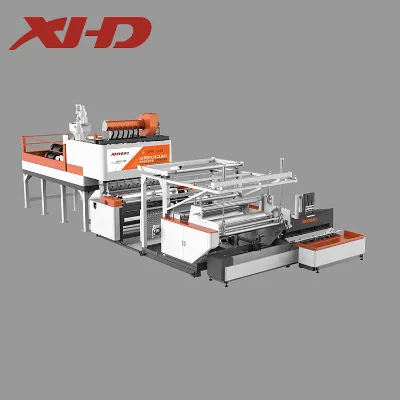
High-Quality Three Layer Stretch Film Machine LLDPE with CE Certification
$35000.00 - $50000.00
MOQ: 1 Sets
Comprehensive Sourcing Guide
Machine Grade LLDPE Stretch Film Sourcing Guide
Procuring machine-grade LLDPE stretch film requires distinguishing between general packaging needs and specific industrial applications like agriculture or glass protection. Buyers must verify that the material composition aligns with their operational demands, as observed listings indicate a primary focus on LLDPE and PE blends designed for high-performance wrapping. The availability of customization options allows suppliers to tailor film properties, ensuring the final product meets precise tension and clarity requirements for diverse supply chain environments.
When evaluating potential vendors, it is critical to confirm the processing type, as casting and multiple extrusion methods yield different mechanical properties. The observed market data highlights a wide range of widths and thicknesses, from 20cm up to 1500mm, which directly impacts load stability and material efficiency. Buyers should prioritize suppliers who demonstrate flexibility in producing custom dimensions, as standard widths may not suffice for specialized machinery or irregular pallet shapes found in modern logistics.
Product Scope and Observed Listing Signals
The product scope for machine stretch film encompasses a broad spectrum of usage scenarios, including food cling, gift packaging, and heavy-duty industrial applications. Listings frequently cite features such as moisture proofing and transparency, which are essential for protecting goods during transit and storage. The observed data confirms that suppliers offer films in various colors, including clear, red, black, and green, allowing buyers to select options that enhance brand visibility or meet specific safety coding requirements within their facilities.
Commercial signals in the market reveal significant variability in packaging formats, ranging from single rolls per carton to jumbo rolls packed on pallets. This diversity suggests that buyers must carefully assess their storage capacity and handling equipment before placing orders. The presence of free sample availability in several listings provides a practical opportunity to test film performance before committing to larger volumes, ensuring the selected product delivers the necessary cling and puncture resistance for the intended use case.
Technical Specifications to Verify
Technical verification begins with confirming the core dimensions and film thickness, as these factors dictate the film's tensile strength and stretch ratio. Observed specifications indicate core diameters ranging from 25mm to 76mm and thicknesses spanning from 10 to 80 microns, requiring buyers to match these metrics with their specific machinery capabilities. Selecting the wrong thickness can lead to film breakage or excessive material waste, so precise alignment with equipment tolerances is a non-negotiable step in the selection process.
Width and length specifications are equally critical, with observed ranges extending from 35mm to 1500mm in width and up to 4500 meters in length. Buyers must ensure that the supplier can consistently deliver these dimensions without deviation, as inconsistencies can cause jams in automated wrapping systems. Additionally, the processing type, whether casting or multiple extrusion, influences the film's optical clarity and mechanical durability, necessitating a detailed review of the manufacturing process to guarantee performance consistency.
Compliance and Safety Documentation
Compliance verification is essential for ensuring that the stretch film meets international safety and environmental standards, particularly for food contact applications. While specific certification statuses like SGS, ISO, and RoHS are observed in the market, buyers must request current certificates to confirm that the supplier maintains active compliance with these rigorous standards. Relying on outdated or generic claims without physical documentation can expose the buyer to regulatory risks and potential product recalls in regulated markets.
Safety documentation should also address the material's chemical composition and any potential hazards associated with its use or disposal. The observed features, such as moisture proofing and water solubility, require clear technical data sheets to validate their efficacy and safety profile. Buyers should insist on comprehensive safety data sheets that detail the film's behavior under various conditions, ensuring that the product does not release harmful substances during application or degradation in the environment.
Cost Drivers and Commercial Terms
Cost drivers for machine stretch film are heavily influenced by raw material prices, film thickness, and the complexity of customization required. The observed price range is vast, reflecting differences in material quality, production volume, and specific feature sets like color or specialized coatings. Buyers must analyze the total cost of ownership rather than just the unit price, considering factors such as film yield, waste reduction, and the efficiency gains provided by high-performance LLDPE blends.
Commercial terms, including minimum order quantities and delivery lead times, vary significantly across suppliers and must be negotiated to align with production schedules. Observed MOQs range from single units to 3000, offering flexibility for small-scale operations while accommodating large industrial contracts. Delivery times, such as the observed ten-day window, should be factored into inventory planning to prevent stockouts, and buyers should clarify whether these timelines include shipping or are based on production completion.
Supplier Qualification and Quality Control
Supplier qualification requires a thorough assessment of their manufacturing capabilities and quality control systems to ensure consistent product delivery. Buyers should verify the supplier's origin, as observed locations in Guangdong, Shenzhen, and Qingdao indicate established manufacturing hubs with varying levels of expertise. It is crucial to confirm that the supplier has a robust quality assurance process in place, capable of maintaining strict tolerances on width, thickness, and mechanical properties across all production batches.
Quality control measures must extend beyond final inspection to include raw material sourcing and in-process monitoring. The ability to provide free samples and customize packaging formats suggests a supplier's willingness to engage in a collaborative quality assurance process. Buyers should request detailed quality reports and conduct periodic audits to ensure that the supplier's internal standards match the external requirements of their own operations, thereby minimizing the risk of receiving substandard film that could compromise product integrity.
Long-Term Procurement Checks
Long-term procurement success depends on establishing a reliable supply chain that can adapt to changing market conditions and operational needs. Buyers should regularly review supplier performance metrics, including on-time delivery rates and defect frequencies, to ensure continued reliability. The observed variability in packing options and standard widths suggests that a flexible supplier relationship is vital for accommodating future changes in packaging requirements or machinery upgrades without disrupting operations.
Sustainability and regulatory compliance should be ongoing considerations in long-term sourcing strategies, as environmental regulations and consumer expectations evolve. Buyers must stay informed about updates to standards like ISO 14001 or RoHS, ensuring that their suppliers remain compliant with the latest environmental mandates. Regular communication with suppliers regarding material innovations and process improvements can help buyers maintain a competitive edge while ensuring that their stretch film procurement remains efficient, cost-effective, and environmentally responsible.
FAQs
What customization options are available for Machine Grade LLDPE Stretch Film?
Customization is available for width, thickness, and length to meet specific packaging needs. Buyers can select from standard widths like 500mm or request custom dimensions. Thickness ranges from 10 to 80 microns, allowing for tailored strength and material usage. This flexibility ensures the film fits various industrial and agricultural applications effectively.
Which certifications are provided for the lldpe stretch film products?
The products come with SGS, ISO, and RoHS certifications to ensure quality and safety standards. These documents verify compliance with international regulations for industrial packaging materials. Buyers can request these certificates to confirm that the film meets specific regulatory requirements for their target markets and supply chain audits.
How fast is the delivery time for orders of stretch film?
The standard delivery time is approximately 10 days after order confirmation. This timeline allows for efficient production scheduling and shipping preparation. Buyers should confirm specific lead times with suppliers, as peak seasons or custom specifications might slightly alter the schedule. Early planning helps ensure timely receipt of goods for continuous operations.
Can I get a free sample before placing a bulk order?
Yes, free samples are available for evaluation before committing to large purchases. This allows buyers to test the film's stretch, clarity, and moisture-proof features. Samples help verify that the product meets specific application requirements. Buyers should contact suppliers directly to request samples, ensuring they assess quality and performance before finalizing procurement decisions.
What are the standard packaging formats for the stretch film rolls?
Packaging options include 1, 4, or 6 rolls per carton, or palletized jumbo rolls. Some suppliers offer shipping container loads for large volumes. The core diameter typically ranges from 1 to 3 inches. These flexible packing methods accommodate different handling equipment and storage constraints, ensuring safe transport and easy unwinding during use.
What is the price range for Machine Grade LLDPE Stretch Film?
Prices range from $0.05 to $80,374.91 depending on order volume and specifications. Lower prices apply to smaller quantities or standard rolls, while bulk pallet orders may have different pricing structures. Buyers should request quotes based on their specific width, thickness, and quantity requirements to get accurate cost estimates for their procurement budget.
Where are these lldpe stretch films manufactured?
Manufacturing locations include Guangdong, Shenzhen, and Qingdao in China. These regions are known for robust plastic film production capabilities. Buyers can specify preferred origins for logistics or compliance reasons. The products are exported globally, with suppliers managing shipping from these key industrial hubs to ensure efficient delivery to international destinations.