Source Machine Wash Microfiber Bedding Set for Hotels, Homes, and Weddings
Compare 30 options for a Machine Wash Microfiber Bedding Set suitable for hotels, homes, and weddings. Evaluate features like cotton or polyester fills, European styles, and customization availability to find the right fit for your needs; compare the available evidence and request quotations based on your requirements.
Key considerations
Products List


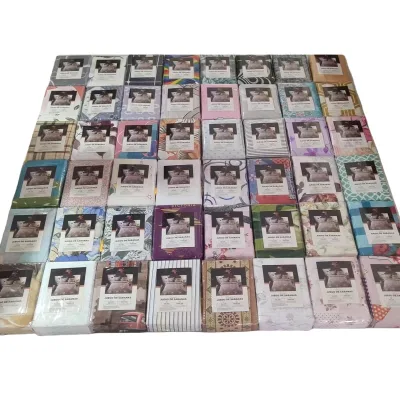


Medium Weight 100 Microfiber Bedding Sheet Set Polyester Roll Bedding Fabric
$0.40 - $1.10
MOQ: 5000 Meters


Comprehensive Sourcing Guide
Machine Wash Microfiber Bedding Set Sourcing Guide
Procurement teams must first distinguish between knitted and woven constructions when sourcing machine wash microfiber bedding, as the supplied data reveals conflicting technical attributes across listings. While some entries specify a knitted technique with cotton filling, others explicitly list woven technics with polyester filling and a thread count of 100TC. Buyers should verify the exact fabric weave before ordering, as this determines the final hand feel and durability during repeated machine washing cycles.
The observed product range includes sets with varying component counts, such as three-piece or four-piece configurations, which directly impacts the unit price and packaging volume. Sourcing decisions must account for these structural differences, as a set containing a flat sheet, fitted sheet, and pillowcases will have different logistics requirements compared to a single-item listing. Confirming the exact composition of the set ensures that the final delivery matches the intended usage scenario for hotels or residential clients.
Product Scope and Observed Listing Signals
Buyers should analyze the observed price range of 0.32 to 25 USD to understand the significant variance in product quality and material composition within this category. The lower end of the spectrum likely corresponds to basic polyester microfiber sets with simple printed patterns, while higher-priced items may feature embroidered designs or specific European-style aesthetics. This wide disparity necessitates a clear definition of quality expectations to avoid receiving substandard goods that do not meet the intended market positioning.
Listing signals indicate that customization is widely available, with many suppliers offering options for specific sizes like Twin, Queen, and King, as well as custom standard dimensions. The presence of "Endless" and "Yarn Dyed" pattern attributes suggests a diverse inventory capable of supporting various interior design themes, from simple styles to more elaborate European and American looks. Procurement teams must align their specific design requirements with the supplier's actual customization capabilities to ensure the final product meets brand standards.
Technical Specifications to Verify
Verification of the fabric composition is critical, as the data shows a mix of 100% cotton and 100% polyester options, each offering distinct performance characteristics for machine washing. Buyers must explicitly confirm whether the microfiber component is polyester, as this material is generally more durable and resistant to shrinking compared to cotton blends. Ensuring the material matches the intended application, such as high-turnover hotel use versus residential comfort, prevents performance failures during the product lifecycle.
The washing temperature and fabric density are equally important technical parameters that require strict validation before finalizing an order. While some listings mention machine washability and specific washing temperatures, others provide fabric density figures like 133x72, which influence the softness and opacity of the final bedding. Procurement teams should request detailed technical sheets to confirm that the fabric density and washing instructions align with the expected usage frequency and care protocols of the end user.
Compliance and Safety Documentation
Safety documentation must address color fastness standards, as the supplied facts reference National Standards for color fastness grades, which serve as a baseline for quality assurance. Buyers should verify that the supplier can provide test reports confirming the fabric meets these specific national requirements, ensuring that the bedding retains its color and integrity after multiple wash cycles. This verification is essential for maintaining brand reputation and preventing customer complaints regarding fading or bleeding dyes in the final product.
Eco-friendly claims require substantiation through documented evidence, as the listings mention eco-friendly features but do not provide specific third-party certification details like Oeko-Tex. Procurement teams should request proof of compliance for any environmental claims made by the supplier, such as the use of non-disposable materials or specific manufacturing processes. Without concrete documentation, these claims remain unverified assertions that could expose the buyer to regulatory risks or consumer skepticism regarding the product's environmental impact.
Cost Drivers and Commercial Terms
The minimum order quantity (MOQ) presents a significant variable in cost planning, with observed ranges spanning from 1 to 5000 pieces and specific listings citing 50 pieces as a baseline. Buyers must negotiate terms that balance the need for inventory flexibility with the economic efficiency of larger production runs, as higher volumes often reduce the per-unit cost significantly. Understanding the specific MOQ for customized designs versus standard stock items is crucial for accurate budgeting and inventory management.
Packaging specifications and weight are key cost drivers that influence shipping expenses and overall landed costs for the procurement team. The data indicates packaging options ranging from individual polybags to boxed sets, with weights varying between 1.5 and 2 Kg per unit. These factors directly impact freight charges and storage requirements, so buyers should calculate the total cost of ownership including logistics, rather than focusing solely on the unit price of the bedding set itself.
Supplier Qualification and Quality Control
Supplier qualification should prioritize those with a proven track record in the Jiangsu, China region, which is identified as the place of origin for the observed listings. This region is known for its textile manufacturing capabilities, but buyers must still conduct due diligence to ensure the specific factory adheres to consistent quality control measures. Verifying the supplier's production capacity and history with similar orders helps mitigate the risk of delays or quality inconsistencies in the final delivery.
Quality control protocols must include rigorous inspection of the product details, such as the stitching quality of embroidered patterns and the accuracy of the sheet types provided. Since the data lists various styles from simple to European, the inspection process should verify that the physical product matches the visual samples and technical specifications exactly. Implementing a pre-shipment inspection plan ensures that any deviations in the product, such as incorrect thread counts or filling materials, are identified and corrected before the goods leave the factory.
Long-Term Procurement Checks
Long-term procurement strategies should focus on establishing a consistent supply chain for products that meet the specific washing and durability requirements of the market. Buyers need to monitor the performance of the bedding sets over time, particularly regarding the retention of soft hand feel and the resistance to wear after repeated machine washing. Regular feedback loops with end users can provide valuable data on product longevity and help refine future sourcing specifications for better performance.
Maintaining a relationship with suppliers who offer flexible customization options ensures the ability to adapt to changing market trends and design preferences. As the data shows a variety of patterns and styles, the supply chain must remain agile to accommodate new requests for specific designs or material compositions. Continuous evaluation of supplier performance against the established technical and compliance standards will help sustain a reliable and high-quality product line over the long term.
FAQs
What is included in a typical Machine Wash Microfiber Bedding Set?
Most sets include one flat sheet, one fitted sheet, and two pillowcases, which is the four-piece configuration commonly listed. Some listings offer a three-piece set instead, typically without the flat sheet. Always confirm the piece count, sheet type, and size option such as Twin, Queen, or King before ordering, since package contents vary between product models.
Can microfiber bedding sets be machine washed at home?
Yes, machine wash is a standard care method for these bedding sets, and many listings specify machine washable care. Wash separately on a gentle cycle with mild detergent, then tumble dry low or air dry. Following the care instructions on the packaging helps maintain fabric softness, color appearance, and overall durability over repeated washes.
How do I choose between cotton and polyester microfiber bedding sets?
Polyester microfiber is lightweight, smooth, and generally easier to maintain, while 100% cotton sets offer natural breathability and a soft hand feel. Consider your usage scenario, such as home, hotel, or hospital, plus budget and washing frequency. Check the listed material, thread count, and fabric density to compare quality before selecting a supplier or model.
Which sizes are usually available for microfiber bedding sets?
Common size options include Twin, Queen, and King, with full size also offered on certain models. Some listings show a standard of 200 by 240 cm for comforter-style sets. Confirm the exact dimensions, sheet type, and matching pillowcase size with the supplier, since sizing standards can differ between listings and target regions.
Can I order customized microfiber bedding sets for my business?
Yes, customization is available on many listings, including custom sizes, patterns such as embroidered or printed designs, and packaging choices like box or polybag packing. Some suppliers set a minimum order quantity, with 50 pieces listed on certain models. Provide your design, size specification, and quantity requirements so suppliers can quote accurately.
What are typical minimum order quantities for microfiber bedding sets?
Minimum order quantities vary widely by supplier and product model, with observed listings ranging from single-piece orders up to 5000 pieces. Some bedding set models list an MOQ of 50 pieces, and selling units may be single item or multi-piece sets. Request the specific MOQ, packaging, and pricing tiers for the model you intend to source.