Source Multi Color Acrylic Beads for Bracelets, Crafts, and DIY
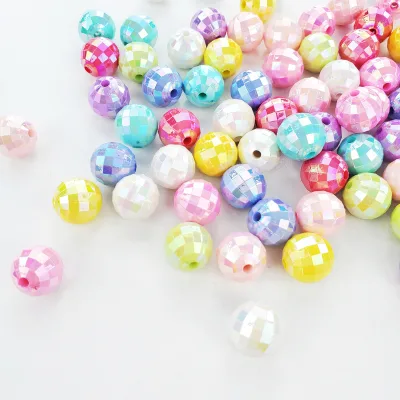
Find and compare 30 listings for Multi-Color Acrylic Beads for Bracelet projects and decorative applications. Options include round, heart, and bluebell shapes in various diameters from Zhejiang, China, with customization available for home textiles and garments.
Key considerations
Products List
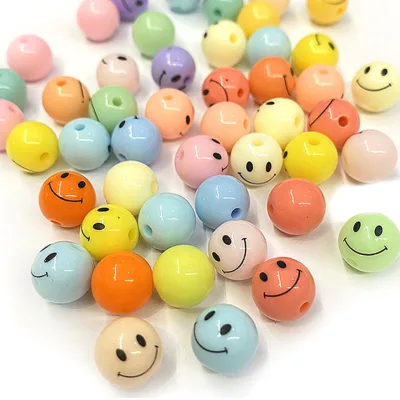


Acrylic Beads Various Shape Loose Plastic Imitation Pearl Beads for Jewelry Making
$0.06 - $0.10
MOQ: 10000 Pieces


Bulk Acrylic Beads for Bracelet Making Mixed Color Flower Star Smile for Children
$1.17 - $1.24
MOQ: 300 Pieces





Comprehensive Sourcing Guide
Multi-Color Acrylic Beads for Bracelet Sourcing Guide
Sourcing multi-color acrylic beads for bracelet manufacturing requires a clear understanding of the material properties and the specific aesthetic goals of the final product. The available market data indicates a strong presence of suppliers in Zhejiang, China, offering beads in diverse shapes including round, square, heart-shaped, and bluebell forms. These beads are typically crafted from acrylic, plastic, or lucite, providing a lightweight alternative to glass or stone while maintaining a vibrant, colorful appearance suitable for DIY projects and commercial jewelry lines.
Buyers must navigate a wide range of customization options, as many listings confirm that customization is available for both color and shape. The observed product attributes highlight that these beads can be painted or treated with hot-fix techniques, allowing for varied surface finishes ranging from simple painted looks to shining treatments. This flexibility supports the creation of unique bracelet designs, from simple string-of-beads styles to more complex garment and home textile applications, provided the buyer verifies the specific technical capabilities of the chosen supplier.
Product Scope and Observed Listing Signals
The product scope for multi-color acrylic beads encompasses a broad spectrum of sizes, with observed diameters ranging from 8 mm to 20 mm, alongside specialized shapes like hearts and bluebells that may have distinct standard dimensions. Listings indicate that these items are often sold as single items or in polybags weighing between 0.5 kg and 1 kg, with some suppliers offering bulk packaging options upon request. The color palette is extensive, described variously as "colorful," "muticolor," "yellow," or "all kinds of color," suggesting that buyers should expect a high degree of variety but must confirm specific color availability for their design needs.
Commercial signals from the market show a significant variance in Minimum Order Quantities (MOQ), ranging from as low as 1 unit to as high as 10,000 units, which allows for both small-scale prototyping and large-volume production runs. The price range observed is equally broad, spanning from $0.04 to $1,850, reflecting differences in order volume, packaging complexity, and specific model numbers such as ACBS1001 or LB0001. Buyers should treat these price points as indicative of the market's diversity rather than fixed rates, understanding that the final cost will depend heavily on the specific model selected and the negotiated commercial terms.
Technical Specifications to Verify
When evaluating technical specifications, the primary focus should be on the consistency of the bead diameter and the accuracy of the shape dimensions, as these directly impact the fit and finish of the bracelet. The data shows specific standard sizes like 10 mm, 16.2 mm, and 17 mm, as well as larger dimensions such as 46 mm and 65 mm x 55 mm for specialized components. Buyers must verify that the supplier can consistently produce the exact diameter required for their design, as the observed range includes everything from small 8 mm beads to larger 20 mm options, and mixing sizes without precise tolerance control can lead to assembly issues.
Surface treatment and material composition are equally critical verification points, as the listings mention both "painted" and "hot-fix" techniques alongside materials like acrylic, plastic, and lucite. The "shining" surface treatment observed in some listings suggests a specific finish that may require different handling or bonding methods compared to matte or painted surfaces. Additionally, the single package size of 20x11x7 cm and gross weight of 0.650 kg provide logistical benchmarks that buyers should use to validate shipping estimates and ensure that the packaging protects the beads during transit without adding unnecessary bulk.
Compliance and Safety Documentation
While the supplied product facts do not explicitly list specific safety certifications, the nature of acrylic beads used in jewelry and crafts necessitates a rigorous verification of compliance with international safety standards. Buyers should request documentation confirming that the materials used, particularly the acrylic and plastic components, are free from harmful substances like lead or phthalates, which are common concerns in products intended for personal wear or children's crafts. The absence of explicit certification data in the general listing signals means that the buyer must proactively ask for test reports or material safety data sheets (MSDS) to ensure the beads meet the regulatory requirements of their target market.
For products intended for export, verifying adherence to relevant standards is essential, even if the specific standard is not listed in the initial product description. Although ISO 27001 is mentioned in the background context, it is an information security standard and not a product safety certification; therefore, buyers should focus on product-specific standards such as EN71 for toys or REACH for chemical safety in the EU. The supplier's ability to provide samples for independent testing is a key indicator of their commitment to quality and compliance, and this capability is explicitly noted as available in the observed product attributes.
Cost Drivers and Commercial Terms
The cost of multi-color acrylic beads is driven by several factors, including the complexity of the shape, the specific surface treatment applied, and the volume of the order. The observed MOQ range of 1 to 10,000 units suggests that unit costs will decrease significantly as order volume increases, but buyers must balance this against their inventory needs and cash flow constraints. The availability of customization, such as specific colors or shapes, often incurs additional tooling or setup fees, which should be clarified before placing an order to avoid unexpected cost overruns.
Commercial terms regarding packaging and shipping are also critical cost drivers, as the observed packing options range from simple polybags to custom boxes. The weight of the product, noted as 0.5 kg per polybag or 0.650 kg gross weight, directly influences freight costs, and buyers should calculate these logistics expenses into their total landed cost. Furthermore, the lead time and the ability to supply samples, which are listed as available, should be factored into the procurement timeline, as rush orders or custom sample requests may carry premium charges or extended delivery windows.
Supplier Qualification and Quality Control
Qualifying a supplier for multi-color acrylic beads requires a thorough review of their production capabilities and their history of delivering consistent quality. The presence of multiple model numbers, such as NBDH20DH0086 and LB0001, indicates that suppliers often manage a diverse catalog, and buyers should verify that the specific model they intend to purchase is a core product rather than a discontinued or experimental item. Checking the supplier's location in Zhejiang, China, can provide insights into their supply chain maturity, as this region is a known hub for plastic and acrylic manufacturing, but it does not guarantee quality without further due diligence.
Quality control measures should be established early in the relationship, focusing on the consistency of color, shape, and surface finish. Since the product attributes mention "painting" and "hot-fix" techniques, buyers should request samples to verify that the color is uniform and that the surface treatment does not chip or fade easily. The ability to request samples is a positive signal, but buyers should also consider implementing a pre-shipment inspection protocol to ensure that the bulk order matches the approved sample in terms of diameter, weight, and overall aesthetic quality.
Long-Term Procurement Checks
Establishing a long-term procurement relationship for multi-color acrylic beads involves regular performance reviews and continuous quality monitoring to ensure consistency over time. Buyers should track the supplier's ability to meet delivery schedules and maintain the specified dimensions and colors across multiple production runs, as variations in the acrylic molding process can lead to inconsistencies in bead size and shape. Regular communication regarding any changes in material sourcing or production techniques is essential to prevent unexpected shifts in product quality that could affect the final bracelet design.
As the market evolves, buyers should also monitor the supplier's adaptability to new trends and customization requests. The observed availability of customization suggests that the market is dynamic, and a reliable supplier should be able to scale production up or down based on demand fluctuations. Maintaining a clear record of all technical specifications, test results, and commercial agreements will help in resolving any disputes and ensuring that the long-term partnership remains mutually beneficial and aligned with the buyer's quality standards.
FAQs
What materials are used for these multi color acrylic beads?
The beads are primarily made from acrylic, plastic, and Lucite materials. These components provide a durable and lightweight structure suitable for various crafting applications. The material choice ensures consistent quality across different color options and shapes, making them reliable for bulk production needs.
What shapes and sizes are available for these beads?
Available shapes include round, square, heart-shaped, and bluebell-shaped designs. Sizes range from 6mm to 65mm, with specific diameters like 8mm, 10mm, 12mm, 14mm, 16mm, 18mm, and 20mm offered for standard items. Custom sizes are also available upon request to meet specific project requirements.
Can these beads be customized for specific projects?
Yes, customization is available for these acrylic beads. Buyers can request specific sizes, colors, and packaging options to suit their unique needs. The supplier supports tailored orders, allowing for flexibility in design and quantity, which is ideal for specialized DIY or commercial decoration projects.
What are the typical usage applications for these beads?
These beads are versatile and suitable for DIY crafts, home textile decoration, garments, hats, and bags. They are commonly used for making necklaces, string of beads, and other decorative items. The simple style and colorful options make them ideal for both personal crafting and commercial accessory production.
What is the origin and brand of these acrylic beads?
The beads originate from Zhejiang, China, and are branded under HANMAI. This origin ensures access to established manufacturing hubs known for plastic and acrylic product quality. The brand provides a consistent source for buyers seeking reliable suppliers for bulk orders of multi-color acrylic beads.
How are these beads packaged and shipped?
Packaging options include 0.5kg or 1kg per polybag, or as requested by the buyer. Standard packing may also involve bags or boxes depending on the specific model. This flexible packaging ensures safe transport and allows for customization based on the buyer's logistical preferences and storage requirements.