Source Magnesium Stearate Plastic Auxiliary Agent for PVC Stabilizer, Lubricant, and Tablet Flow Aid
Find and compare 30 listings for Magnesium Stearate Plastic Auxiliary Agent, including PVC heat stabilizers and food-grade reagents. Evaluate specifications such as 99% purity, powder appearance, and packaging options from Chinese suppliers to identify suitable industrial and laboratory applications.
Key considerations
Products List


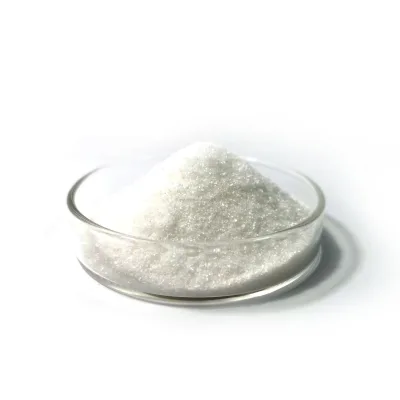


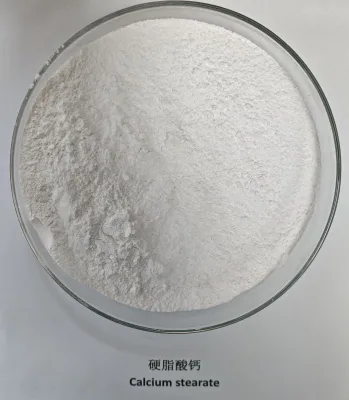


Plastic Auxiliary Agents Calcium Stearate for PVC Heat Stablier Lubricant
$1820.00 - $1920.00
MOQ: 1 Tons

Comprehensive Sourcing Guide
Magnesium Stearate Plastic Auxiliary Agent Sourcing Guide
Sourcing magnesium stearate as a plastic auxiliary agent requires a nuanced understanding of its dual role as a lubricant and a stabilizer in polymer processing. While the product is widely recognized for its use in pharmaceutical tablet compression, its application in the plastics industry—particularly with PVC—relies on its ability to reduce friction during extrusion and molding. Buyers must distinguish between technical-grade materials intended for industrial processing and higher-purity grades designed for food or medical contact, as the impurity profiles and regulatory requirements differ significantly. The core keyword here is not just the chemical identity but the specific functional performance within the plastic matrix, where it acts to prevent sticking to metal surfaces and ensures uniform flow.
The procurement landscape for this material is characterized by a wide variance in product specifications, ranging from basic industrial grades to high-purity reagents. Observed listings indicate a broad price range and varying minimum order quantities, reflecting the diverse needs of different manufacturing sectors. Buyers should approach this category with the understanding that "magnesium stearate" is a generic term that encompasses multiple grades, each with distinct physical properties such as particle size, moisture content, and fatty acid composition. Successful sourcing depends on aligning the specific technical requirements of the plastic formulation with the correct grade of magnesium stearate, rather than assuming all listings are interchangeable.
Product Scope and Observed Listing Signals
The observed market signals for magnesium stearate reveal a product ecosystem that spans multiple industrial applications, from plastic auxiliary agents to food additives and analytical reagents. Listings frequently highlight attributes such as high purity levels, specific packaging formats like 20kg or 25kg bags, and certifications such as REACH and CCIC. These signals indicate that suppliers are catering to a broad customer base, including plastic manufacturers, food processors, and laboratory researchers. The presence of "food grade" and "plastic auxiliary agent" models in the same search results underscores the importance of verifying the intended use case before placing an order, as the quality control standards for each application are distinct.
Appearance and physical state are critical indicators of product suitability, with powder being the most common form observed for plastic processing applications. The white color and specific density values noted in listings provide baseline data for quality assessment, but buyers must recognize that these are observational facts rather than universal guarantees for every supplier. The diversity in packaging, from kraft bags to standard paper bags, suggests that logistics and storage conditions may vary by supplier. Buyers should interpret these listing signals as starting points for inquiry, using them to narrow down potential suppliers who can meet the specific physical and functional requirements of their plastic production lines.
Technical Specifications to Verify
Verifying the purity and chemical composition of magnesium stearate is the first critical step in ensuring compatibility with plastic formulations. Listings often cite purity levels such as 99% or specific grade standards like AR (Analytical Reagent) or technical grades. Buyers must confirm that the magnesium content and stearic acid ratio meet the tolerances required for their specific plastic application, as deviations can affect the lubricity and stability of the final product. It is essential to request detailed certificates of analysis (COA) that specify the exact fatty acid profile, ensuring that the product contains the correct balance of stearic acid and palmitic acid, which influences its performance as a lubricant.
Physical properties such as melting point, boiling point, and particle size distribution are equally important for process optimization. The observed melting point of approximately 200°C and boiling point of 359.4°C provide reference data, but buyers should verify these values against their processing temperatures to prevent degradation or ineffective lubrication. Additionally, the volatility and stability of the material must be assessed to ensure it remains effective under the high-shear conditions of plastic extrusion. Buyers should inquire about the specific surface area and flowability of the powder, as these factors directly impact the mixing efficiency and dispersion within the plastic matrix, which are crucial for consistent product quality.
Compliance and Safety Documentation
Compliance with international regulations is non-negotiable when sourcing magnesium stearate for plastic applications, especially if the end product will come into contact with food or consumers. Certifications such as REACH and CCIC, as observed in some listings, indicate adherence to specific chemical safety and inspection standards. Buyers must verify that the supplier can provide up-to-date compliance documentation that aligns with the regulatory requirements of their target market, whether it is the European Union, North America, or Asia. This includes ensuring that the material does not contain prohibited heavy metals or other contaminants that could compromise the safety of the final plastic product.
Safety data sheets (SDS) and handling guidelines are essential components of the procurement package, providing critical information on storage, handling, and emergency procedures. Buyers should ensure that the supplier provides comprehensive SDS documents that detail the material's hazards, first-aid measures, and disposal requirements. Given that magnesium stearate is often used in large quantities, proper storage conditions to prevent moisture absorption and clumping are vital for maintaining product integrity. Buyers should also verify that the supplier follows good manufacturing practices (GMP) if the material is intended for use in applications with stringent hygiene standards, such as medical devices or food packaging.
Cost Drivers and Commercial Terms
The cost of magnesium stearate is influenced by several factors, including the grade of purity, packaging requirements, and the volume of the order. Observed price ranges and minimum order quantities (MOQs) vary significantly, reflecting the different market segments served by suppliers. Buyers should analyze the total cost of ownership, which includes not only the unit price but also shipping, handling, and potential costs associated with quality failures. Higher purity grades, such as those labeled as "food grade" or "AR," typically command a premium price due to the more rigorous production and testing processes involved.
Commercial terms such as payment methods, delivery times, and return policies play a crucial role in the procurement process. Common payment terms like T/T (Telegraphic Transfer) and L/C (Letter of Credit) offer varying levels of security for both buyers and suppliers. Buyers should negotiate clear delivery schedules, as prompt delivery is often cited as a key attribute, to ensure that production lines are not disrupted by material shortages. Additionally, understanding the supplier's return and refund policies in case of non-conforming goods is essential for mitigating risk. Buyers should also consider the impact of currency fluctuations and freight costs on the final landed cost, especially when sourcing from international suppliers.
Supplier Qualification and Quality Control
Supplier qualification is a critical step in ensuring a reliable supply chain for magnesium stearate. Buyers should conduct thorough due diligence on potential suppliers, verifying their manufacturing capabilities, quality management systems, and track record in the industry. The presence of inspection services like SGS in some listings suggests that third-party verification is available, which can provide an additional layer of confidence in the product's quality. Buyers should request samples for testing before committing to large orders, allowing them to evaluate the material's performance in their specific plastic processing applications.
Quality control processes should be clearly defined and agreed upon with the supplier, including specifications for incoming inspection, in-process monitoring, and final product release. Buyers should inquire about the supplier's procedures for handling non-conforming materials and their commitment to continuous improvement. Establishing a clear communication channel for addressing quality issues is essential for maintaining a productive relationship. Buyers should also consider the supplier's ability to provide consistent quality over time, as variations in raw materials or production processes can impact the performance of the magnesium stearate in plastic applications.
Long-Term Procurement Checks
Long-term procurement success depends on establishing a robust framework for ongoing supplier evaluation and performance monitoring. Buyers should implement regular audits and reviews to assess the supplier's adherence to agreed-upon quality standards, delivery schedules, and commercial terms. This includes tracking key performance indicators (KPIs) such as on-time delivery rate, defect rate, and responsiveness to issues. By maintaining a proactive approach to supplier management, buyers can identify and address potential problems before they impact production, ensuring a stable and reliable supply of magnesium stearate.
Continuous improvement and innovation are also key aspects of long-term procurement. Buyers should engage with suppliers to explore opportunities for cost optimization, process improvements, and product enhancements. This collaborative approach can lead to better value and performance over time, benefiting both the buyer and the supplier. Additionally, staying informed about industry trends, regulatory changes, and technological advancements in plastic processing can help buyers make informed decisions about their sourcing strategies. By fostering a strong partnership with qualified suppliers, buyers can secure a competitive advantage in the market and ensure the long-term success of their plastic production operations.
FAQs
What is the purity level of this calcium stearate?
The product offers high purity at 99 percent. It is available in food grade and analytical reagent grades suitable for various industrial and laboratory applications requiring strict quality standards.
Can I request customization for this plastic auxiliary agent?
Yes, customization is available for this product. Buyers can specify requirements to tailor the material for specific uses such as PVC stabilization or as a flow aid in direct pressure tablets.
Which certifications does this calcium stearate hold?
The product holds REACH and CCIC certifications. These credentials ensure compliance with environmental protection standards and safety regulations for use in plastics and food additive applications.
How is the product packed and shipped?
The product is packed in 20kg, 25kg, or 10kg bags made of kraft or paper material. Delivery is prompt, ensuring efficient logistics for buyers requiring immediate supply of the white powder.
What is the melting point of this reagent?
The melting point is 200 degrees Celsius. This physical property makes it suitable for high-temperature processing applications in the plastic industry and as a stabilizer in various chemical formulations.
Where is this calcium stearate manufactured?
The product originates from China, specifically Anhui, Huainan. This location supports the supply chain for imported reagents and technical grade materials used in biological and industrial purposes.