Source Magnesium Myristate for Organic Synthesis, cosmetics, and detergency
Compare 30 listings for Magnesium Myristate for Organic Synthesis from verified Chinese suppliers. Review specifications like purity, appearance, and packaging to find the right material for chemical intermediates or cosmetic raw materials.
Key considerations
Products List


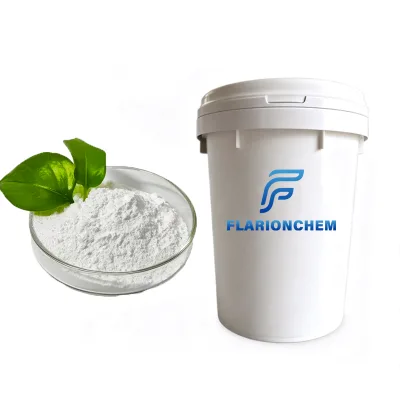


Magnesium Myristate/Bis(tetradecanoic Acid)magnesium Salt CAS 4086-70-8
$8.12 - $203.01
MOQ: 1 Minimum




Comprehensive Sourcing Guide
Strategic Sourcing Guide for Magnesium Myristate in Organic Synthesis
Procuring high-purity Magnesium Myristate for Organic Synthesis requires a disciplined approach that balances chemical specifications with supply chain reliability. This guide provides evidence-based insights for buyers evaluating potential suppliers, focusing on the specific attributes observed in current market listings. The objective is to navigate the complexities of sourcing industrial-grade chemical intermediates while ensuring compliance with safety standards and application requirements.
Technical Specifications and Chemical Identity
Understanding the precise chemical identity of magnesium myristate is the first step in any procurement strategy. The substance is chemically defined by the molecular formula C14H30MgO2 and is identified by the CAS No. 4086-70-8. In the current market, this compound is often categorized under Syntheses Material Intermediates, serving as a critical building block for various organic chemical processes. Buyers must distinguish between different grades available, as the application dictates the necessary purity levels.
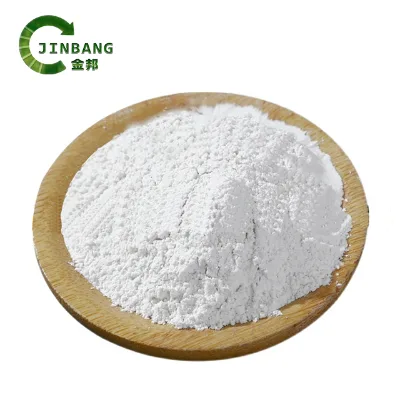
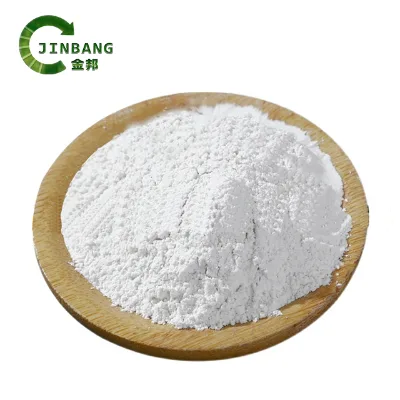
Market observations indicate a divergence in product specifications. Some listings highlight a purity of 98% minimum, while others specify a 99% purity threshold. The physical appearance varies significantly based on the grade and processing method; some products are listed as white powder, while others appear as a yellow liquid. This discrepancy underscores the necessity for buyers to verify the physical state required for their specific synthesis reactions. For instance, a reaction requiring a solid dispersant will differ fundamentally from one requiring a liquid surfactant.
The LogP value, estimated at 6.091, suggests a high lipophilicity, which is a crucial parameter for understanding solubility and partitioning behavior in organic synthesis. Additionally, the EINECS No. 223-817-6 serves as a regulatory identifier for the European market, ensuring the substance is recognized within established chemical inventories. When evaluating product data sheets, buyers should cross-reference the Model Number, such as RFSCY068 or FL-4086-70-8, to ensure consistency with the specific batch and grade being ordered.
Compliance, Certification, and Regulatory Standards
Regulatory compliance is non-negotiable when sourcing chemical raw materials for international trade. The supply chain for magnesium myristate often involves multiple jurisdictions, requiring adherence to various safety and environmental standards. Current market data confirms that suppliers frequently provide MSDS (Material Safety Data Sheets) and CE certification, which are essential for safe handling and transport within regulated markets.
The origin of the product plays a significant role in compliance. Most observed listings indicate a place of origin in China, specifically within the Shandong province. This geographic concentration suggests a mature supply chain but also necessitates rigorous verification of local export regulations. Buyers must ensure that the supplier can provide documentation proving the product meets the standards of the destination country, whether it is the USA, Germany, or the Middle East.
Quality grading is another critical compliance factor. While some products are labeled as "Food Grade B," others are designated as "Industrial Grade." The distinction is vital; a material suitable for organic synthesis may not meet the stringent purity requirements for food applications, and vice versa. The observed standard of 98% minimum purity for certain grades and 99% for others must be explicitly confirmed in the contract. Buyers should verify that the "Industrial Grade" designation aligns with the specific tolerance limits of their synthesis process to avoid contamination issues.
Cost Drivers and Pricing Dynamics
The pricing of magnesium myristate is influenced by a complex interplay of raw material costs, processing complexity, and logistical factors. The raw material base is identified as coal in some listings, which can introduce volatility in pricing depending on global energy markets and coal extraction costs. However, the final price is not solely determined by the raw material but also by the refining process required to achieve the stated purity levels.
Observed price ranges in the market span from 1 to 1100 USD. This wide variance is likely driven by differences in packaging, purity, and order volume rather than a single uniform price point. The Minimum Order Quantity (MOQ) also acts as a significant cost driver, with observed ranges from 1 to 1000 units. Buyers purchasing small quantities for testing may face a higher per-unit cost compared to those placing bulk orders that utilize economies of scale.
Packaging costs are embedded in the overall price structure. Standard packaging includes 25kg Kraft Bags with an internal plastic PE bag, or 25kg drums. The requirement for palletized shipping adds to the logistical cost but ensures product integrity during transit. Buyers should analyze the total landed cost, including shipping fees for air or sea transport, rather than focusing solely on the unit price. The availability of stock is another factor; products listed as "with stock" may command a premium over those requiring a production lead time of 7-15 days.
Typical Applications and Functional Attributes
Magnesium myristate serves diverse functions in the chemical industry, primarily as a raw material for organic synthesis and as a component in cosmetic formulations. The product is explicitly listed for use in the "Dermal System" and for "Cosmetic Raw Materials," indicating its utility in creating stable emulsions or as a thickening agent in personal care products. However, for the core keyword of organic synthesis, the material functions as a synthesis material intermediate.
The functional attributes observed include "Detergency" and "Solubility in water," which are relevant for specific reaction environments. The refined quality of the product ensures consistent performance in these applications. In organic synthesis, the material may be used to introduce magnesium ions or myristate groups into complex molecular structures. The high purity levels, ranging from 98% to 99%, are essential to prevent side reactions that could compromise the yield or quality of the final product.
The versatility of the product is further highlighted by its availability in different physical forms. While the powder form is common for solid-state reactions, the liquid form with a density of 1.1 may be preferred for liquid-phase synthesis or mixing processes. Buyers must align the physical form of the purchased material with their reactor design and process flow to ensure efficient integration into their production lines.
Supplier Evaluation and Market Reach
Evaluating suppliers requires a focus on their operational capacity, geographic reach, and customer base. The current market shows a strong presence of suppliers serving a global clientele, including customers in Korea, Russia, Germany, USA, Turkey, and the Middle East. This international footprint suggests that these suppliers are experienced in handling cross-border logistics and regulatory compliance.
When assessing a potential supplier, buyers should verify the availability of samples for testing. Most listings indicate that samples are offered, which is a critical step in validating the product quality before committing to a large order. The ability to provide samples demonstrates the supplier's confidence in their product and their willingness to engage in a transparent evaluation process.
The brand name "FLARIONCHEM" appears in the market data, representing one of the known entities in this sector. However, buyers should not rely on brand recognition alone. Instead, they should evaluate the supplier's technical support capabilities, their ability to customize products, and their track record for on-time delivery. The observation that products are available with stock indicates a readiness to fulfill immediate orders, while the 7-15 day delivery window for other items suggests a need for advance planning in the procurement schedule.
Quality Control and Procurement Considerations
Maintaining quality control throughout the procurement lifecycle is essential for successful organic synthesis. Buyers must implement rigorous verification protocols to ensure that the received material matches the specifications provided in the product data sheet. This includes verifying the appearance, color, and purity levels against the stated standards. The observed variations in color, from white to yellow, necessitate visual inspection upon receipt.
Long-term procurement considerations involve establishing a reliable supply chain that can adapt to changing market conditions. The availability of customization options allows buyers to tailor the product to their specific needs, such as adjusting the particle size or packaging format. The standard packaging of 25kg bags or drums is designed to protect the product during shipping, but buyers should confirm that the internal PE bag provides sufficient moisture protection, especially given the hygroscopic nature of some magnesium salts.
Lead times are a critical factor in supply chain planning. With delivery windows ranging from immediate stock availability to 7-15 days, buyers must align their production schedules with the supplier's capabilities. The use of air or sea shipping offers flexibility, but the choice depends on the urgency of the order and the cost sensitivity of the project. By maintaining a clear understanding of these variables, buyers can mitigate risks associated with supply disruptions and ensure a steady flow of high-quality magnesium myristate for their organic synthesis operations.
Conclusion
Sourcing Magnesium Myristate for Organic Synthesis demands a comprehensive understanding of technical specifications, regulatory requirements, and market dynamics. By focusing on the verified attributes such as CAS numbers, purity levels, and physical forms, buyers can make informed decisions that align with their production goals. The availability of samples, diverse packaging options, and a global customer base provides a robust framework for establishing successful supplier relationships. Ultimately, the key to successful procurement lies in rigorous quality control, clear communication of requirements, and a strategic approach to managing cost and lead time variables.
FAQs
What certifications are available for magnesium myristate?
Suppliers commonly provide MSDS and CE certification for this product. These documents ensure safe handling and transport compliance for international trade, particularly when shipping to regulated markets like the USA or Germany.
Can I get samples before placing a bulk order?
Yes, samples are offered for testing purposes by most vendors. This allows buyers to verify purity levels and physical appearance, such as white powder or yellow liquid, before committing to larger quantities ranging from 1 to 1000 units.
What is the typical lead time for delivery?
Delivery typically occurs within 7 to 15 days for items not currently in stock. Some products are available with immediate stock, while others require a short production window depending on the specific model number and grade requested.
Which packaging options are available for this chemical?
Standard packaging includes 25kg Kraft Bags with an internal plastic PE bag or 25kg drums. These units are often shipped with pallets to ensure product integrity during air or sea shipping to destinations like Korea or Turkey.
How does the purity level affect the product grade?
Purity levels vary between 98% minimum and 99% depending on the specific grade. Industrial Grade products may meet different tolerance limits compared to Food Grade B, so buyers must confirm the exact standard required for their synthesis process.
Where are the primary manufacturing locations for this item?
The product originates primarily from Shandong, China, where a mature supply chain exists. Buyers should verify that suppliers from this region can meet the specific export regulations required for their destination market in the Middle East or Europe.
Can the product be customized for specific needs?
Customization is available to tailor the product to specific synthesis requirements. Buyers can request adjustments to specifications or packaging formats, ensuring the material aligns with their reactor design and process flow for organic chemical applications.