Source magnetic closure eco-friendly gift box for Cosmetics, Electronics, and Gifts
Find 30 listings for magnetic closure eco-friendly gift box options suitable for cosmetics, electronics, and general gifts. Compare customization features, material types, and surface handling processes from verified suppliers in China.
Key considerations
Products List


Custom High-Quality Rigid Gift Box Magnetic Gift Box with Magnetic Closure
$0.80 - $2.80
MOQ: 500 Pieces


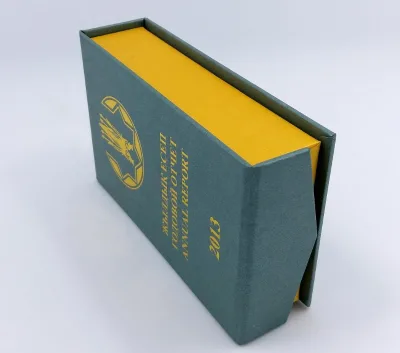


Comprehensive Sourcing Guide
Sourcing Guide for Magnetic Closure Eco-Friendly Gift Boxes
The global demand for sustainable packaging has elevated the magnetic closure eco-friendly gift box from a niche luxury item to a standard requirement for premium brands. These boxes offer a distinct unboxing experience through their secure magnetic latching mechanism while adhering to strict environmental mandates. For procurement professionals, navigating the market requires a clear understanding of the specific material constraints, manufacturing processes, and compliance standards that define this category. The following guide synthesizes observed market data to provide a disciplined framework for sourcing these products without relying on unverified claims or speculative data.
Technical Specifications and Material Composition
The foundation of a high-quality magnetic gift box lies in its material composition and structural integrity. Based on current market observations, the primary material for these units is paper, specifically utilizing cardboard as the base substrate. This choice aligns with the core requirement for eco-friendly sourcing, as the material is explicitly noted as recyclable and environmentally friendly. The thickness of the board is a critical technical parameter, typically ranging between 1mm and 3mm. This specific range ensures the box maintains rigidity to protect the contents while remaining flexible enough for the magnetic closure to engage effectively without cracking the material.
Dimensions are highly variable, with the market offering both small and middle-sized options. While some listings specify a "custom size" standard, others indicate a "customized" dimension approach, suggesting that buyers must define their exact requirements rather than relying on off-the-shelf dimensions. The weight of the finished product generally falls into two observed categories: units weighing less than 0.5 kg and those between 0.5 kg and 1 kg. This variance depends heavily on the density of the cardboard and the inclusion of internal inserts.
Internal inserts play a significant role in the product's functionality and protection. Common insert materials observed in the supply chain include EVA, sponge, paper card, plastic, foam, and EPE (Expanded Polyethylene). These inserts are selected based on the specific product being packaged, such as electronics, cosmetics, or jewelry. The box itself is rectangular in shape, a standard form factor that maximizes storage efficiency and allows for the "fold to reduce storage space and transportation cost" function, which is a key logistical advantage for buyers managing inventory.
Surface Finishing and Branding Capabilities
Visual presentation is paramount for gift packaging, and the surface handling techniques employed define the perceived value of the box. The market supports a wide array of finishing options, including hot stamping, offset printing, embossing, and spot UV. These processes allow for the application of logos and designs with high precision. Specifically, "With Logo Printing" is a standard attribute, and the color options are typically customizable to "any color" or "customized" to match brand identity.
For brands seeking a premium aesthetic, the use of gold foil paper is a notable option available in the supply chain. This material, combined with embossed or hot-stamped finishes, creates a high-end look suitable for cosmetics and skin care products. The surface finish can be further enhanced with embossing to add texture. When planning artwork, buyers must ensure their design files are compatible with the manufacturer's capabilities. Accepted file formats include PDF, AI (Adobe Illustrator), CDR (CorelDRAW), and Photoshop files. The printing page count is typically single-sided for the exterior, though internal branding may vary.
Compliance, Certification, and Environmental Standards
In the realm of eco-friendly packaging, verification of environmental claims is non-negotiable. Buyers must prioritize suppliers who can provide tangible proof of their sustainability commitments. The supply chain data indicates that reputable manufacturers often hold FSC (Forest Stewardship Council), SGS, and BV (Bureau Veritas) certificates. These certifications are crucial for validating that the paper used is sourced from responsibly managed forests and that the production processes meet international safety and quality benchmarks.
Furthermore, quality control is often managed by a dedicated QC team that operates under ISO certification standards. This ensures that the final product meets the "inner quality control" standards expected by international buyers. While FSC is a widely recognized standard, buyers should verify the specific certificate validity for each batch, as certification status can vary by supplier and region. The product origin is predominantly China, with specific manufacturing hubs noted in Dongguan, Guangdong. This location data is relevant for logistics planning but does not inherently dictate quality; rather, the presence of the aforementioned certifications serves as the primary indicator of compliance.
Cost Drivers and Procurement Parameters
Understanding the cost structure of magnetic closure boxes is essential for budgeting. The observed price range in the market spans from $0.01 to $10 USD per unit. This wide variance is driven by several factors, including the complexity of the design, the type of paper used (e.g., standard cardboard vs. gold foil), the quantity of surface finishing processes (e.g., spot UV vs. simple offset), and the inclusion of custom inserts.
The Minimum Order Quantity (MOQ) is another significant cost driver. Market data shows an MOQ range of 300 to 3000 units. However, some suppliers indicate that "Small Orders" are accepted, which may offer flexibility for startups or brands testing new product lines. The lead time for custom samples is typically 7 to 14 days, which is a critical factor for product launch timelines. For mass production, lead times will vary based on the complexity of the tooling and the volume ordered. Buyers should also consider the packaging of the goods themselves, which is typically done in export cartons to ensure safe transit.
Typical Applications and Industrial Use Cases
The versatility of magnetic closure gift boxes allows them to serve a diverse range of industrial uses. The primary applications observed include the packaging of electronic products, cosmetics, and health care products. In the electronics sector, the rigid structure and internal inserts provide necessary protection for delicate components. For the cosmetics and skin care industry, the high-end finish and magnetic closure offer a luxurious unboxing experience that enhances brand perception.
Beyond these primary sectors, the boxes are also utilized for jewelry, garments and shoes, greeting cards, letters, and general gifts. The "Arts and Crafts" usage suggests that these boxes can also serve as storage solutions for creative materials. The ability to customize the color, size, and surface finish makes these boxes adaptable to seasonal promotions, limited edition releases, and corporate gifting initiatives. The "Fold to Reduce Storage Space" feature is particularly valuable for industries that need to store large volumes of empty boxes before filling them, optimizing warehouse space and reducing shipping costs for empty inventory.
Supplier Evaluation and Quality Assurance
When evaluating potential suppliers, buyers should look beyond the basic product specifications and assess the supplier's operational capabilities. A key indicator of a reliable partner is the presence of a dedicated QC team with ISO certification. This suggests a systematic approach to maintaining consistency across production runs. Buyers should also verify the supplier's ability to handle custom artwork, ensuring they can process the required file formats (Ai, Pdf, CDR, Photoshop) without loss of quality.
The "prod_model" and "Model Number" fields in supplier listings, such as PM00207 or RET.PG.004, indicate that manufacturers often have specific internal SKUs for different box configurations. While these numbers are useful for reference, buyers should focus on the actual specifications rather than the model number itself. The brand name associated with the listing, such as "RL," may indicate the manufacturer or a trading entity, but buyers should not rely on brand reputation alone without verifying the underlying production capabilities.
Quality assurance should extend to the physical inspection of samples. Buyers must verify the strength of the magnetic closure, the alignment of the printed graphics, and the durability of the surface finish. The "inner quality control" standard mentioned in the data implies that suppliers should have internal checks in place before shipping. It is advisable to request pre-production samples to confirm that the "Custom Any Color" and "Custom Size" options can be executed precisely according to the buyer's specifications.
Long-Term Procurement Considerations
Sourcing magnetic closure eco-friendly gift boxes is not merely a transactional activity but a strategic decision that impacts brand image and supply chain resilience. The "Recyclable" and "Environmentally Friendly" attributes of the material are long-term assets that align with global sustainability trends. As regulations regarding packaging waste tighten, having a supply chain that prioritizes recyclable materials like cardboard and holds FSC certification will mitigate future compliance risks.
Buyers should also consider the scalability of their supplier. The ability to handle orders ranging from small batches to larger volumes (up to 3000 units and beyond) ensures that the supplier can grow with the brand. The "Customized" standard for dimensions and the availability of various inserts mean that the supplier can adapt to changes in product size or design without requiring a complete overhaul of the packaging line.
Finally, the logistics of the product must be factored into long-term planning. The "Standard Export Carton" packing ensures that the boxes arrive in good condition, but the "Fold to Reduce Storage Space" feature is equally important for inventory management. Buyers should calculate the volume savings of flat-packed boxes versus assembled ones to optimize their warehousing strategy. By focusing on suppliers who offer robust customization, verified certifications, and flexible production capabilities, buyers can secure a reliable supply of high-quality magnetic closure gift boxes that meet both functional and environmental goals.
FAQs
What materials are used for these eco-friendly gift boxes?
The primary material is paper, specifically cardboard, which is recyclable and environmentally friendly. Some premium options utilize gold foil paper to enhance the high-end aesthetic for cosmetics and jewelry packaging.
How thick are the magnetic closure boxes typically?
The board thickness typically ranges between 1mm and 3mm. This specific range ensures the box maintains sufficient rigidity to protect contents while allowing the magnetic closure to engage effectively without cracking.
Can I customize the size and color of the boxes?
Yes, the standard allows for custom sizes and any color customization to match brand identity. Buyers must define exact requirements as off-the-shelf dimensions are not the primary offering for this specific product type.
What certifications do the suppliers typically hold?
Reputable manufacturers often hold FSC, SGS, and BV certificates to validate sustainable sourcing and safety. Quality control is frequently managed by a dedicated team operating under ISO certification standards for inner quality assurance.
What is the minimum order quantity for these boxes?
The observed minimum order quantity ranges from 300 to 3000 units depending on the supplier. Some vendors accept small orders, offering flexibility for startups or brands testing new product lines before committing to larger volumes.
How long does it take to get a custom sample?
The lead time for custom samples is typically 7 to 14 days. This duration allows for the production of prototypes to verify the magnetic closure strength, print alignment, and surface finish quality before mass production.
Which surface finishing options are available for branding?
Available surface handling includes hot stamping, offset printing, embossing, and spot UV. These processes support logo printing and allow for high-precision application of designs using accepted file formats like PDF, AI, and CDR.