Source Magnetic Closure Cardboard Paper Tube for Packaging, Gifts, and Cosmetics
Find 30 verified listings for Magnetic Closure Cardboard Paper Tube designed for diverse industrial needs. Buyers can compare specifications, pricing, and customization options from multiple suppliers to identify the best fit for their packaging requirements.
Key considerations
Products List


Customized Round Paper Cardboard Cylinder Tube Wholesale Kraft Paper Tube
$0.14 - $0.42
MOQ: 100 Pieces


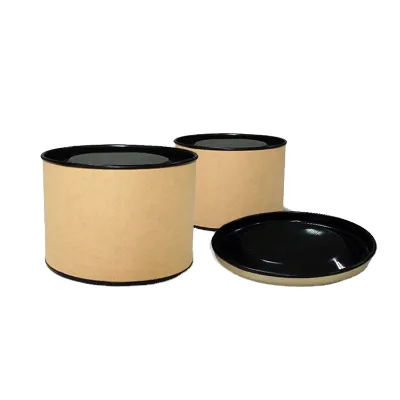

Paper Tube Cardboard Round Box Cylinder Cardboard Gift Paper Tube Packaging
$0.22 - $0.45
MOQ: 1000 Pieces


Round Kraft Paper Tube Packaging for Biodegradable Cardboard Paper Tube
$0.20 - $0.50
MOQ: 1000 Pieces

Customized Logo Recyclable Paper Packing Tubes for Tea Cardboard Tube Packaging
$0.20 - $0.50
MOQ: 1000 Pieces
Comprehensive Sourcing Guide
Strategic Sourcing Guide for Magnetic Closure Cardboard Paper Tubes
The global market for sustainable packaging has driven a significant shift toward high-performance paper-based solutions, with magnetic closure cardboard paper tubes emerging as a premium choice for luxury retail, cosmetics, and specialty goods. For procurement professionals, sourcing these items requires a nuanced understanding of material science, structural integrity, and supply chain logistics. Unlike standard screw-top or friction-fit containers, magnetic closure systems introduce specific engineering challenges regarding alignment, force retention, and component durability. This guide synthesizes available industry data and procurement best practices to assist buyers in navigating the complex landscape of paper tube manufacturing without relying on unverified claims or specific vendor promises.
Technical Specifications and Structural Engineering
The core functionality of a magnetic closure tube relies on the precise integration of the paperboard substrate and the embedded magnetic mechanism. The structural integrity of the tube is primarily determined by the density and layering of the cardboard, often referred to as paperboard or corrugated fiberboard depending on the specific application. While the supplied context lists various dimensions for different product models, such as sizes ranging from 16x82mm to 27.8x28.4x67.6mm, the specific diameter and height for a magnetic closure tube must be verified against the intended product load. The standard production capabilities for similar paper-based containers often accommodate diameters from 10mm up to 1000mm, indicating a broad range of potential customization for large-scale industrial or retail applications.
The magnetic component itself is a critical sub-assembly. In high-quality implementations, magnets are embedded within the lid and base or integrated into the rim to ensure a flush, seamless appearance. The force required to maintain closure varies based on the tube's diameter and the weight of the contents. Buyers must verify that the magnetic strength is sufficient to prevent accidental opening during transport but not so strong that it compromises the user experience. The material composition of the tube body is typically paper-based, often reinforced with plastic or aluminum layers in specific industrial contexts to enhance moisture resistance or structural rigidity. However, for standard cosmetic and gift applications, the focus remains on high-grade paperboard that can be easily printed and finished.
Compliance, Certification, and Material Safety
Ensuring that packaging materials meet international safety and environmental standards is a non-negotiable aspect of modern procurement. The supply chain for paper tubes is subject to various regulatory frameworks, particularly when the packaging is intended for food, cosmetics, or children's products. While the provided data mentions certifications such as ISO9001 and ISO, these are organizational quality management standards rather than specific product safety certifications. Buyers must explicitly request documentation for product-specific compliance, such as FSC (Forest Stewardship Council) certification for sustainable sourcing, which is a common requirement for eco-conscious brands.
Furthermore, the materials used in the construction of the tube, including adhesives, inks, and the magnetic elements, must be free from harmful substances. For cosmetics and personal care applications, the packaging must not leach chemicals into the product. The context notes that some suppliers offer MSDS (Material Safety Data Sheet) documentation, which is a critical verification step. Procurement teams should demand MSDS reports for all raw materials, including the paperboard, the magnetic inserts, and any coatings. Additionally, if the product is destined for markets with strict environmental regulations, verifying the recyclability of the materials is essential. The context highlights "recyclable" as a feature for certain paper products, but this claim must be validated against local recycling infrastructure capabilities.
Cost Drivers and Pricing Dynamics
The pricing of magnetic closure cardboard paper tubes is influenced by a complex interplay of factors, including material costs, customization levels, and order volume. The observed market data indicates a price range of $0.14 to $8.00 USD, reflecting the vast difference between standard, off-the-shelf units and highly customized, premium designs. Several variables drive these costs. First, the grade of paperboard significantly impacts the unit price; higher density boards that offer better rigidity and print quality command a premium. Second, the complexity of the magnetic closure mechanism adds cost. Simple snap-fit magnets are less expensive than embedded, hidden magnets that require precise molding or assembly.
Order volume is another primary cost driver. The observed Minimum Order Quantity (MOQ) ranges from 100 to 20,000 units, with specific instances noting MOQs of 24,000 pieces for certain cosmetic packaging. High-volume orders benefit from economies of scale, reducing the per-unit cost significantly. Conversely, low-volume orders often incur higher setup fees for die-cutting and custom printing. Customization is a major cost factor; the ability to customize dimensions, colors, and finishes is available in the market, but each variable adds to the production time and expense. Buyers should anticipate that "customized packing" and specific color matching will increase the lead time and unit cost compared to standard stock items.
Typical Applications and Industry Use Cases
Magnetic closure cardboard paper tubes serve a diverse range of industries, driven by their aesthetic appeal and functional utility. The most prominent application is in the cosmetics and personal care sector. The context explicitly lists "Cosmetics," "Lip Care," and "Women" as usage categories, with specific models designed for lip products and elegant packaging. The magnetic closure provides a satisfying tactile experience that enhances the perceived value of the product, making it ideal for high-end makeup, skincare, and fragrance items. The ability to customize the tube's color and finish allows brands to align packaging with their visual identity.
Beyond cosmetics, these tubes are widely used in the gift and craft industry. The context identifies "Gift & Craft" as an industrial use, highlighting the tubes' suitability for packaging artisanal goods, jewelry, and promotional items. The sturdy construction of paper tubes protects delicate items during shipping while offering a premium unboxing experience. In the industrial sector, similar paper-based tubes are utilized for wire and cable protection, machine protection, and as insulation sleeves for transformers and motors. While the magnetic closure is less common in heavy industrial applications, the underlying technology of paper tube manufacturing is versatile. The context notes applications for "Transformer," "Motor," and "Insulation Sleeving," suggesting that the same manufacturing facilities often produce both consumer and industrial packaging solutions.
Supplier Evaluation and Verification Protocols
Selecting the right supplier requires a rigorous evaluation process that goes beyond price comparisons. Buyers should prioritize suppliers who demonstrate transparency in their manufacturing capabilities and quality control processes. The context indicates that suppliers are located in key manufacturing hubs such as Tianjin and Ningbo, China. While these locations are known for robust manufacturing ecosystems, buyers must verify the specific capabilities of each vendor. A key evaluation metric is the supplier's ability to handle customization. The data confirms that customization is available, but the extent of this capability varies. Buyers should request samples to test the precision of the magnetic alignment and the durability of the closure mechanism.
Certification status is another critical evaluation point. While ISO9001 is a common certification mentioned in the context, it validates the supplier's quality management system rather than the specific product attributes. Buyers should look for evidence of product-specific testing and adherence to relevant industry standards. The presence of MSDS documentation is a strong indicator of a supplier's commitment to safety and compliance. Additionally, suppliers should be able to provide clear lead times and production schedules. The context mentions lead times and production capacities, but these are often variable. Establishing a clear communication channel and defining service level agreements (SLAs) is essential to ensure timely delivery.
Quality Control and Long-Term Procurement Considerations
Maintaining consistent quality in magnetic closure paper tubes requires a robust quality control (QC) framework. The primary areas of focus during QC should include the magnetic force consistency, the structural integrity of the tube, and the accuracy of the printing and finishing. The magnetic closure must engage reliably every time, and the alignment between the lid and the base must be precise to prevent gaps or misalignment. Structural integrity is crucial for protecting the contents; tubes must withstand stacking pressure and rough handling during logistics.
Long-term procurement considerations involve building a sustainable supply chain. Buyers should evaluate the supplier's commitment to environmental sustainability, including the use of recycled materials and eco-friendly inks. The context mentions "recyclable" as a feature, which aligns with global trends toward reducing plastic waste. Establishing a long-term partnership with a supplier who can scale production as demand grows is also vital. The observed MOQ ranges suggest that suppliers are capable of handling both small and large orders, but buyers should negotiate terms that allow for flexibility as market conditions change. Regular audits and performance reviews will help ensure that the supplier continues to meet quality and delivery standards over time.
Comparative Analysis of Product Attributes
To facilitate decision-making, the following table summarizes key attributes observed in the market for paper-based packaging solutions, highlighting the distinctions between different product types and their suitability for various applications.
| Attribute Category | Standard Paper Tube | Magnetic Closure Tube | Industrial Insulation Tube |
|---|---|---|---|
| Primary Material | Paperboard / Cardboard | Paperboard with Embedded Magnets | Paperboard / Plastic / Aluminum |
| Closure Mechanism | Friction / Screw / Lid | Magnetic Snap | Cap / Plug / Heat Seal |
| Typical Applications | General Packaging, Gifts | Cosmetics, Luxury Goods, Jewelry | Wire Protection, Motor Insulation |
| Customization Level | High (Size, Print) | Very High (Magnet placement, Finish) | Moderate (Diameter, Length) |
| Certification Focus | ISO9001, FSC | ISO9001, MSDS, FSC | ISO9001, Thermal Rating |
| MOQ Range | 100 - 5,000 | 2,000 - 24,000 | 100 - 20,000 |
| Key Performance Metric | Print Quality, Rigidity | Magnetic Force, Alignment | Thermal Rating, Voltage Resistance |
This comparison underscores the specialized nature of magnetic closure tubes. While they share material similarities with standard paper tubes, the addition of the magnetic mechanism requires higher precision in manufacturing and quality control. Buyers must weigh these additional requirements against the premium value they bring to the final product.
Final Procurement Recommendations
In conclusion, sourcing magnetic closure cardboard paper tubes requires a balanced approach that considers technical specifications, compliance requirements, and cost dynamics. Buyers should prioritize suppliers who offer transparent documentation, robust quality control, and the flexibility to meet customization needs. By focusing on these key areas, procurement professionals can secure a reliable supply chain that supports their brand's quality standards and sustainability goals. The market offers a wide range of options, from basic stock items to fully customized solutions, allowing buyers to tailor their packaging strategy to specific product requirements. As the industry continues to evolve, staying informed about material innovations and regulatory changes will be essential for maintaining a competitive edge in the global marketplace.
FAQs
What certifications do Magnetic Closure Cardboard Paper Tube suppliers typically hold?
Suppliers often hold ISO9001 and ISO certifications for quality management. Some vendors also provide MSDS documentation to verify material safety for cosmetic and gift applications.
How can I customize the dimensions of these paper tubes?
Customization is available for various specifications including diameters from 10 to 1000mm. Buyers can request specific sizes like 21.2x74.2mm or 16x82mm depending on their product needs.
Which locations are known for manufacturing these packaging tubes?
Manufacturing hubs include Tianjin and Ningbo in China. These regions host factories capable of producing customized packing solutions with pallet or carton packaging options.
What is the typical minimum order quantity for these tubes?
The minimum order quantity ranges from 100 to 20,000 units. Some specific cosmetic packaging models may require a higher MOQ of 24,000 pieces for production.
Can these tubes be used for industrial applications like wire protection?
Yes, similar paper-based tubes serve industrial uses such as wire and cable protection. They are also utilized for machine protection and as insulation sleeves for transformers and motors.
What materials are used to construct these magnetic closure tubes?
The primary material is paperboard, often reinforced with plastic or aluminum layers. Some industrial variants utilize organic insulation materials with thermal ratings up to F 155.