Source Magnetic Reed Switch for Home, Industry, and Security
Compare 30 wired Magnetic Reed Switch options for home, industry, and special equipment applications. Buyers can evaluate operating distances, housing materials, and installation methods to find the right sensor for door and window security systems; compare the available evidence and request quotations based on your requirements.
Key considerations
Products List


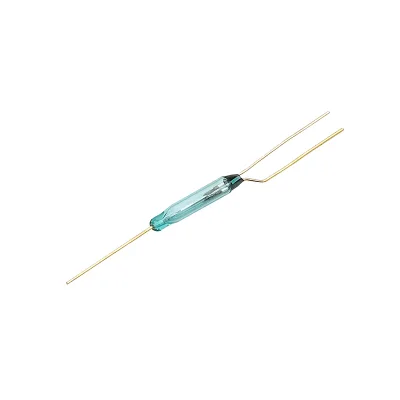
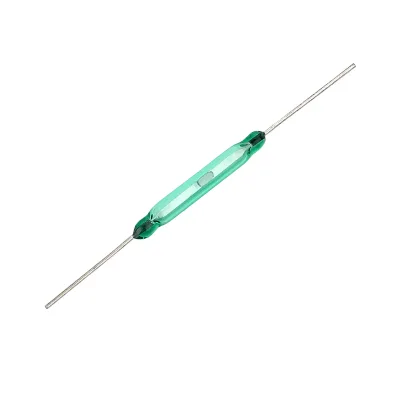


Comprehensive Sourcing Guide
Magnetic Reed Switch Sourcing Guide
Product Scope and Observed Listing Signals
The market for wired magnetic reed switches presents a diverse array of options tailored for both residential and industrial security applications. Buyers will encounter products designed for window and door installations, with specific models engineered for home use, special equipment, and communication electronic products. The observed listings indicate a strong emphasis on anti-theft alarm systems, where the primary function is detecting the opening of a door or window gap. These devices typically operate by sensing the separation between a magnet and a reed switch, triggering an alert when the magnetic field is disrupted.
Listing signals reveal significant variation in physical form factors and installation requirements. Some units are designed for outward installation with ABS housing available in white or brown colors, while others are built for embedment or recessed mounting to maintain a discreet profile. The observed product range includes models with operating distances ranging from 15mm to 40mm, allowing procurement teams to select sensors that match the specific gap tolerances of their target doors or windows. This variety ensures that buyers can find a solution that fits both aesthetic and functional constraints.
Technical Specifications to Verify
Procurement teams must carefully evaluate the operating distance and physical dimensions to ensure compatibility with existing infrastructure. Key specifications include the gap between the magnet and the switch, which can range from 15mm to 40mm depending on the model. Buyers should verify the product size, which varies from compact recessed units measuring approximately 6.8mm in diameter to larger outward-mounting units with dimensions around 50mm in length. The cable length is another critical factor, with some wired models featuring a standard 350mm cable to facilitate easy connection to control panels without requiring additional wiring extensions.
The electrical output and contact form are equally important for system integration. Most wired magnetic switches offer a Normally Closed (N.C.) output, though some suppliers provide Normally Open (N.O.) or changeover options to suit different alarm circuit designs. The connecting mode is typically wire-based, ensuring a stable signal transmission without the interference risks associated with wireless protocols. Buyers should also confirm the switch type, which is predominantly a reed switch, and check if the contact material, such as rhodium, meets the durability requirements for high-cycle environments.
Compliance and Safety Documentation
Regulatory compliance is a non-negotiable aspect of sourcing electronic security components, particularly when deploying them in international markets. Buyers should verify that suppliers provide valid CE and RoHS certification documents, which confirm adherence to European health, safety, and environmental protection standards. These certifications are frequently listed in product attributes and serve as a baseline indicator that the manufacturer follows recognized quality management practices. It is essential to request copies of these certificates to ensure they are current and applicable to the specific model being purchased.
Beyond basic certifications, buyers should inquire about additional quality standards such as ISO compliance, which may be offered by some suppliers to demonstrate robust manufacturing processes. The warranty period is another critical documentation element, with many providers offering a one-year warranty that covers manufacturing defects. Procurement teams should ensure that the warranty terms are clearly defined in the purchase agreement, including the process for returns or replacements. This documentation protects the buyer from potential losses due to premature component failure or inconsistent performance.
Cost Drivers and Commercial Terms
The pricing structure for magnetic reed switches is influenced by several factors, including the complexity of the housing, the length of the cable, and the volume of the order. Observed price ranges in the market are relatively low, reflecting the commodity nature of these basic sensors. However, buyers should be aware that customization options, such as specific colors or modified cable lengths, may incur additional costs. The minimum order quantity (MOQ) also plays a significant role in pricing, with suppliers often offering tiered discounts for larger bulk purchases ranging from small batches to tens of thousands of units.
Commercial terms should be negotiated with a clear understanding of the packaging and shipping requirements. Standard packing methods, such as placing ten sets per polyethylene bag, help protect the components during transit and reduce packaging waste. Buyers should clarify whether the quoted price includes shipping and duties, as these costs can significantly impact the total landed cost. Additionally, lead times should be confirmed, especially for customized orders, to ensure that the supply chain can meet project deadlines without causing delays in installation or deployment.
Supplier Qualification and Quality Control
Selecting a reliable supplier requires a thorough assessment of their manufacturing capabilities and quality control processes. Buyers should prioritize suppliers located in established electronics manufacturing hubs, such as Shenzhen, China, where a mature supply chain supports consistent production quality. It is advisable to request samples before placing large orders to physically inspect the build quality, including the durability of the ABS housing and the reliability of the wire connections. This hands-on verification helps identify potential issues with fit and finish that may not be apparent from product descriptions alone.
Quality control measures should include checks on the operating distance consistency and the integrity of the reed switch contacts. Buyers should ask suppliers about their testing procedures, such as how they verify the magnetic sensitivity and the electrical continuity of the output. A reputable supplier will have documented procedures for inspecting incoming materials and finished goods to minimize defect rates. Establishing a clear communication channel with the supplier’s technical support team can also help resolve any discrepancies quickly, ensuring that the delivered products meet the specified performance criteria.
Long-Term Procurement Checks
Sustaining a successful procurement relationship involves regular performance monitoring and periodic re-evaluation of supplier capabilities. Buyers should track the failure rate of installed magnetic reed switches over time to assess their long-term reliability. If a particular model shows signs of premature wear or inconsistent operation, it may be necessary to switch to a different supplier or model. Maintaining a diverse supplier base can mitigate the risk of supply chain disruptions and provide leverage in negotiations for better pricing and terms.
It is also important to stay updated on any changes in regulatory requirements or industry standards that may affect the use of these components. As security technologies evolve, buyers should be open to adopting newer models that offer improved features, such as enhanced weather resistance or longer operating distances. Regularly reviewing the product catalog and engaging with suppliers about new developments can help procurement teams remain competitive and ensure that their security systems are equipped with the most effective and reliable components available.
FAQs
What is the operating distance for wired magnetic door sensors?
The operating distance typically ranges from 15 to 40 millimeters depending on the specific model. For instance, the ZDD-419M operates between 20 and 30 millimeters, while the ZDD-416M covers 30 to 40 millimeters. This variation allows users to select the appropriate sensor based on the gap size of their doors or windows.
Which certifications are available for these magnetic reed switches?
Most wired magnetic switches carry CE and RoHS certifications to ensure compliance with safety and environmental standards. Some models, such as the ORD624, also include ISO certification. These certifications verify that the products meet rigorous quality requirements for use in home, industry, and communication electronic applications.
Can the Magnetic Reed Switch be customized for specific needs?
Yes, customization is available for these wired magnetic switches to suit various application requirements. Buyers can request specific modifications to meet unique project needs. This flexibility ensures that the sensors can be adapted for different installation types, including outward installation or embedment, across home and industrial settings.
What is the warranty period for the wired magnetic door contact?
The standard warranty period for these wired magnetic door contacts is one year. This warranty covers manufacturing defects and ensures product reliability during initial use. It provides buyers with confidence in the durability of the ABS housing and the internal reed switch mechanism used for detecting door or window gaps.
How are the magnetic switches packaged for shipment?
The inner packing typically consists of ten sets per polyethylene bag. The standard packing method ensures safe transport and protection of the components. This packaging format is designed to maintain the integrity of the sensors, which have compact dimensions like 50 by 14 by 12 millimeters, during logistics and handling.
What is the output configuration of the reed switch?
The output configuration is normally closed, with normally open and changeover options available for certain models. This flexibility allows integration into various alarm systems. The reed switch detects the opening of a door or window gap by breaking or making the circuit, ensuring reliable security monitoring.