Source Magnetic Rigid Cardboard Storage Box for Jewelry, Cosmetics, and Gifts
Compare 30 verified listings for the Magnetic Rigid Cardboard Storage Box tailored for jewelry, cosmetics, and gift packaging. Buyers can evaluate customization options, printing methods, and material thickness to find the ideal solution for their specific industrial use cases.
Key considerations
Products List


Custom Cardboard Rigid Magnetic Gift Box Recyclable Magnetic Packaging Box
$0.48 - $0.98
MOQ: 500 Pieces


Wholesale Custom Magnetic Gift Boxes Collapsible Rigid Boxes (Save 50% Storage)
$0.80 - $2.50
MOQ: 500 Pieces



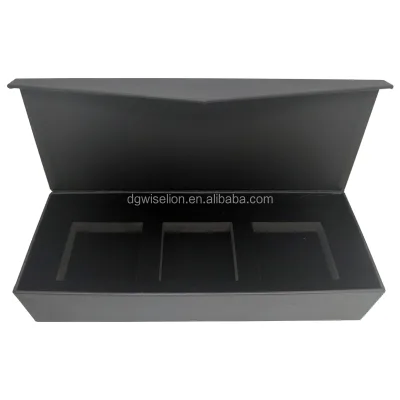

Luxury Rigid Gift Box with Magnetic Lid Cardboard Rigid for Gifts Packaging
$1.19 - $2.59
MOQ: 500 Pieces


Comprehensive Sourcing Guide
Strategic Sourcing Guide for Magnetic Rigid Cardboard Storage Boxes
Technical Specifications and Material Composition
When sourcing magnetic rigid cardboard storage boxes, buyers must first establish a clear understanding of the physical and material specifications that define product quality. The core material for these units is typically white cardboard, often specified as high-grade paperboard with a thickness ranging from 800 to 2000 GSM. This substantial weight per square meter ensures the rigidity required for the box to maintain its shape without external support, a critical feature for premium packaging applications. The structural integrity is further enhanced by the inclusion of internal inserts, which can be selected from options such as foam, paperboard, pulp trays, or blister trays to secure specific items during transit and display.
The dimensions of the boxes vary, with observed models falling into the "Middle" size category, though specific dimensions like 483333cm are available for certain configurations. The shape of the box is a primary design decision, with both rectangular and square profiles being common in the market. These geometric forms are essential for maximizing shelf space and ensuring a modern aesthetic that aligns with current retail trends. The weight of the finished product is another critical metric; observed units range from under 0.5 kg to approximately 1.5 kg, depending on the thickness of the cardboard and the density of the internal inserts.
Surface finishing plays a significant role in the perceived value of the storage box. Buyers should expect a variety of surface handling techniques, including screen printing, offset printing, UV printing, and hot stamping. The application of a logo is standard, with options for custom logos printed directly onto the box. Color customization is a ubiquitous feature, allowing for branding in CYMK or specific custom colors. The printing technology employed often includes UV curing for durability and Gold Stamping for a premium metallic finish. Additionally, lamination is frequently applied to protect the printed surface and enhance the tactile feel of the packaging.
Compliance, Certification, and Standard Verification
In the global supply chain, verifying compliance and adherence to standards is a non-negotiable step for procurement professionals. While specific certification statuses such as FSC, ISO 22000, or ISO 9000 may appear in general market discussions, buyers must treat these as variables to be confirmed rather than inherent attributes of every listed product. The sourcing guide emphasizes that the standard for the product itself is often "Customized," meaning the buyer must define the specific requirements for their order rather than relying on a generic industry standard.
For food-grade applications, which are listed among the potential uses for these boxes, the material must be verified for safety. The observed usage categories include Food, Health Care Products, and Cosmetic items, all of which require strict material safety compliance. Buyers should request documentation proving that the white cardboard and any internal inserts meet the necessary regulatory standards for the intended use. Although the product origin is consistently listed as China, the specific factory's adherence to international quality management systems must be validated through direct inquiry.
The standard for the packaging of the product itself is also a critical compliance point. Observed data indicates that products are packed in master cartons or paper packs, with specific dimensions like 483333cm noted for certain models. This internal packing standard ensures that the boxes are protected during shipping. Buyers should verify that the supplier's packing standard aligns with their own logistics requirements to prevent damage during transit. Furthermore, the industrial use classification, such as "Gift" or "Cosmetic," dictates the level of quality control required. A box intended for high-end cosmetics will demand stricter tolerances and cleaner finishes than one intended for general arts and crafts.
Cost Drivers and Pricing Dynamics
Understanding the cost structure of magnetic rigid cardboard storage boxes is essential for budgeting and negotiation. The price range observed in the market spans from 0.1 to 10 USD per unit, a wide variance that reflects differences in material quality, customization complexity, and order volume. Several key factors drive these costs. First, the GSM of the paperboard is a primary cost driver; thicker boards (up to 2000 GSM) naturally incur higher material costs than lighter alternatives. Second, the complexity of the surface finishing significantly impacts the price. Techniques like UV printing, gold stamping, and lamination add processing steps and material costs compared to standard offset printing.
Order volume is another critical determinant of unit price. The Minimum Order Quantity (MOQ) varies widely, with observed ranges from 1 to 5000 units. Suppliers often offer tiered pricing, where the unit cost decreases as the order quantity increases. For buyers requiring small batches, the MOQ might be as low as 500 units, while larger commercial orders may require higher volumes to achieve the most competitive rates. The customization level also plays a role; fully custom designs with unique shapes, specific inserts, and complex printing requirements will command a higher price than standard off-the-shelf models.
Additional cost factors include the type of handles and inserts selected. Options such as ribbon, rope, or metal handles add material and labor costs. Similarly, the choice of insert material, whether foam or pulp tray, affects the final price. Shipping costs are also a significant component, with options for air or sea freight available. Air freight offers speed but at a premium, while sea freight is more economical for large volumes but requires longer lead times. Buyers should factor in these logistical costs when calculating the total landed cost of the product.
Typical Applications and Usage Scenarios
Magnetic rigid cardboard storage boxes are versatile solutions designed for a broad spectrum of industries. The observed usage categories highlight their adaptability across Arts and Crafts, Electronic Products, Jewelry, Food, Garment & Shoes, Greeting Cards, Letters, Gifts, Cosmetic, and Health Care Products. This versatility stems from the box's ability to provide secure, attractive, and protective packaging that enhances the unboxing experience.
In the Jewelry and Cosmetic sectors, these boxes serve as premium packaging that elevates the perceived value of the product. The magnetic closure mechanism provides a satisfying and secure seal, which is highly valued in luxury goods. The ability to customize the color, logo, and internal inserts allows brands to create a cohesive identity that resonates with their target audience. For Electronic Products, the rigidity of the box protects delicate components from physical damage, while the professional appearance ensures the product is ready for retail display.
The Food and Health Care industries utilize these boxes for their ability to maintain product integrity and hygiene. The white cardboard material is often treated or selected to meet food safety standards, ensuring that the packaging does not contaminate the contents. In the Gift and Greeting Card sectors, the aesthetic appeal of the box is paramount. The modern style, combined with options for gold stamping and custom colors, makes these boxes ideal for special occasions and corporate gifting. The inclusion of handles, such as ribbons or ropes, further enhances the portability and giftability of the product.
Supplier Evaluation and Selection Criteria
Selecting the right supplier is a critical step in the procurement process. Buyers should evaluate potential partners based on their ability to meet technical specifications, customization capabilities, and reliability. The availability of customization is a high-confidence fact, indicating that suppliers are generally flexible in adapting products to buyer needs. However, buyers must verify the specific capabilities of each supplier regarding the desired GSM, printing technologies, and insert options.
Supplier evaluation should also consider the range of products offered. The observed product models, such as FDJZHM001, FDJZHM002, and FDJZHM004, suggest that suppliers may have a catalog of standard models that can be customized. Buyers should assess whether the supplier can bridge the gap between standard offerings and bespoke requirements. The ability to provide samples is another important criterion; observed data indicates that samples are often free, allowing buyers to physically inspect the quality before committing to a large order.
Reliability and service are equally important. Buyers should inquire about the supplier's other services, such as customized service options, and their ability to handle specific requests. The shipping methods available, including air and sea freight, should be evaluated based on the buyer's timeline and budget. Additionally, the supplier's location, consistently noted as China, should be considered in the context of logistics, communication time zones, and potential trade barriers. A thorough evaluation process will help identify suppliers who can deliver high-quality magnetic rigid cardboard storage boxes that meet all project requirements.
Quality Control and Long-Term Procurement Considerations
Implementing a robust quality control (QC) strategy is essential for ensuring that the final product meets expectations. Given the wide range of materials and processes involved, buyers should establish clear QC checkpoints at various stages of production. This includes verifying the material specifications, such as the GSM of the cardboard and the quality of the inserts. Visual inspections should be conducted to ensure that printing is accurate, colors match the custom specifications, and there are no defects in the magnetic closure mechanism.
For long-term procurement, consistency is key. Buyers should work with suppliers who can maintain consistent quality across multiple production runs. This involves establishing clear standards for the product, including the standard dimensions, material thickness, and finishing techniques. Regular communication with the supplier is necessary to address any issues that arise and to ensure that the product continues to meet the evolving needs of the business.
Sustainability is also becoming a significant consideration in long-term procurement. While specific certification statuses like FSC should be verified, buyers should generally inquire about the environmental impact of the materials used. The use of white cardboard and the potential for recycling should be discussed with the supplier. Additionally, the longevity of the product, ensured by the rigid construction and high-quality materials, contributes to a positive brand image and customer satisfaction. By focusing on quality control and long-term relationships, buyers can secure a reliable supply of magnetic rigid cardboard storage boxes that support their business objectives.
FAQs
Can I get custom logo printing on these boxes?
Yes, custom logo printing is available using screen printing, offset printing, UV, or gold stamping techniques. Buyers can choose from CYMK or custom colors to match their brand identity on the white cardboard surface.
What is the typical weight range for these storage boxes?
The observed weight ranges from under 0.5 kg to approximately 1.5 kg depending on the paperboard thickness and internal inserts. Thicker boards between 800 and 2000 GSM increase the overall mass of the finished unit.
Which surface handling options are available for these boxes?
Available surface handling includes screen printing, offset printing, UV printing, hot stamping, and lamination. These processes allow for durable finishes and premium aesthetics suitable for jewelry, cosmetics, and gift packaging applications.
What are the standard dimensions for the middle size boxes?
Middle size boxes are available with specific dimensions such as 48 by 33 by 33 cm. The shape can be either rectangular or square, designed to maximize shelf space and maintain a modern aesthetic for retail display.
How much is the minimum order quantity for these boxes?
The minimum order quantity varies from 1 to 5000 units depending on the supplier and customization level. Some suppliers offer a standard MOQ of 500 units, while others may accommodate smaller trial orders for sample verification.
What materials are used to make these rigid storage boxes?
The core material is white cardboard with a thickness ranging from 800 to 2000 GSM. Internal inserts can be selected from foam, paperboard, pulp trays, or blister trays to secure specific items during transit.
Can I get free samples before placing a large order?
Yes, samples are often provided for free to allow buyers to inspect quality and customization options. This enables verification of printing accuracy, material rigidity, and magnetic closure functionality before committing to a bulk purchase.