Source Custom Makeup Bags for Cosmetics, Travel, and Gifts
Find 30 customizable Makeup Bag options designed for cosmetics storage, travel organization, and promotional gifts. Compare features like waterproof PE and nylon materials, antistatic properties, and zipper closures to select the ideal packaging solution for your brand needs.
Key considerations
Products List


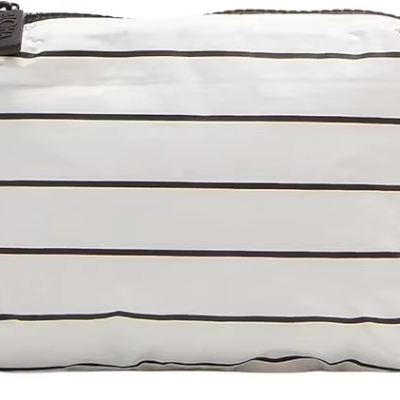
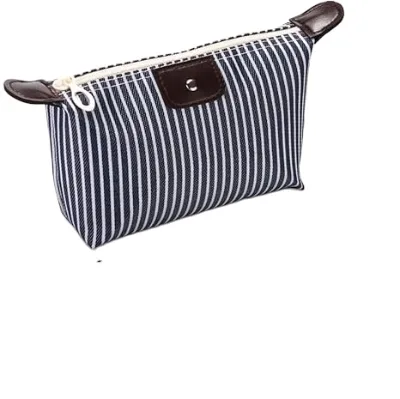


Eco-Friendly Large Capacity Makeup Bag Custom Size Cotton Cosmetic Bag Fashion
$1.38 - $1.57
MOQ: 100 Pieces




Comprehensive Sourcing Guide
Makeup Bag Sourcing Guide
Sourcing makeup bags requires a nuanced understanding of material science, supply chain logistics, and regulatory compliance, particularly when dealing with products intended for direct contact with cosmetics and personal care items. The market for these accessories is diverse, ranging from simple polyethylene pouches to complex nylon structures with specialized closures. Buyers must navigate a landscape where customization is the norm rather than the exception, with suppliers offering extensive options for branding, sizing, and functional features. This guide provides a structured approach to evaluating suppliers, verifying technical specifications, and managing commercial risks associated with importing these goods.
The procurement process for makeup bags is heavily influenced by the intended application, whether for household use, professional cosmetics, or promotional giveaways. Observed market signals indicate a strong preference for versatile designs that can serve multiple purposes, such as travel, camping, or daily household organization. Buyers should focus on suppliers who demonstrate flexibility in production processes, particularly those capable of handling both standard specifications and fully customized orders. Understanding the distinction between generic plastic packaging and specialized cosmetic storage is critical for ensuring the final product meets quality expectations and functional requirements.
Product Scope and Observed Listing Signals
The current market for makeup bags exhibits a wide range of material compositions and structural designs, reflecting the diverse needs of end-users. Observed listings frequently highlight polyethylene (PE) and nylon as primary raw materials, each offering distinct advantages in terms of durability, texture, and cost. PE bags are often noted for their moisture-proof and antistatic properties, making them suitable for basic storage and promotional use, while nylon options provide a more fashion-forward aesthetic with enhanced waterproofing capabilities. Buyers should carefully distinguish between these material types, as they significantly impact the perceived value and functional performance of the final product.
Functional features observed in the market include zipper closures, double-open designs, and various hardness levels, such as medium soft, which contribute to the user experience. The shape and variety of bags are highly customizable, with flat mouth bags and specific model numbers like SU-CMT-202 or RH437 indicating standardized yet adaptable templates. Additionally, the presence of antistatic and shock-resistant features suggests that these bags are designed to protect delicate cosmetic items from static discharge and physical impact. Buyers should verify these features through sample testing, as marketing claims may not always align with the actual performance of the materials used in production.
Technical Specifications to Verify
Material composition is the most critical technical specification to verify, as it directly affects the bag’s durability, safety, and suitability for storing cosmetics. Buyers must confirm whether the product is made from high-pressure polyethylene, nylon, or other materials, and request detailed material safety data sheets to ensure compliance with relevant regulations. The thickness and density of the material should be specified, as these factors influence the bag’s resistance to tearing and its ability to maintain shape under load. Additionally, the presence of antistatic and moisture-proof treatments should be validated through independent testing or supplier-provided certifications.
Closure mechanisms and structural integrity are equally important, with zipper quality being a primary determinant of product longevity. Buyers should inspect the zipper’s smoothness, durability, and sealing capability, as these features prevent leakage and contamination of contents. The hardness of the bag, often described as medium soft, should be assessed to ensure it provides adequate protection without being too rigid or too flimsy. Furthermore, the single package size and gross weight, such as 26x17x4 cm and 0.300 kg respectively, are essential for calculating shipping costs and storage requirements, so these dimensions must be verified against the supplier’s specifications.
Compliance and Safety Documentation
Regulatory compliance is a non-negotiable aspect of sourcing makeup bags, particularly when they are intended for use in markets with strict chemical safety standards. Buyers should request documentation confirming that the materials used, such as polyethylene or nylon, comply with relevant regulations like REACH and RoHS, which restrict the use of hazardous substances. Although the confidence level for these certifications may vary, it is essential to verify their validity through independent testing laboratories or supplier audits. Failure to obtain proper compliance documentation can result in customs delays, product recalls, or legal liabilities in the destination market.
Safety data sheets (SDS) and material safety declarations are crucial for ensuring that the bags do not leach harmful chemicals into cosmetics or personal care products. Buyers should require suppliers to provide detailed information on the chemical composition of the materials, including any additives used for antistatic or waterproofing purposes. Additionally, the origin of the materials, such as Guangdong, China, should be documented to trace the supply chain and ensure ethical sourcing practices. Buyers must also verify that the production process adheres to environmental standards, particularly if the bags are marketed as recyclable or eco-friendly.
Cost Drivers and Commercial Terms
The cost of makeup bags is influenced by several factors, including material selection, customization level, and order volume. Observed price ranges vary significantly, from low-cost generic items to premium customized products, reflecting the diversity of the market. Buyers should analyze the cost structure to understand how factors such as printing, zipper quality, and material thickness impact the final price. Additionally, the minimum order quantity (MOQ) plays a crucial role in determining the unit cost, with higher volumes typically resulting in lower prices per unit. Buyers should negotiate MOQs and pricing terms that align with their sales forecasts and inventory management strategies.
Commercial terms, including payment conditions and lead times, are critical for managing cash flow and supply chain reliability. Standard payment terms often involve a deposit followed by a balance payment before shipping, which helps mitigate risk for both parties. Lead times for samples and bulk production should be clearly defined, with typical sample times around seven days and bulk production taking 15-20 days. Buyers should also consider the packaging method, such as brown box or standard specification, as this affects shipping costs and product protection. Clear communication of these terms is essential to avoid misunderstandings and ensure timely delivery.
Supplier Qualification and Quality Control
Supplier qualification is a vital step in ensuring the reliability and consistency of Makeup Bag production. Buyers should conduct thorough due diligence on potential suppliers, including verifying their business licenses, production capabilities, and quality management systems. Suppliers with experience in producing customized bags and a track record of meeting international standards are preferable, as they are more likely to deliver high-quality products. Additionally, buyers should request references or case studies from previous clients to assess the supplier’s performance and reliability.
Quality control measures should be implemented throughout the production process to ensure that the final products meet the specified requirements. Buyers should establish clear quality standards, including material specifications, dimensional tolerances, and functional performance criteria. Regular inspections, such as pre-production, during-production, and pre-shipment inspections, are essential for identifying and addressing defects early in the process. Buyers should also require suppliers to provide detailed inspection reports and photos of the production process to ensure transparency and accountability.
Long-Term Procurement Checks
Long-term procurement success depends on continuous monitoring and evaluation of supplier performance and product quality. Buyers should establish key performance indicators (KPIs) to track metrics such as on-time delivery, defect rates, and customer satisfaction. Regular feedback loops with suppliers are essential for identifying areas for improvement and fostering a collaborative relationship. Additionally, buyers should stay informed about changes in regulations, market trends, and technological advancements that may impact the sourcing of makeup bags.
Sustainability and ethical sourcing are increasingly important considerations for long-term procurement strategies. Buyers should prioritize suppliers who demonstrate a commitment to environmental responsibility, such as using recyclable materials and adhering to fair labor practices. Regular audits and assessments of suppliers’ sustainability practices can help ensure that the supply chain aligns with the buyer’s corporate social responsibility goals. By focusing on long-term relationships and continuous improvement, buyers can mitigate risks and secure a reliable supply of high-quality makeup bags.
FAQs
Can makeup bags be customized for branding?
Yes, customization is available for these plastic packaging bags. Buyers can request specific designs, logos, or packaging formats to suit their brand identity. The supplier offers standard or customized specifications, allowing for tailored solutions that meet unique marketing or product protection needs.
What materials are used for these makeup bags?
The bags are primarily made from High Pressure Polyethylene (PE) plastic. Some variants may also utilize nylon for specific durability or texture requirements. These materials ensure the bags are waterproof, moisture-proof, and suitable for protecting cosmetics and other sensitive items during storage or transit.
What is the minimum order quantity for these bags?
The minimum order quantity varies, with observed values starting at 500 pieces for certain models. Other listings indicate MOQs ranging up to 12,000 pieces depending on the specific product model and customization level. Buyers should confirm the exact MOQ with the supplier based on their required volume.
How long does production take for custom orders?
Sample production typically takes about 7 days. Bulk production lead times generally range from 15 to 20 days after deposit confirmation. These timelines allow for quality checks and manufacturing adjustments, ensuring the final product meets the specified standards and customization requirements before shipping.
What features do these plastic bags offer?
These bags feature antistatic, shock resistance, recyclable, and moisture-proof properties. They are designed to be waterproof and durable, making them ideal for household, chemical, food, and apparel applications. The medium soft hardness and zipper closures provide secure storage while maintaining ease of use for consumers.
Where are these makeup bags manufactured?
These products originate from Guangdong, China. The manufacturing facilities in this region specialize in plastic packaging bags, leveraging local supply chains for high-pressure polyethylene and nylon materials. This location supports efficient production and export logistics for global buyers seeking reliable plastic bag suppliers.