Source Manual Buckling Type Tensioner Tool for Steel Pipe and Plastic Strap
Find and compare 30 Manual Buckling Type Tensioner Tool options for securing steel pipes, plastic straps, and chemical containers. Evaluate specifications like weight, strap width, and automatic grade to select the right fastening equipment for your industrial packaging needs.
Key considerations
Products List
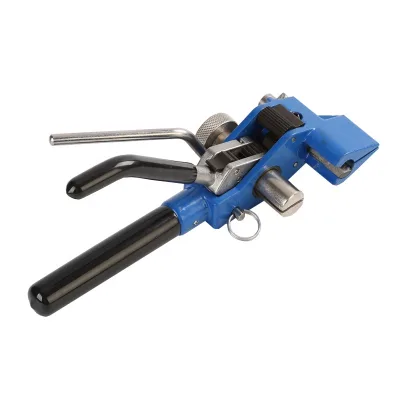


Factory Price Manual Tensioner Sealer Steel Band Strapping Tool for 13mm
$220.00 - $275.00
MOQ: 1 Pieces


Factory Price Manual Tensioner Sealer Steel Band Strapping Tool for 13-19mm
$17.50 - $19.00
MOQ: 100 Pieces






Comprehensive Sourcing Guide
Manual Buckling Type Tensioner Tool Sourcing Guide
Selecting the right Manual Buckling Type Tensioner Tool requires a clear understanding of how these devices function within industrial packaging and strapping workflows. These tools are designed to apply precise tension to plastic or steel straps before securing them with seals or friction welds, ensuring that loads remain stable during transit and storage. Unlike fully automatic machines, manual tensioners rely on operator force, which offers flexibility for irregularly shaped packages or low-volume production lines where setting up complex automation is not cost-effective. Buyers must evaluate whether the specific buckling mechanism—whether it uses a separate seal or a self-locking buckle—aligns with their existing strapping material and speed requirements.
The procurement process for these tools involves balancing initial equipment costs against long-term operational efficiency. While manual tools generally have a lower upfront price point, the labor intensity can impact throughput in high-volume environments. Therefore, sourcing decisions should be driven by an analysis of daily strapping volume, the weight of the packages being secured, and the physical ergonomics required for the operators. Understanding the distinction between semi-automatic and fully manual driven types is crucial, as some modern manual tools incorporate battery-assisted tensioning to reduce operator fatigue while maintaining the portability and simplicity of a handheld device.
Product Scope and Observed Listing Signals
The market for manual buckling tensioners encompasses a variety of configurations, often categorized by the type of strap they accommodate, such as PP (polypropylene) or PET (polyester) straps. Listings frequently highlight tools that are compatible with specific strap widths, typically ranging from 1/2 inch to 3/4 inch, which dictates the versatility of the tool across different packaging sizes. Buyers should observe that many suppliers offer tools with adjustable tension settings, allowing for customization based on the tensile strength required for different products, from lightweight consumer goods to heavy industrial components like steel coils or pipes.
Observed listing signals also reveal a strong emphasis on durability and ease of operation as primary selling points. Many products are constructed from stainless steel or high-grade alloys to resist corrosion and wear, particularly in environments where hygiene or exposure to chemicals is a concern. The presence of battery-powered variants indicates a shift toward hybrid tools that combine manual handling with electric assistance, offering a middle ground between traditional hand tools and automated machinery. Additionally, packaging details often specify carton dimensions and weights, which are critical for calculating logistics costs and storage requirements in warehouse settings.
Technical Specifications to Verify
When evaluating technical specifications, the first priority is verifying the driven type and power source of the tool. While traditional manual tensioners rely entirely on human force, some listings indicate electric or semi-automatic grades that utilize internal batteries to assist in the tensioning process. Buyers must confirm whether the tool is purely mechanical or if it includes electronic components, as this affects maintenance needs and operational reliability. The presence of core components like batteries suggests that these tools may require periodic charging or replacement, which should be factored into the total cost of ownership and operational planning.
Dimensional accuracy and strap compatibility are equally critical technical factors. The tool size, often specified in millimeters, must fit comfortably in the operator’s hand to prevent strain during repetitive use. Furthermore, the strap width and thickness ranges supported by the tool must match the inventory of strapping materials available. For instance, a tool designed for 0.3mm to 0.8mm thick straps may not perform optimally with thicker industrial bands. Verifying the model number and specific product standards, such as DIN or ANSI, ensures that the tool meets international quality benchmarks and is compatible with standard buckles or seals used in the buyer’s supply chain.
Compliance and Safety Documentation
Compliance with safety and environmental standards is a non-negotiable aspect of sourcing industrial tools. Buyers should request documentation confirming that the tensioner tools meet relevant certification requirements, such as CCC or RoHS, which indicate adherence to electrical safety and hazardous substance restrictions. These certifications are particularly important for tools that incorporate electric or battery-powered components, as they ensure that the devices do not pose risks to operators or the environment during manufacturing, use, or disposal.
In addition to product certifications, buyers should verify the availability of machinery test reports and warranty terms. A one-year warranty is a common industry standard, but the scope of coverage—whether it includes parts, labor, or shipping costs—should be clearly defined. Test reports provide evidence that the tool has undergone rigorous performance testing, including durability and tension accuracy checks. Ensuring that these documents are provided by the supplier or a recognized third-party laboratory adds a layer of confidence in the product’s reliability and helps mitigate the risk of purchasing substandard equipment.
Cost Drivers and Commercial Terms
The cost of manual buckling type tensioner tools is influenced by several factors, including the material composition, the complexity of the tensioning mechanism, and the inclusion of electronic components. Stainless steel construction typically commands a higher price than plastic or aluminum alternatives due to its superior durability and resistance to wear. Similarly, tools with battery-assisted tensioning or adjustable tension settings are priced higher than basic manual models. Buyers should analyze the price range relative to the features offered, ensuring that they are not overpaying for capabilities that are not required for their specific application.
Commercial terms, such as minimum order quantity (MOQ) and packaging details, also play a significant role in the total procurement cost. MOQs can vary widely, from single units for trial orders to thousands of pieces for large-scale deployments. Understanding the MOQ helps buyers negotiate better pricing tiers and plan inventory levels effectively. Additionally, packaging specifications, such as carton size and weight, impact shipping costs and storage efficiency. Buyers should clarify whether the packaging is designed for individual retail display or bulk industrial shipping, as this can affect handling and protection during transit.
Supplier Qualification and Quality Control
Supplier qualification is essential to ensure that the tensioner tools meet quality and performance expectations. Buyers should prioritize suppliers who provide comprehensive after-sales support, including online assistance and video technical support. These services are invaluable for troubleshooting operational issues, training new users, and ensuring that the tools are used correctly to maximize their lifespan. A supplier’s willingness to provide detailed technical documentation and responsive support is a strong indicator of their commitment to customer satisfaction and product reliability.
Quality control measures should be verified through the supplier’s production processes and testing protocols. Buyers should inquire about the quality grade of the materials used, such as maintenance-level stainless steel, and whether the tools undergo rigorous testing before shipment. The availability of customization options, such as branding or specific strap width adjustments, can also indicate a supplier’s flexibility and capability to meet unique buyer requirements. Establishing a clear communication channel with the supplier for quality assurance and issue resolution is crucial for maintaining consistent supply chain performance.
Long-Term Procurement Checks
Long-term procurement success depends on the ability to monitor tool performance and adapt to changing operational needs. Buyers should establish a system for tracking tool failures, maintenance requirements, and operator feedback to identify potential issues early. Regular inspections of the tensioning mechanism and strap feeders can prevent downtime and extend the life of the tools. Additionally, staying informed about advancements in strapping technology and tool design can help buyers make informed decisions about upgrades or replacements.
Building a strong relationship with the supplier is also key to long-term procurement success. Regular communication about performance data, market trends, and future needs can foster collaboration and lead to better pricing, priority support, and access to new products. Buyers should also consider the availability of spare parts and consumables, such as batteries and seals, to ensure that the tools can be maintained without significant delays. By focusing on these long-term factors, buyers can optimize their strapping operations and achieve greater efficiency and cost savings over time.
FAQs
What is the warranty period for this Manual Buckling Type Tensioner Tool?
The product comes with a 1-year warranty period. This coverage applies to the manual cable tie tensioning tool and ensures support for the stainless steel banding tool during its operational life.
Which certifications does the Manual Buckling Type Tensioner Tool hold?
The tool holds CCC and RoHS certifications. These standards confirm compliance with safety and environmental requirements for the electric and manual driven types used in food and beverage applications.
How is the Manual Buckling Type Tensioner Tool powered?
The device is available in both manual and electric driven types. The manual version relies on hand strapping structure while the electric variant features a battery core component for operation.
Can the Manual Buckling Type Tensioner Tool be customized?
Yes, customization is available for this equipment. Buyers can request specific modifications to the stainless steel banding tool to suit unique strapping modes or application requirements in various industries.
What is the maximum speed of the electric Manual Buckling Type Tensioner Tool?
The electric model achieves a maximum speed of 150 pieces per minute. This capacity supports efficient strapping operations for plastic tape and strip materials in high-volume production environments.
Which materials are compatible with the Manual Buckling Type Tensioner Tool?
The tool is designed for PP and Pet strap materials. It effectively handles plastic tape and strip with thickness ranging from 0.3 to 0.8mm for various industrial packaging needs.