Source Manual Hydraulic Plate Marking Machine for Industrial Use
Explore 30 listings for the Manual Hydraulic Plate Marking Machine, featuring CNC and manual options with high precision. Compare specifications like 1000/1200 Kn punching force and ISO CE certifications to find suitable industrial marking solutions for your manufacturing needs.
Key considerations
Products List

CNC Hydraulic Plate Punching Machine Plate Steel Processing Line Plate Marking Machine
$40000.00 - $400000.00
MOQ: 1 Sets


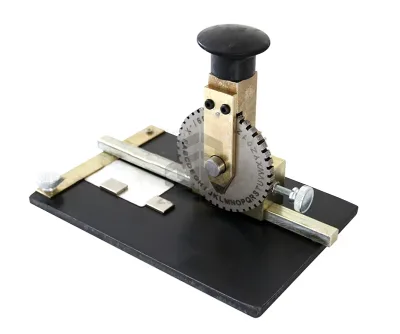


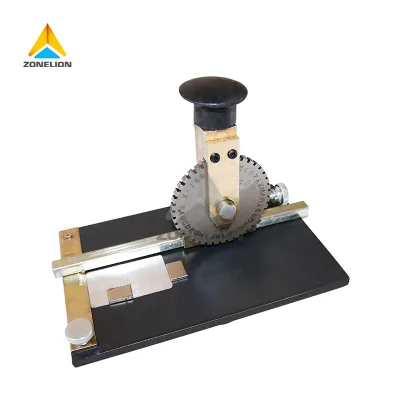


Handheld Laser Marking Machine for Metal Engraving Handheld Marking Machine
$1350.00 - $3180.00
MOQ: 1 Pieces

High Efficiency Compact Design Durable Handheld Laser Marking Machine
$1299.00 - $1599.00
MOQ: 1 Piece
Comprehensive Sourcing Guide
Manual Hydraulic Plate Marking Machine Sourcing Guide
Buyers evaluating manual hydraulic plate marking machines must first distinguish between high-speed automated punching units and the specific desktop marking tools observed in current listings. The available data indicates a mix of products, including CNC-controlled high-speed punching machines with hydraulic pressure sources and separate manual marking devices designed for crafts and special shapes. This distinction is critical because the operational requirements for a 1000-kN punching press differ fundamentally from a 5-kilogram desktop unit with a 50mm/s engraving speed. Procurement teams should verify whether the intended application requires heavy-duty metal deformation or precise, low-force surface identification to avoid purchasing oversized machinery that exceeds the necessary capacity.
The observed product range reveals significant variance in power sources and control modes, ranging from fully automatic CNC systems to manual operating modes suitable for small-batch production. While some listings specify hydraulic pressure as the primary power source for heavy tasks, others describe manual marking machines with zero rated power, relying on mechanical force for operations like radial riveting or cold spinning. Buyers must carefully cross-reference the "Operating Mode" and "Power Source" attributes against their production workflow to ensure the selected equipment matches the required throughput. Misalignment between the machine's automation level and the facility's labor strategy can lead to inefficiencies, making it essential to confirm the exact control mechanism before finalizing any purchase order.
Product Scope and Observed Listing Signals
The current market listings for manual hydraulic plate marking machines present a complex scope that includes both heavy industrial punching equipment and lightweight desktop engraving tools. High-confidence facts confirm the existence of machines with a maximum workpiece size of 1500*775 mm and a thickness capacity of 5-25 mm, alongside smaller units weighing only 5 kg with a single gross weight of 6 kg. This wide spectrum suggests that suppliers often bundle diverse product lines under similar search terms, requiring buyers to scrutinize the "Machine Type" and "Structure" attributes to isolate the specific tool needed for their specific plate marking or riveting tasks.
Listing signals also highlight variations in finishing capabilities, with some products designed for general crafts and others for specialized shapes using radial models. The presence of "Semi-Open Punch" and "Closed Punch" shapes indicates that the scope extends beyond simple marking to include forming operations, while the "Finished Product Shape" attribute suggests customization is available for unique requirements. Buyers should note that the "Automatic Grade" varies from fully automatic to manual, and the "Slider Movement" can be double action or single action depending on the specific model. Understanding these scope differences is vital for selecting a machine that aligns with the intended material, such as steel, and the desired output quality.
Technical Specifications to Verify
When verifying technical specifications, buyers must prioritize the nominal force ratings, which appear in the data as 1000/1200 kN for punching and 800/1000 kN for typing tasks. These figures define the machine's capacity to deform metal and must be matched against the thickness of the workpiece, which is listed as ranging from 5 to 25 mm. It is essential to confirm that the selected unit's modulus and number of word heads, observed as 3 and 10/16 respectively, align with the precision and speed requirements of the production line. A mismatch in these core mechanical parameters can result in incomplete marking or excessive wear on the tooling, leading to costly downtime.
Additional critical specifications include the feeding height, milling cutter diameter, and engraving speed, which directly impact the operational efficiency of the marking process. The data indicates a feeding height of 2 mm and a milling cutter diameter of 14 mm, alongside an engraving speed of 50mm/s for specific manual units. Buyers should also verify the core components, specifically the PLC, bearing, and gearbox, as these determine the longevity and reliability of the machine under continuous use. Ensuring that the rated power and single package dimensions, such as 24x15x17 cm, are compatible with the facility's power supply and logistics infrastructure is equally important for a seamless installation.
Compliance and Safety Documentation
Compliance verification for manual hydraulic plate marking machines requires a rigorous check of the certification documents provided by the supplier, as the observed listings include ISO, CE, RoHS, and GS certifications. While some entries list ISO CE, others specify ISO RoHS and CE, and a few mention ISO GS, indicating that certification status can vary significantly between different models or batches. Buyers must request the specific certificate for the exact model number, such as PP103B or JS2400, to ensure that the equipment meets the safety and environmental standards required for their target market. Relying on general certification claims without verifying the specific document can expose the buyer to regulatory risks and potential import delays.
Safety documentation should also address the operational mode and the specific safety features integrated into the machine's design, such as the double-action slider movement or the manual operating mode. The presence of a one-year warranty suggests a baseline level of manufacturer confidence, but buyers should confirm that the warranty covers critical components like the PLC and gearbox. Additionally, the "Nine parts" standard mentioned in the data may refer to a specific internal safety or quality standard that needs clarification. Ensuring that the machine adheres to relevant safety protocols for hydraulic pressure and manual handling is essential to protect operators and maintain a safe working environment.
Cost Drivers and Commercial Terms
The cost of manual hydraulic plate marking machines is heavily influenced by the complexity of the mechanical structure and the inclusion of advanced core components like PLCs and gearboxes. The observed price range spans from 80 to 400,000 USD, reflecting the vast difference between a lightweight desktop marking unit and a high-force hydraulic punching press. Buyers must analyze the specific attributes of the machine, such as the punching nominal force and the maximum workpiece size, to understand the price drivers. A machine with a 1000 kN force rating and CNC control will naturally command a higher price than a manual unit with a 5 kg weight and basic mechanical components.
Commercial terms, including the minimum order quantity (MOQ) and packaging requirements, also play a significant role in the total cost of ownership. The data shows an MOQ of 1 for all observed listings, offering flexibility for small-scale procurement, while the packaging varies from hardcover wooden cases to standard wooden crates. Buyers should consider the single gross weight and package size when calculating shipping costs, as these factors can significantly impact the final landed cost. Furthermore, the availability of customization and the specific origin, such as Shandong China or Mainland China, may influence the pricing structure and the lead time required for delivery.
Supplier Qualification and Quality Control
Supplier qualification for manual hydraulic plate marking machines should focus on verifying the origin and the specific manufacturing standards applied to the production process. The observed listings indicate origins in China and Shandong China, with some products adhering to a "Nine parts" standard and others to various size standards. Buyers must request evidence of the supplier's quality control processes, particularly regarding the assembly of core components like bearings and gearboxes, which are critical for the machine's performance. A supplier with a proven track record in producing high-precision machines with ISO certifications is more likely to deliver consistent quality and reliable after-sales support.
Quality control checks should also include a review of the product condition and the warranty terms offered by the supplier. All observed listings specify that the products are "New," but buyers should verify the condition of the machinery upon delivery to ensure it matches the description. The one-year warranty provided for some units offers a safety net, but the scope of coverage must be clearly defined to include critical components. Additionally, buyers should assess the supplier's ability to provide technical support and spare parts, ensuring that the machine can be maintained effectively throughout its operational life.
Long-Term Procurement Checks
Long-term procurement checks for manual hydraulic plate marking machines involve monitoring the machine's performance over time to ensure it continues to meet the required specifications and operational standards. Buyers should establish a schedule for regular maintenance checks, focusing on the hydraulic pressure system, the PLC, and the moving parts like the slider and gears. The observed data highlights the importance of the "Slider Movement" and "Operating Mode" in determining the wear patterns of the machine, making it essential to track these metrics to prevent unexpected failures. Proactive maintenance can extend the lifespan of the equipment and maintain the high precision required for consistent marking and punching operations.
Finally, buyers should maintain a record of the machine's performance data, including the engraving speed, feeding height, and the quality of the finished product shapes. This data can be used to identify trends in performance degradation and to plan for future upgrades or replacements. The availability of customization and the specific model number, such as PP103B or JS2400, should be documented to ensure that any future orders match the original specifications. By keeping a detailed log of the machine's history and performance, buyers can make informed decisions about their procurement strategy and ensure the continued efficiency of their production processes.
FAQs
How does a Manual Hydraulic Plate Marking Machine operate?
A Manual Hydraulic Plate Marking Machine operates by the operator positioning the workpiece and actuating a hand lever or hydraulic control to drive the marking punch. The hydraulic pressure applies consistent force to stamp characters or numbers into the steel plate surface. Manual operating mode gives direct control over mark placement, though throughput depends on operator pace rather than automatic cycling.
What workpiece thickness range can a Manual Hydraulic Plate Marking Machine handle?
Models in this category handle workpiece thicknesses from 5 to 25 mm, with maximum workpiece dimensions around 1500 by 775 mm on certain high-speed punching variants. Before purchasing, confirm the thickness specification of the exact model, because marking force requirements increase with plate thickness and harder steel materials may need higher nominal force.
Which certifications should manual hydraulic plate marking machines carry?
Listed machines in this category carry certifications such as ISO and CE, with some listings also showing RoHS and GS marks. Certification matters for customs clearance and workplace safety compliance in many markets. Always request copies of the actual certificates for the specific machine model, since certification scope can differ between models from the same producer.
Can manual hydraulic plate marking machines be customized for specific needs?
Yes, customization is listed as available on relevant product pages in this category. Typical customization options can include character sets, marking head counts, and die arrangements depending on the model. Contact the supplier with your workpiece dimensions, material type, and required mark content to confirm which modifications are feasible and what lead time applies to custom builds.
What packaging and shipping options are offered for these machines?
Packing options in this category include hardcover wooden cases and wooden packaging, which protect machines during sea freight and handling. Smaller manual marking units may ship as single items with compact dimensions and gross weight around six kilograms. Larger hydraulic equipment requires appropriate packaging sized to the machine, so confirm packing details and shipping terms before ordering.
How is the hydraulic power source used in plate marking machines?
The hydraulic pressure power source generates the force needed to press marking characters into steel plates, avoiding impact hammering. Hydraulic systems deliver steady, controlled pressure, which supports consistent mark depth and cleaner character edges on the workpiece. The rated punching nominal force on relevant models reaches 1000 or 1200 kN, with typing nominal force at 800 or 1000 kN.
What warranty is provided for manual hydraulic plate marking machines?
A one year warranty is listed on applicable machines in this category. The warranty generally covers manufacturing defects under normal operating conditions, while consumable parts such as punches and dies may be excluded. Before ordering, request the written warranty terms from the supplier, including what documentation, maintenance records, or operating conditions are required to keep the coverage valid.
Which factors affect marking quality on steel plates?
Marking quality depends on the hydraulic nominal force applied, the plate thickness within the 5 to 25 mm range, steel hardness, and the condition of the punch characters. Precision classifications such as high precision on listed machines indicate tighter character consistency. Proper workpiece clamping and clean plate surfaces also reduce character distortion and improve depth uniformity across repeated marks.