Source Manual Inside Stem Gate Valve for Water and Oil Control
Find and compare 30 Manual Inside Stem Gate Valve options from Chinese manufacturers. These valves support flow control, temperature regulation, and drainage applications in industrial and household settings. Evaluate specifications like carbon steel construction and flange connections to select the right fit for your project.
Key considerations
Products List
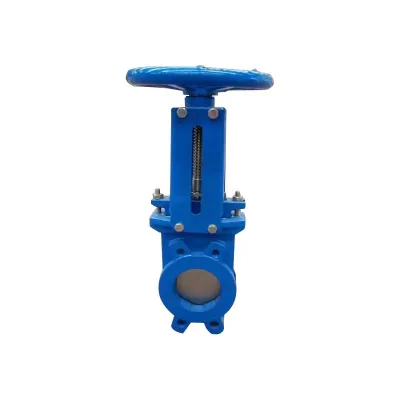


$60.10 - $65.90
MOQ: 20 Pieces


$2.00
MOQ: 1000 Pieces


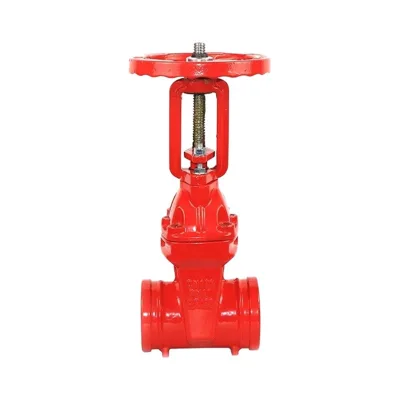


Manual Non Rising Stem Resilient Seated Gate Valve for Underground Water Pipeline
$22.00 - $26.00
MOQ: 10 Pieces


Comprehensive Sourcing Guide
Manual Inside Stem Gate Valve Sourcing Guide
Procuring a Manual Inside Stem Gate Valve requires careful attention to the specific mechanical configuration where the stem threads engage within the valve body rather than extending externally. This design choice often influences the sealing mechanism and the overall maintenance profile of the unit, particularly in applications where external exposure to corrosive elements is a concern. Buyers must verify that the internal threading aligns with the intended pressure class and media compatibility to ensure reliable operation over the product lifecycle.
The observed market data indicates a diverse range of offerings, with prices spanning from low-cost entry points to high-value industrial units, reflecting variations in material quality and manufacturing precision. While some listings highlight specific models like the Z41H-16, others describe general gate valve structures with varying nominal pressures such as Pn16 or class150. Sourcing teams should prioritize suppliers who can clearly distinguish between these specifications to avoid mismatches between the ordered component and the actual system requirements.
Product Scope and Observed Listing Signals
The available inventory demonstrates a strong focus on carbon steel and cast iron constructions, with some variants incorporating stainless steel components for the valve cover and seal surfaces. This material diversity suggests that suppliers are catering to different operational environments, ranging from ordinary temperature water applications to more demanding scenarios involving oil vapor. Buyers should scrutinize the specific material grade listed for each component to ensure it meets the corrosion resistance and strength requirements of their specific process lines.
Listing signals reveal a mix of connection forms, including flange connections and various thread positions, alongside distinct sealing surfaces like wedge and parallel gate designs. The presence of "dual-through" and "straight-through" types indicates that flow dynamics and pressure drop characteristics are key differentiators in this category. Procurement specialists must map these structural attributes against their piping diagrams to confirm that the selected valve geometry will integrate seamlessly without requiring costly modifications to the existing infrastructure.
Technical Specifications to Verify
Verification of the heat treatment process is critical, as observed listings frequently cite quenching as a standard procedure to enhance the mechanical properties of the metal components. This process directly impacts the hardness and durability of the gate and seat surfaces, which are subject to significant wear during repeated opening and closing cycles. Buyers should request detailed metallurgical reports to confirm that the quenching parameters align with the expected service life and pressure ratings of the valve in their specific application.
The nominal pressure ratings and standard classifications, such as ASME or DIN, serve as essential benchmarks for validating the valve's ability to withstand system operating conditions. While some data points mention Pn16 or class150, others reference broader ranges like DN50 to DN1000, necessitating a precise match between the valve size and the pipeline diameter. It is imperative to confirm that the forging tolerance of +/-0.5mm is maintained across the batch to ensure consistent fit and function, preventing potential leaks or operational failures under load.
Compliance and Safety Documentation
Safety and regulatory compliance are paramount, with CE certification appearing as a documented attribute for certain products in the supply chain. This certification indicates that the valve meets specific European health, safety, and environmental protection standards, which is often a prerequisite for projects in regulated markets. Procurement teams must ensure that the certificate provided is valid and covers the specific model and pressure class being purchased, rather than relying on generic claims that may not apply to the exact unit delivered.
Beyond certifications, the documentation should explicitly detail the surface treatment processes, such as sand blasting, which are applied to protect the valve body from corrosion and environmental degradation. These treatments are vital for maintaining the integrity of the valve in industrial settings where exposure to moisture or chemicals is common. Buyers should verify that the surface finish specifications are clearly defined in the technical data sheets to ensure the product will perform reliably in its intended environment without premature failure.
Cost Drivers and Commercial Terms
The commercial landscape for these valves is influenced by significant variations in minimum order quantities, which range from single items to thousands of units. This wide spectrum allows for flexibility in procurement strategies, enabling buyers to source small batches for maintenance or large volumes for new construction projects. However, the unit price fluctuates dramatically based on the order volume and the complexity of the customization requested, such as specific pressure ratings or material grades.
Customization capabilities, including OBM, ODM, and OEM support, represent a major cost driver that can significantly alter the final price and lead time. While standard models may be readily available, bespoke requirements often necessitate specialized tooling or unique production runs, which can extend the manufacturing schedule. Buyers must balance the need for specific custom features against the budget constraints and timeline requirements, ensuring that the added cost of customization delivers tangible value to the project.
Supplier Qualification and Quality Control
Supplier qualification should focus on their manufacturing capabilities, particularly their proficiency in pressure casting and forging techniques which are cited as key molding methods. The ability to maintain tight tolerances during these processes is essential for producing valves that meet the rigorous demands of industrial flow control and regulation. Buyers should assess the supplier's track record in delivering consistent quality, especially regarding the sealing surfaces and the structural integrity of the valve body under pressure.
Quality control protocols must be robust, covering the entire production lifecycle from raw material inspection to final assembly and testing. The presence of specific standards like ASME and DIN in the product descriptions suggests that reputable suppliers adhere to established international norms, but this must be verified through on-site audits or third-party inspection reports. Ensuring that the supplier has a documented quality management system in place is crucial for mitigating the risk of receiving defective units that could compromise the safety and efficiency of the plant.
Long-Term Procurement Checks
Establishing a long-term relationship with a supplier requires ongoing verification of their ability to maintain consistent product quality and supply chain stability. The observed data shows a mix of packing methods, including plywood cases and wooden pallets, which can impact the protection of the valves during transit. Buyers should evaluate the supplier's packaging standards to ensure that the valves arrive in pristine condition, free from damage that could affect their performance or require costly repairs upon installation.
Future procurement strategies should also account for the availability of spare parts and the supplier's capacity to support the product throughout its lifecycle. Given the diverse applications ranging from household usage to heavy industrial flow control, the demand for specific valve configurations may fluctuate over time. Maintaining open communication with the supplier regarding inventory levels and production schedules will help prevent supply disruptions and ensure that the facility can continue to operate smoothly without interruption.
FAQs
What materials are available for a Manual Inside Stem Gate Valve?
Carbon steel, cast iron, and stainless steel are listed as main materials for these gate valves. The valve body, cover, and seal components can be matched to the medium, with water and oil vapor being applicable media. For general industrial use, carbon steel is the common choice, while cast iron suits lower-pressure water applications.
Can a Manual Inside Stem Gate Valve be customized for specific requirements?
Yes, customization is available with OBM, ODM, and OEM support. Buyers can request adjustments to size, connection form, and materials, subject to factory confirmation. Since molding uses pressure casting and forging with a tolerance of plus or minus 0.5mm, customized parts should account for these process capabilities. Provide drawings or samples for evaluation.
How is the Manual Inside Stem Gate Valve connected to the pipeline?
The connection form is flange mounting, so the pipeline ends must have matching flanges sized to the valve's nominal diameter. Listed standards include ASME and DIN, and the nominal pressure class covers PN16 and class150. Confirm the flange drilling pattern and pressure rating of your pipeline before ordering to ensure a proper seal.
What sizes are available for this Manual Inside Stem Gate Valve?
The listed product line covers sizes from 1 inch up to DN50-DN1000 depending on the model, with the Z41H-16 model representing the wedge gate design. Before ordering, confirm the required nominal diameter and matching flange standard, since availability can vary by model and production batch.
Which pressure and temperature conditions suit this valve?
These gate valves are rated for low pressure and ordinary temperature service, with a nominal pressure of PN16 on some models. They are intended for water and oil vapor media in industrial, household, and water industry applications. Avoid using them for high-temperature or high-pressure conditions, and verify the exact pressure class of the specific model.
How does a Manual Inside Stem Gate Valve work?
Turning the handwheel moves a wedge or parallel gate inside the body to open or close the flow path. With an inside stem thread, the rotating stem screws into the gate mechanism, so the stem does not rise visibly during operation. This design suits installations where vertical clearance above the valve is limited.
What packing is used for shipping this gate valve?
Plywood cases and wooden pallets are the listed packing options, with valves sold as single items. Packing choice typically depends on valve size and order quantity. Buyers should confirm the packing method with the supplier at the quotation stage, especially for export shipments where wooden packaging protects flanged faces from damage.
Can I order small quantities of a Manual Inside Stem Gate Valve?
Minimum order quantities vary across listings, ranging from a single unit to thousands of pieces. Customized or forged production runs usually require larger minimums, while standard catalog items may be sold as single items. Check the specific listing or contact the supplier to confirm the MOQ that applies to your size and specification.