Source Manual Lever Blow-Down Pump Fittings for Water, Oil, and Hydraulic Systems
Compare 30 Manual Lever Blow-Down Pump Fittings from verified Chinese suppliers. Buyers can evaluate specifications like pressure ratings, materials, and customization options for water pipe, oil, and hydraulic system applications; compare the available evidence and request quotations based on your requirements.
Key considerations
Products List
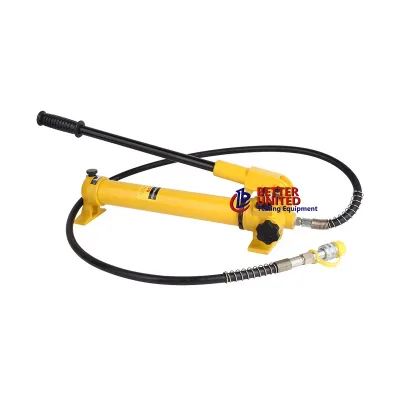


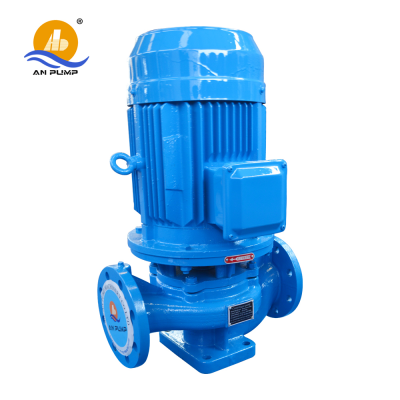


Comprehensive Sourcing Guide
Manual Lever Blow-Down Pump Fittings Sourcing Guide
Procuring Manual Lever Blow-Down Pump Fittings requires a precise understanding of hydraulic mechanics and material compatibility, particularly when sourcing from international markets. These components are critical for maintaining pressure integrity in industrial systems, where failure can lead to significant operational downtime or safety hazards. Buyers must navigate a complex landscape of specifications, including operating pressures, seal materials, and drive mechanisms, to ensure the selected fittings align with their specific system requirements. The market offers a variety of options, ranging from light-duty units to high-pressure models, each with distinct performance characteristics that influence long-term reliability.
This guide provides a structured approach to evaluating suppliers and products based on observed market data and technical realities. It focuses on verifying key attributes such as pressure ratings, material composition, and certification status, which are essential for making informed procurement decisions. By adhering to a disciplined verification process, buyers can mitigate risks associated with non-compliant or substandard components. The following sections detail the technical specifications, compliance requirements, and commercial considerations necessary for successful sourcing of Manual Lever Blow-Down Pump Fittings.
Product Scope and Observed Listing Signals
The current market for Manual Lever Blow-Down Pump Fittings exhibits a wide range of product configurations, with observed prices spanning from $0.50 to $772.29 USD. This variance reflects differences in material quality, pressure ratings, and manufacturing complexity. Buyers should note that the minimum order quantity (MOQ) ranges from 1 to 10,000 units, indicating flexibility for both small-scale testing and large-volume industrial procurement. High-pressure models, often constructed from stainless steel or cast steel, command higher prices due to their durability and ability to withstand extreme operating conditions.
Listing signals also reveal significant customization options, with many suppliers offering OEM, ODM, and OBM services. This allows buyers to tailor fittings to specific system requirements, including custom branding and packaging. Observed specifications include operating pressures up to 350 Bar and flow rates of 45cc per stroke, highlighting the capability of these pumps to handle demanding hydraulic applications. Additionally, the presence of laser engraving options suggests a focus on traceability and brand identity, which is crucial for maintaining quality control in supply chains.
Technical Specifications to Verify
When evaluating Manual Lever Blow-Down Pump Fittings, verifying the operating pressure and temperature ranges is paramount. Observed data indicates operating pressures of 0-35MPa and temperatures ranging from -20 to 150 degrees Celsius, which are critical for ensuring compatibility with various industrial media. Buyers must confirm that the selected fittings can withstand the peak pressures of their specific hydraulic systems without failure. The material composition, often stainless steel or cast steel, plays a vital role in determining corrosion resistance and mechanical strength, especially in harsh environments.
Seal material selection is another critical technical consideration, with FKM and EPDM being common options. These materials offer different chemical resistances and temperature tolerances, influencing the fitting's suitability for specific applications. Additionally, the drive mechanism, typically hydraulic, and the number of ways, either single or bidirectional, must align with the system's operational requirements. Buyers should also verify the thread inlet specifications, such as G1/2, to ensure proper connection and sealing with existing piping infrastructure.
Compliance and Safety Documentation
Compliance with international standards is essential for ensuring the safety and reliability of Manual Lever Blow-Down Pump Fittings. Observed certifications include TUV and ISO9000, which indicate adherence to quality management systems and product safety standards. Buyers should request documentation to verify these certifications, ensuring that the supplier maintains rigorous quality control processes. Compliance with standards such as DIN and GB is also important, particularly for markets with specific regulatory requirements, to avoid potential legal and operational issues.
In addition to certifications, buyers should verify the warranty terms provided by the supplier. A standard warranty of 12 months or 1 year is commonly observed, offering protection against manufacturing defects. However, buyers should carefully review the warranty conditions to understand what is covered and the process for claiming repairs or replacements. Ensuring that the supplier provides comprehensive documentation, including test reports and material certificates, is crucial for maintaining accountability and resolving any disputes that may arise during the product's lifecycle.
Cost Drivers and Commercial Terms
The cost of Manual Lever Blow-Down Pump Fittings is influenced by several factors, including material costs, manufacturing complexity, and order volume. Stainless steel and cast steel materials are more expensive than standard alloys, reflecting their superior durability and performance capabilities. Customization options, such as laser engraving and specific packaging requirements, also add to the overall cost. Buyers should consider the total cost of ownership, including maintenance and replacement costs, rather than focusing solely on the initial purchase price.
Commercial terms, such as MOQ and lead times, significantly impact procurement planning. While observed MOQs range from 1 to 10,000 units, buyers should negotiate terms that align with their inventory management strategies. Lead times can vary based on production capacity and customization requirements, so it is essential to establish clear communication with the supplier regarding delivery schedules. Additionally, buyers should consider the supplier's production capacity, observed at 1000PCS/Day, to ensure they can meet demand during peak periods without delays.
Supplier Qualification and Quality Control
Supplier qualification is a critical step in the procurement process, requiring a thorough assessment of the supplier's capabilities and reputation. Buyers should verify the supplier's manufacturing processes, such as casting and surface treatments like nickel plating, to ensure they meet quality standards. Observing the supplier's production capacity and lead times can provide insights into their ability to deliver consistent quality and timely shipments. Additionally, buyers should request samples to evaluate the product's build quality, fit, and functionality before committing to a large order.
Quality control measures, including inspection protocols and testing procedures, are essential for ensuring product reliability. Buyers should inquire about the supplier's quality management system and their approach to defect prevention and detection. Verifying the supplier's ability to provide traceability, such as through laser engraving, can also enhance quality control efforts. Establishing a clear communication channel for addressing quality issues and implementing corrective actions is crucial for maintaining a productive and reliable supplier relationship.
Long-Term Procurement Checks
Long-term procurement success depends on establishing a robust framework for ongoing supplier evaluation and product performance monitoring. Buyers should regularly review supplier performance metrics, including delivery times, product quality, and responsiveness to issues. This continuous evaluation helps identify potential risks and opportunities for improvement, ensuring that the supply chain remains resilient and efficient. Additionally, buyers should stay informed about industry trends and technological advancements that may impact the performance and availability of Manual Lever Blow-Down Pump Fittings.
Maintaining open communication with suppliers is essential for addressing any emerging challenges and fostering a collaborative partnership. Buyers should regularly review contract terms and conditions to ensure they remain aligned with business objectives and market conditions. Implementing a system for tracking product performance and customer feedback can provide valuable insights for future procurement decisions. By prioritizing long-term relationships and continuous improvement, buyers can secure a reliable supply of high-quality Manual Lever Blow-Down Pump Fittings.
FAQs
What is the operating pressure range for these hydraulic hand pumps?
The operating pressure range is 0 to 12 Bar for standard models, while high-pressure variants support up to 350 Bar. These units are designed for hydraulic systems and water pipe applications. The maximum flow rate reaches 45cc per stroke. This ensures reliable performance across various industrial tasks requiring precise pressure control and durable manual operation.
Can these pumps be customized with OEM or ODM services?
Yes, customized support including OEM, ODM, and OBM is available for these hydraulic hand pumps. Buyers can request specific design adjustments and branding options. The product allows for laser engraving and color customization. This flexibility ensures that the equipment meets unique operational requirements and brand identity standards for specialized industrial applications.
What certifications are provided for these hydraulic pump fittings?
These hydraulic hand pumps come with TUV and ISO9000 certifications. These credentials verify quality management and product safety standards. The manufacturing process follows strict casting techniques using stainless steel and cast steel materials. This ensures compliance with international standards and provides buyers with confidence in the reliability and durability of the supplied equipment.
What is the warranty period for the manual lever pumps?
The warranty period is 12 months or one year for these hydraulic hand pumps. This coverage applies to the single item sold as a complete unit. The warranty supports the high-pressure performance and double plunger lever design. Buyers receive assurance regarding the product's structural integrity and operational consistency during the specified warranty duration.
What materials are used in the construction of these pumps?
These pumps are constructed from stainless steel and cast steel materials. The surface finish includes nickel plating for enhanced corrosion resistance. Seals are made from FKM or EPDM materials to handle oil media effectively. This combination ensures durability and performance in demanding hydraulic system environments while maintaining structural integrity under high pressure.
What are the packaging options for these hydraulic hand pumps?
Packaging options include carton, plastic bag with white box and carton, or paper and wooden packages. These methods protect the hydraulic hand pumps during transit. The standard dimensions vary by model, such as 350*225*190 or 25*5*5. Proper packaging ensures the product arrives in optimal condition, ready for immediate installation in water pipe or hydraulic applications.