Source Marine Use Ship Horn for Boats, Ships, and Kayaks
Find and compare 30 Marine Use Ship Horn options from verified Chinese suppliers. Evaluate plastic and stainless steel models with wired transmission, varying voltages, and OEM services to select the right signal device for your vessel.
Key considerations
Products List
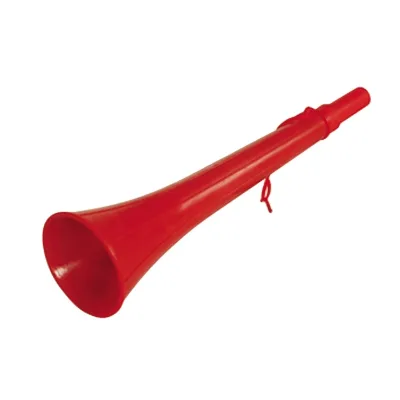
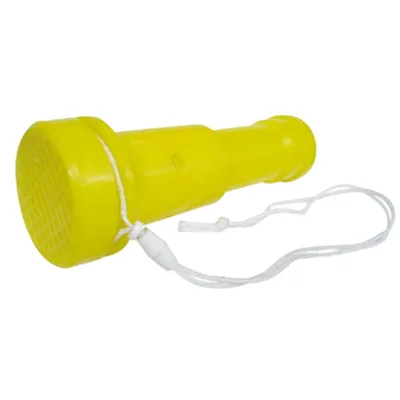
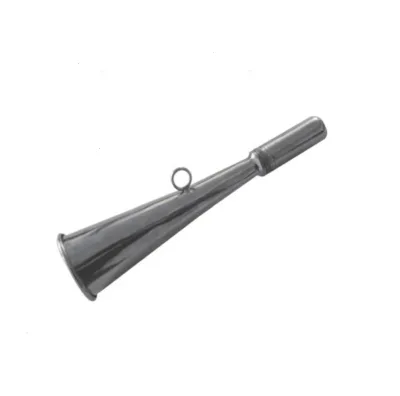


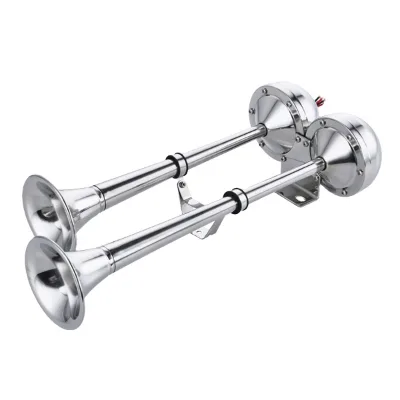
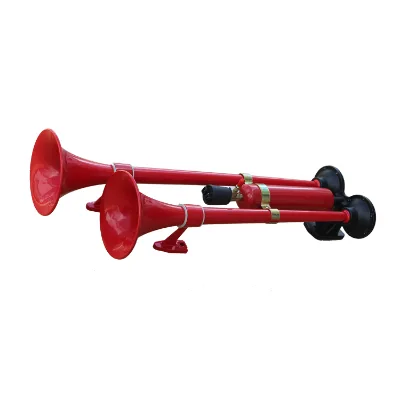
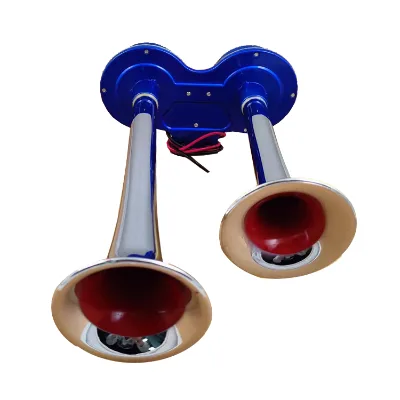


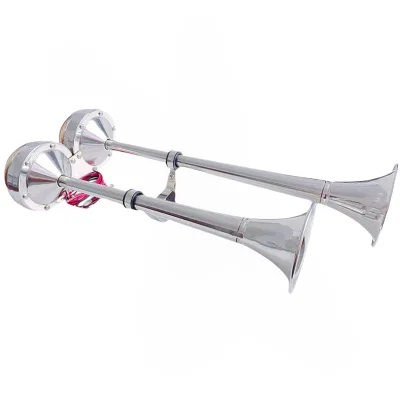


$10.00 - $11.00
MOQ: 1000 Pieces
Comprehensive Sourcing Guide
Marine Use Ship Horn Sourcing Guide
Procuring marine use ship horns requires a clear distinction between the specific acoustic signaling devices designed for vessels and general industrial alarm systems that may appear in broader search results. The observed market data indicates a primary focus on plastic and stainless steel components intended for boats, ships, and kayaks, with specific model numbers like SM70501 and SM70502 appearing frequently in listings. Buyers must carefully filter search results to ensure the product is explicitly rated for marine environments, as some listed items are categorized as indoor or outdoor industry alarms with different voltage requirements and transmission modes.
The commercial landscape for these components shows a wide variance in minimum order quantities and pricing structures, ranging from single units to bulk orders of 1,000 pieces. While some suppliers offer samples within seven days to verify acoustic performance and build quality, production lead times for standard orders can extend up to 30 days. Understanding these logistical constraints is essential for procurement planning, especially when sourcing from manufacturers located in Jiangsu and Zhejiang provinces in China, where the majority of these listings originate.
Product Scope and Observed Listing Signals
Buyers should prioritize products explicitly labeled with applications for boats, ships, and kayaks, as the core keyword dictates a need for marine-grade durability rather than general-purpose signaling. The available data highlights specific product names such as "boat horn" and "ship horns," often constructed from plastic or stainless steel to withstand corrosive saltwater environments. It is critical to verify that the listed "Part" description matches the intended vessel type, as some entries describe generic "Industry Alarm" or "Home Alarm" systems that lack the necessary weatherproofing and acoustic output for maritime safety compliance.
When evaluating product listings, attention must be paid to the specific model numbers and physical dimensions provided, such as the 15x10x10 cm or 20x10x10 cm package sizes, which influence shipping costs and storage requirements. The observed range of selling units, from single items to bulk packs, suggests flexibility in procurement strategies, but buyers must confirm whether the "Single gross weight" of 0.6 kg to 0.9 kg aligns with their logistical capabilities. Additionally, the presence of OEM and ODM service options indicates that customization is available, allowing buyers to tailor the horn's design or branding to specific fleet requirements.
Technical Specifications to Verify
Voltage compatibility is a primary technical hurdle, as the observed listings include systems operating at 220V/110V, 12V, and potentially other industrial voltages that may not match standard marine electrical systems. A 12V system is typical for most recreational and commercial vessels, whereas 220V/110V units are likely intended for shore-based or industrial applications and require significant conversion infrastructure if used on board. Buyers must verify the "Signal Transmission" method, distinguishing between wired alarm systems and other modes, to ensure the horn integrates seamlessly with the vessel's existing wiring harness without requiring complex retrofitting.
Physical specifications such as the "Speaker Design" and "Size" dimensions, including lengths of 395mm or 470mm, directly impact the mounting strategy and acoustic coverage area on the vessel. The "Working Mode," whether passive or active, determines how the device responds to triggers, which is vital for emergency signaling scenarios. Furthermore, the "Color" options, often listed as "As shown," should be evaluated against the vessel's aesthetic standards, while the "Condition" of the product must be confirmed as new to avoid issues with degraded seals or internal components that could fail in a marine environment.
Compliance and Safety Documentation
Certification status is a non-negotiable aspect of marine procurement, with observed listings mentioning ISO, CE, and CCC certifications that indicate adherence to specific quality and safety standards. Buyers must request and verify these certificates to ensure the product meets the regulatory requirements of the flag state and the port of entry, as marine safety equipment is subject to strict international scrutiny. The presence of multiple certifications like CE and ISO suggests a higher level of manufacturing control, but the buyer should confirm that these certifications specifically cover marine applications rather than general industrial use.
Documentation regarding the "Product Standard," such as ST-DWJ-10 or generic standard references, provides a baseline for performance expectations but requires validation against current maritime safety regulations. It is essential to confirm that the "Transmission Mode" and "Working Mode" comply with the International Regulations for Preventing Collisions at Sea (COLREGs) regarding sound signal requirements. Without explicit documentation linking the product to maritime safety standards, the risk of non-compliance during vessel inspections remains high, potentially leading to operational delays or legal liabilities.
Cost Drivers and Commercial Terms
The pricing structure for marine ship horns is influenced by material composition, with stainless steel variants likely commanding a premium over plastic models due to superior corrosion resistance and longevity. The observed price range of 0.5 to 20,000 USD reflects the diversity of products available, from simple single-item units to complex, high-volume industrial alarm systems. Buyers must analyze the cost per unit in the context of the "Single gross weight" and package dimensions, as these factors significantly impact freight charges and customs duties, which can erode the apparent savings of a lower unit price.
Minimum Order Quantity (MOQ) requirements vary widely, with some suppliers setting thresholds at 20 pieces while others require 50 or even 1,000 pieces, directly affecting the initial capital outlay. The "Delivery Time" of 30 days for production and a 7-day "Sample Time" are critical commercial terms that influence the overall procurement timeline and inventory management strategy. Buyers should negotiate these terms based on their specific volume needs, ensuring that the lead time aligns with their operational schedule and that the sample availability allows for thorough testing before committing to a large-scale order.
Supplier Qualification and Quality Control
Supplier location is a key factor in quality control, with the majority of observed listings originating from Jiangsu and Zhejiang provinces in China, regions known for their manufacturing capabilities but also subject to varying levels of quality consistency. Buyers should verify the "Place of Origin" details and assess the supplier's track record in producing marine-specific equipment, as general industrial manufacturers may not fully understand the unique demands of the maritime sector. The availability of OEM and ODM services suggests a level of flexibility, but it also requires rigorous oversight to ensure that customizations do not compromise the structural integrity or acoustic performance of the horn.
Quality control processes must be validated through the "Sample" availability, which allows buyers to physically inspect the "Product name," "Material," and "Single package size" before finalizing the order. The "Condition" of the product, confirmed as new, should be verified upon receipt to ensure that no damage occurred during transit or storage. Buyers should establish clear acceptance criteria based on the observed specifications, such as the "Model Number" and "Size," to ensure that the delivered goods match the agreed-upon technical parameters and that the "Service" provided includes adequate support for any potential defects.
Long-Term Procurement Checks
Sustaining a reliable supply chain for marine ship horns requires ongoing verification of the supplier's ability to maintain consistent quality and adherence to the agreed-upon standards over time. The "Standard" and "Certification" details observed in initial listings must be re-confirmed with each new order to ensure that manufacturing processes have not shifted in a way that compromises product safety or performance. Regular audits or third-party inspections may be necessary to validate that the "Material" and "Construction" remain consistent with the initial samples, particularly for critical safety equipment used in marine environments.
Future procurement strategies should account for the potential variability in "Lead Time" and "MOQ" requirements, which can fluctuate based on raw material availability and production capacity. Buyers should maintain a relationship with suppliers that offers flexibility in "Service" options, such as expedited shipping or custom packaging, to adapt to changing market conditions or emergency replacement needs. Continuous monitoring of the "Product" performance in the field, including any issues related to "Voltage" compatibility or "Signal Transmission" reliability, is essential for identifying potential supply chain risks before they impact vessel operations.
FAQs
What types of Marine Use Ship Horn products are available for boats?
Marine horns are available in plastic horn models and stainless steel horn options, with variations covering boat, ship, and kayak applications. Plastic horns such as the SM70501 and SM70502 models suit smaller vessels, while stainless steel units offer added durability for harsher saltwater environments. Buyers should confirm the horn material, size, and sound output before ordering, since specifications differ across models and brands like SUMAR and JIEJIA.
Can I request samples before placing a bulk order?
Yes, samples are available for the listed boat horn products. Suppliers typically require around 7 days to prepare a sample, while full production after order confirmation takes about 30 days. Sampling lets you verify sound performance, material quality, and packaging before committing to volume. Keep in mind sample costs and shipping fees are usually separate from bulk pricing, so confirm sample terms with each supplier during negotiation.
What is the typical minimum order quantity for ship horns?
Minimum order quantities vary by product line. Some boat horn models are listed with a 50-piece MOQ, while other ship horn items accept orders as low as 20 pieces, and certain listings allow single-item purchases. Lower MOQs generally apply to standard models, while customized horns may require higher volumes. Always confirm the MOQ for the specific model number you need before requesting a quotation.
Which certifications should marine ship horns have?
Some listed ship horn products carry ISO certification, and related alarm horn units also show CE, ISO, and CCC certifications. Certification matters for buyers who need documented quality management or market-entry compliance. When sourcing, ask suppliers for current certificate copies matched to the exact model number, since certification coverage can differ between product lines within the same catalog.
What customization options are offered for ship horn suppliers?
Listed suppliers offer OEM and ODM services, meaning they can produce horns under your brand or adjust designs to your requirements. Customization can cover branding, packaging, and certain material or design changes, though scope depends on the supplier and order volume. For plastic horn models like the SUMAR SM70501 and SM70502, confirm tooling costs, sample lead time of roughly 7 days, and any MOQ increase before approving custom artwork.
How are ship horns packaged and shipped for export orders?
Products are sold as single items with individual carton packaging. For example, one plastic boat horn model packs at 15X10X10 cm with a gross weight of 0.9 kg, while another model uses a 20X10X10 cm carton at 0.6 kg. Standard packing is used for alarm horn units. Export shipments are typically consolidated into master cartons, so confirm carton quantities per case and container loading details with the supplier.
What voltage options do marine and industrial horn systems use?
Horn and alarm units in this range cover several power configurations. Vehicle and boat horns operate at 12 V, making them suitable for standard marine batteries and universal installation. Industrial and home alarm horn units are wired types running on 220V or 110V, designed for indoor or outdoor use with cable transmission. Match the voltage to your vessel or installation electrical system before ordering to avoid compatibility issues.
How long does production and delivery take after ordering?
Production lead time is approximately 30 days after order confirmation for the listed boat horn products, with samples ready in about 7 days. Actual delivery time also depends on shipping method, destination port, and order volume. Buyers with tight schedules should confirm the current production calendar with the supplier, since lead times can extend during peak seasons or when orders include customized specifications.