Source Marine Tools Electric Hand Drill for Construction
Explore 30 listings of Marine Tools Electric Hand Drill options from verified suppliers. Compare specifications, prices, and customization features for building and industrial applications. View models like Beili and Dannio with copper motors and various chuck sizes to find the right tool for your needs.
Key considerations
Products List


650W Electric Power Tools Hand Tools Drilling Machine 10mm Electric Drill (ED027-B)
$9.70 - $10.70
MOQ: 200 Pieces


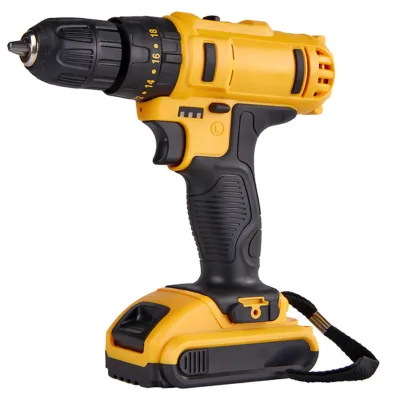
Impact Drill Cordless Electric Hand Power Tools Electrical Hammer Drill
$7.50 - $20.90
MOQ: 200 Pieces


Comprehensive Sourcing Guide
Marine Tools Electric Hand Drill Sourcing Guide
Sourcing electric hand drills for marine environments requires distinguishing between general industrial tools and those specifically rated for saltwater exposure. The available market data indicates a diverse range of cordless and corded units, including models like the 12145 and ED009, which are classified as hand drills or drill presses. Buyers must carefully evaluate whether a standard professional tool meets the rigorous corrosion resistance needed for marine applications, as many listed items are designed for general building and industrial use rather than harsh coastal conditions.
Procurement decisions should prioritize the power source and motor construction, as these factors directly influence performance in wet environments. The observed inventory includes units with full copper wire motors and varying power ratings, such as 400W models, which offer different torque capabilities. When selecting a drill for marine use, verify that the specific model's electrical insulation and body materials are suitable for high-humidity settings, ensuring that the tool's condition remains new and its structural integrity is not compromised by salt spray or moisture ingress.
Product Scope and Observed Listing Signals
The current market listing signals reveal a wide spectrum of product types, ranging from mini drills to heavy-duty impact drills with specific head structures like canines or ball types. Buyers will encounter models with varying chuck sizes, specifically 10mm and 13mm options, alongside specialized 6mm mini drills. It is critical to recognize that while some units are labeled as professional grade, others are categorized simply as hand drills or drill presses, and the specific application suitability for marine tasks must be confirmed against the manufacturer's intended use cases.
Listing attributes also highlight significant variations in customization and branding, with some suppliers offering OEM services and others providing non-customized standard units. The observed data includes brands such as Beili and Dannio, alongside generic OEM options, indicating that buyers must scrutinize the specific product model number to ensure compatibility with their operational needs. Additionally, the presence of different color options like blue and orange suggests that visual identification is possible, but functional specifications like the drill shape and impact drill head type are the primary determinants of utility.
Technical Specifications to Verify
Technical verification must begin with the chuck size and drill bit compatibility, as the observed listings specify 10mm, 13mm, and 6mm specifications that dictate the range of tool bits usable. For marine applications, the drill shape and the specific impact drill structure, whether ball-type or canines style, are essential for maintaining grip and efficiency in slippery or uneven surfaces. Buyers should confirm that the selected model's specification aligns with the required torque and speed for marine fastening tasks, ensuring the tool can handle the specific demands of the job without mechanical failure.
Motor construction and power source are equally critical technical parameters that influence long-term reliability in demanding environments. The available data points to motors constructed with full copper wire or standard copper wire, with power ratings reaching up to 400W for certain models. When evaluating a drill for marine use, verify that the motor is fully sealed against moisture and that the power source, whether electricity or battery, is compatible with the vessel's electrical system. The body size and overall weight also play a role in operator fatigue during extended marine maintenance sessions.
Compliance and Safety Documentation
Safety documentation for marine tools must address both electrical safety and environmental durability, as standard industrial certifications may not fully cover saltwater exposure risks. The observed listings mention CE and GS certifications, which are vital indicators of compliance with European safety standards for electrical equipment. However, buyers should not assume that a standard CE mark automatically guarantees suitability for marine environments; instead, verify that the specific product documentation includes testing for water resistance and corrosion protection relevant to the intended marine application.
In addition to electrical certifications, procurement teams must request detailed safety data sheets that outline the material composition of the drill body and internal components. The listed products originate from regions like Zhejiang and Yongkang, China, where manufacturing standards can vary significantly between suppliers. It is essential to confirm that the product standard, such as the 10mm or 13mm electric drill specifications, includes specific clauses regarding insulation and grounding for use in wet conditions, ensuring that the tool meets the safety requirements of maritime regulations.
Cost Drivers and Commercial Terms
Cost drivers for marine-grade electric hand drills are heavily influenced by the motor quality, specifically the use of full copper wire versus standard copper wire, and the complexity of the impact drill structure. The observed price range of 5.63 to 38.6 USD suggests a wide disparity in value, where higher-priced units likely offer superior durability and better sealing against moisture. Buyers should analyze the cost per unit against the expected lifespan in a marine environment, as cheaper models with basic copper wire motors may require more frequent replacement due to corrosion or electrical failure.
Commercial terms such as Minimum Order Quantity (MOQ) and customization options significantly impact the total cost of ownership for procurement teams. The market data shows an MOQ range of 10 to 500 units, with some suppliers accepting OEM requests and others offering non-customized standard products. When negotiating terms, consider the lead time and packaging requirements, as standard export color boxes and carton boxes may need to be upgraded for marine shipping to prevent damage during transit. Understanding these variables helps in budgeting for the initial purchase and future maintenance needs.
Supplier Qualification and Quality Control
Supplier qualification for marine tools requires a rigorous assessment of their manufacturing location and quality control processes, particularly given the concentration of suppliers in Zhejiang and Yongkang, China. Buyers should verify that the supplier has a proven track record of producing tools that meet specific marine standards, rather than relying solely on general industrial certifications. The presence of OEM acceptance indicates flexibility, but it is crucial to ensure that the supplier maintains strict quality control over the motor winding and casing materials to prevent defects that could lead to failure in wet conditions.
Quality control checks must extend beyond the initial factory inspection to include post-production testing for water resistance and electrical safety. Since the observed listings include various models like ED001 and BC-ED01, buyers should request sample units for independent testing to verify the integrity of the copper wire motors and the effectiveness of the impact drill heads. Establishing a clear communication channel with the supplier regarding defect rates and return policies is essential, ensuring that any non-compliant units are identified and addressed before they reach the marine operational environment.
Long-Term Procurement Checks
Long-term procurement checks should focus on the availability of spare parts and the consistency of product specifications across different production batches. Given the variety of models and specifications observed, such as the 10mm and 13mm chuck sizes, buyers must ensure that the supplier can consistently provide the exact same quality and performance over time. This is particularly important for marine applications where downtime can be costly, and having a reliable supply chain for replacement parts or identical units is critical for maintaining operational efficiency.
Buyers should also establish a protocol for periodic re-evaluation of supplier performance and product compliance with evolving marine safety standards. The initial certification of CE and GS is a starting point, but ongoing checks should verify that the products continue to meet the specific demands of the marine environment, including resistance to salt corrosion and electrical safety in high humidity. Regular audits of the supplier's production facilities and quality assurance processes will help maintain the integrity of the procurement program and ensure that the electric hand drills remain reliable assets for marine operations.
FAQs
What power source do these cordless screwdrivers use?
These cordless screwdrivers operate using electricity as their primary power source. This design allows for portable operation without the need for external gas or manual effort. The electric motor provides consistent torque for professional applications in building and industrial settings, ensuring reliable performance during extended use on various tasks.
Which drill brands are available for these hand drills?
Available drill brands include Beili and Dannio, offering distinct options for different professional needs. These brands provide reliable performance for various drilling tasks. Buyers can select based on specific brand preferences or OEM requirements, ensuring the tool matches their operational standards and quality expectations for industrial or building applications.
Can I customize the specifications for these electric drills?
Yes, customization is available for these electric drills to meet specific project requirements. Buyers can request tailored specifications, including different chuck sizes and motor configurations. This flexibility allows for precise adaptation to unique industrial or building applications, ensuring the tool performs optimally for specialized tasks while maintaining professional-grade quality and durability.
What are the common specifications for these impact drills?
Common specifications include 10mm and 13mm chuck sizes, catering to various drilling needs. Some models feature 6.5mm electric drill standards. These specifications ensure compatibility with standard drill bits and accessories. The tools are designed for professional use, offering robust performance in building and industrial environments with reliable power delivery and precise control.
Where are these marine tools electric hand drills manufactured?
These tools are manufactured in Zhejiang, China, with specific origins in Yongkang. This region is known for producing high-quality power tools. The manufacturing process adheres to standard export practices, ensuring consistent quality and reliability. Buyers can expect professional-grade tools sourced from established industrial hubs, supporting global supply chain needs for durable equipment.
What certifications do these electric drills hold?
These electric drills hold CE and GS certifications, indicating compliance with safety and quality standards. These certifications ensure the tools meet rigorous regulatory requirements for professional use. Buyers can trust the safety and performance of the equipment, knowing it has been tested and approved for use in various industrial and building applications across different markets.