Source Matrice Drone for Surveying, Inspection, and Emergency Response
Explore 30 available options for the Matrice Drone tailored for industrial applications. Buyers can compare specifications such as flight time, payload capacity, and camera systems to find suitable models for surveying, inspection, and emergency response tasks.
Key considerations
Products List


Matrice 30t Drone Series Drone with Matirice 30t Dual Camera Uav Quadcopter
$5099.00 - $5199.00
MOQ: 5 Boxes


Factory Original Matrice 350 Rtk Drone Worryfree Basic Combination Aircraft
$5540.00 - $5599.00
MOQ: 5 Boxes

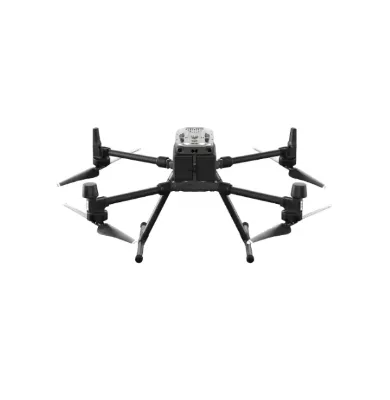
Original for MATRICE 300 RTK Drone Long Range Matrices 300 Rtk Dron
$4899.00 - $6899.00
MOQ: 100 Minimum
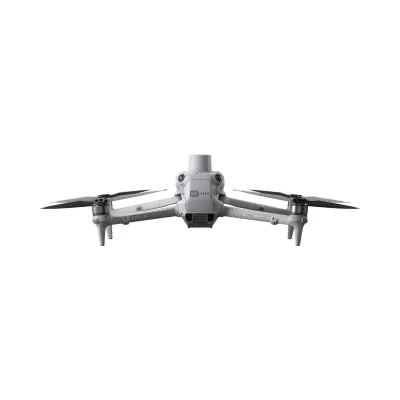
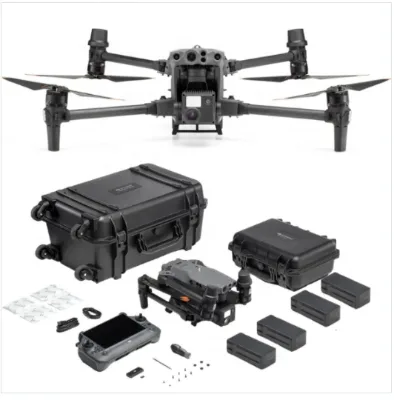
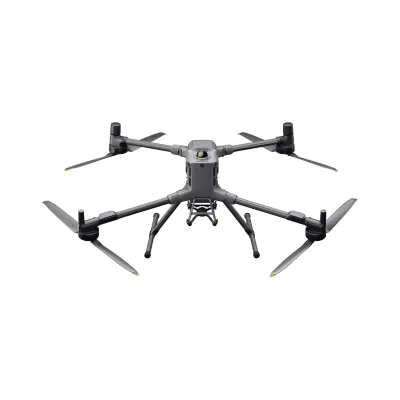
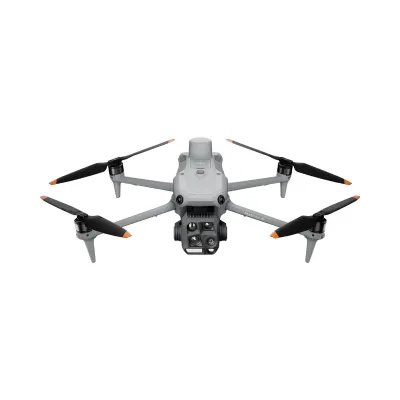
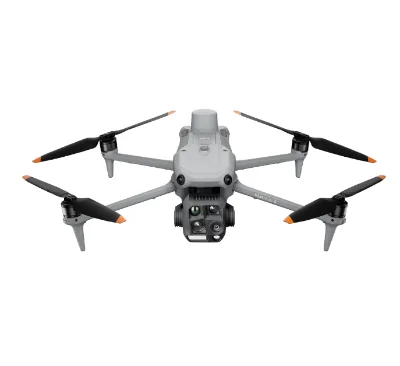
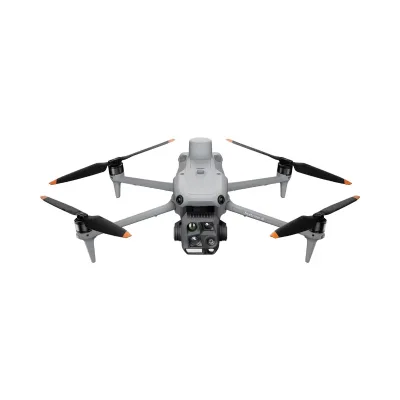


Matrice 350 Rtk Rechargeable Long-Endurance Steady Hovering Drone Tether System
$7220.00 - $7460.00
MOQ: 1 Pieces

Matrice 350/M300 Rtk Drone Tether Station Continuous Power Extended Outdoor Flight
$7490.00 - $7680.00
MOQ: 1 Pieces

Matrice 350 Rtk Compact Security Border Patrol Site Protection Tethered Drone System
$7229.00 - $7399.00
MOQ: 1 Pieces




Comprehensive Sourcing Guide
Strategic Sourcing Guide for Industrial Matrice Drone Procurement
Sourcing industrial-grade unmanned aerial vehicles (UAVs) requires a disciplined approach that prioritizes technical verification, regulatory compliance, and operational reliability over marketing narratives. The term "Matrice Drone" in the current market context refers to a specific class of high-performance industrial platforms designed for complex missions in sectors such as oil and gas, maritime operations, public safety, and electricity infrastructure. Buyers must navigate a landscape where product attributes vary significantly between models, necessitating a rigorous evaluation framework. This guide outlines the essential criteria for procurement professionals to identify suitable assets, validate supplier claims, and ensure long-term operational success without relying on unverified assertions.
Technical Specification Analysis and Model Differentiation
The foundation of any successful procurement decision lies in a granular understanding of the technical specifications provided by the supplier. In the observed market data, there is a clear divergence between models designed for extreme environments and those optimized for general industrial mapping. For instance, specific listings highlight a "Wing UAV" structure with an "Ultra High-Altitude" certification capability, reaching a maximum flight altitude of 7km. This specification is critical for buyers operating in mountainous regions or requiring line-of-sight over vast distances. Conversely, other models in the same category are characterized by a "Large" size specification but are optimized for different flight envelopes, with maximum flight times ranging from 41 minutes to 55 minutes.
Buyers must carefully distinguish between these configurations. The "Matrice 350 RTK" model, as referenced in the product data, is associated with a maximum load capacity of 2.7kg and a maximum wind speed tolerance of 12 M/S. This payload capacity allows for the integration of heavy sensor suites, including thermal imaging and high-resolution optical cameras. In contrast, the "DJI Matrice 30T" and "Dji Mavic 4E" listings present different operational parameters. The Matrice 30T data indicates a maximum flight time of 41 minutes and includes specific camera modules such as a 4/3 CMOS wide-angle camera with 20MP effective pixels and a medium tele camera with 48MP resolution. The Mavic 4E listing introduces an infrared thermal camera with a resolution of 640 × 512 and an NIR auxiliary light with an illumination distance of 100 M.
When evaluating these specifications, procurement teams must verify the "Operating Temperature" ranges. The data indicates a standard operational range of -20°C to 50°C across multiple models, which is a baseline requirement for industrial deployment. However, buyers should confirm if specific units meet "Ultra High-Altitude" or "High Altitude" certification requirements, as these designations imply enhanced performance in low-oxygen environments. The "Protection Grade" is another critical technical metric, with observed data citing IP55 ratings, which offer protection against dust and water jets. This level of ingress protection is essential for operations in adverse weather conditions, but it must be verified against the specific environmental hazards of the intended use case.
Compliance, Certification, and Regulatory Verification
Navigating the regulatory landscape for industrial drones is as critical as evaluating their technical capabilities. The provided product data references "ISOHeight" certifications, which appear to be specific to altitude performance rather than general quality management systems. Buyers must exercise caution and not assume that a mention of "ISO" implies a standard ISO 9001 or ISO 14001 certification unless explicitly detailed in the supplier's documentation. The distinction between "Ultra High-Altitude" and "High Altitude" certifications suggests that different models may comply with different regulatory frameworks regarding flight ceilings and airspace restrictions.
In addition to altitude certifications, the "Privacy Protection" attribute is a significant compliance factor. Listings mention "User Data Protection" and "User Data Security," which are essential for industries handling sensitive imagery, such as public safety and infrastructure inspection. Procurement teams must verify that the data encryption standards and privacy protocols meet the legal requirements of the jurisdiction in which the drone will operate. The "Dji RC Plus Remote Controller" is noted to support "Three-Way 1080P HD Transmission," which raises questions about data security and bandwidth requirements. Buyers should request detailed documentation on the encryption protocols used during image transmission to ensure that sensitive industrial data is not vulnerable to interception.
Furthermore, the "Trade Capacity" of suppliers, listed as "More Than 50 Units," indicates a level of market presence, but it does not guarantee compliance with local aviation authorities. Buyers must independently verify that the specific drone model holds the necessary airworthiness certificates for the target region. The "Place of Shipment" is noted as Hong Kong, which may have specific export control implications depending on the destination country. It is imperative to confirm that the supplier can provide all necessary export licenses and that the drone model is not subject to trade restrictions in the buyer's home country.
Cost Drivers and Total Cost of Ownership
The observed price range for these industrial drones spans from $15.9 to $11,498 USD, a variance that reflects the diversity of models and configurations available. The lower end of this spectrum likely corresponds to accessories, controllers, or entry-level configurations, while the higher end represents complete systems with advanced payloads and extended battery life. The "Minimum Order Quantity" (MOQ) ranges from 1 to 100 units, offering flexibility for both pilot programs and large-scale fleet deployments. However, buyers must look beyond the unit price to understand the Total Cost of Ownership (TCO).
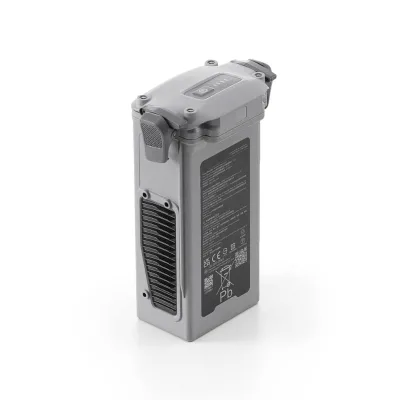
Key cost drivers include the "New Dual Battery System," which boasts a charge and discharge life of up to 400 times. While this extends the lifecycle of the power system, the initial investment in high-cycle batteries can be substantial. Additionally, the "Paper Box" packing specification suggests standard packaging, but buyers should inquire about the cost of specialized transport cases required for field operations. The "Maximum Load" of 2.7kg is a significant factor, as heavier payloads often require more robust power systems and may reduce flight time, indirectly increasing operational costs due to the need for more frequent battery swaps.
The "Software Designed for Industries" offering, which includes "Free Offline Ppk Processing of Visible Light Image," is a value-added feature that can reduce long-term software licensing costs. However, buyers must verify if this software is included in the base price or if it requires a separate subscription. The "Dji RC Plus Remote Controller" with a "7-Inch High-Brightness Large Screen" is a premium component that adds to the upfront cost but enhances operational efficiency in bright outdoor conditions. When evaluating the price range, procurement teams should request a detailed breakdown of costs, including the price of the airframe, payload, batteries, controller, and any associated software licenses, to accurately compare different suppliers.
Typical Applications and Operational Scenarios
The versatility of Matrice drones is evident in the diverse "Applicable Scenarios" listed, including water conservation, oil and gas, maritime, electricity, emergency response, and public safety. Each of these sectors has unique requirements that dictate the necessary drone specifications. For water conservation and maritime operations, the "IP55" protection grade and "High Altitude" capabilities are crucial for operating in humid and expansive environments. The "Laser Range Finder" with a measurement range of 1800 M is particularly valuable for surveying large bodies of water or assessing the structural integrity of offshore platforms.
In the electricity and public safety sectors, the "Infrared Thermal Camera" and "NIR Auxiliary Light" are indispensable tools. The ability to capture details from signs up to 250m away using "Super Resolution Telephoto" technology allows for the identification of faults in power lines or the monitoring of large crowds during emergency response scenarios. The "5-Directional Oblique Capture" feature enables the creation of comprehensive 3D models in a single flight, which is highly efficient for infrastructure inspection and disaster assessment. The "Safe Flight" features, such as "Fusion Positioning" and "Safe Return-to-Home," are critical for operations in complex urban environments or areas with limited GPS signal.
Buyers must align the drone's capabilities with their specific operational needs. For example, a utility company focused on power line inspection would prioritize the thermal camera and telephoto capabilities, while a maritime agency might focus on the wind speed tolerance and altitude range. The "Precision Mapping" feature, with a rapid 0.5-second interval shooting capability, is ideal for large-scale surveying projects, but it requires a robust data processing workflow to handle the volume of images generated. Understanding these application-specific requirements ensures that the selected drone model delivers maximum value and operational efficiency.
Supplier Evaluation and Quality Control Protocols
Evaluating suppliers for industrial drone procurement requires a multi-faceted approach that goes beyond the basic product listings. The "Original" origin status and "Hong Kong" shipment location provide some baseline information, but buyers must conduct due diligence to verify the authenticity of the products and the reliability of the supply chain. The "Trade Capacity" of more than 50 units suggests that the supplier has experience with bulk orders, but this does not guarantee quality consistency. Buyers should request references from previous clients in similar industries to assess the supplier's track record.
Quality control is paramount in the procurement of high-value industrial assets. The "New Dual Battery System" with a 400-cycle life is a significant selling point, but buyers must verify the testing procedures used to validate this claim. Requesting third-party test reports or certification documents for the battery life and performance under extreme temperatures is essential. The "Protection Grade" of IP55 should be verified through independent testing to ensure that the drone can withstand the specific environmental conditions of the intended use.
Furthermore, the "Software Designed for Industries" and "Free Offline Ppk Processing" features require a thorough evaluation of the software's stability and compatibility with existing workflows. Buyers should request a demonstration of the software to ensure it meets their specific data processing needs. The "Dji RC Plus Remote Controller" and its "7-Inch Widescreen" display should also be tested for responsiveness and durability. Establishing a clear quality control protocol that includes pre-shipment inspections, performance testing, and post-delivery support is essential for mitigating risks and ensuring the long-term reliability of the procurement.
Long-Term Procurement and Lifecycle Management
Sourcing industrial drones is not a one-time transaction but a long-term commitment that requires careful planning for lifecycle management. The "Maximum Flight Time" of 41 to 55 minutes and the "Maximum Load" of 2.7kg are performance metrics that will degrade over time, necessitating a proactive maintenance strategy. The "New Dual Battery System" with a 400-cycle life is a key factor in this regard, but buyers must establish a schedule for battery replacement and testing to ensure consistent performance.
The "Privacy Protection" and "User Data Security" features must be maintained throughout the lifecycle of the drone. This includes regular software updates to patch security vulnerabilities and ensure compliance with evolving data protection regulations. The "Software Designed for Industries" should be evaluated for its upgrade path and compatibility with future hardware configurations. Buyers should also consider the availability of spare parts and the lead time for replacements, as downtime can significantly impact operational efficiency.
Finally, the "Place of Shipment" and "Trade Capacity" of the supplier play a role in long-term logistics. A supplier with a strong presence in Hong Kong and the ability to ship more than 50 units may offer better support for large-scale deployments, but buyers must ensure that the supplier can provide timely technical support and training. Establishing a long-term partnership with a supplier who understands the specific needs of the industry and can offer continuous improvements to the drone ecosystem is crucial for maximizing the return on investment and ensuring the successful execution of industrial drone missions.
FAQs
What is the maximum flight altitude for these industrial drones?
Some models support ultra high-altitude operations reaching up to 7km. This capability is critical for mountainous regions or line-of-sight missions over vast distances.
Which certification levels are available for high-altitude performance?
Products are listed with Ultra High-Altitude and High Altitude certifications. These designations imply enhanced performance in low-oxygen environments rather than general quality management standards.
How much payload can the Matrice 350 RTK model carry?
The Matrice 350 RTK supports a maximum load of 2.7kg. This capacity allows for the integration of heavy sensor suites including thermal imaging and high-resolution optical cameras.
Can these drones operate in extreme temperature conditions?
Yes, the operating temperature range spans from minus 20 degrees Celsius to 50 degrees Celsius. This baseline requirement ensures reliability for industrial deployment in adverse weather.
What protection grade do these industrial drones meet?
The observed protection grade is IP55, offering protection against dust and water jets. This level of ingress protection is essential for operations in humid or adverse weather conditions.
How long does the new dual battery system last?
The new dual battery system offers a charge and discharge life of up to 400 times. This extends the lifecycle of the power system but may involve a substantial initial investment.
Which camera specifications are available for mapping missions?
Options include a 4/3 CMOS wide-angle camera with 20MP pixels and a medium tele camera with 48MP resolution. These modules support rapid 0.5-second interval shooting for precision mapping.
What is the minimum order quantity for these units?
The minimum order quantity ranges from 1 to 100 units depending on the supplier. This flexibility accommodates both pilot programs and large-scale fleet deployments.