Source Matte Finish Recyclable Cosmetic Tube for skincare, makeup, and travel
Explore 30 listings for the Matte Finish Recyclable Cosmetic Tube, comparing specifications like capacity, material, and customization options from verified Chinese manufacturers. Buyers can evaluate MOQs, lead times, and surface treatments to find the ideal packaging solution.
Key considerations
Products List


Custom Recyclable Cosmetics Paper Tube Cardboard Paper Tube for Cosmetic Packaging
$0.20 - $0.50
MOQ: 1000 Pieces


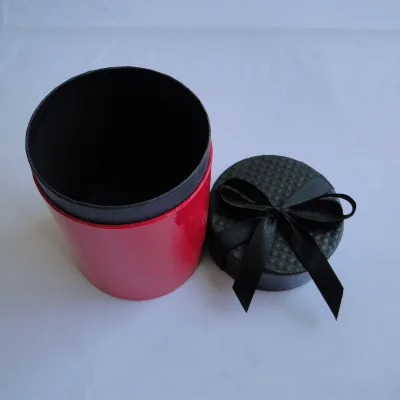


Luxury Black Gold Lipstick Tube with Gold Plated Inner Tube for Cosmetic Use
$0.60 - $0.65
MOQ: 10000 Pieces


Creative Design Stylish Empty Lipstick Tubes for Custom Cosmetic Packaging
$0.12 - $0.14
MOQ: 30000 Pieces

Comprehensive Sourcing Guide
Strategic Sourcing Guide for Matte Finish Recyclable Cosmetic Tubes
Understanding the Product Category and Core Attributes
The procurement of matte finish recyclable cosmetic tubes requires a precise understanding of the material composition and surface treatments that define this specific product category. Based on current market observations, the primary material composition for these tubes is often a composite of aluminum and plastic, a structure known as Aluminum-Plastic laminate. This material choice is critical because it balances the structural rigidity required for high-end cosmetic packaging with the flexibility needed for tube extrusion and folding. The "matte finish" is not merely an aesthetic choice but a specific surface treatment, frequently achieved through hot stamping processes or specialized printing techniques that include screen printing and offset printing.
Buyers must recognize that the "recyclable" attribute is a key differentiator in this segment. While the material is Aluminum-Plastic, the recyclability claim depends heavily on the specific lamination technology and the end-of-life infrastructure available in the target market. The product is designed for a global marketplace, serving unisex applications primarily within the cosmetics sector. The tubes are typically supplied in an unfolded state, requiring the buyer to manage the folding process or ensure the supplier provides pre-folded units if the service scope includes that step. The standard product models observed in this category range from specific identifiers like STT-008 and STT-005 to custom OEM/ODM designations, indicating a high degree of customization availability.
Technical Specifications and Dimensional Standards
When evaluating technical specifications, buyers must scrutinize the dimensional standards and volume capacities, as these vary significantly across different product lines. The observed data indicates a wide range of standard diameters and capacities. For instance, some models adhere to a main body diameter of 19mm, while others are specified by volume, such as 8ml, 6ml, 10ml, or even larger capacities like 100ml. Diameter specifications also extend to 16mm, 25mm, and 40mm, suggesting that the tube size is highly adaptable to different product viscosities and branding requirements.
The following table summarizes the observed technical variations to assist in specification verification:
| Specification Category | Observed Values | Verification Requirement |
|---|---|---|
| Main Body Diameter | 16mm, 19mm, 25mm, 40mm | Confirm fit for specific nozzle or pump head. |
| Volume Capacity | 6ml, 8ml, 10ml, 100ml | Match with product formulation volume. |
| Material Composition | Aluminum-Plastic, Plastic | Verify barrier properties for formula compatibility. |
| Surface Finish | Matte (via Hot Stamping) | Request physical samples to confirm texture. |
| Packaging Format | Folded/Unfolded | Clarify if the tube arrives pre-folded. |
It is essential to note that while some listings specify "customed" standards, others provide fixed models like AMY-124 or HX-D35mm. Buyers should not assume that a matte finish is available on every diameter or volume without explicit confirmation. The standardization of the tube body is often tied to the specific printing method; for example, hot stamping is listed as a distinct process alongside screen and offset printing, which may influence the minimum order quantities and the achievable design complexity.
Compliance, Certification, and Sustainability Claims
Navigating the compliance landscape for recyclable cosmetic tubes involves verifying both material certifications and sustainability claims. The high-confidence data points to ISO certification as a relevant standard for this product category. While specific ISO numbers like 14001 are mentioned in background contexts, buyers should treat these as areas for verification rather than guaranteed attributes of every listed product. The presence of an ISO certification generally indicates a manufacturer's adherence to quality management systems, but it does not automatically validate the recyclability of the specific tube model.
The "recyclable" attribute is a critical selling point, yet it requires rigorous due diligence. Buyers must ask suppliers to provide evidence of the recyclability claim, such as third-party testing reports or specific recycling stream compatibility data. The material is Aluminum-Plastic, which presents a unique challenge in recycling streams compared to pure plastic or pure aluminum. The buyer should verify if the supplier has partnerships with recycling facilities that can handle multi-layer laminates. Additionally, the "FSC" certification is noted in low-confidence background data; if sustainability is a primary procurement goal, the buyer must explicitly request FSC certification documentation if the paper-based components of the packaging (such as the paper box or inner tray) are involved.
Compliance also extends to the printing inks and adhesives used in the hot stamping and screen printing processes. Buyers should ensure that the inks used for the matte finish and any decorative elements are compliant with the regulations of the target market, particularly regarding heavy metals and volatile organic compounds (VOCs). The guarantee period of 3 years observed in some listings suggests a confidence in the structural integrity of the tube, but this should be treated as a service level agreement rather than a material guarantee.
Cost Drivers and Minimum Order Quantity Analysis
The cost structure for matte finish recyclable cosmetic tubes is influenced by several dynamic factors, primarily driven by material costs, customization levels, and order volume. The observed price range in the market spans from $0.06 to $0.80 per unit. This significant variance is not arbitrary; it is directly correlated with the complexity of the surface treatment, the specific diameter and volume, and the volume of the order. Tubes with complex multi-color offset printing or intricate hot stamping designs will naturally fall toward the higher end of this price spectrum.
Minimum Order Quantity (MOQ) is a critical cost driver in this sector. The data indicates a broad MOQ range, starting from 500 units and extending up to 30,000 units, with a specific high-confidence observation of an MOQ of 5,000 pieces for certain models. Some suppliers may require an MOQ of 10,000 units for custom designs. Buyers must align their procurement strategy with these thresholds. Ordering below the MOQ often results in significantly higher unit costs or may not be feasible at all. Conversely, ordering in larger volumes can leverage economies of scale, potentially bringing the unit cost closer to the $0.06 mark.
The "Sample" availability is another cost consideration. Many suppliers offer free samples (1-2 pieces), which is a standard practice that allows buyers to verify the matte finish quality and material feel before committing to a large order. However, the cost of shipping these samples and the lead time for sample production must be factored into the overall procurement timeline. The lead time for production is observed to be around 15 days, which is relatively short but can be extended by the complexity of the customization and the current capacity of the supplier.
Typical Applications and Market Positioning
The primary application for matte finish recyclable cosmetic tubes is within the cosmetics industry, serving a diverse range of products from skincare to makeup. The "unisex" attribute of these tubes suggests they are designed for broad market appeal, making them suitable for brands targeting both male and female demographics. The specific models observed, such as those with 8ml or 10ml capacities, are ideal for premium serums, eye creams, and lip treatments where a compact, high-end presentation is required. Larger capacities, such as the 100ml option, are better suited for body lotions or facial cleansers.
The "Global" marketplace designation indicates that these tubes are designed to meet international shipping and regulatory standards. The packaging format, which includes shrink bags, cartons, and pallets, ensures that the tubes are protected during transit. The "Standard Exported Carton" and "Carton with Inner PE Bag" options provide additional layers of protection, which is crucial for maintaining the integrity of the matte finish and preventing scratches or scuffs that could occur during rough handling.
The customization options, including OEM and ODM services, allow brands to differentiate their products in a crowded market. The ability to use screen printing, offset printing, and hot stamping enables the creation of unique brand identities. The "Folded" attribute being "Unfolded" in the supply state means that the final folding is often a step managed by the brand or the contract manufacturer, allowing for flexibility in the assembly line process.
Supplier Evaluation and Quality Control Protocols
Evaluating suppliers for matte finish recyclable cosmetic tubes requires a multi-faceted approach that goes beyond price comparison. Buyers should prioritize suppliers who offer a comprehensive service package including sample provision, OEM/ODM capabilities, and after-sales support. The "Guarantee Period" of 3 years is a strong indicator of a supplier's confidence in their product quality, but it should be accompanied by clear terms regarding what constitutes a defect versus normal wear and tear.
Quality control protocols must be established before placing a large order. Buyers should verify the supplier's ability to maintain consistency in the matte finish and the accuracy of the printing. The "Hot Stamping" process, in particular, requires precise temperature and pressure control to ensure the finish adheres correctly without peeling or cracking. Requesting a pre-production sample that undergoes the full manufacturing process is essential to validate the quality.
The origin of the products, primarily from Guangzhou, China, and Yangzhou, China, suggests a concentration of manufacturing expertise in these regions. However, buyers should verify the specific factory location to ensure it aligns with their logistical and ethical sourcing requirements. The "Mainland" designation for Guangzhou provides context for the manufacturing base but does not replace the need for a detailed supplier audit.
Long-Term Procurement and Supply Chain Resilience
Long-term procurement of these tubes involves considerations of supply chain resilience and sustainability evolution. The "recyclable" attribute is likely to become increasingly important as global regulations on plastic waste tighten. Buyers should engage with suppliers who are actively researching and developing more sustainable material solutions, such as mono-material structures or enhanced recycling technologies for Aluminum-Plastic composites.
The "Service" attribute, which includes after-sales support, is crucial for long-term partnerships. Buyers should ensure that the supplier has a robust mechanism for handling quality issues, such as inconsistent coloring or structural failures, that may arise after the initial order. The "Delivery Time" of 15 days is a standard benchmark, but buyers should negotiate lead times that account for potential supply chain disruptions, especially if the order volume is large or the customization is complex.
Finally, the "Marketplace" being "Global" implies that the supplier should have experience with international logistics and compliance. Buyers should verify the supplier's ability to handle documentation for customs clearance and ensure that the packaging meets the labeling requirements of the destination country. By focusing on these long-term factors, buyers can secure a reliable supply of high-quality, matte finish recyclable cosmetic tubes that align with their brand values and operational needs.
FAQs
What customization options are available for these cosmetic tubes?
Customization is available for these tubes, allowing buyers to tailor designs to their brand needs. The supplier offers both OEM and ODM services alongside sample provision and after-sale support. This flexibility supports unique branding requirements while maintaining the recyclable and matte finish attributes.
Which certification standards apply to these aluminum-plastic tubes?
These tubes carry ISO certification, indicating adherence to quality management systems. While specific environmental standards like ISO 14001 are noted in background data, buyers should verify specific compliance details with the supplier. The ISO mark serves as a baseline for manufacturing quality assurance.
How long is the delivery time for orders of these cosmetic tubes?
The standard delivery time for these tubes is 15 days from order confirmation. This lead time applies to production and preparation for shipment from the manufacturing locations in China. Buyers should confirm if this timeline includes sample preparation or specific customization steps.
Can I get free samples before placing a large order?
Yes, free samples consisting of one to two pieces are available for evaluation. This allows buyers to verify the matte finish quality and material composition before committing to a bulk purchase. Shipping costs for these samples may vary depending on the destination.
What is the minimum order quantity for these recyclable tubes?
The minimum order quantity typically ranges from 500 to 30,000 pieces depending on the specific model and customization level. A high-confidence observation notes an MOQ of 5,000 pieces for certain standard models. Custom designs may require higher volumes, such as 10,000 pieces.
Which surface treatment processes are used for the matte finish?
The matte finish is achieved through hot stamping, screen printing, and offset printing processes. These techniques are applied to the aluminum-plastic material to create the desired texture and visual appeal. Buyers should request samples to confirm the specific finish quality.
What packaging formats are used for shipping these cosmetic tubes?
Tubes are shipped in various formats including shrink bags, cartons, pallets, and inner trays with PE bags. Some listings specify paper boxes or standard exported cartons for protection. The packaging ensures the tubes remain undamaged during transit to the global market.