Source Matte Long Lasting Concealer for Daily Wear, Sunscreen, Waterproof
Find 30 options for a Matte Long Lasting Concealer suitable for all skin types and various functions like sunscreen and waterproofing. Buyers can compare specifications, certifications, and customization features across multiple models from Zhejiang suppliers.
Key considerations
Products List


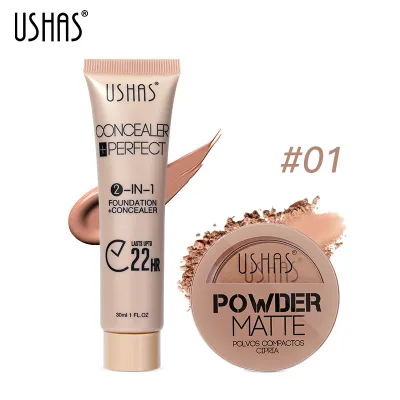
Hot Selling Long Lasting Full Coverage Liquid Concealer for Black Eye Circle
$0.35 - $0.58
MOQ: 12000 Pieces




Comprehensive Sourcing Guide
Strategic Sourcing Guide for Matte Long Lasting Concealer
The global demand for high-performance makeup products has driven a significant shift toward formulations that offer both aesthetic appeal and functional durability. For procurement professionals specializing in cosmetics, the matte long-lasting concealer represents a critical category where technical precision meets market expectation. Sourcing this specific product type requires a disciplined approach that balances ingredient integrity, regulatory compliance, and supply chain reliability. The following guide outlines the essential factors buyers must evaluate when identifying and vetting suppliers for matte concealers, ensuring that the final product meets both brand standards and consumer safety requirements.
Technical Specifications and Formulation Analysis
When evaluating a matte long-lasting concealer, the primary technical focus must be on the product's physical form and ingredient composition. The market offers a variety of formulations, ranging from cream-based textures to liquid applications, each delivering distinct coverage and finish characteristics. Based on current industry observations, successful matte concealers often utilize a blend of mineral, chemical, and herbal ingredients to achieve the desired opacity without a heavy feel. Buyers should verify that the supplier provides clear documentation regarding the specific ratio of these components, as the balance directly influences the product's longevity and skin compatibility.
The physical form of the concealer is a decisive factor in its application and wear time. Cream-based concealers are frequently noted for their ability to provide high coverage and a smooth, matte finish that resists creasing. Conversely, liquid formulations may offer a lighter texture that blends seamlessly into the skin, though they must be engineered carefully to maintain a matte effect without drying out the skin. The volume of the product is another critical specification, with observed market ranges typically falling between 36ml and 42ml per unit. Procurement teams must ensure that the selected model number corresponds to the intended packaging size, as variations in volume can impact the unit cost and shipping logistics.
Furthermore, the color palette available from the supplier is a key technical consideration. A robust product line should offer a diverse range of shades to accommodate various skin tones, including light, medium, dark, and fair-medium variations. Some suppliers provide a standard selection of 14 main colors, while others offer custom color matching services to align with specific brand identities. The ability to customize colors is particularly valuable for brands targeting niche demographics or launching exclusive collections. Buyers should also confirm the stability of the pigment dispersion, ensuring that the matte finish remains consistent across the entire shelf life of the product.
Regulatory Compliance and Certification Verification
Navigating the regulatory landscape is perhaps the most critical step in sourcing cosmetics for international markets. Compliance is not merely a legal requirement but a fundamental indicator of product quality and safety. When sourcing matte long-lasting concealers, buyers must verify that the supplier holds recognized certifications that validate their manufacturing processes and product safety. Common certifications observed in the industry include GMPC (Good Manufacturing Practice for Cosmetics), ISO standards, and MSDS (Material Safety Data Sheet) documentation. These certifications indicate that the facility adheres to strict hygiene and quality control protocols.
In addition to manufacturing standards, product-specific certifications are essential for market access. For instance, the FDA (Food and Drug Administration) registration is often required for products entering the United States market, while CE marking is a prerequisite for goods sold within the European Economic Area. Buyers should also look for evidence of GMP (Good Manufacturing Practice) compliance, which ensures that the product is consistently produced and controlled according to quality standards. The presence of these certifications should be verified through official documentation rather than relying solely on supplier claims.
Another vital aspect of compliance is the product's adherence to safety standards regarding animal testing and ingredient safety. Many modern brands and consumers prioritize cruelty-free products, and suppliers often highlight their "No Animal Testing" policies as a key feature. Similarly, the "Vegan" and "Paraben Free" attributes are increasingly demanded by the market. Buyers must ensure that the supplier can provide third-party verification or clear declarations confirming that the product is free from parabens and other potentially harmful chemicals. This verification is crucial for maintaining brand integrity and avoiding potential legal liabilities associated with non-compliant ingredients.
Cost Drivers and Pricing Structure
Understanding the cost drivers behind matte long-lasting concealers is essential for developing a competitive procurement strategy. The final price of the product is influenced by several factors, including the complexity of the formulation, the quality of raw materials, and the scale of production. The observed price range for these products in the current market spans from $0.35 to $3.50 per unit, reflecting the wide variability in quality and branding. Lower-priced options often utilize more generic ingredients and standard packaging, while higher-priced items may incorporate premium mineral complexes, advanced waterproofing technologies, and customized branding.
The Minimum Order Quantity (MOQ) is another significant factor affecting the overall cost structure. Suppliers typically offer tiered pricing based on order volume, with MOQs ranging from as low as 12 pieces for private label orders to 12,000 pieces for bulk manufacturing. For brands starting with a smaller inventory, the ability to order low quantities at a higher unit cost can be a strategic advantage, allowing for market testing without excessive capital commitment. Conversely, larger orders can significantly reduce the unit cost, but they require a robust sales forecast and efficient inventory management to avoid overstocking.
Packaging and customization also play a pivotal role in cost determination. Options such as box or bag packaging, and the inclusion of custom colors or branding, will add to the base cost of the product. Buyers should request detailed cost breakdowns that separate the cost of the formula, packaging, and any customization fees. This transparency allows for better budgeting and helps identify areas where cost savings can be achieved without compromising product quality. Additionally, the lead time associated with custom orders can impact the overall cost, as expedited shipping or rush production fees may apply.
Typical Applications and Market Positioning
Matte long-lasting concealers are designed to meet a wide array of consumer needs, making them versatile products for various market segments. The primary application of these concealers is to cover imperfections such as dark circles, blemishes, and hyperpigmentation while providing a smooth, matte finish that controls oil production throughout the day. The "waterproof" and "sunscreen" features observed in many formulations further enhance their utility, making them suitable for outdoor activities, humid climates, or long-wear scenarios where sweat and humidity might otherwise compromise the makeup.
The target demographic for matte concealers is predominantly female, with a specific focus on consumers with all skin types. The formulation must be gentle enough for sensitive skin while providing the necessary coverage for those with more complex skin concerns. The inclusion of ingredients like minerals and herbal extracts appeals to consumers seeking natural or clean beauty products, while chemical components ensure the durability and longevity required for professional use. This dual approach allows brands to position their products as both high-performance and skin-friendly.
In terms of market positioning, matte concealers are often marketed as essential tools for both everyday wear and professional makeup artistry. The "brighten" and "natural" features highlighted in product descriptions suggest a focus on enhancing the skin's appearance without looking heavy or artificial. This positioning is particularly effective for brands targeting the mass market, where consumers seek affordable yet effective solutions for their beauty routines. For premium brands, the emphasis on customization and high-quality ingredients can justify a higher price point and attract a more discerning customer base.
Supplier Evaluation and Quality Control Protocols
Selecting the right supplier is a critical decision that can determine the success of a procurement project. Buyers should evaluate potential suppliers based on their production capacity, quality control systems, and track record of delivering consistent products. The location of the manufacturing facility, often identified as Zhejiang, China, for many cosmetic suppliers, can influence logistics and lead times. Buyers should verify the supplier's ability to meet the required production volumes and adhere to the agreed-upon delivery schedules.
Quality control is paramount in the cosmetics industry, and buyers must ensure that the supplier has robust testing protocols in place. This includes regular testing for product stability, microbial contamination, and ingredient consistency. The supplier should be able to provide test results that align with industry standards, such as the EN71 standard for safety, which is often referenced in product specifications. Additionally, buyers should request samples for in-house testing to verify the product's performance, texture, and color accuracy before committing to a large order.
Communication and transparency are also key indicators of a reliable supplier. Buyers should assess the supplier's responsiveness to inquiries, their willingness to provide detailed documentation, and their ability to accommodate custom requests. A supplier that is open to collaboration and willing to work closely with the buyer to address specific requirements is more likely to deliver a satisfactory outcome. Regular audits and quality checks during the production process can further ensure that the final product meets the buyer's expectations and maintains the high standards required for market success.
Long-Term Procurement Considerations and Sustainability
Sourcing matte long-lasting concealers is not just a one-time transaction but a long-term partnership that requires strategic planning. Buyers should consider the scalability of the supplier's operations to ensure they can meet future demand as the brand grows. This includes evaluating the supplier's ability to handle increased order volumes, manage supply chain disruptions, and adapt to changing market trends. A flexible supplier who can scale production up or down as needed is invaluable for maintaining a stable supply chain.
Sustainability is becoming an increasingly important factor in procurement decisions. Buyers should inquire about the supplier's environmental practices, including the use of eco-friendly packaging materials and sustainable sourcing of raw ingredients. The "Vegan" and "Paraben Free" attributes observed in the market reflect a growing consumer demand for environmentally responsible products. By prioritizing suppliers who align with these values, brands can enhance their reputation and appeal to a conscious consumer base.
Finally, buyers should establish clear communication channels and contractual agreements that define expectations regarding quality, delivery, and pricing. Regular reviews of the supplier's performance and feedback mechanisms can help identify areas for improvement and ensure that the partnership remains mutually beneficial. By focusing on these long-term considerations, buyers can build a resilient supply chain that supports the growth and success of their cosmetic brands in a competitive market.
FAQs
What certifications do Matte Long Lasting Concealer manufacturers hold?
Manufacturers typically hold GMPC, ISO, MSDS, FDA, and GMP certifications. These documents validate that the facility adheres to strict hygiene and quality control protocols required for international cosmetic sales.
Can I customize the color shades for my brand?
Yes, customization is available with 14 main colors or custom color options. This allows brands to align the product palette with specific identities or target niche demographics effectively.
What is the minimum order quantity for private label orders?
The minimum order quantity starts at 12 pieces for orders under our own brand. Bulk manufacturing orders can reach up to 12,000 pieces to reduce unit costs significantly.
Where are these concealer products manufactured?
Products originate from Zhejiang, China, a major hub for cosmetic manufacturing. This location influences logistics and lead times for international buyers sourcing these specific formulations.
What packaging options are available for bulk orders?
Packaging options include individual boxes, bags, or cartons depending on the model. Standard specifications often define dimensions like 3gx6 color sets or larger carton sizes for shipping.
Are these concealers suitable for sensitive skin types?
Yes, the formulations are designed for all skin types including sensitive skin. Ingredients often blend minerals, chemicals, and herbal extracts to ensure gentle yet effective coverage.