Source Matte Mineral Blush Powder for Daily Makeup, OEM, and Private Label
Compare 30 listings for Matte Mineral Blush Powder featuring waterproof, long-lasting formulas suitable for various skin tones. Buyers can evaluate OEM services, natural matte finishes, and customized private labels from verified Chinese manufacturers.
Key considerations
Products List
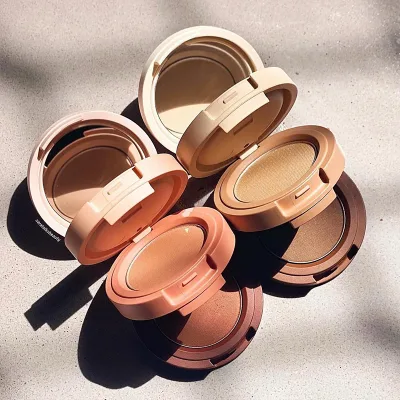


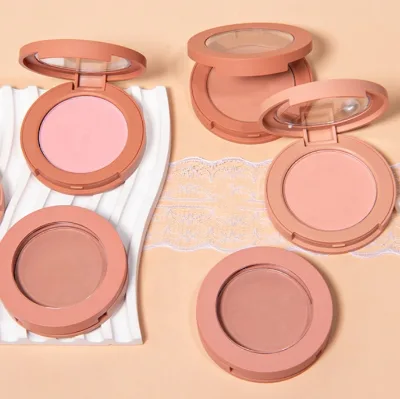
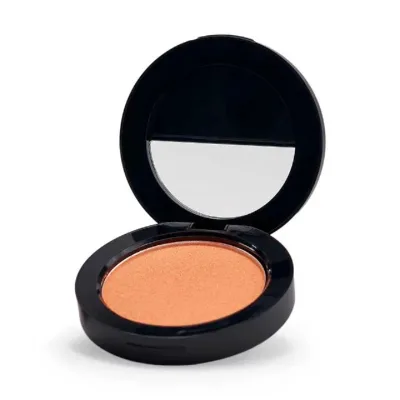
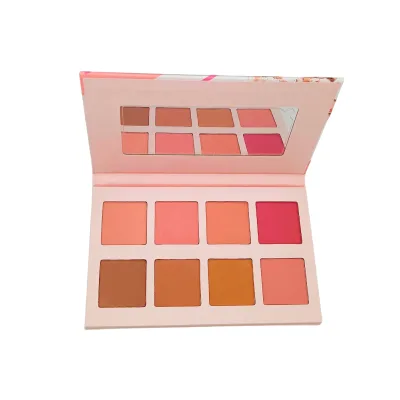
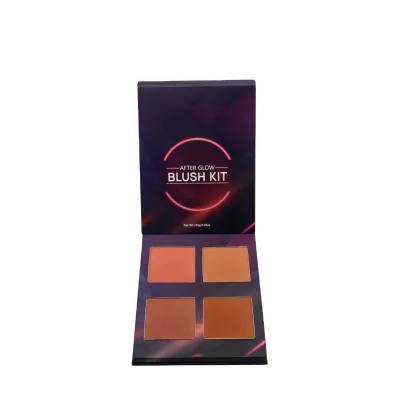
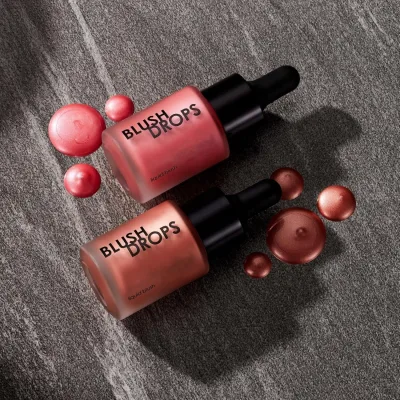
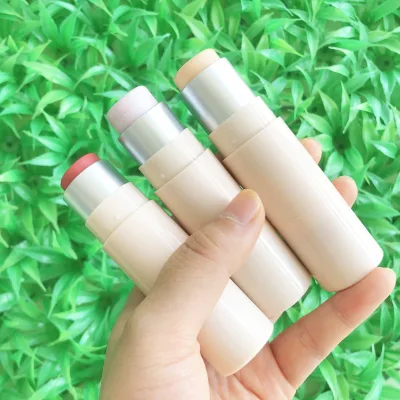
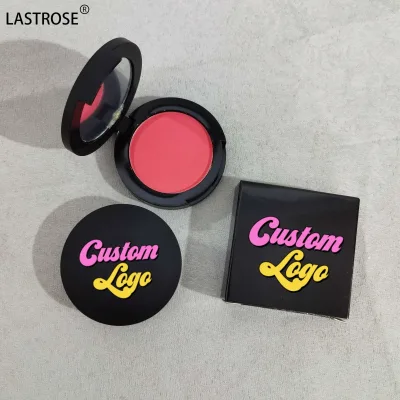
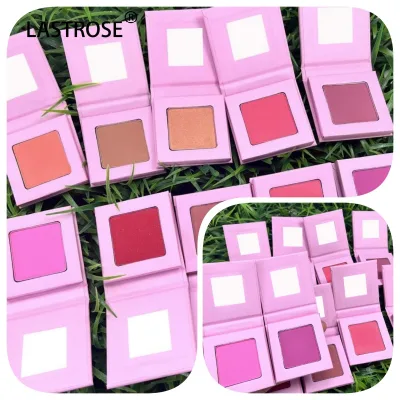
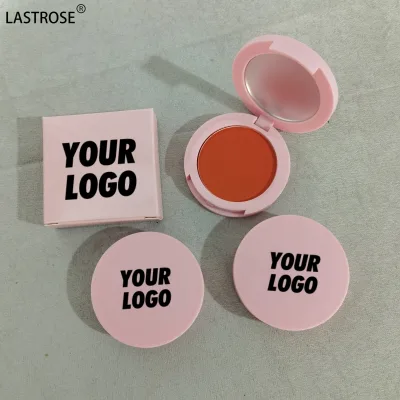
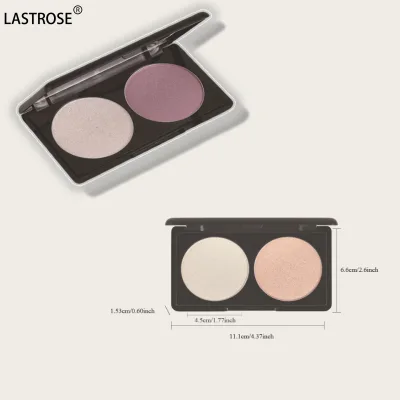


Hot Selling Pravite Label Makeup Powder Blush Loose Powder Blusher with Puff
$0.98 - $1.90
MOQ: 12000 Pieces

Hot Selling Cosmetic Popular Baked Powder Mineralized Blush Shimmer Blusher
$0.88 - $1.85
MOQ: 12000 Pieces


Comprehensive Sourcing Guide
Strategic Sourcing Guide for Matte Mineral Blush Powder
Understanding Product Specifications and Technical Attributes
When sourcing Matte Mineral Blush Powder, buyers must first distinguish between finished cosmetic formulations and raw pigment materials, as the supply chain often contains both. Based on the observed market data, the core product is defined as a face beauty item with a specific finish described as "Natural" or "Matte." The physical form is consistently identified as "Powder," with a net weight typically around 4.5 grams for individual retail units. A critical technical observation is the particle size specification, which ranges from 10 to 60 microns, with some variants noting a mesh size of 400. This granularity is essential for achieving the desired matte finish and ensuring smooth application on the skin without caking.
The composition of these products varies significantly across listings. Some entries explicitly list "Mineral" as the primary ingredient, while others reference specific chemical compositions such as "Oxide" or "Mica pigments." The color palette observed includes a wide spectrum ranging from standard skin tones like Fair, Light, Medium, and Dark to more vibrant hues including Purple, White, Black, Brown, Yellow, Green, and Red. For buyers focusing specifically on "matte mineral blush," the presence of mineral ingredients and oxide-based pigments is a key verification point. The product is designed for daily life use, targeting the face and specifically the cheek area, with a single package size often recorded as 5x4x6 cm.
Compliance and Certification Verification Protocols
Navigating the regulatory landscape for cosmetics requires rigorous verification of certifications, as the market data indicates a mix of standards that may apply to different stages of the supply chain. The observed listings mention several critical certifications, including MSDS (Material Safety Data Sheet), REACH, and references to EEC and FDA approvals. However, it is vital to note that these certifications may apply to the raw pigment suppliers rather than the final finished cosmetic product. For instance, "Flash Powder" and "Pearl Pigment" listings cite EEC and FDA approvals, while other entries specifically highlight REACH certification.
Buyers must not assume that a supplier's raw material certification automatically extends to their finished blush powder. The procurement process requires explicit confirmation of which entity holds the certification and for which specific product batch. The "prod_standard" field in the data lists "EEC, FDA, Approval," suggesting that compliance with these major regulatory frameworks is a common market expectation. However, the presence of "Insolubility" as a solubility attribute for certain pigments indicates that these are raw materials intended for applications like resin, nail polish, or paint, which differ from cosmetic safety standards. Therefore, a buyer must verify that the specific "Mineral" blush powder being sourced has undergone the necessary cosmetic safety assessments, distinct from industrial pigment testing.
Cost Drivers and Pricing Structure Analysis
The pricing landscape for Matte Mineral Blush Powder exhibits a broad range, with observed values spanning from 0.4 USD to 80.5 USD. This significant variance is driven by several factors, including the distinction between raw pigment and finished cosmetic goods, the complexity of the formulation, and the scale of the order. The Minimum Order Quantity (MOQ) also varies widely, from 1 unit to 12,000 units, directly influencing the unit cost. Lower MOQs typically correlate with higher per-unit prices, catering to small businesses or private label startups, while high-volume orders allow for economies of scale that reduce the cost per unit.
Packaging and customization are additional cost drivers. The data indicates that products are available in "Drums or Cartons" for bulk raw materials, with specific weights like 25 kg per color, whereas finished goods are packaged in small retail boxes. The availability of "Customized Private Logo" and "OEM ODM Private Label Service" adds value but also increases the cost due to the setup and labor involved in branding. Buyers should expect that the base price of the powder itself is only one component of the total landed cost. Shipping, particularly for heavy bulk shipments like 25 kg drums, and the cost of custom packaging design must be factored into the budget. The "Single gross weight" of 0.050 kg for retail units suggests that shipping finished goods is cost-effective per unit, whereas bulk raw material shipping requires different logistics planning.
Typical Applications and Market Versatility
While the core keyword focuses on "Matte Mineral Blush Powder," the market data reveals a broader ecosystem of applications that buyers should be aware of. The primary use case is clearly defined as "Face Cheek Color" for "Women," suitable for "Daily Life." The finish is described as "Natural" and "Matte," making it ideal for creating a soft, non-shimmering look. However, the same pigment specifications, such as the 10-60 micron particle size and oxide composition, are also listed for applications in "Resin," "Nail," and "Paint."
This duality presents an opportunity for diversification but also a risk of confusion. A supplier offering "Mica pigments" or "Flash Powder" might be marketing industrial-grade materials that are not suitable for direct cosmetic application without further processing or safety testing. The "Muticolor Series" and "77 Intense Colors of Loose Eyeshadow" suggest that the same pigment technology is used across various makeup categories. Buyers sourcing for the blush market must ensure that the supplier understands the specific regulatory and safety requirements for facial cosmetics, distinguishing them from industrial paint or nail applications. The "Eye Shadow Type: Dry" attribute further confirms the versatility of the powder form across different facial makeup products.
Supplier Evaluation and Service Capabilities
Evaluating suppliers for Matte Mineral Blush Powder requires a focus on their service capabilities, particularly regarding customization and private labeling. The data confirms that "OEM ODM" services are welcomed, and "Customized Private Logo" options are available. This indicates that many suppliers are equipped to handle private label contracts, which is crucial for brands looking to establish a unique market identity. The "Samples: Available" attribute is a positive indicator, allowing buyers to test product quality before committing to large orders.
Geographically, the supply chain is heavily concentrated in China, with specific origins noted in "Zhejiang" and "Huaian, Jiangsu." While these locations are known manufacturing hubs, buyers should verify the specific factory capabilities and quality control processes rather than relying solely on regional reputation. The "Service" attribute explicitly mentions "OEM ODM Private Label Service," suggesting that suppliers are prepared to handle the full spectrum of branding needs. However, the presence of "Special Packing Is Available" implies that standard packaging may not meet all brand requirements, necessitating clear communication regarding packaging specifications. Buyers should prioritize suppliers who can demonstrate flexibility in both product formulation and packaging solutions to meet specific brand standards.
Quality Control and Long-Term Procurement Considerations
Ensuring consistent quality in Matte Mineral Blush Powder involves rigorous control over particle size, color consistency, and ingredient purity. The observed "Particle Size" of 10-60um and "Mesh" of 400 are critical parameters that affect the texture and finish of the final product. Deviations in these specifications can lead to a gritty texture or uneven color distribution, which would be unacceptable in the cosmetics market. Buyers should request batch-specific test reports to verify that the particle size remains within the specified range for every shipment.
Long-term procurement considerations also include supply chain stability and the ability to scale. The wide range of MOQs (1 to 12,000) suggests that suppliers can accommodate both trial runs and large-scale production. However, the "Lead time" is not explicitly defined in the provided data, so buyers must negotiate this term carefully to ensure timely delivery. The "Net wt" of 4.5g for retail units and the bulk packaging of 25 kg per color indicate a scalable production model. Buyers should establish clear quality control checkpoints, including visual inspection of color consistency and verification of the "Mineral" ingredient claim. Additionally, the "Solubility: Insolubility" attribute for certain pigments highlights the need to ensure that the final cosmetic formulation does not rely on solubility, as the powder is intended to remain suspended or applied directly to the skin.
Comparative Analysis of Product Variants
To assist in decision-making, the following table compares key attributes observed in the market for Matte Mineral Blush Powder and related pigment products. This comparison helps buyers distinguish between finished cosmetic goods and raw materials.
| Attribute | Finished Matte Blush Powder | Raw Mineral Pigment | Industrial Pigment |
|---|---|---|---|
| Primary Use | Face Cheek Color | Cosmetic Formulation | Resin, Nail, Paint |
| Form | Powder (Finished) | Powder (Raw) | Powder (Raw) |
| Particle Size | 10-60 Micron | 10-60 Micron | 5-25 Micron |
| Certification | MSDS, EEC, FDA (Verified) | EEC, FDA, REACH | REACH, EEC |
| Packaging | 5x4x6 cm Retail Box | Drums or Cartons (25kg) | Drums or Cartons |
| Customization | Private Logo, OEM/ODM | Custom Color, Mesh | Custom Color, Size |
| Net Weight | 4.5g (Retail) | 25kg (Bulk) | 25kg (Bulk) |
| Finish | Natural, Matte | N/A (Raw) | N/A (Raw) |
This table illustrates that while the raw materials may share similar physical properties like particle size, the end-use and certification requirements differ significantly. Buyers must ensure they are purchasing the correct category of product for their specific needs. The "Finished Matte Blush Powder" column represents the target for cosmetic brands, requiring specific safety certifications and retail-ready packaging, whereas the "Raw Mineral Pigment" and "Industrial Pigment" columns represent upstream materials that require further processing and safety validation before being used in cosmetics.
Final Procurement Recommendations
Sourcing Matte Mineral Blush Powder requires a balanced approach that combines technical verification with strategic supplier selection. Buyers should prioritize suppliers who offer clear documentation of their certifications, specifically ensuring that the "Mineral" and "Oxide" ingredients meet cosmetic safety standards. The ability to provide samples and customize private labels is a strong indicator of a supplier's readiness to support brand growth. By carefully analyzing the product specifications, understanding the cost drivers, and verifying the compliance status, buyers can build a reliable supply chain for high-quality Matte Mineral Blush Powder. The diversity of the market offers flexibility, but it also demands diligence to ensure that the final product meets the rigorous standards expected in the beauty industry.
FAQs
How is the particle size of Matte Mineral Blush Powder defined?
The particle size is typically specified between 10 and 60 microns with a mesh count of 400. This granularity ensures a smooth matte finish on the skin without caking. Buyers should verify batch reports to confirm these specific physical dimensions are maintained for consistent texture.
What certifications are commonly listed for these cosmetic products?
Common certifications include MSDS, REACH, and references to EEC or FDA approvals. However, buyers must confirm if these apply to the finished blush or just the raw pigments. Always request documentation proving the specific cosmetic batch meets safety standards for facial application.
Which customization services are available for private label brands?
Suppliers offer OEM and ODM services with customized private logos and packaging options. Customization is available for branding needs, though special packing may incur additional costs. Buyers should request samples to verify the quality of the private label application before placing large orders.
Can buyers order small quantities to test product quality first?
Yes, samples are available and minimum order quantities can start as low as one unit. This allows buyers to test the mineral formulation and matte finish before committing to bulk purchases. Higher unit costs apply to these low MOQs compared to large volume orders.
What is the typical net weight for a single retail package?
The standard net weight for a single retail unit is 4.5 grams. This size fits within a compact package measuring approximately 5 by 4 by 6 centimeters. Bulk raw materials are often shipped in 25-kilogram drums or cartons instead of these small retail sizes.
How does the price range vary for Matte Mineral Blush Powder?
Prices observed in the market range from 0.4 to 80.5 USD depending on the order volume and product type. Lower prices often correlate with high minimum order quantities or raw pigment sales, while higher prices reflect finished goods with private labeling. Buyers should factor in shipping costs for bulk drums.
Which locations are the primary origins for these cosmetic suppliers?
Primary origins are located in Zhejiang and Huaian, Jiangsu in China. These regions are established manufacturing hubs for cosmetic ingredients and finished beauty products. Buyers should verify the specific factory location to ensure it aligns with their logistics and quality control requirements.