Source Mechanical Thermostat Cake Display Fridge for Bakeries, Cafes, and Retail Shops
Find 30 Mechanical Thermostat Cake Display Fridge options for bakeries, cafes, and retail shops. Buyers can compare specifications like temperature range, capacity, and door types to select the right unit for their cold storage needs.
Key considerations
Products List


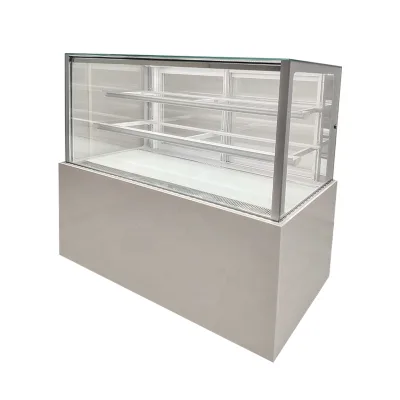


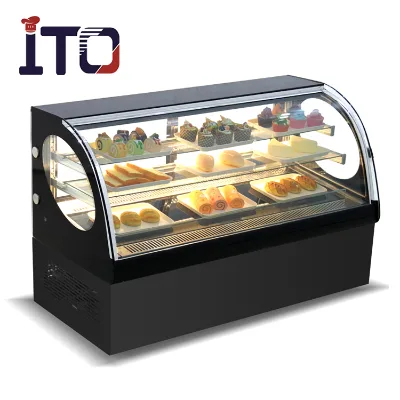
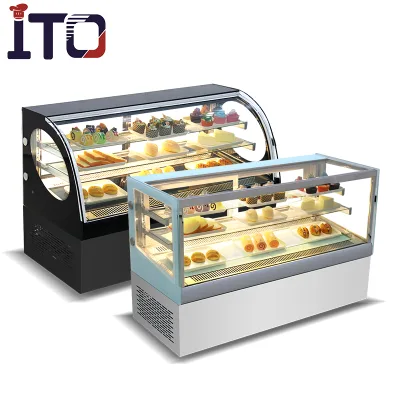


Comprehensive Sourcing Guide
Strategic Sourcing Guide for Mechanical Thermostat Cake Display Fridges
Procuring specialized refrigeration equipment for the food service and retail sectors requires a nuanced understanding of technical specifications, regulatory compliance, and supply chain reliability. When the core keyword focuses on a Mechanical Thermostat Cake Display Fridge, buyers must navigate a landscape where precision temperature control is paramount for product integrity. Unlike units relying on complex digital interfaces, mechanical systems offer robust, straightforward operation, yet they demand rigorous verification of their internal components and environmental adaptability. This guide outlines the essential factors for sourcing these units effectively, ensuring that procurement decisions are grounded in verified data and industry best practices rather than unverified marketing claims.
Technical Specifications and Operational Parameters
The foundation of any successful procurement lies in the precise alignment of technical specifications with operational needs. For cake display units, the primary function is maintaining a specific temperature range that preserves the texture and appearance of confectionery items. Based on available product data, the target temperature range for such units typically falls between 2°C and 8°C, or occasionally extends to 2°C to 10°C. This range is critical for preventing the melting of chocolate decorations while ensuring that cream-based fillings remain stable. Buyers must verify that the unit's cooling method aligns with these requirements; options observed in the market include ventilated or static cooling, as well as air cooling systems.
The power source is another decisive technical factor. While many commercial units operate on standard electricity with voltages ranging from 110V to 240V, some specialized configurations may utilize gas power sources, though this is less common for standard display cases. The voltage compatibility must match the local grid infrastructure to prevent operational failure. Furthermore, the defrost mechanism is a critical component for long-term efficiency. Units may feature auto-defrost or frost-free capabilities, which are essential for maintaining consistent airflow and preventing ice buildup that could obstruct the display or compromise the mechanical thermostat's accuracy.
Capacity and physical dimensions also play a significant role in the selection process. The internal volume of these units can vary widely, with observed capacities ranging from 101 to 200 liters for compact models up to over 501 liters for large-scale commercial installations. Standard dimensions often cited in product specifications include configurations such as 1500mm x 600mm x 1200mm or 2000mm x 730mm x 1200mm. The door configuration is equally important; while some units feature single doors, others utilize double doors or sliding door mechanisms to facilitate easier access and better temperature retention. The glass construction should ideally be double-layer tempered glass to ensure safety and thermal insulation.
Compliance and Certification Verification
In the global B2B market, compliance with international standards is non-negotiable. Buyers must demand evidence of certification that validates the safety and environmental compliance of the refrigeration unit. The most frequently observed certifications for these products include CE, RoHS, ISO, CCC, CB, SASO, EMC, GS, and ETL. These certifications indicate that the product meets specific regional and international requirements regarding electrical safety, electromagnetic compatibility, and hazardous substance restrictions.
The CE mark, for instance, signifies conformity with health, safety, and environmental protection standards for products sold within the European Economic Area. Similarly, RoHS compliance ensures that the unit does not contain restricted hazardous materials. For markets in North America, ETL and GS certifications are often required to demonstrate compliance with local safety standards. In regions like the Middle East, SASO certification is a mandatory requirement for importation. Buyers should not rely on general assertions of compliance but must request specific documentation for the model in question, as certification status can vary between different product lines or manufacturing batches.
Additionally, the origin of the product is a relevant factor in the compliance landscape. Many units are manufactured in China, with specific production hubs in regions like Guangdong. While the country of origin does not inherently dictate quality, it influences the regulatory framework under which the product was built. Buyers should verify that the manufacturer has a clear track record of adhering to the standards of the destination market, ensuring that the product can legally enter the supply chain without customs delays or rejection.
Cost Drivers and Pricing Dynamics
Understanding the cost structure of mechanical thermostat cake display fridges is essential for budgeting and negotiation. The observed price range for these units is broad, spanning from approximately $1 to $25,000 USD. This variance is driven by several key factors, including capacity, material quality, and the complexity of the cooling system. A unit with a capacity of 101-200 liters will naturally be priced differently than a model exceeding 501 liters. Similarly, the choice of materials, such as stainless steel construction versus other alloys, significantly impacts the final cost.
The Minimum Order Quantity (MOQ) is another critical cost driver. Data indicates that MOQs can range from a single unit to as high as 40 units. For buyers looking to test the market or equip a single location, suppliers offering an MOQ of 1 are preferable. However, for large-scale deployments, negotiating a lower unit price based on a higher volume order is a standard practice. The packaging method also influences logistics costs; options include seaworthy packing, plywood cases, or standard carton boxes. Each method offers different levels of protection during transit, with plywood cases generally providing superior protection for heavy or high-value units, albeit at a potentially higher shipping cost.
Lead times and customization options further affect the total cost of ownership. While standard models may be available for immediate shipment, units requiring customization or specific voltage configurations may incur longer lead times and higher manufacturing costs. Buyers should factor in these variables when calculating the total budget, ensuring that the final price includes all necessary components for installation and operation.
Typical Applications and Usage Scenarios
The versatility of mechanical thermostat cake display fridges makes them suitable for a wide array of applications. These units are specifically designed for the display and storage of cakes, chocolates, pastries, snacks, and bread. The precise temperature control provided by the mechanical thermostat ensures that delicate items remain fresh and visually appealing throughout the day. In retail environments, such as bakeries and confectionery shops, these units serve as both storage and display, allowing customers to view the products while maintaining optimal storage conditions.
In commercial kitchens and catering services, the ability to store ingredients at a consistent temperature is vital. The double-temperature capability observed in some models allows for the simultaneous storage of items requiring different thermal conditions, enhancing the utility of the unit. The noise level of the compressor is also a consideration in customer-facing environments; units featuring brand compressors with low noise and stable operation are preferred to maintain a pleasant ambiance.
The usage scenarios extend beyond retail to include events and temporary setups. The portability and robust construction of these units make them suitable for mobile applications, provided they are powered by compatible voltage sources. Whether used in a permanent storefront or a temporary event booth, the mechanical thermostat ensures that the internal environment remains stable, protecting the investment in high-quality confectionery products.
Supplier Evaluation and Quality Assurance
Selecting the right supplier is as important as selecting the right product. Buyers should evaluate potential suppliers based on their ability to provide detailed technical documentation, certification evidence, and after-sales support. The presence of OEM (Original Equipment Manufacturer) capabilities indicates that the supplier can customize products to meet specific requirements, a valuable feature for businesses with unique operational needs.
Quality control measures should be a central part of the supplier evaluation process. Buyers should inquire about the manufacturing standards and testing procedures used to ensure product reliability. The use of high-quality components, such as pure copper pipes for evaporation and stainless steel for the exterior, is a strong indicator of a commitment to quality. Additionally, the supplier's reputation for stability and long-term support is crucial, as refrigeration units require maintenance and potential repairs over their lifespan.
When evaluating suppliers, buyers should also consider the transparency of their communication. A reliable supplier will provide clear information regarding the product model, specifications, and any limitations. They should be willing to answer questions about the mechanical thermostat's accuracy, the cooling efficiency, and the durability of the glass doors. Building a relationship with a supplier who prioritizes quality and transparency can lead to better procurement outcomes and reduced risk of operational disruptions.
Long-Term Procurement and Maintenance Considerations
The lifecycle of a Mechanical Thermostat Cake Display Fridge extends well beyond the initial purchase. Buyers must consider the long-term implications of their procurement decisions, including maintenance requirements, energy efficiency, and the availability of spare parts. The mechanical thermostat, while robust, may require periodic calibration to ensure accurate temperature control. Buyers should verify that the supplier offers access to replacement parts and technical support for such maintenance tasks.
Energy efficiency is another long-term consideration. Units with advanced cooling methods and efficient compressors can significantly reduce operating costs over time. While the initial investment in a more efficient unit may be higher, the savings in energy consumption can justify the cost over the lifespan of the equipment. Buyers should also consider the environmental impact of the unit, looking for models that comply with energy-saving standards and use eco-friendly refrigerants.
Finally, the adaptability of the unit to future needs is a key factor in long-term planning. As business requirements evolve, the ability to upgrade or modify the unit becomes important. Suppliers that offer customization options and modular designs can provide greater flexibility, allowing the business to adapt the equipment to changing operational demands without the need for complete replacement. By focusing on these long-term factors, buyers can ensure that their investment in mechanical thermostat cake display fridges delivers sustained value and reliability.
FAQs
What temperature range does a Mechanical Thermostat Cake Display Fridge maintain?
These units typically maintain a temperature range between 2°C and 8°C or 2°C to 10°C. This specific range prevents chocolate melting while keeping cream-based fillings stable for retail display.
Which certifications are commonly required for these display fridges?
Common certifications include CE, RoHS, ISO, CCC, CB, SASO, EMC, GS, and ETL. Buyers must verify specific documentation for the model to ensure compliance with regional safety and environmental standards.
Can these units be customized for specific business needs?
Yes, customization is available for these units. Suppliers often offer OEM capabilities to adjust specifications like voltage, dimensions, or capacity to match unique operational requirements.
What power sources are used for mechanical thermostat cake display fridges?
Most units operate on electricity with voltages ranging from 110V to 240V. Some specialized configurations may utilize gas power sources, though electricity is the standard for commercial display cases.
How is the cooling method implemented in these display units?
Cooling methods include ventilated, static, or air cooling systems. These methods ensure consistent airflow and temperature stability, often paired with auto-defrost or frost-free capabilities to prevent ice buildup.
What is the typical capacity range for these cake display fridges?
Internal volumes range from 101 to 200 liters for compact models up to over 501 liters for large installations. Specific capacities like 301-400L are also observed in standard commercial configurations.
Which materials are used for the construction of these fridges?
Stainless steel is a common material for the exterior construction. Internal components often feature pure copper pipes for evaporation to ensure durability and efficient heat transfer.