Source Medical Tubing for Clinical, Orthopedic, and Dental Use
Explore 30 listings for Medical Tubing suitable for clinical, orthopedic, and dental applications. Buyers can compare specifications like material, sterilization, and dimensions to find the right drainage containers, catheters, and tubes for their needs; compare the available evidence and request quotations based on your requirements.
Key considerations
Products List


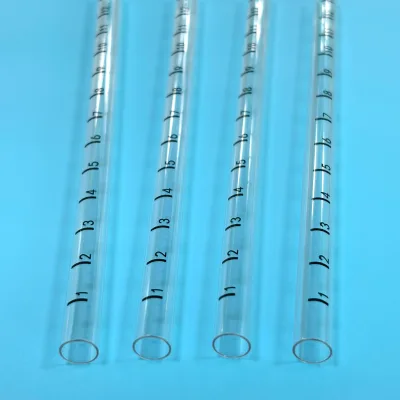
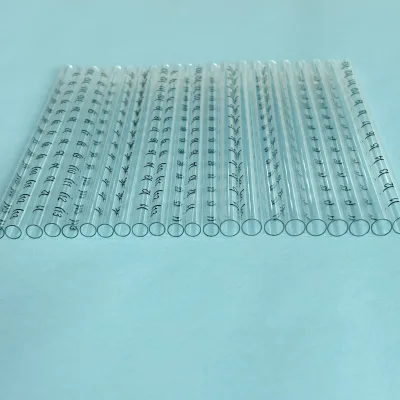
Factory Supply Silicone Tubes Tubing Medical Grade Silicone Rubber Pipe
$0.20 - $5.00
MOQ: 2000 Pieces




Comprehensive Sourcing Guide
Medical Tubing Sourcing Guide
Medical Tubing serves as a critical component in diverse clinical and industrial applications, ranging from drainage systems to complex catheter assemblies. Buyers must distinguish between single-use disposable items and reusable stainless steel variants, as the intended application dictates the required material integrity and sterilization protocols. The observed market offers products specifically designed for orthopedic, dental, and cardiovascular procedures, necessitating a clear definition of the end-use environment before initiating a supplier search.
Procurement strategies must account for the wide variance in product configurations, including multi-lumen designs and seamless hardtubing with specific outer diameter ranges. Sourcing teams should verify whether the required tubing is intended for clinical use only or if it supports broader industrial applications, as this distinction often influences the manufacturing environment standards and material selection. Understanding these fundamental usage differences ensures that the selected supplier can meet the precise functional demands of the medical device assembly.
Product Scope and Observed Listing Signals
The current market landscape reveals a significant divergence in product types, from standard drainage containers to specialized silicone and stainless steel tubing. Buyers will encounter listings specifying materials such as SS304, SS316, and SS316L, alongside plastic variants, each offering distinct mechanical properties suitable for different pressure and chemical resistance requirements. It is essential to cross-reference the listed material grade with the specific fluid compatibility and mechanical stress expected in the final medical device to avoid performance failures.
Listing signals also indicate a high degree of customization, with many suppliers offering OEM services and the ability to produce tubing according to specific drawings or model numbers. Observations show that standard sizes may range from 0.25mm to 30mm in outer diameter, while custom lengths are frequently available in increments like 180cm or 300cm. Procurement teams must carefully evaluate whether the supplier's standard catalog aligns with their technical drawings or if they require a fully bespoke manufacturing process to achieve the desired dimensions and lumen configuration.
Technical Specifications to Verify
Technical verification begins with confirming the precise dimensional tolerances and surface treatments required for the application. Listings indicate that surface finishes can range from polished to specific standard sizes like 3/16'' or 1/4'', which directly impact flow dynamics and friction coefficients within the medical device. Buyers should explicitly request dimensional data sheets that validate the outer diameter and wall thickness against their design specifications, ensuring that the tubing will fit seamlessly into existing catheter or drainage systems without modification.
Material composition and manufacturing technique are equally critical, with options including hot-rolled processes and seamless hardtubing constructions. The choice between plastic and various stainless steel grades must be validated against the intended sterilization method, as some materials may degrade under specific conditions. Additionally, the classification of the instrument, such as Class II, and the specific application area, whether orthopedic or cardiovascular, must be matched with the supplier's capability to produce tubing that meets the rigorous mechanical and chemical standards of the target medical field.
Compliance and Safety Documentation
Compliance verification requires a rigorous review of sterilization capabilities and certification status, as these factors are non-negotiable for clinical-grade products. The market data shows a mix of sterilization methods, including Ethylene Oxide (EOS) and non-sterilized options, which must align with the buyer's regulatory requirements and the intended shelf-life of the final device. Procurement teams must ensure that the supplier can provide valid certificates for the specific sterilization method used, as this directly impacts the safety and regulatory clearance of the medical product.
Certification documentation should also confirm adherence to recognized quality management systems, with ISO standards frequently cited in the industry. While specific certification levels vary, buyers must verify that the supplier's manufacturing environment meets the necessary cleanliness classes, such as Class 100000, to prevent contamination during production. It is imperative to request evidence of these environmental controls and any relevant product certifications, such as CE marking, to ensure the tubing meets the safety and quality benchmarks required for medical use.
Cost Drivers and Commercial Terms
Cost structures for Medical Tubing are heavily influenced by material selection, manufacturing complexity, and the level of customization required. Stainless steel variants, particularly those in SS316L, generally command higher prices than plastic alternatives due to raw material costs and the precision needed for seamless hardtubing production. Buyers should anticipate that custom dimensions, specific surface treatments, and specialized packaging options will introduce additional variables that affect the final unit price and overall procurement budget.
Commercial terms must address minimum order quantities and lead times, which can vary significantly based on the supplier's capacity and the complexity of the order. Observed data suggests a wide range of MOQs, from small batches of 1 unit to large industrial orders of 10,000 units, requiring flexible negotiation strategies. Procurement teams should clarify payment terms, sample availability, and the timeline for mass production to ensure that the supply chain remains responsive to project deadlines and inventory management needs.
Supplier Qualification and Quality Control
Supplier qualification hinges on the ability to demonstrate consistent manufacturing quality and adherence to strict production standards. Buyers should prioritize suppliers who explicitly state their manufacturing environment controls, such as Class 100000 clean rooms, as these facilities are essential for producing medical-grade tubing that meets hygiene and safety requirements. Verifying the supplier's track record in providing samples and their willingness to accommodate custom drawings is a critical step in assessing their technical competence and reliability.
Quality control processes must be validated through a review of the supplier's inspection protocols and testing capabilities. It is vital to confirm that the supplier conducts rigorous checks on material properties, dimensional accuracy, and surface finish before shipment. Buyers should request detailed quality assurance reports and evidence of their ability to maintain consistency across production batches, ensuring that every unit of tubing delivered meets the exact specifications required for the medical device assembly.
Long-Term Procurement Checks
Establishing a long-term partnership requires ongoing monitoring of supplier performance and product consistency over time. Buyers should implement a system for periodic audits and quality reviews to ensure that the supplier continues to meet the evolving regulatory and technical standards of the medical industry. This proactive approach helps mitigate risks associated with supply chain disruptions and ensures that the tubing remains compatible with the latest medical device designs and sterilization protocols.
Continuous communication regarding changes in material availability, manufacturing techniques, or regulatory updates is essential for maintaining a robust supply chain. Procurement teams should maintain a clear record of all technical specifications and compliance documents to facilitate smooth transitions and future re-orders. By fostering a collaborative relationship with the supplier, buyers can ensure a steady supply of high-quality Medical Tubing that supports the long-term success and safety of their medical device products.
FAQs
What materials are used for Medical Tubing?
Medical Tubing is commonly made from plastic or stainless steel grades like SS304 and SS316L. Some products utilize SUS304 seamless hardtubing for durability. These materials ensure safety for clinical and industrial applications while meeting specific performance needs.
Can I get custom sizes for drainage tubes?
Yes, custom sizes are available for drainage containers and tubes. Specifications can be tailored according to drawings or specific requirements. This flexibility allows buyers to obtain tubing that fits their exact operational needs without compromising on quality standards.
Which certifications do Medical Tubing suppliers hold?
Suppliers often hold ISO certifications and CE marks for their Medical Tubing products. These certifications ensure compliance with international safety and quality standards. Buyers should verify specific documentation to confirm that the products meet their regulatory requirements for clinical use.
How is the tubing sterilized before delivery?
Sterilization methods include Ethylene Oxide or EOS processes depending on the product type. Some items are supplied non-sterilized for further processing. The manufacturing environment is typically Class 100000 to maintain high hygiene standards during production and packaging.
What is the minimum order quantity for tubing?
Minimum order quantities range from 1 to 10000 units depending on the supplier and product type. Buyers can often find flexible options for small sample orders or bulk industrial purchases. Specific MOQs vary based on customization needs and material selection.
Where are these Medical Tubing products manufactured?
Products are primarily manufactured in China, with specific origins noted in Zhejiang. Factories operate in controlled environments to ensure consistent quality. Buyers can source directly from these regions to access a wide variety of tubing specifications and materials.
Can suppliers provide samples for testing?
Yes, suppliers can provide samples for testing and evaluation purposes. This allows buyers to verify material quality and dimensions before committing to larger orders. Sample availability supports informed decision-making for clinical and industrial procurement needs.