Source Medium Back Retro Sofa for Living Room, Hotel, and Cafe
Compare 30 listings for a Medium Back Retro Sofa suitable for living rooms, hotels, and cafes. Options include genuine leather, fabric, and metal frames with modern designs and customizable features.
Key considerations
Products List
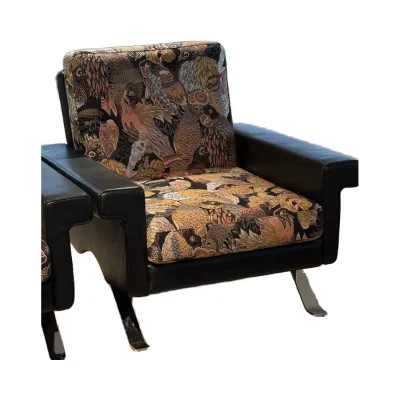


European Chesterfield Genuine Leather Antique Green High Back Apartment Sofa
$965.00 - $990.00
MOQ: 1 Sets

$232.50 - $279.50
MOQ: 30 pieces


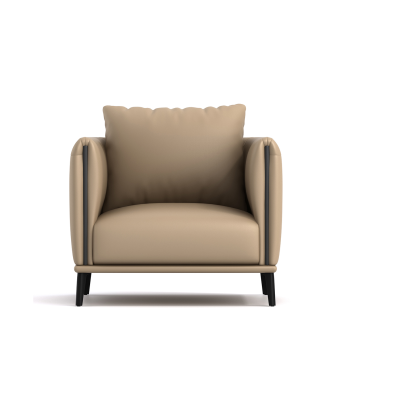

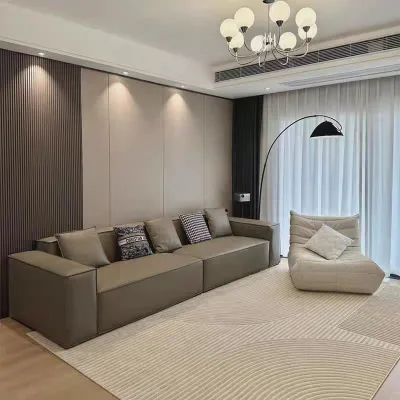


Living Room Sofa Home Furniture Living Room Furniture Luxury Modern Sofas
$876.00 - $1322.00
MOQ: 1 Pieces


Home Furniture Home Sofa Luxury Couch Modern Sofa Hotel Furniture Luxury Modern Sofa
$2198.00 - $4280.00
MOQ: 1 Pieces

Hotel Furniture Home Sofa Modern Sofa Luxury Modern Sofa Living Room Sofa
$982.00 - $1171.00
MOQ: 1 Pieces


Comprehensive Sourcing Guide
Strategic Sourcing Guide for Medium Back Retro Sofas
Understanding the Product Category and Design Attributes
The Medium Back Retro Sofa represents a specific intersection of ergonomic design and aesthetic nostalgia, often sought by buyers looking to balance comfort with a distinct visual identity. In the context of modern procurement, the "retro" designation typically implies a design language that draws from mid-century or vintage influences, yet the supply chain data indicates a strong prevalence of "Modern" and "Contemporary" styling options. This suggests that many suppliers categorize these pieces under a broad "Modern" umbrella, where the retro element is achieved through specific silhouette choices rather than a strict historical replication. The core physical characteristic, the medium back height, is a critical specification for buyers. This height generally offers support for the upper back and shoulders without the bulk of a high-back sofa, making it suitable for spaces where visual openness is desired.
When evaluating product listings, buyers must navigate a variety of material and construction claims. The supply chain reveals that frame materials can vary significantly, with options including stainless steel, wood, and solid wood structures. The upholstery material is equally diverse, ranging from genuine leather and premium fabric to specific fabric types. Color options are frequently listed as "Other," "Black," "Dark Red," or "Brown," with some suppliers offering multiple classic and modern colors. This variability requires a disciplined approach to specification. A buyer seeking a specific retro aesthetic must verify that the "Modern" style tag on a listing aligns with the visual cues of the retro design they require, as the terminology is not always standardized across all manufacturers. The "Single" item selling unit and "Unfolded" condition indicate that these are standalone units rather than modular or convertible systems, which simplifies logistics but requires precise dimension verification.
Technical Specifications and Construction Standards
Technical due diligence is paramount when sourcing medium back retro sofas, as the structural integrity determines the longevity of the furniture. The data highlights several key construction standards that serve as indicators of quality. Frame construction is a primary differentiator, with "Solid Wood Structure" and "Wood" frame materials appearing alongside "Metal" and "Stainless Steel" options. Solid wood frames generally offer superior durability and a traditional feel associated with retro designs, whereas metal frames may provide a more industrial or contemporary aesthetic. Buyers should explicitly request documentation regarding the type of wood used, as "Strong Wood" is a generic descriptor that does not specify species or treatment.
The cushioning system is another critical technical component. The supply chain notes the use of "High-Resilience Foam" and "Sponge" padding. High-resilience foam is generally preferred for seating applications as it maintains its shape and support over time, whereas standard sponge may compress more quickly. The seat configuration is often described as a "Sofa Set:1+" or "Style:Modern," indicating that the medium back unit may be part of a larger ensemble or sold as a single armchair. The presence of armrests is a standard feature in most listings, but the specific design and width of these armrests can significantly impact the overall footprint and comfort profile.
Furthermore, the fire retardant standards are a non-negotiable aspect of compliance for commercial applications. The observed data references "ISO Frame Material:Stainless Steel" and "ISO Frame Material:Wood" in the context of fire retardant standards. While the specific ISO standard number is not explicitly detailed in the provided facts, the presence of this classification suggests that suppliers adhere to international safety protocols. Buyers must verify the exact ISO standard number (e.g., ISO 6941 or specific regional equivalents) to ensure the product meets the fire safety regulations of the destination market. The "Customized" standard and "OEM & ODM Custom" acceptance indicate that production lines are flexible, allowing for adjustments to frame density, foam hardness, and fabric treatments to meet specific project requirements.
Compliance, Certification, and Safety Verification
Navigating the regulatory landscape for furniture procurement requires a rigorous verification of certifications and safety standards. The provided facts list "REACH" as a specific certification, which is a crucial indicator of compliance with European Union regulations regarding the use of chemicals in products. REACH compliance ensures that the materials used in the sofa, including the leather, fabric, foam, and adhesives, do not contain restricted substances that could pose health risks. For buyers targeting the European market or those with strict corporate sustainability mandates, this certification is a baseline requirement.
In addition to chemical safety, fire safety is a dominant concern, particularly for applications in hotels, bars, cafes, and restaurants. The data mentions "Fire Retardant Standard" in conjunction with specific frame materials. Buyers should not assume that a "Fire Retardant" label automatically implies compliance with local building codes. Instead, they must request the specific test reports that correspond to the fire retardant standard claimed. For instance, if the product is intended for a public venue in the United States, it may need to meet California Technical Bulletin 117 (TB 117) or the newer TB 117-2013, which focuses on smolder resistance. The "ISO" references in the data suggest international alignment, but the exact standard must be confirmed.
The "Warranty" of 5 years is a significant data point that reflects the supplier's confidence in their product's durability. A five-year warranty typically covers structural defects, frame integrity, and sometimes cushion sagging. However, buyers must scrutinize the terms of this warranty. Does it cover normal wear and tear? What constitutes a breach of warranty conditions? The "New" condition of the products listed confirms that these are not refurbished items, but the warranty terms are the true measure of long-term value. For commercial buyers, the warranty should be transferable or clearly defined regarding the lifespan of the furniture in high-traffic environments.
Cost Drivers and Pricing Dynamics
The pricing structure for medium back retro sofas is influenced by a complex interplay of materials, customization, and production scale. The observed price range of 69 to 4280 USD represents a vast spectrum, reflecting the difference between basic models and high-end, fully customized units. The lower end of the range likely corresponds to standard configurations with basic fabric or leather, standard foam density, and minimal customization. The upper end of the range suggests premium materials, such as full-grain genuine leather, solid hardwood frames, and extensive customizations in dimensions, colors, and finishes.
Material costs are the primary driver of price variation. Genuine leather is significantly more expensive than fabric or synthetic alternatives, and the grade of the leather (e.g., top-grain vs. corrected grain) further impacts the cost. Similarly, the frame material plays a role; solid wood frames generally command a higher price than metal or engineered wood frames due to the cost of the raw material and the labor-intensive joinery required. The "High-Resilience Foam" mentioned in the specifications also adds to the cost compared to standard polyurethane foam, as it offers better longevity and comfort.
Customization is another major cost factor. The data indicates that "Customization" is available and that "OEM & ODM Custom" is accepted. Custom orders often incur additional charges for tooling, pattern making, and smaller production runs. The "MOQ" (Minimum Order Quantity) ranges from 1 to 100 sets, with some listings specifying "1 Set" as the minimum. This flexibility allows for small-scale procurement but may result in a higher unit cost compared to bulk orders. Buyers should be aware that while a low MOQ offers flexibility, it may not be the most cost-effective strategy for large projects. Conversely, high-volume orders can leverage economies of scale to reduce the unit price, but they require a larger upfront capital commitment.
The "Plywood Package" and "Standard Packaging or Customized" options also influence the final landed cost. Robust packaging is essential for preventing damage during transit, especially for furniture with delicate finishes or exposed wood. Custom packaging solutions, while more expensive, may be necessary for specific logistics requirements or to enhance the unboxing experience for high-end clients. Buyers should factor these packaging costs into their total budget, as they can significantly impact the overall cost of goods sold (COGS).
Typical Applications and Usage Scenarios
The versatility of the Medium Back Retro Sofa makes it suitable for a wide array of applications, as evidenced by the diverse usage tags in the supply chain data. The primary applications include "Living Room," "Bedroom," "Hotel," "Leisure Facilities," "Bar," "Cafe," and "Restaurant." This breadth of usage highlights the sofa's ability to bridge the gap between residential comfort and commercial durability.
In residential settings, the medium back design is ideal for living rooms and bedrooms where a balance of support and style is desired. The "Modern" and "Retro" aesthetic allows these pieces to serve as statement furniture in contemporary homes. The "Easy-to-Clean Surface" mentioned in the specifications is particularly valuable for family environments, ensuring that the sofa remains presentable despite regular use. The "High Weight-Bearing Capability" ensures that the sofa can support the dynamic loads typical of household use.
For commercial applications, the durability and aesthetic appeal of the Medium Back Retro Sofa are equally important. Hotels and leisure facilities often require furniture that can withstand high traffic while maintaining a high-end appearance. The "5 Years" warranty and "Solid Wood Structure" provide the necessary robustness for these environments. In bars, cafes, and restaurants, the sofa serves as a comfortable seating option for patrons, and the "Modern" design helps create a welcoming atmosphere. The "Fire Retardant Standard" is a critical requirement for these public spaces, ensuring compliance with safety regulations. The "Customization" option allows commercial buyers to tailor the sofa to their specific brand identity, choosing colors and materials that align with their interior design scheme.
Supplier Evaluation and Quality Control Protocols
Selecting the right supplier is a critical step in the procurement process, requiring a thorough evaluation of their capabilities, reliability, and quality control measures. The data indicates that the "Place of Origin" is "Guangdong" and "China," a region known for its extensive furniture manufacturing capabilities. Buyers should verify the supplier's specific location within this region, as different cities may specialize in different types of furniture. The "Brand" "Prima" is mentioned, but buyers should not rely solely on brand recognition; instead, they should conduct a comprehensive audit of the supplier's facilities.
Quality control should be a central focus of the supplier evaluation. Buyers should request evidence of the supplier's quality assurance processes, including in-process inspections and final product checks. The "REACH" certification and "Fire Retardant Standard" compliance should be verified through third-party test reports, not just supplier declarations. The "Warranty" terms should be clearly understood, and the supplier should demonstrate a track record of honoring these warranties. The "Customization" capabilities should be assessed to ensure the supplier has the technical expertise to execute complex design requests without compromising quality.
Logistics and packaging are also important factors in supplier evaluation. The "Plywood Package" and "Standard Packaging or Customized" options indicate that the supplier has experience with various shipping requirements. Buyers should confirm the supplier's ability to handle the specific packaging needs of their project, especially for international shipments. The "Lead Time" is not explicitly stated in the data, but buyers should negotiate clear delivery schedules and penalties for delays. The "MOQ" flexibility is a positive indicator, but buyers should ensure that the supplier can scale production to meet their volume requirements without sacrificing quality.
Long-Term Procurement and Maintenance Considerations
Sourcing medium back retro sofas is not just a one-time transaction but a long-term investment that requires careful consideration of maintenance and lifecycle management. The "Easy-to-Clean Surface" and "High-Resilience Foam" are key features that contribute to the longevity of the product. However, the actual maintenance requirements will depend on the specific materials used. Genuine leather requires regular conditioning to prevent cracking and drying, while fabric may require professional cleaning to remove stains and odors. Buyers should establish a maintenance protocol that aligns with the material specifications of the purchased furniture.
The "5 Years" warranty provides a safety net for structural issues, but buyers should be aware of what is excluded from coverage. Regular wear and tear, such as fabric fading or minor cushion compression, may not be covered. For commercial applications, the frequency of use will accelerate wear, and buyers should plan for periodic refurbishment or replacement. The "Customization" option allows for future adjustments, such as re-upholstering or replacing cushions, which can extend the life of the sofa.
Sustainability is also a growing consideration in long-term procurement. The "REACH" certification indicates compliance with chemical safety standards, which is a positive step towards sustainability. Buyers should also inquire about the sourcing of raw materials, such as the origin of the wood and the environmental impact of the leather or fabric production. The "Solid Wood Structure" suggests the use of natural materials, which can be more sustainable than synthetic alternatives if sourced responsibly. By prioritizing suppliers who demonstrate a commitment to sustainability and quality, buyers can ensure that their medium back retro sofas remain a valuable asset for years to come.
Conclusion
The Medium Back Retro Sofa is a versatile and stylish piece of furniture that meets the needs of both residential and commercial buyers. By carefully evaluating technical specifications, compliance standards, cost drivers, and supplier capabilities, buyers can make informed decisions that ensure the quality and longevity of their procurement. The diverse range of materials, colors, and customization options available in the market provides ample opportunity to find the perfect sofa for any application. With a focus on quality control and long-term maintenance, buyers can secure a product that not only enhances their space but also delivers value over time.
FAQs
What materials are used for the frame and upholstery?
Frames are constructed from solid wood, metal, or stainless steel, while upholstery options include genuine leather, premium fabric, or standard fabric. Buyers should verify the specific material grade and type before ordering to ensure it matches the desired aesthetic and durability requirements for their space.
Can I customize the color and design style?
Customization is available for colors like black, dark red, and brown, as well as design styles such as modern and contemporary. The product supports OEM and ODM custom orders, allowing buyers to specify unique dimensions and finishes to align with their interior design projects.
What is the minimum order quantity for these sofas?
The minimum order quantity ranges from 1 set to 100 sets depending on the specific supplier and customization level. Small buyers can order single items, while bulk orders may benefit from lower unit costs, though specific MOQs must be confirmed with the manufacturer.
Does the sofa meet fire safety standards for hotels?
The product adheres to fire retardant standards associated with ISO classifications for both wood and stainless steel frames. Buyers must request specific test reports to confirm compliance with local building codes, especially for commercial applications like hotels, bars, and restaurants.
How long is the warranty period for this furniture?
A five-year warranty is typically provided, covering structural defects and frame integrity. This warranty reflects the supplier's confidence in the solid wood structure and high-resilience foam, but buyers should review specific terms regarding wear and tear for commercial environments.
Where are these medium back retro sofas manufactured?
The products originate from Guangdong, China, a region known for extensive furniture manufacturing capabilities. Buyers should verify the specific factory location and production capacity to ensure reliable lead times and quality control for their procurement needs.
What packaging methods are used for shipping?
Standard packaging includes plywood packages to ensure safe transit, with options for customized packaging available upon request. This robust packaging protects the sofa during shipping, though buyers should factor potential additional costs for specialized packaging solutions into their budget.