Source Metal Conduit Connector for Underground, Wire, and Cable Protection
Compare 30 Metal Conduit Connector options with varying materials like stainless steel, zinc, and brass. Buyers can evaluate specifications such as IP ratings, surface treatments, and sizes for underground, wire, and cable protection applications.
Key considerations
Products List


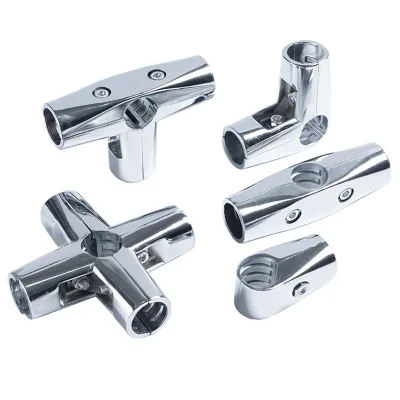
Comprehensive Sourcing Guide
Strategic Sourcing Guide for Metal Conduit Connectors
Selecting the right Metal Conduit Connector is a critical decision for any procurement team managing electrical infrastructure, industrial wiring, or underground cabling projects. These components serve as the vital interface between conduit runs and equipment, ensuring mechanical protection, electrical continuity, and environmental sealing. The market offers a diverse array of options ranging from rigid stainless steel fittings to flexible corrugated solutions, each designed for specific operational environments. This guide synthesizes observed product attributes and industry standards to provide a disciplined framework for evaluating potential suppliers and specifications without relying on unverified marketing claims.
Technical Specifications and Material Compatibility
The foundational step in sourcing metal conduit connectors involves a rigorous analysis of material composition and mechanical properties. The observed product landscape reveals a significant divergence in material choices, primarily centering on Stainless Steel, Zinc, Carbon Steel, and Brass. Each material offers distinct advantages regarding corrosion resistance, tensile strength, and cost. For instance, Stainless Steel is frequently cited for its robustness in demanding environments, while Zinc-plated options often appear in standard indoor applications. Buyers must verify that the selected material aligns with the specific environmental stressors of the installation site, such as exposure to moisture, chemicals, or extreme temperatures.
Mechanical strength is another non-negotiable specification. Product data indicates that high-performance connectors must maintain a tensile strength of at least 70% of the cable body to prevent failure under tension. This attribute is particularly relevant for overhead installations or areas subject to vibration. Furthermore, the structural design varies between rigid and flexible configurations. Rigid connectors, often featuring a universal structure, are suitable for fixed installations where precise alignment is required. In contrast, flexible corrugated conduit connectors, which may utilize PVC coating or galvanized surfaces, are designed to accommodate movement and complex routing paths.
The dimensional specifications are equally critical. Sourcing teams should expect a wide range of sizes, with observed standards covering metric and imperial measurements from 3/16" up to 6 inches. Specific models, such as those designated for DN25 applications, require precise matching with the conduit diameter to ensure a secure fit. The outer diameter of the conduit itself can range significantly, from 8.2mm to over 164.5mm, necessitating careful verification of the connector's inner diameter and thread compatibility. Whether the application requires a straight head, a male connection, or a specific thread type like M14-M63 or G3/8-G2, the physical interface must be exact to maintain system integrity.
Compliance, Certification, and Regulatory Standards
Navigating the regulatory landscape is essential for ensuring that purchased components meet legal and safety requirements. The product data highlights several key certifications that buyers should actively seek and verify. RoHS (Restriction of Hazardous Substances) compliance is a common attribute, indicating that the materials used do not contain restricted hazardous substances. Additionally, CE marking is frequently observed, suggesting conformity with health, safety, and environmental protection standards for products sold within the European Economic Area. Some listings also reference ISO standards, which provide a framework for quality management systems.
Beyond general certifications, specific industry standards govern the performance of conduit connectors. While general market knowledge suggests standards like UL 651 or IEC 61386, buyers must rely on the specific documentation provided by the supplier for the exact model in question. Observed data includes references to UL 6A ANSI C80.5, which pertains to specific safety requirements for conduit fittings. It is imperative that procurement teams do not assume a product meets a standard based on general category knowledge; instead, they must request the specific test reports or certification documents that validate the claim for the exact batch of goods.
Surface treatment processes also play a role in compliance and longevity. Observed treatments include polishing, baking paint, and galvanizing. These processes are not merely aesthetic; they are critical for corrosion resistance and electrical safety. For example, galvanized surfaces are often required for outdoor or underground applications to prevent rust, while PVC coatings may be specified for flexible conduits to provide additional insulation and abrasion resistance. Buyers should verify that the surface treatment method aligns with the environmental conditions of the installation to prevent premature degradation.
Cost Drivers and Pricing Variables
Understanding the cost structure of metal conduit connectors requires an analysis of multiple variables beyond the unit price. The observed price range in the market is vast, spanning from $0.01 to $432.68. This extreme variance is driven by factors such as material composition, manufacturing complexity, and order volume. A simple zinc-plated connector will naturally cost significantly less than a heavy-duty stainless steel unit designed for high-tensile applications. Similarly, the inclusion of custom features, such as specialized thread types or unique surface treatments, will increase the base cost.
Minimum Order Quantity (MOQ) is another significant cost driver. The observed MOQ range extends from 1 unit to 100,000 units. For small-scale projects or prototyping, suppliers with low MOQs are essential, though they may charge a premium per unit. Conversely, large-scale industrial projects can leverage high-volume purchasing to negotiate lower unit costs, provided the buyer can commit to the required volume. Packaging also influences the final cost; options range from simple polybags to complex export cartons, wooden boxes, or bundled configurations. The choice of packaging affects shipping logistics and storage requirements, which must be factored into the total landed cost.
Lead times and origin locations further impact the overall cost equation. Products originating from regions like Jingsu, China, may offer competitive pricing due to established manufacturing ecosystems, but buyers must account for shipping times and potential tariffs. While specific lead times vary by supplier, the packaging dimensions (e.g., 37.526.517cm) provide a baseline for calculating freight costs. Buyers should request detailed quotes that include all these variables to avoid unexpected expenses during the procurement process.
Typical Applications and Environmental Suitability
Metal conduit connectors are deployed across a wide spectrum of industries, each with unique requirements. One of the most common applications is underground wiring, where connectors must withstand soil pressure, moisture, and potential chemical exposure. In these scenarios, the choice of material and surface treatment is paramount. Stainless steel or galvanized carbon steel with robust sealing properties is often the preferred choice to ensure long-term reliability. The working temperature range is another critical factor; observed specifications indicate operational limits from -10°C to +80°C for some models, while others are rated for more extreme conditions ranging from -40°C to +100°C. Selecting a connector with a temperature rating that exceeds the expected environmental extremes is crucial to prevent material failure.
In industrial settings, the connectors are frequently used for wire and cable protection in machinery and control panels. Here, the mechanical strength and flexibility of the connector become the primary concerns. Flexible corrugated conduits with PVC coatings are ideal for applications involving vibration or movement, as they can absorb stress without damaging the internal wiring. Rigid connectors, on the other hand, are better suited for fixed installations where precise alignment and high tensile strength are required. The shape of the conduit, typically round, must be matched with the connector design to ensure a seamless transition that protects the cables from physical damage and environmental ingress.
Supplier Evaluation and Quality Assurance
Evaluating potential suppliers requires a systematic approach that goes beyond price comparisons. Buyers should prioritize suppliers who provide transparent documentation regarding their manufacturing processes and quality control measures. The availability of customization is a key indicator of a supplier's flexibility and capability. While some products are listed as non-customized, many suppliers offer tailored solutions for specific thread types, materials, or dimensions. This flexibility is often a sign of a more robust manufacturing operation capable of meeting unique project requirements.
Quality assurance should be a central component of the supplier selection process. Buyers must verify that the supplier adheres to recognized quality management standards and can provide evidence of consistent product performance. This includes checking for valid certifications like RoHS and CE, as well as requesting test results for mechanical strength and environmental resistance. The origin of the product, such as Jingsu, China, should be verified to ensure it aligns with the buyer's sourcing strategy and risk tolerance. Additionally, the packaging method, whether it involves cartons, wooden boxes, or bundles, should be evaluated to ensure it provides adequate protection during transit.
Long-Term Procurement and Lifecycle Management
Sourcing metal conduit connectors is not merely a transactional activity but a strategic decision that impacts the long-term reliability of electrical systems. Buyers should consider the lifecycle costs of the components, including maintenance, replacement, and potential downtime. High-quality materials like stainless steel and brass, while potentially more expensive upfront, often offer a longer service life and reduced maintenance requirements compared to lower-grade alternatives. The working temperature range and corrosion resistance of the connector are key indicators of its durability in harsh environments.
Furthermore, the standardization of components is essential for long-term procurement. Ensuring that the connectors adhere to standard sizes and thread types, such as DN25 or 3/8"-4", facilitates easier maintenance and replacement in the future. This standardization reduces the risk of obsolescence and ensures that spare parts are readily available. Buyers should also consider the scalability of their supply chain, ensuring that the supplier can meet future demand without compromising quality or lead times. By focusing on these long-term factors, procurement teams can build a resilient supply chain that supports the ongoing operational needs of their organization.
Summary of Key Selection Criteria
To summarize, the successful sourcing of metal conduit connectors requires a holistic approach that balances technical specifications, compliance, cost, and supplier reliability. The following table outlines the critical attributes buyers should verify during the evaluation process:
| Attribute Category | Key Verification Points |
|---|---|
| Material | Stainless Steel, Zinc, Carbon Steel, Brass; verify corrosion resistance. |
| Mechanical Strength | Tensile strength ≥70% of cable body; check for vibration resistance. |
| Dimensions | Size range 3/16"-6"; match specific model (e.g., DN25, M14-M63). |
| Certifications | RoHS, CE, ISO; request specific test reports for UL or ANSI standards. |
| Environment | Working temp (-40°C to +100°C); IP rating and surface treatment (Galvanised, PVC). |
| Supply Chain | MOQ (1-100,000); origin (e.g., Jingsu, China); packaging (Carton, Wooden Box). |
By adhering to these guidelines and maintaining a disciplined focus on verified facts, buyers can make informed decisions that ensure the safety, reliability, and efficiency of their electrical infrastructure projects.
FAQs
What materials are used for metal conduit connectors?
Metal conduit connectors are commonly manufactured from stainless steel, zinc, carbon steel, or brass. The choice depends on the required corrosion resistance and mechanical strength for the specific installation environment.
Which certifications are available for these connectors?
Available certifications include RoHS and CE, with some models also meeting ISO standards. Buyers should verify specific test reports to ensure the product batch complies with these regulatory requirements.
Can I find customized metal conduit connectors?
Customization is available for many metal conduit connectors, allowing for specific thread types or dimensions. However, some standard models are listed as non-customized, so verification is required before ordering.
What is the working temperature range for these products?
Working temperature ranges vary by model, typically spanning from -10°C to +80°C or -40°C to +100°C. Select a connector with a rating that exceeds the expected environmental extremes of the application.
How are these connectors packaged for shipping?
Packaging options include cartons, wooden boxes, polybags, or bundles depending on the product type. Specific dimensions like 37.5*26.5*17cm are used for standard export cartons to facilitate logistics planning.
What sizes are available for metal conduit connectors?
Sizes range widely from 3/16 inches up to 6 inches, including specific standards like DN25. Outer diameters can vary from 8.2mm to 164.5mm, requiring precise matching with the conduit diameter.