Source Metal Dental Grinding Heads for Polishing and Orthodontics
Find and compare Metal Dental Grinding Heads for polishing, orthodontic adjustments, and preventive care. This sourcing guide covers 30 available products with varying materials like diamond and PVC, helping buyers evaluate specifications and request quotes efficiently.
Key considerations
Products List


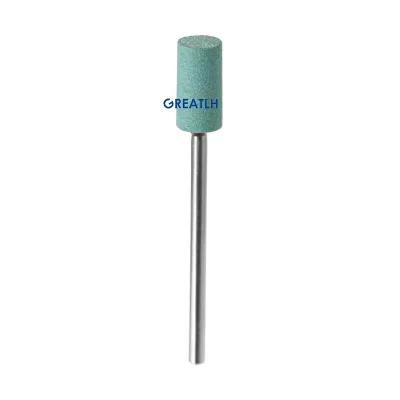
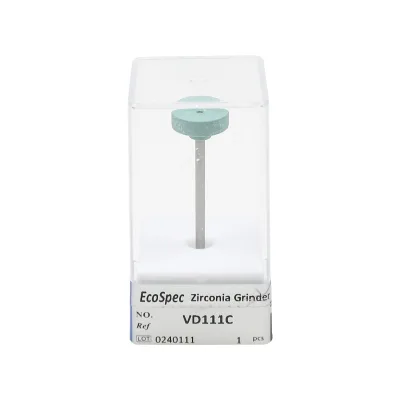
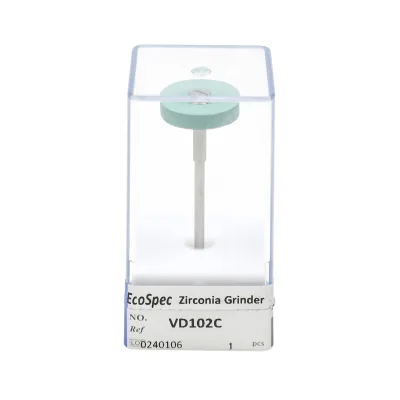
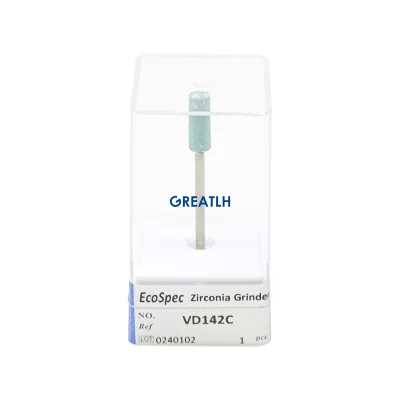
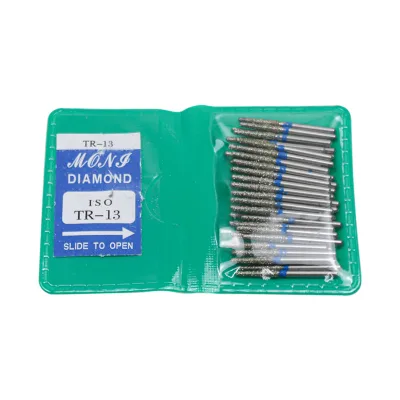
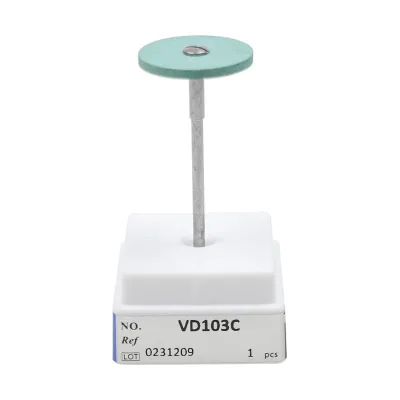
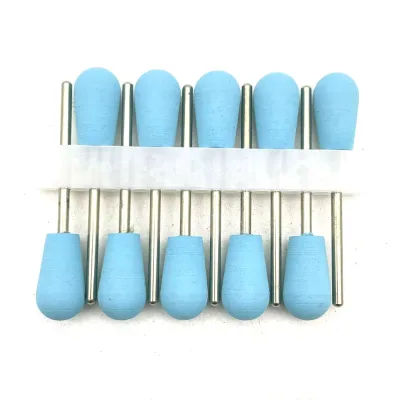
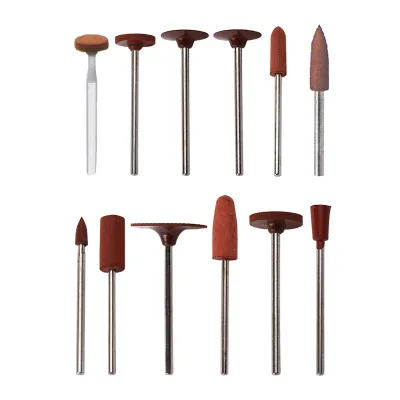
Azdent Efficiently Polishing HP2.35mm Dental Ceramic Diamond Grinder Heads
$1.20 - $2.99
MOQ: 10 Pieces


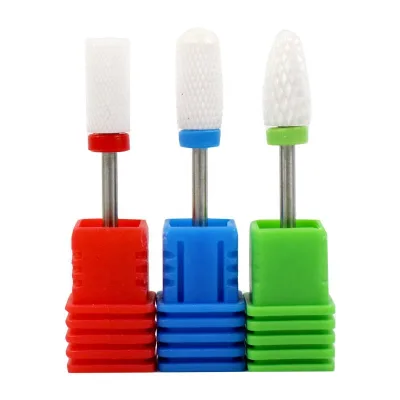
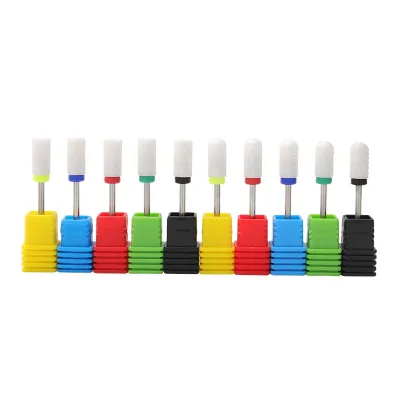
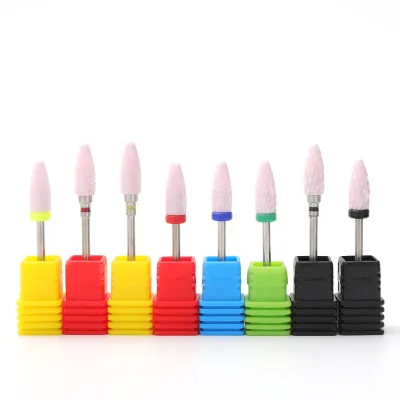

Comprehensive Sourcing Guide
Metal Dental Grinding Heads Sourcing Guide
Sourcing Metal Dental Grinding Heads requires a nuanced understanding of the diverse materials, shapes, and applications available in the current market. These instruments are critical components in dental laboratories and clinical settings, serving functions that range from basic polishing to complex ceramic grinding. Buyers must navigate a landscape where product attributes vary significantly, including distinctions between disposable and non-disposable usage, specific material compositions such as metal, PVC, or diamond, and varied packaging standards. The observed market data indicates a wide price range from $0.11 to $7,500 USD, reflecting the disparity between simple abrasive tools and specialized, high-precision instrument equipment.
This guide provides evidence-based procurement strategies for dental professionals and laboratory managers. It focuses on verifying technical specifications, ensuring compliance with safety standards, and evaluating supplier qualifications. By adhering to the facts observed in current listings and trusted category knowledge, buyers can make informed decisions that align with their specific operational needs, whether for orthodontic departments, oral health clinics, or general dental preventive care. The following sections detail the critical steps for successful sourcing, emphasizing verification over assumption to mitigate risk and ensure product performance.
Product Scope and Observed Listing Signals
The product scope for Metal Dental Grinding Heads encompasses a broad array of specialized instrument equipment designed for various dental departments. Listings indicate applicability in the Dental Department, Orthodontic Department, and Oral Health Department, suggesting versatility in clinical and laboratory use. The nature of these products is often categorized as specialized instrument equipment, with some items explicitly noted for their use in dental preventive health care materials and denture processing. Buyers should recognize that the term "metal" may refer to the shank or body material, while the grinding surface itself might be composed of diamond or other abrasive materials, as seen in listings for abrasive grinding heads with tapered shapes.
Observed listing signals reveal significant variation in product attributes that directly impact procurement decisions. For instance, some items are described as non-disposable, implying durability and reusability, while others are labeled as disposable, which may be preferred for hygiene or single-use protocols. Packaging also varies widely, ranging from plastic packaging and paper box packaging to transparent plastic bottle independent packaging and standard cartons. Specific models, such as JS-WBLHX01 and js-ipr-001, highlight the importance of checking exact model numbers to ensure compatibility with existing hand drills and machinery. Additionally, some listings mention specific weights, such as 350 grams or 46g, and dimensions like 100×8 millimeters, which are crucial for inventory management and equipment fitting.
Technical Specifications to Verify
Verifying technical specifications is paramount to ensuring that the grinding heads are compatible with existing dental equipment and suitable for the intended application. Buyers must confirm the shank diameter, as listings show specific measurements such as HP2.35mm, which must match the hand drill or machine interface. The shape of the grinding head, whether tapered or another configuration, should be selected based on the specific clinical or laboratory task, such as turning on and off the machine or performing precise ceramic grinding. Additionally, the material composition of the grinding surface, whether diamond or other abrasives, must be verified to ensure it meets the hardness and wear-resistance requirements for the materials being processed, such as dental ceramics or metal prosthetics.
Dimensional accuracy and packaging details are also critical technical factors that require verification. Listings provide specific standard dimensions, such as 100×8 millimeters or 100 x 10 millimeters, which must be cross-referenced with equipment manuals to prevent fitment issues. The quantity per package, whether it is a set of 9 packs, 100 pieces per bottle, or 1pc/pack, affects both the initial investment and the long-term supply chain logistics. Buyers should also note the instrument classification, such as Class I, which may influence regulatory requirements and usage protocols. Ensuring that the product model, such as 120080002 or 120100013-18, matches the supplier’s catalog is essential to avoid receiving incorrect or incompatible items.
Compliance and Safety Documentation
Compliance and safety documentation are non-negotiable aspects of sourcing dental instruments, as they ensure that the products meet international and regional regulatory standards. Buyers should verify that suppliers provide relevant certifications, such as ISO and CE, which indicate adherence to quality management systems and safety requirements. These certifications are critical for maintaining patient safety and ensuring that the grinding heads do not pose risks during use, such as excessive heat generation or material fragmentation. Additionally, buyers should inquire about the origin of the products, with many listings indicating origins in Henan Province, China, or China (Mainland), to assess the reliability of the manufacturing base and its compliance with export regulations.
Safety considerations also extend to the handling and storage of the grinding heads, which may be packaged in various materials such as plastic boxes, cartons, or paper boxes. Buyers should ensure that the packaging protects the instruments from damage and contamination during transit and storage. For items used in orthodontic or oral health departments, it is important to confirm that the materials used in the grinding heads, such as metal or PVC, are biocompatible and do not release harmful substances. Suppliers should be able to provide material safety data sheets (MSDS) or similar documentation to verify the safety profile of the products, especially for those used in close proximity to patients or in sterile environments.
Cost Drivers and Commercial Terms
Cost drivers for Metal Dental Grinding Heads are influenced by factors such as material composition, complexity of design, and packaging requirements. Listings show a wide price range, from $0.11 to $7,500 USD, reflecting the diversity of products available. Simple abrasive grinding heads may be priced at the lower end, while specialized instrument equipment with precise specifications and certifications may command higher prices. Buyers should consider the total cost of ownership, including the frequency of replacement, maintenance requirements, and compatibility with existing equipment, rather than focusing solely on the unit price. The availability of customization options can also impact costs, as tailored solutions may require additional engineering and production time.
Commercial terms, including minimum order quantities (MOQ) and shipment policies, play a significant role in procurement planning. Observed MOQ ranges from 1 to 1000 units, allowing buyers to scale their orders based on demand and storage capacity. Suppliers may offer different shipment options, such as ASAP delivery, which can be crucial for maintaining uninterrupted operations in busy dental clinics or laboratories. Buyers should negotiate clear terms regarding payment methods, return policies, and warranty coverage to mitigate financial risks. Additionally, understanding the lead times for production and delivery is essential for effective inventory management, especially for items with specific model numbers or custom specifications.
Supplier Qualification and Quality Control
Supplier qualification is a critical step in ensuring the reliability and consistency of Metal Dental Grinding Heads. Buyers should assess suppliers based on their production capabilities, quality control processes, and track record in the dental industry. Suppliers originating from regions like Henan Province, China, should be evaluated for their adherence to international quality standards and their ability to provide consistent product quality. Verification of certifications, such as ISO and CE, is essential to confirm that the supplier has implemented robust quality management systems. Additionally, buyers should inquire about the supplier’s experience in manufacturing specialized instrument equipment and their ability to meet specific technical requirements, such as shank diameter and shape.
Quality control measures should be integrated into the procurement process to ensure that the received products meet the specified standards. Buyers should request samples for testing before placing large orders to verify dimensions, material composition, and performance characteristics. Inspections should include checks for packaging integrity, labeling accuracy, and compliance with safety documentation. Establishing a clear communication channel with the supplier for addressing quality issues is also important. Buyers should define acceptable quality limits and procedures for handling non-conforming products, including returns or replacements, to maintain high standards in their dental practices or laboratories.
Long-Term Procurement Checks
Long-term procurement checks involve continuous monitoring of supplier performance and product quality to ensure sustained reliability. Buyers should establish key performance indicators (KPIs) to evaluate suppliers based on delivery times, product consistency, and responsiveness to issues. Regular audits of the supplier’s quality control processes can help identify potential problems before they impact operations. Additionally, buyers should stay informed about changes in regulatory requirements and industry standards that may affect the use of Metal Dental Grinding Heads. This includes monitoring updates to ISO and CE standards, as well as any new safety guidelines for dental instruments.
Building a strong relationship with suppliers can facilitate better collaboration and innovation in product development. Buyers should engage in regular discussions with suppliers to explore new technologies, materials, and designs that may improve efficiency and performance. Feedback from clinical and laboratory staff on the usability and effectiveness of the grinding heads should be shared with suppliers to drive continuous improvement. Furthermore, buyers should diversify their supplier base to mitigate risks associated with supply chain disruptions. By maintaining a proactive approach to procurement, dental professionals can ensure a steady supply of high-quality Metal Dental Grinding Heads that meet their evolving needs.
FAQs
What materials are used for Metal Dental Grinding Heads?
These grinding heads are constructed from metal and diamond materials. Some variants also incorporate PVC for specific applications. The selection depends on the required hardness and the specific dental procedure being performed.
Which certifications do these dental instruments hold?
The products listed carry ISO and CE certifications. These standards ensure the instruments meet international safety and quality requirements for use in dental departments and orthodontic settings.
Can I request customization for these grinding heads?
Yes, customization is available for these specialized instrument equipment items. Buyers can request specific modifications to meet unique clinical needs or operational requirements for their dental practice.
What is the typical packaging for these dental tools?
Packaging options include plastic boxes, paper boxes, and standard cartons. Some items come in transparent plastic bottles with independent packaging, while others are shipped in bulk cartons for efficiency.
Where are these metal grinding heads manufactured?
The products originate from Henan Province in China. This location serves as the primary production hub for these dental preventive health care materials and specialized instrument equipment.
What are the standard dimensions for these grinding heads?
Standard specifications include sizes like 100 by 8 millimeters and 100 by 10 millimeters. Shank diameters are also available, such as the HP2.35mm variant for specific hand drill applications.
Are these grinding heads reusable or disposable?
The product attributes indicate both non-disposable and disposable usage times. The specific nature depends on the model, with some designed for repeated use in polishing and others for single-use scenarios.
What is the minimum order quantity for these items?
The observed minimum order quantity ranges from 1 to 1000 units. This flexibility allows buyers to order small samples or larger batches depending on their inventory needs and budget constraints.