Source Microgreens Plant Set for Home, Garden, and Desktop
Explore 30 distinct options for the Microgreens Plant Set, ranging from bamboo and plant fiber materials to various sizes and styles. Buyers can compare specifications like package dimensions, MOQs, and finishing details to find the right kit for indoor decoration or nursery production.
Key considerations
Products List
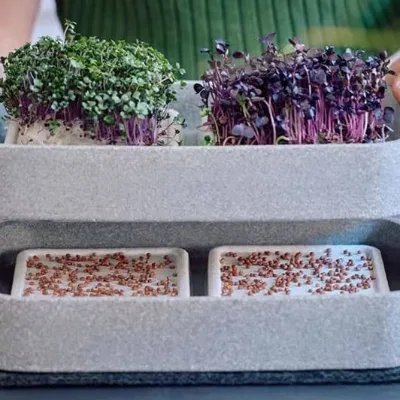
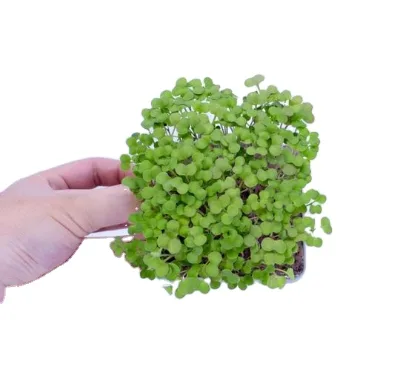
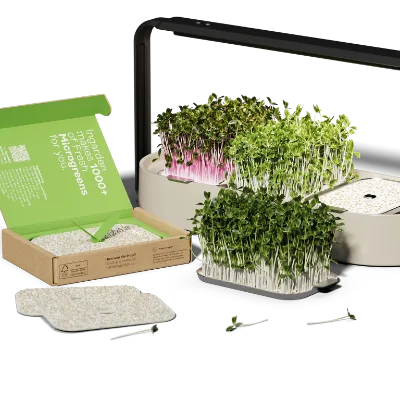
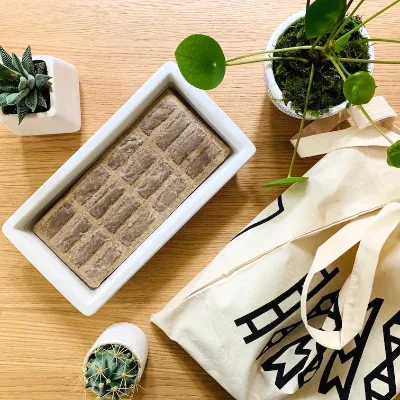
A Set Full Diy Microgreen Indoor Garden Kit That ECO Friendly Kitchen Plant
$12.97 - $19.21
MOQ: 1 pieces
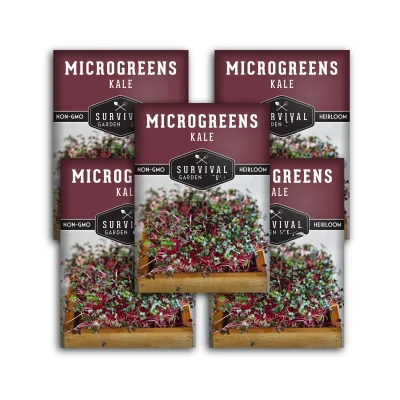
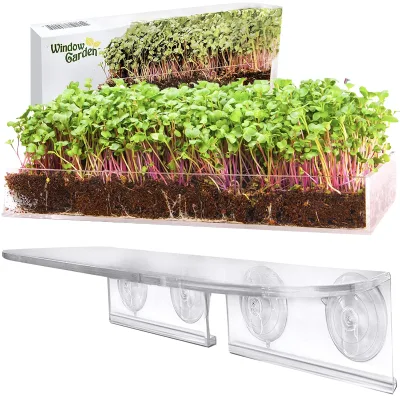
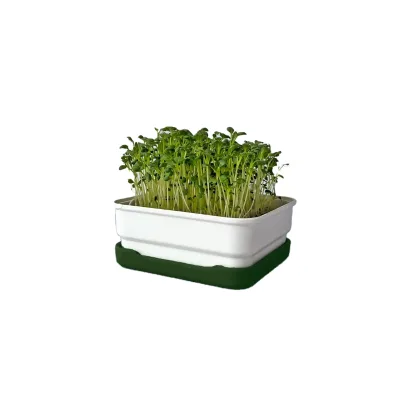


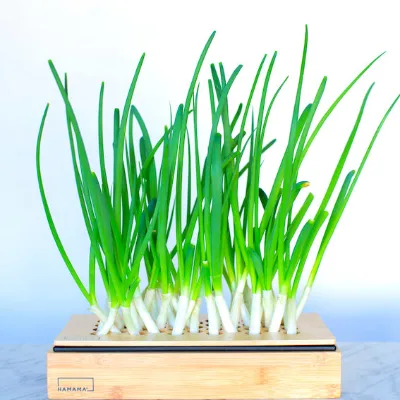
a Set Easy Growing Plant Microgreen Grow Kit That The Perfect Gift Choice
$4.16 - $6.24
MOQ: 1000 piece

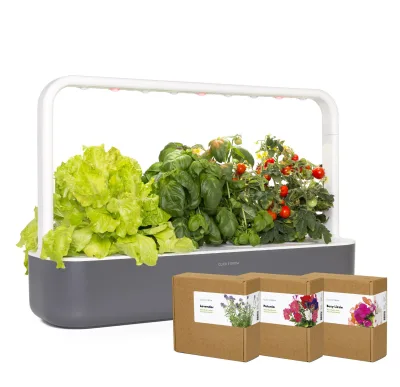
Organic Eco-Friendly Microgreens Kit Variety 3-Pack for Fruits Vegetable Plant
$6.67 - $10.00
MOQ: 1000 pieces

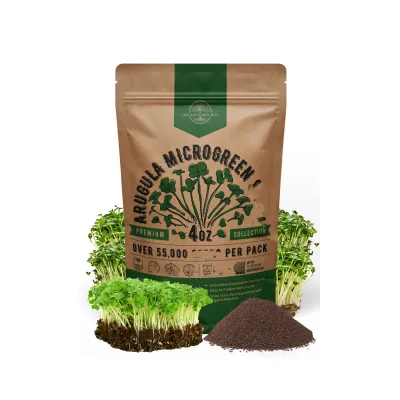
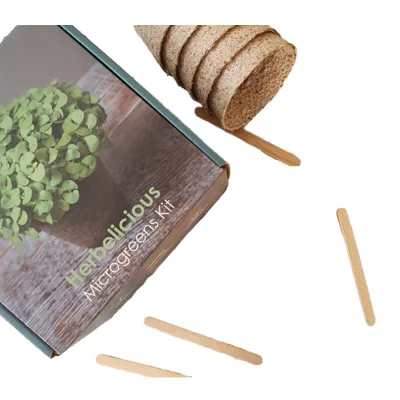

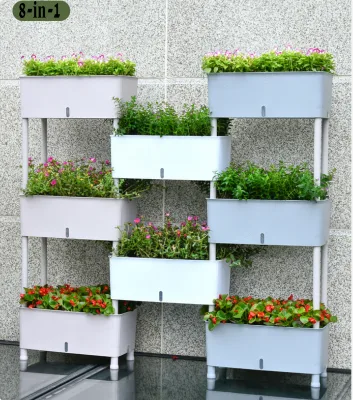
A Set Organic Microgreens Grow Kit That Easy to Grow and Non GMO for Gardener
$3.99 - $5.99
MOQ: 1000 pieces



Comprehensive Sourcing Guide
Strategic Sourcing Guide for Microgreens Plant Sets
The global demand for sustainable urban agriculture and home-based food production has elevated the category of microgreens plant sets to a significant segment within the B2B horticultural market. For procurement professionals, navigating this sector requires a disciplined approach that distinguishes between generic gardening supplies and specialized growth kits designed for commercial or high-volume retail distribution. The available market data indicates a diverse product landscape ranging from simple planting trays to comprehensive indoor and outdoor kits. This guide provides a structured framework for evaluating suppliers, verifying technical specifications, and managing the procurement lifecycle for microgreens plant sets, ensuring that sourcing decisions are grounded in verified attributes rather than unconfirmed marketing claims.
Technical Specifications and Material Composition
A critical first step in sourcing microgreens plant sets is the rigorous analysis of technical specifications. The market presents a wide variance in physical dimensions, material composition, and packaging metrics. Procurement teams must verify these attributes against their specific logistical and operational requirements. For instance, product data reveals that single package sizes can vary dramatically, ranging from compact units measuring 13.72 x 6.6 x 0.5 cm to larger configurations at 30 x 20 x 10 cm. This variance directly impacts shipping costs and warehouse storage efficiency.
Material selection is another pivotal technical factor. The observed supply chain includes products constructed from Plant Fiber and Bamboo, materials chosen for their biodegradability and structural integrity in wet environments. The choice of material often correlates with the intended application; for example, kits designed for "plant engineering" or "Flower nursery production" may require different durability standards than those intended for "DIY indoor" home use. Furthermore, the finishing process is a key differentiator. Some units are listed as "Not Coated," which implies a natural finish that may require specific handling during transport to prevent moisture damage, whereas others may have different surface treatments. Buyers must explicitly request material safety data sheets and verify that the "Plant Fiber" or "Bamboo" sources meet the structural load requirements for the intended soil and water volume.
Design Styles and Functional Applications
The functional versatility of microgreens plant sets is a primary driver for their adoption across various commercial sectors. The product attributes indicate a broad spectrum of applications, including "Wall," "Desktop," "Floor," "Home," "Garden," and "hanging" installations. This flexibility allows suppliers to target diverse market segments, from "Gifts Stores" to "Shopping Malls" and "Hotels." The design styles observed in the current market include "Modern," "Country," "Farmhouse," and "American Style," suggesting that aesthetic alignment with the end-user's environment is a significant purchasing factor.
When evaluating suppliers, procurement officers should assess whether the product's design style aligns with the target demographic. For example, a "Farmhouse" design style might be more suitable for boutique retail environments, while a "Modern" style could appeal to urban apartment dwellers. The "Shape" of the product is also noted as "Customized Shape," offering opportunities for branding and unique product differentiation. Additionally, the "Color" options, such as "Light Green" or "Army Green," must be verified for consistency across batches, as color variations can affect brand perception. The "Season" attribute is listed as "All-Season," which is a crucial selling point for suppliers claiming year-round usability, but buyers should verify the specific environmental conditions required to maintain this claim.
Compliance, Certification, and Regulatory Verification
In the B2B procurement of horticultural products, compliance and certification are often the most vulnerable areas for assumption. While the supplied data does not explicitly list specific certification bodies or regulatory standards (such as ISO or FDA compliance), buyers must treat the absence of such data as a risk factor requiring immediate verification. The "Commercial Buyer" attribute suggests that these products are intended for resale, which often triggers specific liability and safety requirements depending on the destination market.
Buyers should not assume that "Plant Fiber" or "Bamboo" materials are automatically compliant with food safety standards if the microgreens are intended for human consumption. It is essential to request documentation proving that the materials do not leach harmful substances into the soil or water. Furthermore, the "Logo" attribute indicates that "Customized Logo Acceptable," which introduces a layer of intellectual property and branding compliance. Procurement teams must ensure that the supplier has the legal right to apply custom logos and that the printing inks used are non-toxic and safe for the intended environment. The "OEM&ODM" status being "Highly Welcomed" suggests a flexible manufacturing process, but this flexibility must be balanced with strict quality control protocols to maintain regulatory adherence.
Cost Drivers and Pricing Structures
Understanding the cost drivers for microgreens plant sets is essential for accurate budgeting and margin analysis. The observed price range in the market is exceptionally wide, spanning from $0.40 to $52,000 USD. This vast disparity indicates that the "Microgreens Plant Set" category encompasses everything from simple, low-cost starter kits to large-scale, industrial-grade nursery production systems. The "MOQ" (Minimum Order Quantity) also varies significantly, with observed ranges from 1 to 5000 pieces. Specific data points highlight MOQs of 3000, 1000, and 5000 pieces for different product configurations, suggesting that economies of scale play a massive role in unit pricing.
The "Single gross weight" is another critical cost driver, ranging from 0.110 kg to 6.200 kg. Heavier units incur higher shipping costs, which can erode profit margins if not factored into the initial cost model. Buyers should analyze the "Single package size" in conjunction with the "Single gross weight" to calculate the volumetric weight for shipping. Additionally, the "Package" attribute noting "Customize Pacakge" implies that packaging costs are variable. Custom packaging solutions often carry a premium, and buyers must weigh the branding benefits against the increased unit cost. The "Selling Units" being listed as "Single item" suggests that the pricing structure is per unit, but the bulk discounts associated with higher MOQs must be negotiated explicitly.
Supplier Evaluation and Production Capabilities
Evaluating suppliers for microgreens plant sets requires a deep dive into their production capabilities and geographical context. The data indicates that the "place of origin" for many products is "Fujian, China," a region known for its manufacturing base in bamboo and plant fiber products. While this provides a strong supply chain foundation, buyers must verify the supplier's capacity to handle the specific "model number" requirements, such as "microgreen-0627-1" or "A3micr16." These specific identifiers suggest a level of product standardization that buyers should expect.
The "Brand name" variations, including "Plant fun," "PF," and "Garden Kit," indicate a mix of private label and generic branding opportunities. Buyers looking for private label solutions should verify the supplier's ability to maintain brand consistency and quality control across different batches. The "Design Style" and "Application" attributes suggest that suppliers must have the design flexibility to meet diverse client needs. Procurement teams should assess the supplier's history of fulfilling orders for "Commercial Buyer" segments like "Gifts Stores" and "Shopping Malls" to ensure they have the necessary logistics and sales support infrastructure.
Quality Control and Long-Term Procurement Strategy
Establishing a robust quality control (QC) framework is vital for long-term success in this category. Given the variability in "Single gross weight" and "Single package size," buyers must implement strict incoming inspection protocols. The "finishing" attribute, specifically "Not Coated," requires special attention to ensure that the natural materials do not degrade prematurely during storage or transit. Buyers should define clear acceptance criteria for material defects, such as warping in bamboo or inconsistencies in plant fiber density.
For long-term procurement, the "OEM&ODM" capability is a strategic asset. It allows buyers to adapt the product to changing market trends, such as new "Design Styles" or "Application" requirements. However, this flexibility must be managed through a formalized supplier relationship agreement that includes clear timelines for "lead times" and "test results." Although specific lead times are not provided in the data, the "MOQ" and "model number" complexity suggest that production cycles may vary. Buyers should negotiate clear terms regarding the "Custom Size Accepted" and "Sheet Size" variations to avoid production delays. Finally, the "Function" of "Home Decortion" and "Indoor Decoration" implies that the product must maintain its aesthetic appeal over time, necessitating a focus on material durability and finish quality in the long-term contract.
Comparative Analysis of Product Attributes
To facilitate decision-making, the following table summarizes the key technical and commercial attributes observed in the market, highlighting the variability that buyers must navigate.
| Attribute Category | Observed Variance | Procurement Implication |
|---|---|---|
| Single Package Size | 13.72x6.6x0.5 cm to 30x20x10 cm | Impacts shipping volume and storage density. |
| Material | Plant Fiber, Bamboo | Determines biodegradability and structural strength. |
| MOQ | 1 to 5000 Pcs (e.g., 1000, 3000, 5000) | Directly influences unit cost and inventory risk. |
| Single Gross Weight | 0.110 kg to 6.200 kg | Critical for calculating freight costs and handling. |
| Application | Wall, Desktop, Floor, Garden, Hanging | Defines target market segments and usage scenarios. |
| Design Style | Modern, Country, Farmhouse, American | Aligns product with specific retail aesthetics. |
| Finishing | Not Coated | Requires specific handling to prevent moisture damage. |
| Origin | Fujian, China | Indicates manufacturing hub and potential supply chain risks. |
Conclusion
Sourcing microgreens plant sets requires a meticulous approach that balances technical specifications, design aesthetics, and commercial viability. The market offers a wide array of options, from compact desktop kits to large-scale nursery systems, each with distinct material and logistical requirements. By rigorously verifying attributes such as material composition, package dimensions, and MOQs, buyers can mitigate risks associated with quality inconsistency and cost overruns. The flexibility of OEM and ODM capabilities, combined with the diverse application scenarios, provides significant opportunities for differentiation. However, the absence of explicit certification data in the general market overview necessitates a proactive verification strategy to ensure compliance with safety and quality standards. Ultimately, successful procurement in this sector depends on a clear understanding of the product's lifecycle, from the raw material sourcing in Fujian to the final application in a home or commercial garden, ensuring that the selected supplier can deliver consistent value across the entire supply chain.
FAQs
What materials are used for microgreens plant sets?
These kits are typically constructed from Plant Fiber or Bamboo to ensure biodegradability and structural integrity. Buyers should verify that the specific material meets load requirements for soil and water volume before placing bulk orders.
How does the MOQ vary for these products?
Minimum Order Quantities range significantly from 1 piece up to 5000 pieces depending on the specific model. Common configurations require orders of 1000, 3000, or 5000 pieces to achieve optimal unit pricing and production efficiency.
Can I customize the logo on the product?
Yes, customized logos are acceptable for these microgreens kits to support private labeling efforts. Suppliers welcome OEM and ODM requests, but buyers must ensure the printing inks used are non-toxic and safe for the intended environment.
Where are these microgreens plant sets manufactured?
The primary place of origin for these products is Fujian, China, a known hub for bamboo and plant fiber manufacturing. Buyers should verify the supplier's capacity to handle specific model numbers and maintain consistent quality across batches.
What are the typical package dimensions for shipping?
Single package sizes vary widely, ranging from compact units of 13.72 by 6.6 by 0.5 cm to larger configurations of 30 by 20 by 10 cm. This variance directly impacts shipping costs and warehouse storage efficiency for procurement teams.
Which design styles are available for these kits?
Available styles include Modern, Country, Farmhouse, and American Style to match various retail aesthetics. The shape is often customized, allowing for unique product differentiation that aligns with the target demographic's preferences.
Can these kits be used for commercial nursery production?
Yes, applications extend to Flower nursery production, plant engineering, and shopping mall displays. These units are designed for versatile use in settings ranging from home decoration to large-scale commercial environments.