Source Microneedle Derma Pen for Salon, Home, and Facial Neck
Explore 30 Microneedle Derma Pen options for skin rejuvenation and wrinkle removal. Buyers can compare portable and electric models with varying needle counts and speeds for salon or home use.
Key considerations
Products List


Skin Care Microneedle 12 Needle Automated Electric Micro Needling Derma Pen
$50.99 - $89.99
MOQ: 10 Pieces


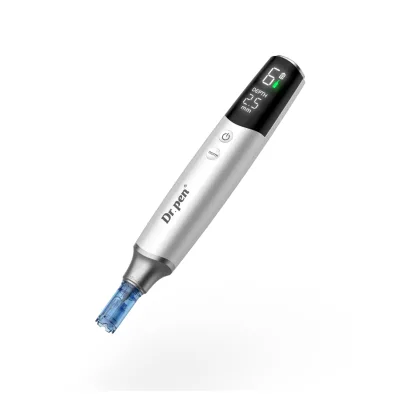


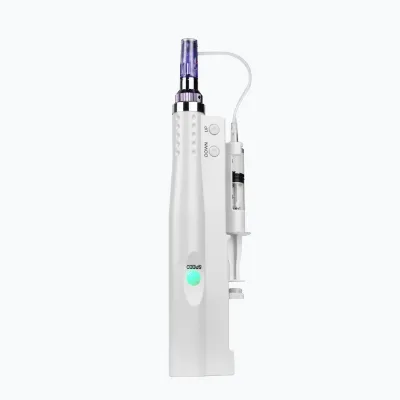
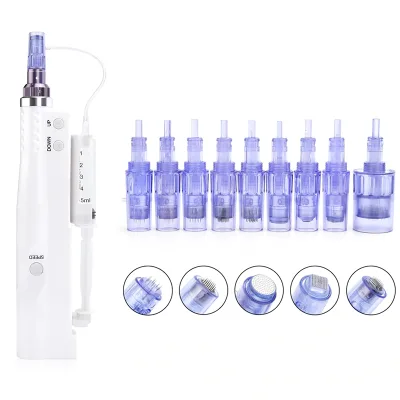


Hot Sale Electric Wireless Dermapen Microneedling Derma Pen with LCD Screen
$21.00 - $32.00
MOQ: 1 Pieces


Comprehensive Sourcing Guide
Microneedle Derma Pen Sourcing Guide
Product Scope and Observed Listing Signals
The current market for microneedle derma pens presents a diverse array of devices ranging from manual derma rolling systems to advanced electric microneedling pens, catering to both professional salon environments and home use scenarios. Buyers will observe a wide spectrum of product configurations, including wired and wireless power options, with specific models like the DR-AL1 and ED-A2 highlighting distinct operational characteristics. The observed listing signals indicate that manufacturers offer significant customization capabilities, allowing buyers to tailor products to specific brand identities or functional requirements. This flexibility is evident in the availability of various needle types, such as 9, 12, 24, 36, 42, and 18 needles, as well as nano needle variants, which cater to different skin sensitivity levels and treatment depths.
Price points for these devices vary considerably, with observed listings ranging from approximately $9 to $151.65 USD, reflecting differences in technology, build quality, and included accessories. Minimum order quantities (MOQ) are generally accessible for small to medium-sized businesses, with observed ranges starting from 1 unit up to 20 units, facilitating low-risk entry for new procurement initiatives. The product attributes suggest a strong emphasis on skin rejuvenation, wrinkle removal, and pigment removal, with many devices explicitly marketed for facial and neck applications. Buyers should note that while some products are labeled as having no side effects, the efficacy claims are often tied to specific usage modes, such as dermal filler injection or general skin beauty treatments, requiring careful alignment with target market expectations.
Technical Specifications to Verify
When evaluating microneedle derma pens, verifying the needle size and length is critical to ensuring the device meets the intended clinical or cosmetic standards. Specifications such as needle sizes ranging from 0.25mm to 3.0mm and needling lengths from 0 to 2.0mm indicate the versatility of the devices in treating various skin concerns. Buyers must confirm the exact needle configuration, as some models come equipped with standard nano needles, while others offer interchangeable cartridges. The presence of multiple speed levels, such as 5-speed electric options, adds to the device's adaptability, allowing for precise control during treatment. It is essential to verify whether the needle cartridges are disposable or reusable, as this impacts hygiene protocols and long-term operational costs.
Power supply and physical dimensions are also key technical factors that influence user experience and portability. Devices may operate on charging or plugging-in power supplies, with some models offering both wired and wireless functionality for enhanced convenience. The physical specifications, such as product sizes ranging from compact handheld dimensions like 162.22.2cm to larger packaging sizes like 19.718.55.7cm, affect storage and shipping logistics. Buyers should pay close attention to the product weight, with some models weighing around 88g, which contributes to ergonomic handling during extended use. Additionally, the technology employed, such as electronic microneedling, should be matched with the appropriate energy levels, typically ranging from 1 to 5 levels, to ensure safe and effective treatment outcomes.
Compliance and Safety Documentation
Ensuring that microneedle derma pens comply with relevant safety and quality standards is paramount for protecting end-users and maintaining regulatory adherence. While specific certification statuses may vary by supplier, buyers should prioritize devices that align with recognized quality management systems, such as ISO 13485, which is often associated with medical device manufacturing. The presence of CE certification is another indicator of compliance with European health, safety, and environmental protection standards, although buyers must verify the validity and scope of such certifications directly with the supplier. It is crucial to request documentation that confirms the materials used in the needles and pen body are biocompatible and free from harmful substances, especially since these devices penetrate the skin barrier.
Safety features and usage guidelines must be clearly documented to minimize the risk of adverse effects. Buyers should verify that the products are explicitly labeled for external use and are suitable for adult populations, with clear instructions on proper application techniques. The absence of reported side effects in some listings suggests a focus on user safety, but this should be corroborated by clinical data or user testimonials provided by the supplier. Additionally, the pharmaceutical technology or natural product extraction methods used in conjunction with the devices, such as hyaluronic acid dermal fillers, should be evaluated for regulatory compliance in the target market. Buyers must ensure that all accompanying consumables, such as gels or serums, meet the necessary safety standards for topical application.
Cost Drivers and Commercial Terms
The cost of microneedle derma pens is influenced by several factors, including the complexity of the device, the quality of materials, and the level of customization offered. Electric models with multiple speed levels and adjustable needle depths typically command higher prices than manual rolling systems due to the integrated electronics and precision engineering involved. Buyers should consider the total cost of ownership, which includes not only the initial purchase price but also the cost of replacement needles and other consumables. The availability of OEM, OBM, and ODM services can also impact pricing, as custom branding and packaging solutions often incur additional fees. Understanding these cost drivers helps buyers make informed decisions that balance budget constraints with product quality and functionality.
Commercial terms, such as MOQ and lead times, play a significant role in procurement planning and inventory management. With observed MOQs ranging from 1 to 20 units, buyers have the flexibility to start with small orders to test market response before committing to larger volumes. However, it is essential to clarify lead times with suppliers to ensure timely delivery, especially for time-sensitive promotions or product launches. Payment terms and shipping costs should also be negotiated to optimize cash flow and reduce overall procurement expenses. Buyers should seek transparent pricing structures that clearly delineate costs for the device, accessories, and any customization services, avoiding hidden fees that can erode profit margins.
Supplier Qualification and Quality Control
Selecting a reliable supplier for microneedle derma pens requires a thorough assessment of their manufacturing capabilities and quality control processes. Buyers should verify the supplier's origin, with many manufacturers based in regions like Guangzhou, China, known for their expertise in beauty device production. It is crucial to evaluate the supplier's ability to maintain consistent product quality across batches, which can be assessed through sample orders and third-party inspections. Suppliers that offer customization services should demonstrate robust design and engineering teams capable of translating buyer specifications into manufacturable products. Additionally, the supplier's track record in fulfilling orders and providing after-sales support is a key indicator of their reliability and professionalism.
Quality control measures should be integrated into the procurement process to ensure that delivered products meet the agreed-upon specifications. Buyers should request detailed product descriptions, including model numbers, packing dimensions, and standard configurations, to verify that the received items match the ordered specifications. For instance, products like the SC023 and SC022 models have specific packing and standard dimensions that must be confirmed upon receipt. Implementing incoming quality checks, such as verifying the number of needles, power functionality, and packaging integrity, helps identify defects early in the supply chain. Establishing a clear communication channel with the supplier for addressing quality issues ensures prompt resolution and maintains the integrity of the buyer's brand reputation.
Long-Term Procurement Checks
Sustaining a successful procurement strategy for microneedle derma pens involves continuous monitoring of market trends and supplier performance. Buyers should regularly review product listings to identify new technologies, such as advanced nano needle systems or improved energy levels, that could enhance their product offerings. Keeping abreast of regulatory changes in target markets ensures that imported devices remain compliant with evolving safety and efficacy standards. Building long-term relationships with suppliers can lead to better pricing, priority production, and access to exclusive product lines, providing a competitive advantage in the marketplace. Regular feedback loops with end-users can also inform future procurement decisions, highlighting areas for product improvement or new feature development.
Risk management is essential for mitigating potential disruptions in the supply chain. Buyers should diversify their supplier base to reduce dependency on a single source, ensuring continuity of supply in case of production delays or quality issues. Maintaining a buffer stock of critical consumables, such as replacement needles and cartridges, helps prevent stockouts and ensures uninterrupted service for customers. Additionally, buyers should stay informed about geopolitical and logistical factors that could impact shipping times and costs, adjusting procurement strategies accordingly. By proactively addressing these long-term considerations, buyers can build a resilient and efficient procurement system that supports sustainable business growth in the beauty device sector.
FAQs
What types of microneedle derma pens are available?
The product line includes manual derma rolling systems and electric microneedling pens. Manual options feature needle counts ranging from 9 to 42, while electric models offer five speed levels and energy settings. Both types support customization and are designed for salon or home use, providing versatile solutions for skin rejuvenation and wrinkle removal.
Can I customize the Microneedle Derma Pen specifications?
Yes, customization is available for these devices. Buyers can select from various needle types, including nano needles, and choose specific needle counts such as 12, 24, or 36. The supply type supports OEM, OBM, and ODM services, allowing for tailored packaging and functional adjustments to meet specific brand requirements or market needs.
What are the needle size options for these devices?
Needle sizes range from 0.25mm to 3.0mm depending on the model. Some electric pens offer a needling length of 0-2.0mm. Standard cartridges may include nano needles, and users can choose from available needle configurations like 1, 3, 5, 7, 9, 12, 36, or 42 needles to suit different skin treatment depths.
How is the power supply configured for electric models?
Electric microneedling pens can be powered via wired connections or wireless charging. Some models support both charging and plugging in, offering flexibility for salon or home use. The devices typically feature five speed levels and energy settings, ensuring controlled operation for effective skin rejuvenation and wrinkle removal without requiring constant external power sources.
What is the typical packaging and origin for these products?
Products originate from China, including specific locations like Guangzhou. Packaging varies by model, with options including carton boxes or specific dimensions such as 20*11.8*3.5cm. Standard packing sizes are designed to protect the device and accessories, ensuring safe transit for B2B buyers sourcing microneedle derma pens for resale or professional use.
Are these devices suitable for external facial use?
Yes, these devices are designed for external use on the face and neck. They are unisex and suitable for adults, focusing on efficacy like wrinkle removal and skin beauty. The products are not intended for internal use and are formulated or operated to support external skin treatments, often paired with natural product extraction gels for enhanced results.