Source Microneedling Acne Patches for face, blemishes, and spots
Compare 30 Microneedling Acne Patches from verified suppliers in China. Buyers can evaluate hydrocolloid materials, customizable shapes, and MOQs ranging from 100 to 10,000 units for acne healing and blemish control applications.
Key considerations
Products List
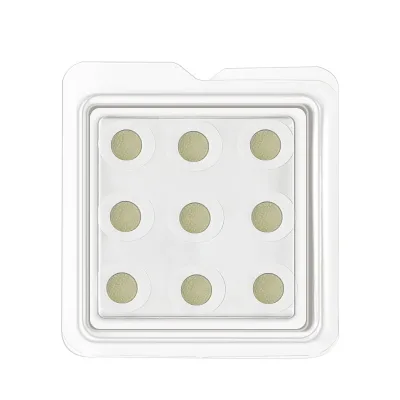


Hot Sale Microneedle Pimple Patches Hydrocolloid Acne Spot Dots Treatment Patches
$1.00 - $3.00
MOQ: 10000 pieces


Microneedle Acne Pimples Patches for Skin Manufacturer of Custom Private Label
$1.00 - $3.00
MOQ: 10000 pieces


Comprehensive Sourcing Guide
Strategic Sourcing Guide for Microneedling Acne Patches
The global demand for targeted dermatological solutions has elevated the category of Microneedling Acne Patches from a niche beauty accessory to a staple in professional and consumer skincare procurement. For B2B buyers, sourcing these products requires a nuanced understanding of the intersection between hydrocolloid technology and microneedle delivery systems. Unlike standard adhesive patches, microneedling variants utilize microscopic projections to penetrate the skin barrier, facilitating the delivery of active ingredients directly to the site of inflammation. This guide outlines the critical technical, compliance, and operational factors that procurement teams must evaluate when engaging with suppliers in this sector.
Technical Specifications and Material Composition
The foundation of any effective acne patch lies in its material composition and structural design. The supplied product data indicates that hydrocolloid is a primary material used in this category. Hydrocolloid is a gel-forming polymer that absorbs exudate, creating a moist environment conducive to healing while physically preventing external contamination. In the context of microneedling patches, the material matrix often incorporates dissolvable microneedles, typically made from hyaluronic acid or other biocompatible polymers, which embed into the stratum corneum to release actives.
Buyers must scrutinize the specific product attributes regarding shape and size. The market offers variations ranging from standard round or solid shapes to fully customized geometries. Specifications such as "Customized Size" and "Customized Thickness" are frequently available, allowing brands to tailor the patch to specific acne types, from micro-cysts to larger inflammatory lesions. The active ingredient content is a critical differentiator; observed ranges in the sector often fall between 0% and 5%, depending on whether the patch relies solely on physical absorption or includes added serums like salicylic acid or tea tree oil.
When evaluating technical specifications, procurement teams should request detailed breakdowns of the single package size and gross weight. For instance, standard configurations might list a single package size of approximately 107x10x1 cm, with a gross weight around 0.15 kg. These metrics are vital for logistics planning and calculating landed costs. Furthermore, the distinction between "Solid" shapes and "Round or Customized Shape" options impacts user experience and packaging efficiency. Buyers should verify if the microneedle component is designed to dissolve completely or if it requires removal, as this influences the user instructions and potential safety concerns.
Compliance, Certification, and Regulatory Standards
Navigating the regulatory landscape is paramount for importing skincare devices and chemical products. While the supplied data mentions "CE" as a background certification, it is classified as low-confidence and should not be assumed as a universal standard for all listed products. In the B2B context, buyers must independently verify the regulatory status of the product in their target market. For example, products marketed as "Acne Spot Treatment" or "Acne/Blemish Control" may be classified as cosmetics, medical devices, or over-the-counter drugs depending on the jurisdiction and the claimed mechanism of action.
The "prod_standard" field in some product listings references values like "0.25KG," which appears to be a weight specification rather than a regulatory standard. Buyers should not interpret this as a compliance benchmark. Instead, procurement teams must demand valid documentation such as ISO 13485 for medical device quality management or GMP (Good Manufacturing Practice) certification for cosmetic manufacturing. In regions like the United States, the FDA requires specific registration for devices claiming to penetrate the skin, while the EU requires a Cosmetic Product Safety Report (CPSR) for cosmetic claims.
It is essential to distinguish between "Other Household Chemicals" and medical-grade skincare. Some product listings categorize these items under "Other Household Chemicals," which may imply a lower regulatory threshold but could raise red flags for professional distributors. Buyers should verify if the product has undergone specific biocompatibility testing, particularly for the microneedle component, to ensure it does not cause adverse reactions upon skin penetration. The absence of explicit certification data in the source material necessitates a rigorous request for certificates of analysis (CoA) and third-party lab reports before finalizing any order.
Cost Drivers and Pricing Dynamics
The pricing structure for Microneedling Acne Patches is influenced by several variable factors, including material complexity, customization levels, and order volume. The observed price range in the market spans from $0.10 to $3.00 USD per unit, a significant variance that reflects differences in quality, active ingredient concentration, and branding. The lower end of this spectrum typically corresponds to basic hydrocolloid patches with minimal customization, while the higher end often includes advanced microneedle technology, premium packaging, and proprietary active formulations.
Minimum Order Quantity (MOQ) is another critical cost driver. The data indicates an MOQ range of 100 to 10,000 units, with specific instances showing MOQs of 200 or 100 pieces. For startups or small retailers, the lower MOQs provide an entry point, but the per-unit cost will likely be higher due to setup and production run inefficiencies. Conversely, larger buyers can negotiate better pricing by committing to higher volumes, potentially accessing the lower end of the price range.
Customization is a significant factor in cost escalation. Options such as "Customized Logo," "Customized Package," and "Customized Shape" incur additional tooling and setup fees. Buyers should anticipate that a fully branded, custom-shaped microneedle patch will command a premium over standard "Stocked" items. Additionally, the "Sample Provided" attribute suggests that initial sampling costs may apply, which should be factored into the total cost of ownership. When evaluating quotes, procurement teams must ensure that the price includes all necessary packaging components, such as the "Carton" or "Individually Packing" units, to avoid hidden logistics costs.
Typical Applications and Usage Scenarios
Understanding the intended application of the product is essential for positioning it correctly in the market. The primary function of these patches is "Acne Spot Treatment" and "Acne/Blemish Control," with specific usage instructions indicating application "on face or other place for acne." The versatility of the product allows for use on various body parts, though the "Body Part" attribute predominantly highlights the "Face."
The microneedling aspect adds a layer of functionality beyond simple absorption. These patches are designed for "Acne Healing" and "Acne Remove," suggesting a dual mechanism of action: physical protection and active delivery. The "Moisturizing" function is also noted in some product attributes, indicating that the patches may help maintain skin hydration while treating the lesion. This makes them suitable for a wide range of skin types, including "Combination" skin, and age groups ranging from "All Ages" to "Adults" and "Female" specific demographics.
Buyers should consider the specific scenarios where these products excel. They are particularly effective for users seeking to avoid picking at blemishes, as the patch creates a physical barrier. The "Solid" shape and "Transparent Color" ensure discretion, making the product suitable for daytime wear. However, the efficacy of the microneedle component depends on proper application; buyers must ensure that supplier documentation provides clear instructions on how to apply the patch to ensure the needles penetrate the skin without causing damage. The "24 Hours Online Service" attribute suggests that suppliers are available to assist with application queries, which is a valuable support feature for end-users.
Supplier Evaluation and Operational Capabilities
Selecting a reliable supplier requires a deep dive into their operational capabilities and track record. The data reveals that suppliers are located in regions such as "Beijing, China" and "China Zhejiang," which are established manufacturing hubs for cosmetics and medical devices. When evaluating potential partners, buyers should verify the supplier's capacity to handle "Customization" requests, as this is a key differentiator in the market. The ability to offer "Customized Package Accepted" and "Customized Logo Accept" indicates a flexible manufacturing process capable of meeting brand-specific requirements.
Lead times and production capacity are critical for supply chain stability. While specific lead times are not explicitly detailed in the provided facts, the "Shelf Life" of 2 to 3 years suggests that the product has a reasonable storage window, allowing for strategic stockpiling. Buyers should inquire about the supplier's ability to scale production during peak demand periods. The "Sample Provided" attribute is a positive indicator of a supplier's willingness to engage in the pre-production phase, allowing buyers to validate product quality before committing to large orders.
Service levels are another key evaluation metric. The mention of "24 Hours Online Service" implies a responsive customer support team, which is crucial for resolving issues related to order status, quality complaints, or technical inquiries. Buyers should also assess the supplier's quality control processes, particularly regarding the consistency of the microneedle application and the sterility of the final product. A supplier that offers "Stocked" items alongside custom production lines demonstrates a robust inventory management system, reducing the risk of stockouts for standard SKUs.
Quality Control and Long-Term Procurement Considerations
Ensuring consistent quality is the cornerstone of a successful long-term procurement strategy. Given the delicate nature of microneedling technology, buyers must implement rigorous quality control measures. This includes verifying the integrity of the microneedles upon arrival, checking for any breakage or deformation that could render the product ineffective or unsafe. The "Single package size" and "Single gross weight" should be consistent across batches to ensure that the product meets the specified dimensions and weight tolerances.
Long-term procurement considerations extend beyond the initial order. Buyers should establish a framework for ongoing quality assurance, including periodic audits of the manufacturing facility and random sampling of finished goods. The "Customization" aspect requires careful management of intellectual property and tooling costs; buyers should ensure that molds and designs are protected and that the supplier does not replicate them for competitors. Additionally, the "Shelf Life" of 2 to 3 years provides a buffer for inventory management, but buyers must monitor storage conditions to prevent degradation of the hydrocolloid or active ingredients.
Sustainability and packaging are increasingly important factors in modern procurement. The "Packing" options, ranging from "9 Counts" to "Individually Packing," offer flexibility in reducing waste. Buyers should evaluate the environmental impact of the packaging materials and consider options that align with corporate sustainability goals. Finally, maintaining a strong relationship with the supplier through clear communication and mutual growth strategies will ensure a steady supply of high-quality Microneedling Acne Patches, positioning the buyer to capitalize on the growing demand for advanced skincare solutions.
Comparative Analysis of Product Attributes
To facilitate informed decision-making, the following table summarizes key product attributes observed in the market, highlighting the variations available to buyers.
| Attribute | Standard Configuration | Customized Configuration |
|---|---|---|
| Material | Hydrocolloid | Hydrocolloid with Custom Additives |
| Shape | Round, Solid | Round, Customized Shape |
| Size | Standard (e.g., 107x10x1 cm) | Customized Size |
| Thickness | Standard Thickness | Customized Thickness |
| Color | Transparent Color | Customized Color |
| Packing | Carton, 9 Counts | Customized Package, Individually Packing |
| Logo | Standard/None | Customized Logo Accept |
| MOQ | 100-200 PCS | 100-10,000 PCS (Variable) |
| Shelf Life | 2-3 Years | 2-3 Years |
| Origin | Beijing, China / Zhejiang, China | Same as Standard |
This comparison underscores the flexibility available in the market. While standard configurations offer immediate availability and lower costs, customized options provide the differentiation necessary for brand building. Buyers must weigh the trade-offs between cost, lead time, and brand value when selecting their preferred configuration. By adhering to the technical and operational guidelines outlined in this guide, procurement teams can navigate the complexities of sourcing Microneedling Acne Patches with confidence and precision.
FAQs
What materials are used in Microneedling Acne Patches?
Hydrocolloid is the primary material used in these patches to absorb exudate and create a moist healing environment. Some variants incorporate dissolvable microneedles made from biocompatible polymers to deliver active ingredients directly to the skin.
Can buyers request customized shapes and sizes for these patches?
Yes, customized shapes and sizes are available to tailor the patch to specific acne types. Buyers can select from round or solid shapes, with options for customized thickness and packaging to meet specific brand requirements.
What is the typical minimum order quantity for these products?
The minimum order quantity ranges from 100 to 10,000 units depending on the supplier and customization level. Specific listings show MOQs as low as 100 pieces or 200 units for standard stocked items.
How long is the shelf life of these acne patches?
The shelf life is typically between 2 to 3 years, allowing for strategic stockpiling. This duration ensures the product remains effective for storage and distribution before reaching the end consumer.
Which locations are common for manufacturing these patches?
Manufacturing locations include Beijing, China, and Zhejiang, China, which are established hubs for cosmetics and medical devices. Buyers should verify specific factory locations when evaluating supplier capabilities for their orders.
What active ingredient content is found in these patches?
Active ingredient content typically ranges from 0% to 5%, depending on whether the patch relies on physical absorption or added serums. This variation allows for different formulations targeting specific skin concerns like blemish control.