Source Microwavable Plastic Lid Coffee Canister for Retail, Food Service, and Home Storage
Find and compare 30 Microwavable Plastic Lid Coffee Canister options from verified suppliers. Evaluate materials like aluminum and plastic, certifications including FDA and LFGB, and customization features to find the right fit for your packaging needs.
Key considerations
Products List

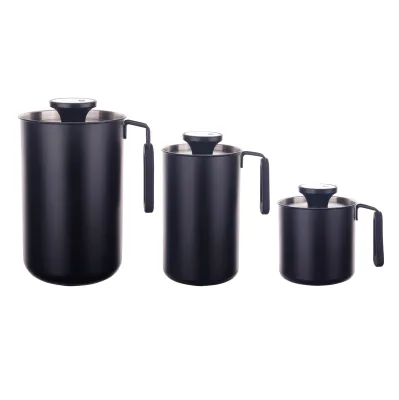
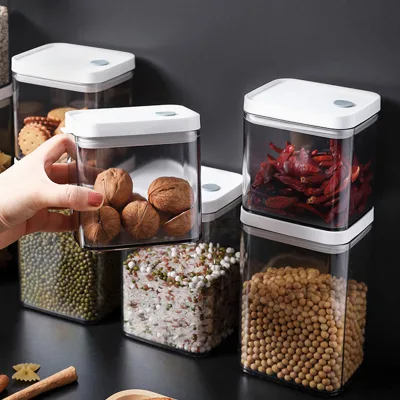
Vacuum Airtight Coffee Bean Container Jar Food Coffee Kitchen Storage Canister
$0.21 - $0.42
MOQ: 10000 Pieces


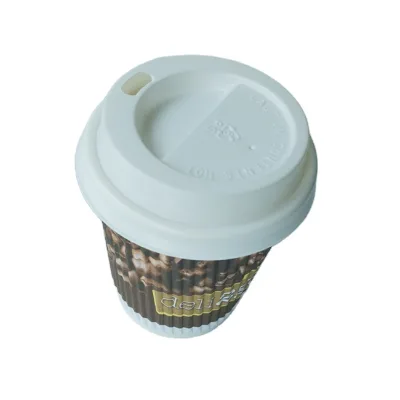


Microwavable Deli Container Cup Disposable Thicken Plastic Soup Container with Lid
$0.03 - $0.05
MOQ: 50000 Pieces


Comprehensive Sourcing Guide
Microwavable Plastic Lid Coffee Canister Sourcing Guide
Sourcing microwavable plastic lids for coffee canisters requires a careful balance between material safety, functional durability, and supply chain reliability. Buyers must navigate a market where "microwave safe" claims are common but not universal, necessitating rigorous verification of polymer types and thermal stability. The following guide outlines the essential steps for evaluating suppliers, verifying technical specifications, and ensuring compliance with international food safety standards.
Product Scope and Observed Listing Signals
The current market for plastic lids includes a diverse range of products, from small package tanks made of aluminum to specialized smart lids and standard coffee cup covers. Observed listings indicate a wide variation in materials, with some products explicitly identified as plastic while others utilize aluminum or mixed compositions. Buyers should note that while some suppliers offer customization for color and design, others provide non-customized, standard round shapes. The presence of "Eco-Friendly" and "Recyclable" attributes in certain listings suggests a growing segment of sustainable packaging options, though these claims must be validated against specific material certifications.
Price and minimum order quantity (MOQ) signals vary significantly across the observed data, ranging from low-cost items with minimal MOQs to high-volume industrial orders. For instance, some listings show an MOQ of just one unit, while others require up to 300,000 pieces, reflecting the disparity between sample procurement and mass production. The observed price range of 0-7.29 USD highlights the importance of volume negotiation and the potential for cost savings through larger orders. Buyers must distinguish between single-unit sample prices and bulk pricing structures to accurately forecast total landed costs.
Technical Specifications to Verify
Verifying the physical dimensions and material composition is critical for ensuring compatibility with existing coffee canister systems. Suppliers may offer standard sizes such as 80/90mm or custom dimensions based on customer requirements, with models like SJ-35 and DT-110 representing specific design iterations. It is essential to confirm whether the lid is designed for single-use or repeated use, as this impacts the required thickness and structural integrity. Additionally, buyers should verify the weight of the component, as lighter materials may reduce shipping costs but could compromise durability during transit or handling.
Thermal performance and printing capabilities are other key technical factors that influence the final product quality. Some products are explicitly marketed as microwave-safe, a feature that requires specific polymer formulations to withstand heat without degrading or leaching chemicals. Flexo printing is available for branding purposes, allowing for custom colors and designs, but buyers must ensure that the ink used is also food-safe and resistant to heat and moisture. The production time of approximately 15 days for customized orders should be factored into inventory planning, especially for seasonal demand spikes.
Compliance and Safety Documentation
Food contact safety is the paramount concern when sourcing plastic lids for coffee products. Buyers must request and verify certifications such as FDA, LFGB, and QS, which indicate compliance with strict food safety regulations in the United States, Europe, and China, respectively. These certifications ensure that the plastic materials used do not contain harmful substances like BPA or phthalates that could migrate into the coffee under heat or acidic conditions. Without these documented certifications, the risk of regulatory non-compliance and potential health hazards increases significantly.
In addition to material safety, buyers should inquire about the testing protocols used to validate microwave safety. While some listings claim microwave compatibility, this attribute must be supported by laboratory test results demonstrating that the lid does not warp, melt, or release toxins at typical microwave temperatures. Buyers should also verify that the printing inks and adhesives used in the manufacturing process are compliant with relevant food contact standards. Requesting a Certificate of Analysis (CoA) for each batch of raw materials can provide additional assurance of consistency and safety.
Cost Drivers and Commercial Terms
Several factors influence the final cost of microwavable plastic lids, including material type, customization level, and order volume. Aluminum components, while durable and recyclable, may carry different cost structures compared to plastic alternatives. Customization options, such as specific colors or logo printing, often incur additional setup fees and may increase the MOQ. Buyers should negotiate clearly on whether sample costs are free or charged, as this can impact the initial evaluation phase of supplier selection.
Packaging and logistics details also play a significant role in total procurement costs. Standard packaging may involve cartons containing 1,000 to 2,000 pieces, with specific carton dimensions affecting shipping efficiency. For example, some products are packed at 2,000 pieces per carton with dimensions of 4623.538cm, which optimizes container space but requires careful handling to prevent damage. Buyers should clarify who bears the cost of freight and insurance, and whether the supplier offers EXW, FOB, or DDP terms, as these terms directly impact the landed cost and risk allocation.
Supplier Qualification and Quality Control
Evaluating supplier capability involves assessing their production capacity, quality management systems, and track record. Suppliers with a supply ability of 200,000 pieces per day, as observed in some listings, are better positioned to handle large orders and maintain consistent lead times. Buyers should verify the supplier's location, with Guangdong and Jiangsu in China being common manufacturing hubs for packaging materials. Proximity to ports and raw material sources can influence both cost and delivery speed.
Quality control processes should be clearly defined and agreed upon before placing orders. Buyers should request information on in-process inspections, final random inspections, and acceptance criteria for defects. It is advisable to establish a clear protocol for handling non-conforming products, including return policies and credit notes. Additionally, buyers should consider conducting third-party audits or factory inspections to verify that the supplier's actual practices align with their stated quality standards and certifications.
Long-Term Procurement Checks
Establishing a long-term relationship with a reliable supplier requires ongoing monitoring and periodic re-evaluation. Buyers should track key performance indicators such as on-time delivery rates, defect rates, and responsiveness to issues. Regular communication with the supplier can help identify potential supply chain disruptions early and allow for proactive adjustments. It is also important to stay updated on changes in regulatory requirements, as food safety standards may evolve over time.
Sustainability and environmental impact are increasingly important factors in long-term procurement strategies. Buyers should assess the supplier's commitment to eco-friendly practices, such as using recyclable materials or reducing waste during production. While some products are labeled as eco-friendly, buyers should verify these claims through independent certifications or audits. By prioritizing sustainable sourcing, companies can enhance their brand reputation and meet the growing consumer demand for environmentally responsible packaging solutions.
FAQs
Can I order custom colors for the Microwavable Plastic Lid Coffee Canister?
Yes, custom colors are available for this product. The listing indicates that black and custom color designs can be selected to meet specific branding needs for your coffee canister packaging requirements.
What is the minimum order quantity for the Microwavable Plastic Lid Coffee Canister?
The minimum order quantity varies by supplier, with observed ranges from 1 to 300,000 pieces. Some specific listings require a minimum of 10,000 units, while others may set the threshold at 300,000 pieces depending on the manufacturer.
How long does production take for the Microwavable Plastic Lid Coffee Canister?
Production time is typically around 15 days for this item. This lead time applies to the manufacturing process before the goods are packed and ready for shipment to the buyer's specified destination.
What certifications do the Microwavable Plastic Lid Coffee Canister suppliers hold?
Suppliers may hold certifications such as ISO, FDA, LFGB, and QS. These standards ensure the materials meet safety requirements for food contact, which is essential for packaging items like coffee canisters and lids.
Are samples available for the Microwavable Plastic Lid Coffee Canister?
Free samples are available for this product upon request. Buyers can obtain these samples to verify quality and specifications before committing to a larger bulk order for their coffee canister packaging needs.
What materials are used for the Microwavable Plastic Lid Coffee Canister?
The product is available in both aluminum and plastic materials. Specific listings highlight food-grade aluminum and plastic options, ensuring the material is safe for storing food and beverages like coffee.
Where are the Microwavable Plastic Lid Coffee Canister manufacturers located?
Manufacturers are located in China, specifically in regions like Guangdong and Jiangsu. These locations serve as the primary origins for the production and export of these packaging components to international buyers.