Source Mineral Waterproof Shimmer Lipstick for Party, Daily, Wedding
Explore 30 listings of Mineral Waterproof Shimmer Lipstick with features like long-lasting wear, moisturizing effects, and multi-colored finishes. Buyers can compare specifications, certifications, and customization options for party, daily, and wedding makeup needs.
Key considerations
Products List


Wooden Lipstick for Cosmetic with Bright Colors Long Lasting Waterproof
$0.10 - $0.12
MOQ: 5000 Pieces


12 Colors Wooden Makeup Lipstick with Waterproof Colors Long Lasting Colors
$0.10 - $0.12
MOQ: 5000 Pieces




Comprehensive Sourcing Guide
Strategic Sourcing Guide for Mineral Waterproof Shimmer Lipstick Procurement
Sourcing high-performance cosmetic ingredients and finished formulations requires a rigorous approach to verifying technical specifications, regulatory compliance, and supply chain reliability. For buyers targeting the specific niche of Mineral Waterproof Shimmer Lipstick, the procurement landscape is defined by a convergence of natural ingredient sourcing, advanced film-forming technologies for water resistance, and aesthetic customization capabilities. This guide synthesizes observed market data and technical attributes to provide a structured framework for evaluating potential suppliers and products. The focus remains on verifying claims against observable product facts, ensuring that procurement decisions are grounded in documented evidence rather than marketing assertions.
Technical Specifications and Formulation Architecture
The core technical differentiator for Mineral Waterproof Shimmer Lipstick lies in the interplay between the base matrix and the functional additives. Based on observed product attributes, the primary ingredient category is explicitly identified as Mineral. This distinguishes the product from purely synthetic or oil-based formulations, suggesting a reliance on naturally derived pigments and emollients that align with current clean beauty trends. The formulation must balance the opacity and texture required for a "shimmer" effect with the durability demanded by "waterproof" claims.
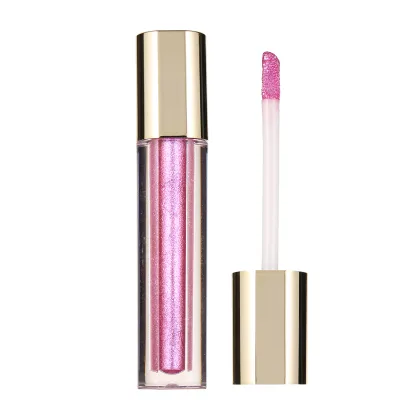
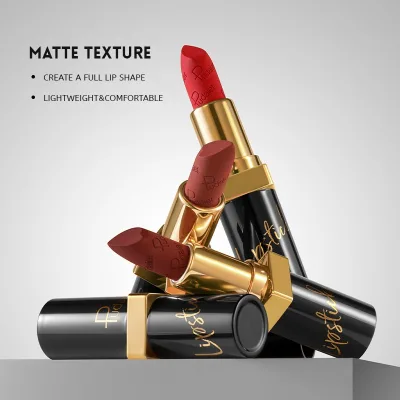
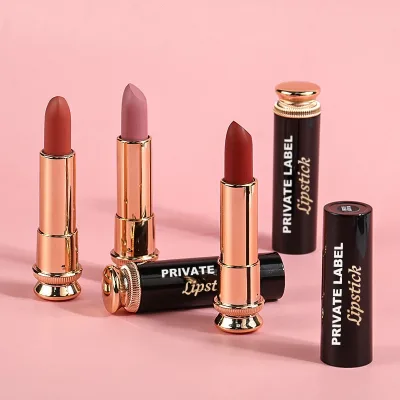
Observed product data indicates a diverse range of physical forms, including Stick and Liquid configurations. The stick format, often associated with models like LS-JY-005 and LS-JY-001, typically utilizes a wax-based matrix to ensure structural integrity and ease of application. In contrast, liquid variants, such as the 17 Color Shiny Lipstick (Model MSJA110109), rely on volatile solvents or specialized film-formers to achieve a dry-down finish. The weight specifications vary significantly, with standard sizes ranging from 3.5g to 5g for stick formats, while liquid or specialized packaging may reach 35g.
The shimmer effect is achieved through specific pigment technologies. The observed attributes list effects including Shimmer, Metallic Shine, Glitter, and Sparkle. These are often paired with keywords such as High Pigment and Metallic. A critical technical consideration is the particle size and refractive index of the shimmer agents, which determine the visual intensity. Furthermore, the "Temperature Change Colors" feature observed in certain models suggests the inclusion of thermochromic pigments, a complex formulation element that requires precise temperature thresholds to function correctly without compromising the waterproof integrity of the base.
Compliance, Certification, and Regulatory Verification
In the B2B cosmetic sector, certification is not merely a marketing asset but a prerequisite for market access and liability protection. Buyers must rigorously verify that suppliers possess valid documentation for the specific batches being procured. The observed product data highlights several critical certifications, including MSDS (Material Safety Data Sheet), GMPC (Good Manufacturing Practice Cosmetic), and FDA registration.
The presence of an MSDS is fundamental for logistics and safety, detailing the chemical composition and handling requirements. For international trade, particularly involving mineral ingredients, this document is non-negotiable. The GMPC certification indicates adherence to quality management systems in the manufacturing facility, ensuring consistent hygiene and process control. Additionally, FDA status, while often referring to facility registration or ingredient compliance rather than product pre-approval in all jurisdictions, serves as a marker for regulatory alignment with major markets.
It is essential to note that while some products are listed as 100% Vegan and Cruelty Free, these are attributes that must be verified through current supplier declarations and third-party audit reports. The "Mineral" classification often implies a lower risk of synthetic allergens, but buyers should still request full ingredient disclosure lists to ensure compliance with regional regulations such as the EU Cosmetic Regulation or the US FDA's Voluntary Cosmetic Registration Program. The "Chemical" ingredient category observed in some listings (e.g., Model MSJA110109) necessitates a separate review to ensure that synthetic additives do not conflict with "clean beauty" marketing claims or specific client requirements.
Cost Drivers and Pricing Dynamics
The pricing structure for Mineral Waterproof Shimmer Lipstick is influenced by a complex matrix of factors, including raw material costs, formulation complexity, and order volume. The observed market data indicates a price range of 0.1 to 3.29 USD per unit. This wide variance suggests significant differentiation based on the level of customization, packaging quality, and ingredient sourcing.
The MOQ (Minimum Order Quantity) is a primary cost driver, ranging from 3 units for samples to 12,000 units for bulk production. Suppliers offering lower MOQs often charge a premium per unit to cover setup and administrative costs. Conversely, high-volume orders benefit from economies of scale but require substantial capital commitment. The Sample Provided attribute confirms that buyers can validate quality before committing to bulk orders, which is a standard practice to mitigate risk.
Customization services, such as OEM/ODM (Original Equipment Manufacturer/Original Design Manufacturer), Print Logo, and Customization availability, add layers of cost. Products with unique features like Temperature Change Colors or specialized Sunscreen properties (SPF) command higher prices due to the specialized ingredients and testing required. The Shelf Life of 3 Years is a standard benchmark that impacts inventory management costs; products with shorter shelf lives may require faster turnover or higher pricing to offset potential waste.
Typical Applications and Market Positioning
The versatility of Mineral Waterproof Shimmer Lipstick allows for deployment across multiple consumer segments. The observed Usage category is explicitly listed as Lips Makeup, but the Suit for attributes expand this to Party, Daily, and Wedding scenarios. This indicates a product line designed to bridge the gap between everyday wear and high-impact events.
The Feature set, including Waterproof, Long-Lasting, Moisturizing, and Transfer-Proof, positions these products for active lifestyles and humid environments. The Sunscreen feature, noted in models like LS-JY-017 and UN-L1031, adds a functional benefit for outdoor use, appealing to health-conscious consumers. The Effect variations, ranging from Matte and Cream to Jelly and Satin, allow brands to target specific aesthetic preferences. For instance, a Matte finish with High Pigment is ideal for bold, long-wear looks, while a Shimmer or Metallic effect suits evening wear.
The Color options, observed as Multi-Colored or Single-Color, offer flexibility for private label brands. Multi-colored products may refer to packaging variations or specific color-shifting technologies, while single-color options allow for a focused brand identity. The Keywords such as Luxury, Natural, and Herbal suggest that these products are often positioned in the mid-to-high-end market, where consumers are willing to pay a premium for perceived quality and ethical sourcing.
Supplier Evaluation and Operational Capabilities
Evaluating a supplier for Mineral Waterproof Shimmer Lipstick requires a deep dive into their operational capabilities and responsiveness. The Location is consistently identified as China, a major hub for cosmetic manufacturing with established supply chains for mineral ingredients and packaging. However, the geographic location alone does not guarantee quality; buyers must assess the supplier's specific facility standards.
Key evaluation criteria include the Leading Time, which ranges from 25 to 35 Days for production. This timeline must be factored into the overall supply chain strategy, especially for time-sensitive launches. The Sample availability is a critical indicator of a supplier's willingness to engage and their confidence in product quality. The OEM/ODM capability suggests that the supplier can adapt formulations and packaging to meet specific brand requirements, a crucial factor for private label operations.
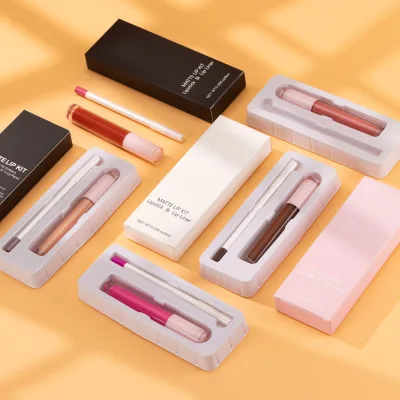
The Product Name and Model numbers (e.g., LS-JY-005, MSJA110109) serve as unique identifiers for SKU management. Buyers should ensure that the supplier maintains clear documentation for each model to avoid confusion during reordering. The Packing specifications, such as Box, Carton, or Color Box + Shrink Film, must align with the buyer's logistics and retail requirements. The Size Type being Regular Size (e.g., 18119mm for liquid, 122.5cm for other formats) simplifies inventory planning but requires verification against actual physical dimensions.
Quality Control and Long-Term Procurement Strategy
Ensuring consistent quality is paramount in the cosmetics industry. The Standard specifications, such as 5g or 3.5g, provide a baseline for weight verification. However, buyers should implement their own quality control protocols to verify these standards upon receipt. The Shelf Life of 3 Years should be validated through stability testing, particularly for products with Waterproof and Sunscreen claims, as these properties can degrade over time.
Long-term procurement considerations involve building a relationship with suppliers who offer Customization and Print Logo services. This flexibility allows brands to adapt to market trends, such as shifting from Matte to Cream finishes or introducing new Shimmer effects. The Feature of Temperature Change Colors requires careful quality control to ensure the thermochromic pigments remain stable and do not bleed or fade prematurely.
Buyers should also monitor the Certification status continuously. While GMPC, FDA, and MSDS are observed, these documents must be current and applicable to the specific production batch. Regular audits and third-party testing for High Pigment content and Waterproof efficacy are recommended to maintain brand integrity. The Keywords and Effect attributes should be periodically reviewed to ensure they align with evolving consumer preferences and regulatory changes.
Comparative Analysis of Product Attributes
To facilitate decision-making, the following table summarizes key attributes observed across different product models, highlighting the variations in specifications, certifications, and features.
| Attribute | Model LS-JY-005 | Model MSJA110109 | Model LS-JY-017 | Model UN-L1031 |
|---|---|---|---|---|
| Form | Stick | Liquid | Stick | Stick |
| Main Ingredient | Mineral | Chemical | Mineral | Mineral |
| Certification | MSDS | GMPC, FDA | N/A | N/A |
| Key Features | Waterproof, Temp Change | High-Pigment, Natural | Sunscreen, Waterproof | Sunscreen, Waterproof |
| Effect | Shimmer (Custom) | Metallic Shine, Glitter | Matte, Shimmer, Sheer | Matte, Shimmer, Jelly |
| Standard Weight | 5g | 35g | 5g | 3.5g |
| Packing | Box | Carton | Color Box + Shrink Film | Box |
| MOQ | 100 pieces | 100 pieces | 3-12000 | 3-12000 |
This comparison underscores the diversity within the category. While Mineral ingredients are prevalent, the Chemical variant in Model MSJA110109 offers a different formulation profile. The Certification landscape varies, with some models holding GMPC and FDA status while others rely on MSDS. Buyers must align these attributes with their specific brand positioning and regulatory requirements.
In conclusion, sourcing Mineral Waterproof Shimmer Lipstick requires a meticulous approach that balances technical performance, regulatory compliance, and supply chain efficiency. By focusing on verified product facts and maintaining a rigorous evaluation framework, buyers can secure high-quality products that meet the demands of a competitive global market. The observed data provides a solid foundation for making informed procurement decisions, ensuring that the final products deliver on the promises of waterproof durability, mineral purity, and aesthetic excellence.
FAQs
What certifications do mineral waterproof shimmer lipsticks typically have?
Products typically hold MSDS, GMPC, and FDA certifications. These documents verify safety and manufacturing quality, ensuring compliance for international trade and regulatory requirements in major markets.
How long is the shelf life of these lipsticks?
The standard shelf life is three years. This duration applies to the product stability, though buyers should verify specific batch dates upon receipt to ensure freshness and efficacy.
Can I customize the packaging and logo for bulk orders?
Yes, customization and logo printing are available for bulk orders. OEM and ODM services are welcomed, allowing buyers to adapt packaging formats like boxes or cartons to their brand needs.
What is the minimum order quantity for samples?
Samples can be provided with a minimum order quantity of three units. This low threshold allows buyers to validate product quality and texture before committing to larger production runs.
Which features ensure the lipstick remains waterproof and long-lasting?
Key features include waterproof formulas, long-lasting wear, and moisturizing agents. Some variants also offer transfer-proof capabilities and sunscreen protection, making them suitable for daily or party use.
What are the standard weight specifications for stick formats?
Standard weights for stick formats range from 3.5 grams to 5 grams. These specifications ensure consistent product volume and align with regular size requirements for retail distribution.
How long does production take after order confirmation?
Production lead time typically ranges from 25 to 35 days. This timeline accounts for manufacturing, quality control, and packaging preparation before the goods are ready for shipment from the origin.