Source Mini Magnetic Wireless GPS Tracker for Cars, Trucks, and Containers
Find 30 verified options for the Mini Magnetic Wireless GPS Tracker designed for automotive fleets. Buyers can compare models like M588L and GF07 based on dimensions, battery capacity, and tracking protocols to select the right device for their specific vehicle needs.
Key considerations
Products List


Waterproof Mini Magnetic GPS Tracker with Power Save Mode Easy Installation
$21.00 - $27.00
MOQ: 2 Pieces


4G Mini GPS Tracker Magnetic Car Tracker Real Time Tracking Locator Device
$24.50 - $29.00
MOQ: 2 Pieces

Mini Gpsmagnetic Mini Car Tracker GPS Real Time Management Car GPS Tracke
$27.59 - $27.60
MOQ: 10 Pieces


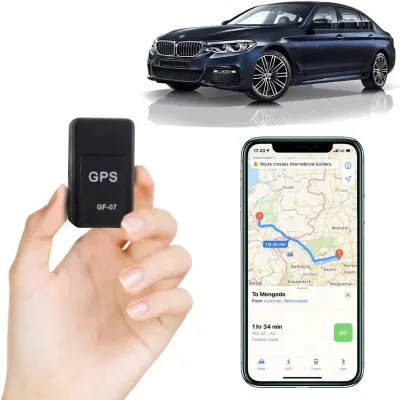


4G Mini GPS Vehicle Tracker with Magnetic Mount for Cars and Motorcycles
$9.49 - $12.90
MOQ: 10 Pieces


Portable Magnetic Wireless GPS Tracker Multiple Size Power Modes 2g-1200mAh
$13.00 - $15.00
MOQ: 2 Pieces


Comprehensive Sourcing Guide
Strategic Sourcing Guide for Mini Magnetic Wireless GPS Trackers
Understanding the Core Product Category and Technical Architecture
The market for mini magnetic wireless GPS trackers is defined by a specific set of technical requirements centered on compact form factors, robust connectivity, and versatile placement options. These devices are engineered primarily for the automotive sector, serving as critical tools for fleet management, asset recovery, and vehicle security. The fundamental architecture of these trackers relies on a combination of Global Positioning System (GPS) technology and cellular communication networks, typically utilizing GSM, GPRS, and increasingly 4G LTE standards to ensure real-time data transmission.
When evaluating the technical specifications of these units, buyers must look beyond the generic label of "GPS tracker" to understand the underlying chipset and frequency capabilities. High-performance units often integrate specific GPS chipsets, such as the U-Blox series, which are known for their reliability in signal acquisition. The operational frequency for these devices is standardized at the L1 band, specifically 1575.42 MHz, ensuring compatibility with global satellite constellations. Furthermore, the communication protocol is a critical differentiator; while some legacy models rely on GSM and GPRS, modern iterations support LTE-FDD bands (including B1, B2, B3, B4, B5, B7, B8, B28, and B66) alongside GSM bands to maintain connectivity in diverse geographic regions.
The physical design of a mini magnetic tracker is constrained by the need for portability and stealth. Observed dimensions in the current market range from compact handheld sizes, such as 42mm x 20mm x 14mm, to slightly larger magnetic units measuring approximately 84.6mm x 57.2mm x 27.5mm or 86mm x 62mm x 30mm. Despite these size variations, the core functionality remains consistent: the device must operate on a working voltage range of 12VDC to 50VDC to interface seamlessly with vehicle electrical systems. The inclusion of a built-in battery, often cited as 5000mAh in portable variants, allows for wireless operation when the device is detached from the vehicle's power source, making it a true "wireless" solution for temporary tracking needs.
Compliance, Certification, and Regulatory Standards
Navigating the regulatory landscape is a non-negotiable aspect of sourcing electronic tracking devices. Buyers must verify that suppliers provide products that meet international safety and electromagnetic compatibility standards. The most frequently observed certifications for these devices include CE (Conformité Européenne) and FCC (Federal Communications Commission), which indicate compliance with European and North American regulatory requirements, respectively. Additionally, RoHS (Restriction of Hazardous Substances) compliance is a standard expectation, ensuring that the manufacturing process does not utilize restricted hazardous materials.
It is crucial for procurement teams to treat certification claims as observations that require validation rather than absolute guarantees for every listed SKU. While some product listings explicitly state certifications such as CE, FCC, and ISO/RoHS, others may only list CE and RoHS. This variance suggests that certification status can be model-specific or batch-dependent. Buyers should request current test reports or certification documents for the specific model number they intend to purchase, rather than relying on general marketing claims. The origin of the product, often listed as China or specifically Shenzhen, Guangdong, does not preclude compliance, but it necessitates rigorous verification of the supplier's quality management systems.
In addition to safety certifications, the operational standards of the device must align with the buyer's operational environment. For instance, waterproofing is a key specification for automotive applications where exposure to the elements is inevitable. Products in this category often carry an IP65 rating, indicating protection against dust and low-pressure water jets. However, buyers should verify if this rating applies to the specific magnetic or portable variant they are sourcing, as internal components may vary in their susceptibility to moisture. The absence of a screen on these devices is a standard design choice to reduce cost and increase durability, shifting the user interface entirely to mobile applications or web platforms.
Cost Drivers and Pricing Dynamics in the Market
The pricing structure for mini magnetic wireless GPS trackers is influenced by a complex interplay of hardware specifications, connectivity capabilities, and order volume. The observed price range in the current market spans from approximately $1.78 to $40.00 USD. This wide disparity is not arbitrary; it reflects the significant differences in component quality, network technology, and feature sets. Entry-level models, often priced at the lower end of the spectrum, typically rely on older 2G or 3G GSM/GPRS networks and may lack advanced features like real-time streaming or cloud storage integration. Conversely, premium models approaching the $40 mark usually incorporate 4G LTE capabilities, higher capacity batteries, and more sophisticated chipsets that offer faster positioning speeds and better signal retention.
Minimum Order Quantity (MOQ) is another critical factor that impacts the total cost of ownership. The market exhibits an MOQ range from 1 unit to 200 units. Suppliers offering an MOQ of 1 are typically catering to small fleet operators or individual buyers who require immediate deployment without significant capital outlay. However, these single-unit purchases often come with a higher per-unit cost. In contrast, bulk orders with an MOQ of 200 units can unlock significant economies of scale, bringing the per-unit cost closer to the lower end of the price range. Buyers must balance their immediate inventory needs against the long-term cost benefits of bulk purchasing.
Additional cost drivers include the customization options available. Many suppliers offer OEM (Original Equipment Manufacturer) services, allowing buyers to customize the packaging, branding, and even the firmware of the device. While this adds value and brand recognition, it often incurs additional setup fees or higher unit costs, particularly for smaller order volumes. The type of packaging also plays a role; while some models come in neutral packaging to reduce costs, others are supplied in cartons with specific packing configurations, such as 100 sets per carton, which can affect logistics and storage expenses.
Typical Applications and Operational Use Cases
The primary application for mini magnetic wireless GPS trackers is within the automotive sector, where they serve as essential tools for vehicle tracking and management. These devices are designed to be installed in a variety of locations, including the dashboard, windshield, or under the vehicle chassis, leveraging their magnetic base for secure and non-intrusive attachment. The versatility of placement allows for use in diverse vehicle types, from heavy trucks and container cars to personal automobiles and handheld assets.
For fleet managers, the ability to track vehicles in real-time is paramount. The operational principle of these trackers combines a vehicle tracking system with GPS technology to provide continuous location data. This data is transmitted via cellular networks to a central server, where it can be accessed through PC platforms, iOS apps, or Android apps. The inclusion of features like street view, wheel path playback, and geofencing enhances the utility of the device for route optimization and security monitoring. Geofencing, in particular, allows businesses to set virtual boundaries and receive alerts when a vehicle enters or exits a designated area, providing an additional layer of security.
Beyond fleet management, these trackers are increasingly used for asset protection in high-value scenarios. The magnetic nature of the device allows for quick deployment and removal, making it ideal for temporary tracking needs or for securing assets that move between different locations. The "Hand Held" usage attribute found in some models indicates that these devices can also function as standalone portable trackers, not just vehicle-mounted units. This dual functionality expands their application to include the tracking of equipment, luggage, or other movable assets that require location monitoring without a permanent power source.
Supplier Evaluation and Quality Control Protocols
Selecting a reliable supplier for GPS trackers requires a rigorous evaluation process that goes beyond price and product specifications. Buyers should prioritize suppliers who demonstrate transparency in their manufacturing processes and provide clear documentation regarding their products. Key indicators of a reputable supplier include the availability of detailed product models, such as the M588L, M588LR, GF07, QS111B, QH412, QH413, and TW4, which suggests a diverse and tested product line. The presence of specific model numbers allows for precise tracking of product iterations and quality consistency.
Quality control is another critical area of focus. Buyers must verify that the supplier has established protocols for testing the waterproofing, battery life, and connectivity of their devices. The observation of an IP65 rating for some models is a positive indicator, but it should be backed by independent test results or a robust internal quality assurance program. Additionally, the warranty period is a significant metric for supplier confidence; a standard 1-year warranty is commonly observed, but buyers should clarify the terms of this warranty, including coverage for hardware failures and software support.
When evaluating suppliers, it is essential to assess their ability to support customization and after-sales service. The availability of OEM support and neutral packaging options indicates a supplier's flexibility in meeting specific buyer requirements. Furthermore, the supplier's location, often cited as Shenzhen, Guangdong, provides insight into their supply chain capabilities, as this region is a hub for electronics manufacturing. However, buyers should ensure that the supplier has the logistical capacity to handle lead times and shipping requirements efficiently.
Long-Term Procurement Considerations and Strategic Planning
Sourcing mini magnetic wireless GPS trackers is not merely a transactional activity but a strategic decision that impacts long-term operational efficiency. Buyers should consider the lifecycle of the device, including the availability of firmware updates and the longevity of the cellular network support. As the industry transitions from 2G/3G to 4G/LTE and eventually to 5G, suppliers must be able to provide devices that are future-proof or offer upgrade paths to maintain connectivity. The observation of LTE-FDD support in some models suggests that the market is moving towards more advanced network standards, and buyers should prioritize devices that align with these trends.
Data storage and management are also critical long-term considerations. The shift towards cloud storage solutions allows for scalable data management and real-time access to tracking information. Buyers should evaluate the supplier's data infrastructure to ensure it can handle the volume of data generated by their fleet and provide secure, reliable access. The ability to view data through multiple platforms, including PC, iOS, and Android, ensures that the tracking system remains accessible regardless of the user's preferred device.
Finally, buyers must consider the total cost of ownership, which includes not only the initial purchase price but also ongoing costs such as SIM card fees, data plan subscriptions, and potential maintenance or replacement costs. The warranty period and the supplier's reputation for honoring warranty claims are vital factors in this calculation. By conducting a thorough analysis of these long-term factors, buyers can make informed decisions that ensure the reliability and effectiveness of their GPS tracking solutions over the lifespan of their procurement contracts.
FAQs
What certifications do mini magnetic wireless gps trackers have?
Many models carry CE, FCC, and RoHS certifications, while others list CE and RoHS. Buyers must verify specific test reports for the exact model number rather than assuming all units meet these standards.
Which GPS chipset is commonly used in these trackers?
Some units utilize the U-Blox 7020 chipset operating at the L1 frequency of 1575.42 MHz. This configuration ensures reliable signal acquisition for vehicle tracking applications across various automotive sectors.
Can these devices be customized for specific branding needs?
Customization is available for packaging and OEM branding on many models. Suppliers often support neutral packaging or custom cartons, though specific firmware changes may require higher order volumes or setup fees.
What is the typical working voltage range for these units?
Most trackers operate on a working voltage of 12VDC to 50VDC to interface with vehicle systems. This range allows seamless integration with standard automotive electrical systems for continuous real-time tracking.
How are these trackers typically packaged for shipment?
Packaging varies between neutral packages and cartons, with some models specifying 100 sets per carton. Buyers should confirm the specific packing configuration to ensure logistics compatibility with their inventory needs.
What warranty period is standard for these automotive trackers?
A one-year warranty is commonly observed for these automotive tracking devices. This coverage typically applies to hardware failures, but terms may vary depending on the specific supplier and model purchased.
Which placement options are supported by these magnetic trackers?
Devices support portable, dashboard, windshield, and under-chassis placements due to their magnetic design. This versatility allows for discreet installation in heavy trucks, container cars, or handheld asset scenarios.