Source Mirror PVC Disco Ball Mask for DJ Parties, Nightclubs, and Stage Events
Find 30 listings for Mirror PVC Disco Ball Mask suitable for DJ parties, nightclubs, and stage events. Buyers can compare specifications like material, size, and usage to select the right option for their needs.
Key considerations
Products List
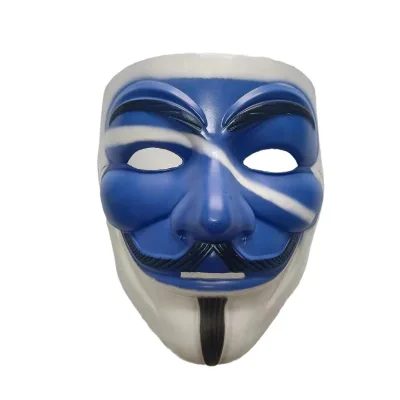
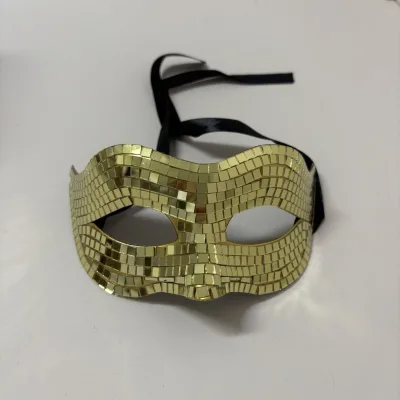
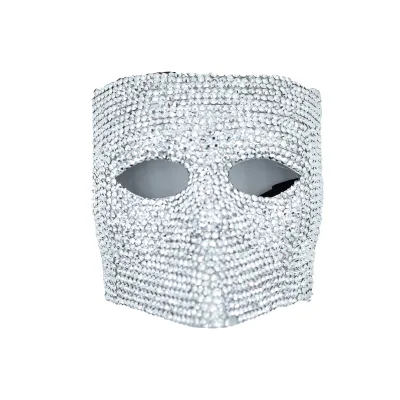
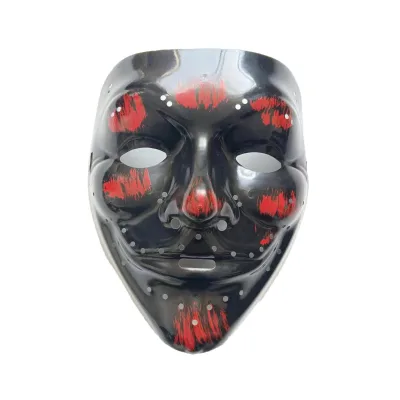
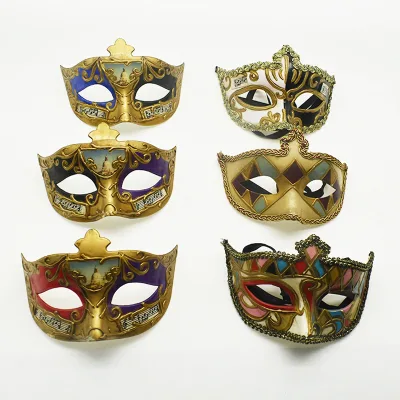


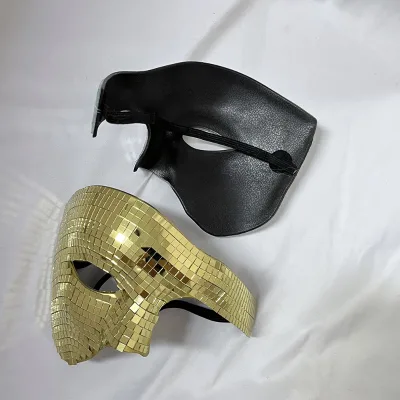
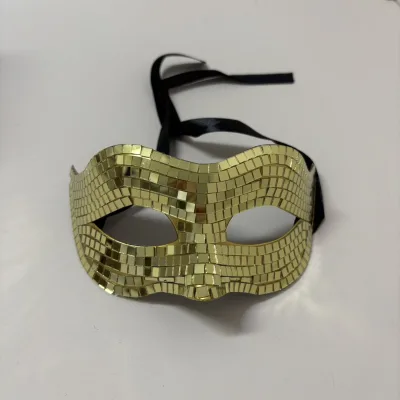
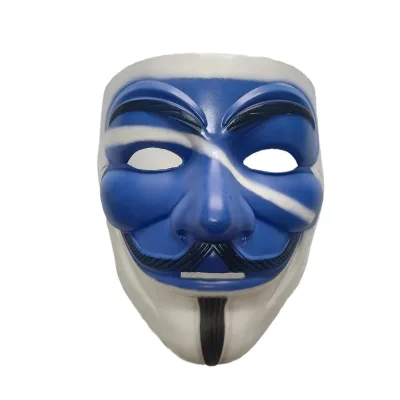
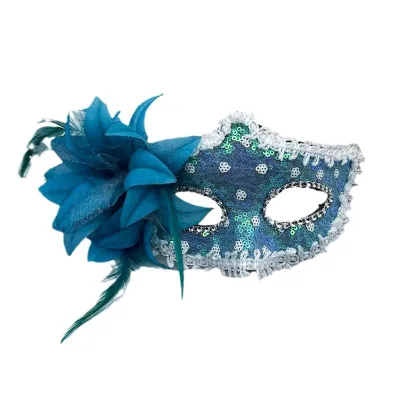
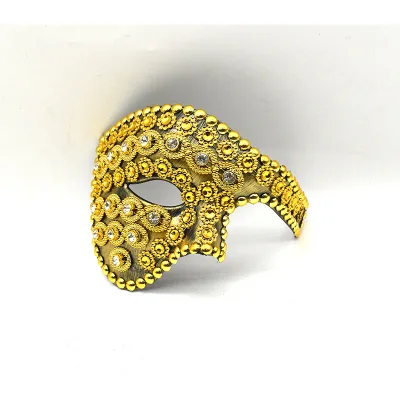


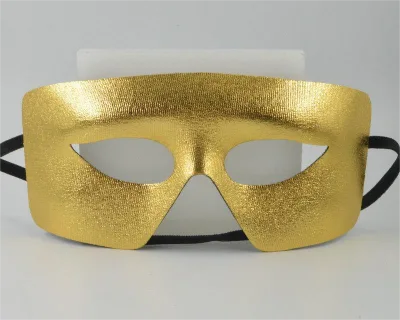
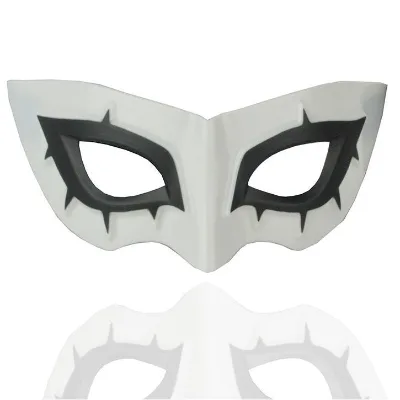
Comprehensive Sourcing Guide
Strategic Sourcing Guide for Mirror PVC Disco Ball Masks
The global B2B market for event and party supplies has seen a significant surge in demand for high-impact visual accessories, particularly those combining reflective surfaces with flexible materials. The core keyword "Mirror PVC Disco Ball Mask" represents a niche but growing segment where aesthetic appeal meets functional versatility. Buyers in this sector must navigate a complex landscape of material specifications, regulatory compliance, and supplier capabilities. This guide provides a comprehensive framework for sourcing these items, grounded in observed market data and industry standards, to ensure procurement decisions are both cost-effective and compliant.
Technical Specifications and Material Composition
Understanding the technical architecture of a Mirror PVC Disco Ball Mask is the first step in defining procurement requirements. These products are not monolithic; they often exist as a hybrid of rigid and flexible components. Based on observed market data, the material composition frequently involves a combination of polyfoam, plastic, glass, and PVC. The specific application dictates the material choice. For instance, products designated for indoor disco environments often utilize polyfoam or plastic bases with glass or mirror-like finishes to achieve the desired light-refracting effect. Conversely, masks intended for rave parties or Halloween events may rely heavily on PVC for durability and flexibility, allowing for intricate designs that conform to facial contours.
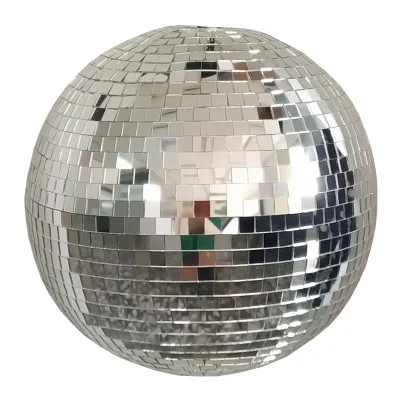
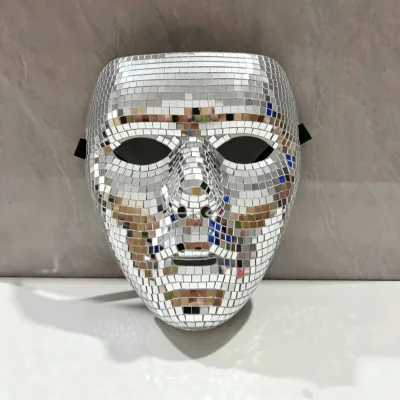
The physical dimensions of these items vary significantly depending on the intended use case. Observed specifications indicate a wide range of sizes, from small decorative elements to larger full-face coverings. Specific model data points to diameters of 50CM for disco ball-style decorations, while mask-specific listings often cite sizes such as Medium or customizable dimensions like 0.5m, 0.8m, 1m, and 1.2m. The mirror size itself can be a critical differentiator; some listings specify a mirror size of 1*1cm, suggesting a mosaic or tiled design rather than a single continuous reflective surface. This mosaic approach allows for a "disco ball" aesthetic on a mask, breaking up light into thousands of tiny reflections. Buyers must verify the exact material breakdown, as some products list "Plastic" generally, while others specify "PVC" or "Glass," which have vastly different cost and safety profiles.
Compliance, Safety, and Certification Verification
When sourcing items that come into direct contact with the human face, particularly for events involving large crowds, compliance and safety are paramount. While specific certification numbers are not universally listed in all product catalogs, buyers must rigorously verify that materials meet international safety standards for toys and face coverings. The presence of glass or mirror fragments in a product intended for a party mask introduces specific risks regarding breakage and sharp edges.
Buyers should request documentation confirming that the materials used, particularly PVC and polyfoam, are free from harmful phthalates and heavy metals. For products originating from China, which is a primary hub for this manufacturing sector, compliance with standards such as EN71 (European toy safety) or ASTM F963 (US toy safety) is often expected by reputable distributors. Although specific test results are not provided in general listings, the procurement process must include a requirement for third-party laboratory testing reports. This is especially critical for products labeled for "Teen" age groups or general party use, where the risk of accidental ingestion or eye injury must be mitigated. Additionally, the "Mirror size" and "Glass" material attributes necessitate a check on edge finishing to ensure no sharp protrusions exist that could injure the wearer during active use in a nightclub or stage environment.
Cost Drivers and Pricing Dynamics
The pricing structure for mirror PVC disco ball masks is influenced by several variable factors, primarily material costs, manufacturing complexity, and order volume. The observed price range in the market spans from $0.22 to $450 USD, a variance that reflects the difference between simple plastic masks and elaborate, custom-designed disco ball units. The lower end of the spectrum typically corresponds to basic PVC masks with simple printed patterns or small mirror inlays, while the higher end often includes full-face glass mosaic masks, custom OEM branding, or larger decorative disco balls with complex internal lighting mechanisms.
Material selection is a primary cost driver. PVC is generally more affordable than glass or high-grade polyfoam, but the inclusion of actual glass mirrors or high-quality reflective films significantly increases the unit cost. Furthermore, the "Single gross weight" and "Single volume" of the product impact shipping costs. Listings indicate weights ranging from 0.0 kg (likely a data entry error or indicating a very light item) to 0.600 kg, and package sizes varying from 20x14.5x6.5 cm to 34x22.5x6.5 cm. These dimensional differences directly affect freight charges, especially when shipping from ports like Shenzhen or Guangzhou. Buyers must also consider the "MOQ" (Minimum Order Quantity), which can range from 1 to 500 units. Lower MOQs often come with a premium per unit, whereas bulk orders can leverage economies of scale to reduce the cost per piece.
Typical Applications and Market Segmentation
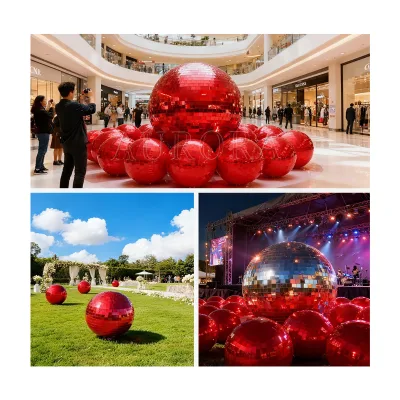
The versatility of mirror PVC disco ball masks allows them to serve a wide array of applications, from commercial entertainment venues to private celebrations. The observed "Application" data highlights usage in DJ parties, nightclubs, celebration events, stages, and bars. This suggests a strong B2B market for event planners and venue owners who require durable, high-impact props for performances. The "Usage" attribute specifically mentions "Indoor disco," indicating that these products are optimized for environments with controlled lighting where the reflective properties of the mirror and PVC surfaces can be fully utilized.
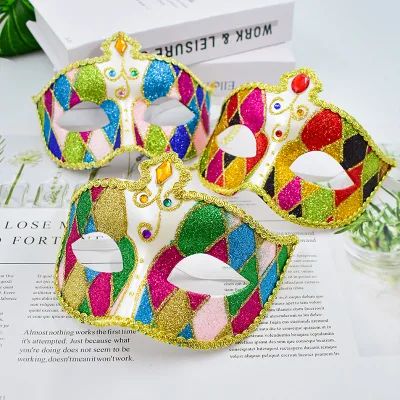
Beyond commercial venues, these items are highly popular for seasonal and thematic events. The "Occasion" data includes Halloween, Graduation, Birthday, Back to School, and Chinese New Year. This diversity indicates that the product is not limited to a single niche but is a staple in the global party supply industry. For Halloween, the "Silver Mosaic Full Face Mask" design is particularly relevant, offering a trendy and fashionable look that aligns with current aesthetic trends. The "Style" is often described as "Modern" and "Funny," appealing to a broad demographic including teenagers and adults. Buyers should align their procurement strategy with the specific seasonality of these events, noting that demand often spikes in the months leading up to Halloween and major holidays.
Supplier Evaluation and Supply Chain Logistics
Selecting the right supplier is critical for ensuring product consistency and timely delivery. The supply chain for these items is heavily concentrated in China, with specific regions like Guangdong and Zhejiang emerging as key manufacturing hubs. The "Place of Origin" data confirms this, listing both Guangdong and Zhejiang as primary locations. Guangdong is known for its robust export infrastructure, particularly for electronics and lighting-related party supplies, while Zhejiang often specializes in plastic molding and textile accessories.
Buyers should evaluate suppliers based on their "Supply Ability," which can range from 10,000 pieces per month for established manufacturers to smaller capacities for niche artisans. The "Port of Dispatch" is another critical logistical factor, with Shenzhen and Guangzhou being the most common ports of departure. These ports offer excellent connectivity to global markets, but buyers must verify the specific shipping terms and lead times. Sample availability is a key indicator of supplier reliability; most reputable suppliers offer samples, with sample times typically ranging from 5 to 7 working days. The "OEM" (Original Equipment Manufacturer) capability is also a significant differentiator, allowing buyers to customize colors, logos, and packaging. The "Packing Details" often involve bubble bags and cartons or OPP bags and cartons, which must be robust enough to protect the fragile mirror components during transit.
Quality Control and Long-Term Procurement Considerations
Implementing a robust quality control (QC) protocol is essential for maintaining brand reputation and customer satisfaction. Given the presence of glass and mirror components, the risk of breakage during shipping and handling is a primary concern. Buyers should insist on a "Single package size" that provides adequate cushioning, such as the observed 20x14.5x6.5 cm or 34x22.5x6.5 cm cartons with internal bubble wrap. Visual inspection of the "Pattern" and "Color" consistency is also necessary, as variations in the silver or multi-color (Blue, Red, Green) finishes can affect the product's aesthetic appeal.
Long-term procurement considerations involve building a relationship with suppliers who can offer consistent quality and flexible scaling. The "Advantage" of "fast delivery" and "Trendy" designs suggests that the market moves quickly, and suppliers must be agile enough to adapt to changing fashion trends. Buyers should also consider the "Model Number" system used by suppliers, such as TS-A014, AC-1210, or JYSP3, to ensure traceability and consistency across orders. Establishing clear communication channels regarding "Sample" approval processes and "MOQ" flexibility will help mitigate risks associated with inventory management. Finally, buyers should verify the "Brand Name" status, whether it is a proprietary brand like TENGSHENG or a generic OEM product, to ensure that the final product aligns with their branding strategy and market positioning.
Comparative Analysis of Product Attributes
To facilitate informed decision-making, the following table summarizes key attributes observed across different product listings, highlighting the variations buyers must navigate.
| Attribute | Observation A (Disco Ball Focus) | Observation B (Mask Focus) | Observation C (General Party) |
|---|---|---|---|
| Material | Polyfoam/Plastic, Glass | PVC, Plastic | Plastic, PVC |
| Size/Dimension | Diameter 50CM | Medium, 0.5m-1.2m | 20x14.5x6.5 cm (Package) |
| Mirror Spec | 1*1cm (Mosaic) | Full Face | As Picture |
| Occasion | Indoor Disco, DJ Party | Halloween, Rave | Birthday, Graduation |
| Origin | Guangdong, China | Zhejiang, China | China (General) |
| MOQ | 100 pcs | 5 pcs | 1-500 pcs |
| Packaging | Bubble bag + Carton | OPP bag + Carton | Bubble bag + Carton |
This comparison underscores the importance of specifying exact requirements when sourcing. A buyer looking for a Halloween mask with a specific PVC composition may find a different product profile than one seeking a 50CM disco ball for a stage setup. By carefully analyzing these attributes against the specific needs of their event or retail strategy, buyers can optimize their procurement outcomes and minimize the risk of receiving mismatched inventory.
Conclusion
Sourcing mirror PVC disco ball masks requires a nuanced understanding of material science, market dynamics, and logistical constraints. By focusing on the technical specifications, verifying compliance standards, analyzing cost drivers, and evaluating supplier capabilities, buyers can navigate the complexities of this market effectively. The diversity of applications, from nightclubs to seasonal celebrations, offers significant opportunities for those who can align their procurement strategy with the specific demands of their target audience. As the market continues to evolve with new trends and designs, maintaining a rigorous approach to quality control and supplier evaluation will remain the cornerstone of successful B2B procurement in this sector.
FAQs
What materials are used for mirror pvc disco ball masks?
These masks typically combine PVC, plastic, polyfoam, and glass components. The specific mix depends on the design, with some using mosaic glass mirrors for a disco effect while others rely on durable PVC for flexible face coverage.
Can I order a single sample of the Mirror PVC Disco Ball Mask?
Yes, samples are welcome for most listings. Buyers should expect a sample time of 5 to 7 working days, though the minimum order quantity for bulk purchases may range from 5 to 500 pieces depending on the supplier.
Which sizes are available for the Mirror PVC Disco Ball Mask?
Available sizes vary from medium dimensions to customizable options like 0.5m, 0.8m, 1m, and 1.2m. Some decorative variants feature a 50CM diameter, while specific mirror tiles may measure 1 by 1 centimeter.
How are the mirror pvc disco ball masks packaged for shipping?
Products are generally packed in bubble bags with cartons or OPP bags with cartons. Package dimensions often measure around 20 by 14.5 by 6.5 cm or 34 by 22.5 by 6.5 cm to protect the reflective surfaces.
Where are the mirror pvc disco ball masks manufactured?
Manufacturing originates primarily from Guangdong and Zhejiang provinces in China. These regions serve as key hubs, with goods typically dispatched from ports in Shenzhen or Guangzhou to international destinations.
What occasions are suitable for using a Mirror PVC Disco Ball Mask?
These masks are designed for Halloween, graduation, birthdays, and indoor disco events. They are also suitable for DJ parties, nightclubs, stage performances, and celebration events requiring trendy or fashionable accessories.
Can I customize the Mirror PVC Disco Ball Mask with my brand?
Yes, OEM services are available for customization of colors, logos, and designs. Buyers can request specific patterns or branding, provided they meet the supplier's minimum order quantity requirements which start at 100 pieces for some models.