Source Mirror Sputtering Coating Line for Glass, Hardware, and Car Wheels
Explore 30 Mirror Sputtering Coating Line options from Chinese manufacturers. Buyers can compare specifications like chamber size, coating films, and customization features for applications in sanitary ware, architecture glass, and hardware.
Key considerations
Products List


Multi-Chamber Magnetron Sputtering Vacuum Coating Mirror Production Line
$1000000.00 - $2000000.00
MOQ: 1 Sets


Anti-Reflective Coatings Ar Glass Magetron Sputtering Production Line
$1000000.00 - $2000000.00
MOQ: 1 Sets


Chrome Mirror Aluminum Mirror Glass Mirror Coating Production Line
$150000.00 - $500000.00
MOQ: 1 Sets

Plane Glass Mirrors Curved Glass Mirrors Inline Vacuum Sputtering Coating Line
$150000.00 - $500000.00
MOQ: 1 Sets

Magnetron Sputtering Coating Line Glass Mirror Manufacture Machine
$150000.00 - $500000.00
MOQ: 1 Sets

Automotive Glass Mirror Inline Sputtering Chrome Vacuum Coating Machine
$150000.00 - $500000.00
MOQ: 1 Sets

Decorative Glass Reflective Glass Mirror Vacuum Coating System Inline Sputter System
$150000.00 - $500000.00
MOQ: 1 Sets
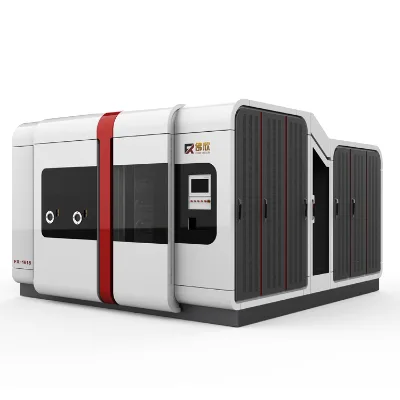


$1600000.00 - $3500000.00
MOQ: 1 Sets


$1600000.00 - $3500000.00
MOQ: 1 Sets


Factory Anti Reflection Film Coating on Metal Crucible Magnetron Sputtering System
$39990.00 - $45555.00
MOQ: 1 Pieces

Comprehensive Sourcing Guide
Strategic Sourcing Guide for Mirror Sputtering Coating Lines
The global demand for high-performance decorative and functional coatings has elevated the Magnetron Sputtering Coating Line to a critical asset for manufacturers in the sanitary ware, automotive, and architectural glass sectors. Sourcing a Mirror Sputtering Coating Line requires a rigorous evaluation of technical capabilities, material compatibility, and operational scalability. This guide synthesizes verified product attributes and industry standards to assist procurement professionals in identifying equipment that meets precise production requirements without relying on unverified marketing claims.
Technical Architecture and Process Specifications
The core of any Mirror Sputtering Coating Line is the magnetron sputtering technology, which facilitates the deposition of thin films onto various substrates. Buyers must first distinguish between the specific configurations available, as the physical architecture dictates throughput and film uniformity. The observed market offers lines with a vertical or horizontal structure, each presenting distinct advantages depending on the facility layout and substrate handling protocols. A critical technical specification to verify is the chamber configuration. High-end systems typically feature at least seven chambers, allowing for sequential processes such as cleaning, sputtering, and post-treatment without breaking the vacuum. This multi-chamber design is essential for maintaining the purity of the coating and ensuring the mirror finish quality.
The substrate compatibility is a primary determinant of the line's utility. While some configurations are optimized for steel substrates used in cutlery, hardware, and car wheels, others are engineered specifically for flat glass, acrylic, PC, and PE materials. The chamber material itself is a vital consideration; the standard specification for high-corrosion resistance and vacuum integrity is SUS304 stainless steel. Furthermore, the chamber size is not a fixed parameter but is often customizable according to specific production details. This flexibility allows buyers to scale the equipment to fit their existing factory footprint or to accommodate larger batch sizes. The control system is another pivotal technical element, with modern lines featuring full automatic PLC touch screens to manage the complex interplay of gas flows, voltage, and sputtering targets.
Material Compatibility and Coating Capabilities
The versatility of a mirror sputtering line is defined by its ability to deposit a wide range of coating films and utilize various sputtering targets. The process relies on the interaction between the sputtering target material and the process gases to create the desired film. Common sputtering targets include Titanium, Chrome, Zirconium, and Titanium Aluminium, which directly influence the optical and mechanical properties of the final product. The resulting coating films can range from metallic layers like Tin, Copper, and Aluminum to complex nitrides and carbides such as Titanium Nitride (TiN), Titanium Carbonitride (TiCN), and Titanium Aluminium Nitride (TiAlN). For specialized applications, films like Indium Tin Oxide (ITO) or Argon-based layers may be required.
The choice of process gas is equally critical for achieving the correct film stoichiometry and color. The standard gas inventory for these lines includes Nitrogen, Argon, Oxygen, and Acetylene. By adjusting the ratios of these gases, manufacturers can produce a spectrum of coating colors, including Golden, Rose Gold, Black, Blue, and Rainbow finishes. This capability is particularly valuable for the sanitary ware and car wheel industries, where aesthetic differentiation is a key market driver. However, buyers must verify that the specific line they are sourcing can handle the full range of gases required for their target applications. The voltage supply is another variable, typically standardized at 380 V, though custom requests for different voltage specifications are often accommodated.
Compliance, Certification, and Operational Standards
In the B2B machinery sector, compliance and certification are non-negotiable prerequisites for international trade and operational safety. The observed product data indicates that Magnetron Sputtering lines frequently carry CE certification, a mandatory requirement for selling equipment within the European market and a strong indicator of adherence to general safety standards. While ISO certification is also noted in the product attributes, buyers should treat this as a variable attribute that requires specific verification for each supplier, rather than a universal guarantee. The absence of a specific ISO number in the general data suggests that buyers must request the exact certification documents for the specific model, such as the CCZK-ION or SP Series, to ensure they meet their local regulatory requirements.
Beyond external certifications, the internal standards of the manufacturing process must be scrutinized. The product standards for these lines vary, with some models adhering to a custom-made standard (e.g., SP-8000) while others follow a specific model designation (e.g., CCZK-ION). The origin of the equipment is a significant factor in the supply chain; the data points to manufacturing hubs in Wenzhou, Hunan, and Guangdong, China. While these regions are known for their industrial output, the specific origin location can impact lead times, logistics costs, and the ease of accessing after-sales support. Buyers should explicitly confirm the production origin of the unit they are purchasing, as this affects the applicability of certain trade agreements and shipping regulations.
Cost Drivers and Economic Considerations
The pricing structure for mirror sputtering coating lines is highly variable, driven by the complexity of the system, the number of chambers, and the level of customization. The observed price range in the market spans from $22 to $30,000,000, reflecting the vast difference between small-scale desktop units and large-scale industrial production lines. This extreme range underscores the importance of defining the exact scope of the project before requesting quotes. A line designed for small-scale decorative coating on hardware will differ significantly in cost from a continuous production line for architectural glass.
Several factors directly influence the final cost. The customization of the chamber size is a primary cost driver; larger or uniquely shaped chambers require more material and engineering time. The number of chambers is another critical variable, with systems requiring at least seven chambers commanding a higher price point due to the increased complexity of the vacuum system and automation. Additionally, the control system sophistication, such as the inclusion of advanced PLC touch screens, adds to the overall cost. Buyers should also consider the packaging requirements, which can range from standard wooden packages to 40gp or 40hq container sets. These packaging specifications are not merely logistical details but can significantly impact the total landed cost, especially for international shipments.
Supplier Evaluation and After-Sales Support
Selecting the right supplier is as critical as selecting the right machine. The market data identifies suppliers as China Manufacturers or Suppliers, with some operating under specific brand names like Hcvac-Huicheng Vacuum. When evaluating potential partners, buyers should prioritize suppliers who offer comprehensive after-sales services. The availability of free training and overseas after-sales support is a key differentiator. Given the technical complexity of magnetron sputtering lines, the ability to have engineers available to service machinery overseas is a vital safeguard against production downtime.
The business type of the supplier should also be verified. A direct manufacturer often provides better technical support and customization flexibility compared to a trading company. Buyers should look for evidence of a "Business Type" classification that aligns with their needs. Furthermore, the customization availability is a crucial metric; a supplier that offers customization for the coating color, film type, and chamber size is better equipped to handle unique production requirements. The product model, such as the HCCL- series or SP Series, should be matched against the supplier's specific expertise. Buyers must ensure that the supplier can provide the specific model that aligns with their application needs, whether for flat glass, acrylic, or metal substrates.
Quality Control and Long-Term Procurement Strategy
Implementing a robust quality control strategy is essential for the long-term success of a Mirror Sputtering Coating Line. The condition of the equipment upon delivery is typically listed as "New," but buyers must establish clear acceptance criteria before signing off on the shipment. This includes verifying the structural integrity of the SUS304 chambers, the functionality of the PLC control system, and the integrity of the vacuum seals. The packaging, whether standard export packing or a custom wooden package, must be sufficient to protect the equipment during transit, especially given the sensitive nature of the vacuum components and electronic controls.
Long-term procurement considerations extend beyond the initial purchase. The standard export packing and the availability of spare parts are critical for maintaining operational continuity. Buyers should inquire about the lead time for spare parts and the availability of technical documentation. The customization of the product standard, such as the "Customized" or "CCZK-ION" standard, should be documented in the contract to ensure that the delivered equipment matches the agreed-upon specifications. Additionally, the voltage requirements (380 V or as requested) must be confirmed to ensure compatibility with the local power grid. By focusing on these long-term factors, buyers can mitigate risks associated with equipment failure and ensure a sustainable return on investment for their mirror sputtering coating operations.
Comparative Analysis of Key Product Attributes
To facilitate a clearer understanding of the variations in the market, the following table summarizes the key attributes observed across different product models and configurations. This comparison highlights the diversity in specifications that buyers must navigate during the sourcing process.
| Attribute | Observation Range / Common Variants | Verification Requirement |
|---|---|---|
| Machine Type | Magnetron Sputtering, Coating Production Line | Confirm specific technology (e.g., PVD, Ion) |
| Chamber Structure | Vertical or Horizontal Line | Verify layout suitability for factory floor |
| Chamber Count | At Least 7 Chambers | Confirm exact count for process steps |
| Substrate Material | Steel, Glass, Acrylic, PC, PE | Match substrate to intended application |
| Coating Films | TiN, TiCN, TiAlN, Aluminum, ITO, Tin | Verify film compatibility with target |
| Sputtering Targets | Titanium, Chrome, Zirconium, Ti-Al | Confirm target material availability |
| Process Gases | Nitrogen, Argon, Oxygen, Acetylene | Ensure gas handling system compatibility |
| Certification | CE, ISO (variable) | Request specific certificate copies |
| Origin Location | Wenzhou, Hunan, Guangdong, China | Confirm specific factory location |
| Voltage | 380 V or Custom Request | Verify local power grid compatibility |
| After-Sales | Free Training, Overseas Engineers | Confirm service coverage area and response time |
This comparative analysis serves as a checklist for buyers to ensure that all critical technical and operational parameters are addressed during the negotiation phase. By systematically verifying each attribute against the specific needs of the production line, buyers can make informed decisions that align with their strategic procurement goals.
FAQs
What substrates can a Mirror Sputtering Coating Line process?
These lines process steel, glass, acrylic, PC, and PE materials. Specific configurations are optimized for either metal hardware like car wheels or flat glass applications depending on the chamber design.
Which coating films and colors are available on these lines?
The lines deposit films like Titanium Nitride, Aluminum, and ITO to produce colors such as Golden, Black, and Rainbow. The specific film type depends on the sputtering target and process gas used.
How many chambers does a typical magnetron sputtering line have?
High-end systems typically feature at least seven chambers for sequential processing. This multi-chamber design ensures vacuum purity and maintains the quality of the mirror finish during production.
Can the chamber size be customized for specific production needs?
Yes, the chamber size is customizable according to specific production details. This flexibility allows buyers to scale equipment to fit their factory footprint or accommodate larger batch sizes.
What certifications do these coating production lines usually carry?
Most observed lines carry CE certification, which is mandatory for the European market. Some models also list ISO certification, though buyers should verify specific documents for each supplier.
What after-sales support is available for overseas buyers?
Suppliers often provide free training and engineers available to service machinery overseas. This support is critical for maintaining operational continuity and resolving technical issues in international locations.