Source Modern Box Coin Display Stand for Shops, Stores, and Exhibitions
Compare 30 Modern Box Coin Display Stand options from verified suppliers. These units feature wood or metal construction, flexible designs, and are suitable for supermarkets, specialty stores, and exhibition shows.
Key considerations
Products List
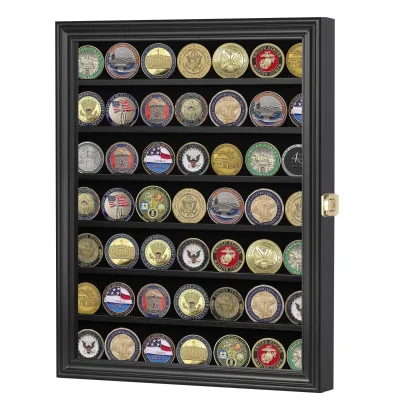


Post Store Display Stand/Post Exhibition Stand for Exhibition/Advertising
$34.00 - $55.00
MOQ: 200 Pieces

$1.60 - $2.00
MOQ: 1 Square Meters

$1.50 - $2.00
MOQ: 1 Square Meters



Coin Display Box Commemorative Coin Badge Collection Wooden Storage Box
$8.00 - $15.00
MOQ: 500 Pieces

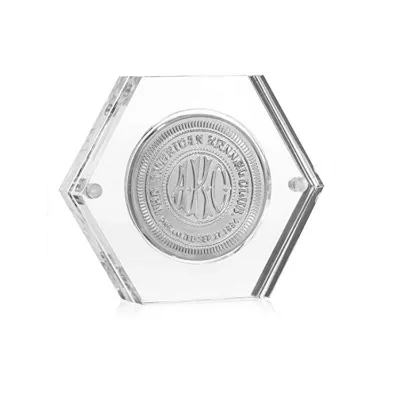


Comprehensive Sourcing Guide
Modern Box Coin Display Stand Sourcing Guide
Sourcing a Modern Box Coin Display Stand requires a careful balance between aesthetic appeal and functional durability, particularly when targeting retail environments that demand both security and visual clarity. The current market offers a diverse range of options, from single-sided wooden units designed for living room or home use to robust metal and plastic structures intended for supermarkets and exhibition shows. Buyers must navigate this variety by first defining the specific installation environment, whether it is an indoor specialty store, a convenience store, or an outdoor exhibition space, as this decision heavily influences material selection and structural requirements.
The procurement process is further complicated by the availability of customization services, which allow businesses to tailor dimensions, logos, and design artwork to their brand identity. While many suppliers offer flexible solutions, including custom sizes and logo printing, buyers must verify the technical feasibility of these requests against the supplier’s manufacturing capabilities. Understanding the distinction between standard off-the-shelf models and fully customized units is crucial for managing expectations regarding lead times, minimum order quantities, and overall cost efficiency.
Product Scope and Observed Listing Signals
The observed product landscape reveals a wide spectrum of materials and configurations, with wood, metal, and plastic being the primary construction materials. Wooden stands often feature a modern style with a backplane design, suitable for indoor settings such as living rooms or specialty stores, and are typically classified as non-folding, standing-type racks. These units may be single-phase and single-sided, emphasizing a clean, minimalist aesthetic that complements contemporary retail decor. Buyers should note that while some wooden models are marketed for home use, others are explicitly designed for commercial applications like supermarkets and convenience stores, requiring a clear distinction in durability and load-bearing expectations.
In contrast, metal and plastic stands offer different functional advantages, such as enhanced durability for high-traffic areas or outdoor exhibition shows. Metal units, often constructed with a connect build method, provide a sturdy foundation for displaying products like cosmetics or coins, while plastic options may offer lightweight portability and resistance to environmental factors. The observed listings indicate that some units are fixed and non-rotary, ensuring stability, while others may feature recycled materials, appealing to eco-conscious brands. Buyers must carefully review the product type, which ranges from simple stands to complex storage holders and racks, to ensure the selected unit aligns with the specific display needs and spatial constraints of their retail environment.
Technical Specifications to Verify
Dimensional accuracy and tolerance are critical factors when selecting a display stand, as even minor deviations can affect stability and visual alignment. Buyers should verify that the product’s dimensional tolerance is within acceptable limits, typically less than ±5mm, to ensure proper fit within designated display areas. Additionally, weight tolerance should be closely monitored, with many suppliers guaranteeing a variance of less than ±1%, which is essential for maintaining structural integrity and preventing tipping or damage during transport and installation. These specifications are particularly important for larger units or those intended for heavy product loads.
The physical dimensions and model numbers of the stands vary significantly across suppliers, with some models offering standard sizes like 69699cm or specific dimensions such as 180mm(L) X240mm(W) X100mm(H). Buyers must cross-reference these measurements with their available floor space and shelf configurations to avoid compatibility issues. Furthermore, the build method, whether it involves connecting components or pre-assembled units, impacts the ease of installation and maintenance. Understanding the packing method, such as KD packing or bubble bag and foam pad protection, is also vital for assessing shipping costs and potential damage risks during transit.
Compliance and Safety Documentation
Safety and regulatory compliance are paramount, especially for displays used in public spaces or retail environments where customer interaction is frequent. Buyers should request documentation confirming that the product meets relevant safety standards, such as SGS certification, which indicates that the materials and construction have undergone rigorous testing for quality and safety. Additionally, ISO9001-2000 certification may be present, signaling that the supplier adheres to established quality management principles, which can be a strong indicator of consistent product quality and reliable manufacturing processes.
It is also important to verify the anti-theft features of the display stand, as many standard models are not designed with anti-theft mechanisms. Buyers must assess whether additional security measures, such as locking mechanisms or secure mounting options, are necessary for their specific use case, particularly for high-value items like coins or cosmetics. Ensuring that the product is new and in pristine condition upon delivery is another key verification step, as refurbished or used items may lack the structural integrity and aesthetic appeal required for modern retail displays.
Cost Drivers and Commercial Terms
The cost of a Modern Box Coin Display Stand is influenced by several factors, including material choice, customization level, and order volume. Wooden stands may offer a premium aesthetic but can be more expensive due to material costs and finishing requirements, while metal and plastic options may provide more budget-friendly alternatives without compromising on durability. Customization services, such as logo printing and custom sizing, typically incur additional charges, which buyers should factor into their overall budget. Understanding the minimum order quantity (MOQ) requirements is also essential, as these can range from small batches for testing to large volumes for full-scale deployment.
Pricing structures often vary based on the complexity of the design and the supplier’s production capacity. Buyers should request detailed quotes that break down costs for materials, labor, and shipping, allowing for a transparent comparison between different suppliers. Additionally, the packing method can impact shipping costs, with efficient packing solutions like five-layer master cartons helping to reduce freight expenses. Buyers must also consider the potential for hidden costs, such as customs duties or import taxes, depending on the origin of the product, which is often China or specific regions like Xiamen Fujian.
Supplier Qualification and Quality Control
Evaluating supplier qualifications is a critical step in ensuring the reliability and quality of the purchased display stands. Buyers should verify the supplier’s production capabilities, including their ability to handle custom designs and offer design and drawing artwork services. This is particularly important for brands seeking unique, branded displays that stand out in competitive retail environments. Additionally, checking the supplier’s track record and customer reviews can provide insights into their reliability, communication, and after-sales support.
Quality control measures should be clearly defined and agreed upon before placing an order. Buyers should inquire about the supplier’s inspection processes, including pre-shipment inspections and quality assurance protocols, to ensure that the final products meet the specified standards. It is also advisable to request samples before committing to large orders, allowing for a thorough evaluation of the product’s build quality, finish, and functionality. This proactive approach helps mitigate risks and ensures that the purchased displays align with the brand’s quality expectations.
Long-Term Procurement Checks
Establishing long-term procurement relationships requires ongoing monitoring of supplier performance and product quality. Buyers should regularly review supplier metrics, such as on-time delivery rates, defect rates, and responsiveness to issues, to ensure consistent service levels. Maintaining open communication channels with suppliers can facilitate quick resolution of any problems and foster a collaborative partnership that benefits both parties. Additionally, staying informed about industry trends and new product innovations can help buyers identify opportunities for improving their display strategies and enhancing the customer experience.
Regular audits and quality checks should be conducted to ensure that the products continue to meet the required standards over time. This includes verifying that the materials and construction methods remain consistent and that any customization features are accurately reproduced. Buyers should also consider the sustainability aspects of their procurement, such as the use of recycled materials or eco-friendly packaging, to align with broader corporate social responsibility goals. By maintaining a proactive and disciplined approach to procurement, buyers can ensure the long-term success and reliability of their Modern Box Coin Display Stand investments.
FAQs
What materials are used for modern box coin display stands?
These stands are commonly made from wood, metal, or plastic depending on the specific model. For instance, some units feature wood construction while others utilize metal or plastic materials to suit different retail environments and durability requirements.
Can I get a customized size for this display stand?
Yes, customized sizes are available for these storage holders and racks. Buyers can request specific dimensions such as 180mm by 240mm by 100mm or other tailored measurements to fit their unique display needs and space constraints effectively.
Which certifications do these display stands typically hold?
Many of these products come with SGS and ISO9001-2000 certifications to ensure quality and safety standards. These credentials verify that the manufacturing processes meet international requirements for reliability and performance in commercial settings.
How are these stands packaged for shipping?
Packaging options include KD packing or bubble bags with foam pads and five-layer master cartons. This ensures the units arrive safely without damage during transit, whether they are being shipped domestically or internationally from the origin location.
Where are these modern display stands manufactured?
These products originate from China, specifically from locations like Xiamen in Fujian province. This regional manufacturing base supports the production of various styles including modern and backplane designs for global export markets.
What is the weight tolerance for these racks?
The weight tolerance is maintained within less than plus or minus 1 percent for these units. This strict tolerance ensures consistent quality and structural integrity across all manufactured items regardless of the specific material used.