Source Modern Bowknot Sofa Headboard for Hotel, Home, Apartment
Explore 30 listings of Modern Bowknot Sofa Headboard options from verified suppliers. Compare specifications, materials, and prices to find the ideal piece for hotel, home, or apartment settings.
Key considerations
Products List
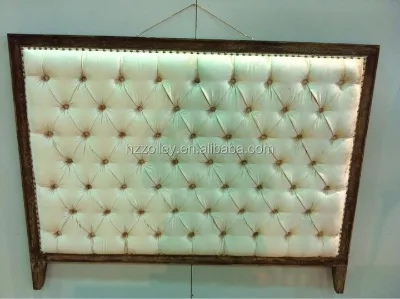
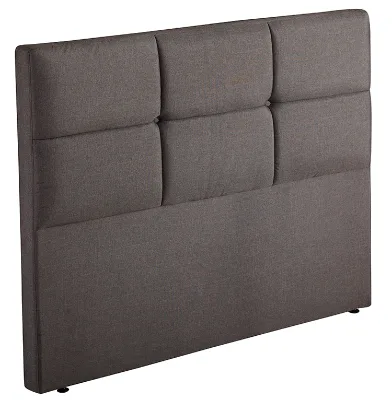
Fabric Upholstered Headboard Portable Bed Headboard Classic Style Headboard
$159.00 - $260.00
MOQ: 1 Minimum
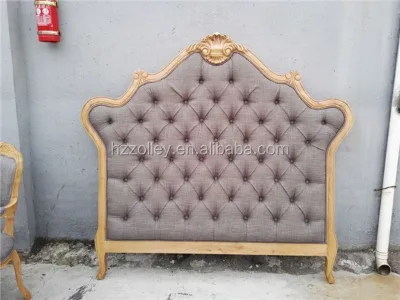
2016 New Soft Bed Headboard Wood Carved Headboard Fabric Upholstered Headboard
$369.00 - $420.00
MOQ: 1 Minimum
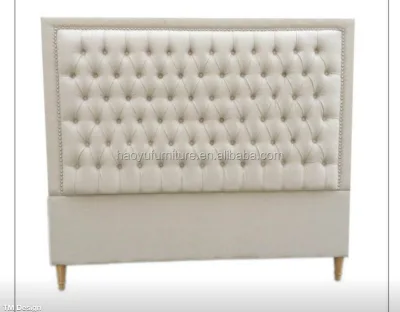
HB02 king Size Bed Headboard king Size Fabric Headboard Button Headboard
$154.59 - $257.65
MOQ: 2 sets
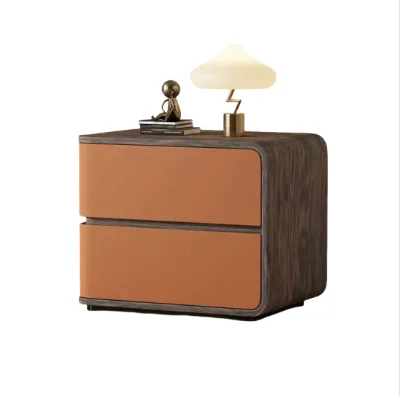
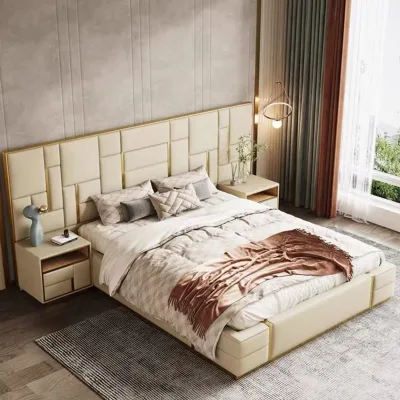


Luxury Living Room Furniture Sofa 5 Star Modern MDF Hotel Bedroom Headboard
$1000.00 - $2000.00
MOQ: 10 Sets




Comprehensive Sourcing Guide
Strategic Sourcing Guide for Modern Bowknot Sofa Headboards
The global market for bedroom and living room furniture has seen a significant shift toward multifunctional pieces that blend aesthetic appeal with practical utility. Among these, the Modern Bowknot Sofa Headboard has emerged as a distinctive category, appealing to buyers seeking a blend of contemporary design and space-saving functionality. For procurement professionals, sourcing this specific item requires a nuanced understanding of its construction, material composition, and the specific supply chain dynamics associated with manufacturers in key production hubs. This guide provides a comprehensive framework for evaluating suppliers and products, grounded in observed market data and technical specifications relevant to this category.
Technical Specifications and Material Composition
When evaluating a Modern Bowknot Sofa Headboard, the primary technical differentiator lies in the hybrid nature of the product. Unlike traditional headboards that are purely structural, this category often integrates sofa functionality, requiring robust engineering to support both vertical loads and horizontal seating pressure. The observed market data indicates that high-quality units typically utilize a composite material approach. The frame is frequently constructed from solid wood, such as oak or birch, which provides the necessary rigidity and longevity. This wooden skeleton is then upholstered using synthetic leather or other fabric blends to achieve the desired soft aesthetic and tactile comfort.
The dimensions of these units vary significantly based on the intended application, whether for a single apartment or a larger hotel suite. Standard specifications often include sizes ranging from compact units around 45x40x48 cm to larger configurations reaching up to 1990x60x1400 mm, depending on the specific model and customization requests. The "bowknot" design element is not merely decorative; it often dictates the internal joinery and the way the upholstery is stretched and secured. Buyers must verify that the internal frame supports the specific curvature of the bowknot design without sagging over time. Additionally, the presence of storage features, such as drawers or hidden compartments, adds a layer of complexity to the specifications, requiring precise measurements of internal volume and drawer glide mechanisms.
Design Aesthetics and Style Integration
The visual identity of a Modern Bowknot Sofa Headboard is a critical factor in its marketability. The design language typically falls under the umbrella of "Modern" or "Classic" styles, often incorporating elements of French or European aesthetics. The color palette is diverse, with options ranging from Rice White and Pure White to Light Gray, Dark Gray, and even vibrant tones like Vital Orange. A common trend involves two-tone designs, such as a white frame paired with a walnut grain finish, which adds depth and sophistication to the piece.
The style is further defined by the upholstery material. While synthetic leather is a prevalent choice due to its durability and ease of maintenance, the texture and finish must align with the "Soft Bed" or "Sofa Bed" classification. The bowknot motif itself serves as a focal point, requiring high-precision cutting and stitching to ensure the knot appears symmetrical and structurally sound. When sourcing, buyers should request physical samples to verify that the color accuracy matches the digital representations, as lighting conditions in a factory setting can differ significantly from a retail showroom. The ability to customize wood color and upholstery material is a key advantage offered by many suppliers, allowing for tailored solutions that fit specific interior design schemes.
Compliance, Certification, and Safety Standards
In the B2B furniture sector, compliance is not merely a formality but a prerequisite for market access. While specific certification numbers were not provided in the general product observations, buyers must rigorously verify that the wood used meets international standards for formaldehyde emissions and sustainability. Solid oak and birch are generally preferred for their low VOC (Volatile Organic Compound) profiles, but the adhesives and finishes used in the construction process must also be compliant.
Safety standards are particularly critical for sofa beds and headboards that may be used in commercial settings like hotels or apartments. The structural integrity of the frame must withstand repeated folding and unfolding if the unit functions as a sofa bed. Buyers should inquire about load-bearing tests and stability assessments, ensuring the product meets the requirements of the destination market, such as the ANSI/BIFMA standards in North America or the EN standards in Europe. Furthermore, the fire resistance of the upholstery materials, especially if synthetic leather is used, must be verified against local fire codes. The packaging details, often involving EPE, bubble bags, and cardboard protection, should also be evaluated to ensure they meet the requirements for safe transit and storage without compromising the product's finish.
Cost Drivers and Pricing Dynamics
The pricing of modern bowknot sofa headboards is influenced by several variable factors, with the observed market range spanning from approximately $21.75 to $2,200. This wide disparity reflects differences in material quality, manufacturing complexity, and order volume. The lower end of the spectrum typically corresponds to smaller, simpler units with basic synthetic leather upholstery and standard wood frames. In contrast, the higher price points are associated with larger, custom-designed pieces featuring premium solid wood, intricate bowknot detailing, and advanced storage mechanisms.
The Minimum Order Quantity (MOQ) is another significant cost driver, with observed ranges from 1 to 100 units. Suppliers with lower MOQs may charge a premium per unit due to the setup costs associated with smaller production runs. Conversely, bulk orders can leverage economies of scale, significantly reducing the unit cost. The supply ability of the manufacturer, often cited as 40 twenty-foot containers per month for larger operations, indicates the capacity to handle large-scale projects without compromising lead times. Buyers should also consider the logistics costs, including the port of dispatch (often NingBo or ShangHai) and the specific packaging requirements, which can impact the final landed cost.
Supplier Evaluation and Production Capabilities
Selecting the right supplier is paramount to ensuring product consistency and timely delivery. The supply chain for this category is heavily concentrated in specific regions of China, with Zhejiang and Guangdong being prominent hubs. Zhejiang-based suppliers often specialize in commercial furniture with a focus on solid wood construction, while Guangdong manufacturers may have a stronger emphasis on upholstered items and synthetic leather processing.
When evaluating potential partners, buyers should assess their customization capabilities. The ability to offer "Yes" to customization requests, including specific wood types, colors, and dimensions, is a strong indicator of a flexible and responsive manufacturing process. The warranty period, typically one year for this category, serves as a baseline metric for supplier confidence in their product quality. Additionally, the packaging details, such as the use of EPE and bubble bags, should be scrutinized to ensure they provide adequate protection against damage during shipping. Suppliers with a proven track record in exporting to international markets will have established logistics networks and quality control protocols that minimize the risk of defects and delays.
Quality Control and Long-Term Procurement Strategy
Implementing a robust quality control (QC) strategy is essential for mitigating risks in the procurement of modern bowknot sofa headboards. Given the complexity of the design, which combines woodworking, upholstery, and mechanical components, a multi-stage inspection process is recommended. This should include raw material inspection to verify the grade of oak or birch wood, in-process checks to ensure the bowknot structure is assembled correctly, and final inspection to confirm the finish and functionality of any storage features.
For long-term procurement, building a strategic partnership with suppliers who offer consistent quality and reliable lead times is more beneficial than seeking the lowest initial price. Buyers should prioritize suppliers who demonstrate a commitment to eco-friendly practices, as indicated by the "Eco-Friendly" feature often associated with this product type. The durability of the product, particularly the resistance of the synthetic leather to wear and tear, should be validated through sample testing. Establishing clear communication channels and agreeing on detailed technical specifications before production begins will help prevent misunderstandings and ensure that the final product meets the buyer's expectations. By focusing on these strategic elements, procurement professionals can secure a reliable supply of high-quality modern bowknot sofa headboards that meet the demands of the competitive global market.
Typical Applications and Market Segmentation
The versatility of the Modern Bowknot Sofa Headboard allows it to serve a wide range of applications, from residential bedrooms to commercial hospitality spaces. In residential settings, these units are ideal for apartments and villas where space optimization is crucial. The integrated storage features make them particularly attractive for urban dwellers looking to maximize utility without sacrificing style. In commercial environments, such as hotels and guest houses, the durability and aesthetic appeal of these headboards can enhance the overall guest experience while reducing the need for separate seating furniture.
The market segmentation for this product is diverse, catering to different design preferences and budget constraints. The "Modern" style appeals to contemporary interiors, while the "Classic" and "French" variations target buyers seeking a more traditional or elegant look. The availability of various color options, including neutral tones like Rice White and Light Gray as well as bold choices like Vital Orange, ensures that there is a suitable option for every design scheme. By understanding these application scenarios, buyers can better align their sourcing strategies with the specific needs of their target customers, ensuring that the products they procure are not only high-quality but also highly marketable.
FAQs
What materials are used for modern bowknot sofa headboards?
These headboards typically use solid oak or birch wood frames combined with synthetic leather upholstery. Some models also incorporate other wood types and foam for added comfort while maintaining a durable structure suitable for commercial and home use.
Can I customize the size and color of the headboard?
Yes, customization is available for wood color and specific dimensions to fit your needs. Suppliers offer options like Rice White, Light Gray, and Dark Gray, with sizes ranging from compact units to larger configurations up to 1990mm in length.
Which suppliers offer a warranty for these furniture pieces?
Many manufacturers provide a one-year warranty for their modern bowknot sofa headboards. This coverage typically applies to structural integrity and material defects, ensuring reliability for both hotel and residential applications in the bedroom or living room.
How is the product packaged for safe international shipping?
Products are protected using EPE foam, bubble bags, and sturdy cardboard packaging to prevent damage during transit. This method ensures the synthetic leather and wood finishes remain intact when shipped from ports like NingBo or ShangHai to global destinations.
What is the minimum order quantity for these headboards?
The minimum order quantity ranges from one unit to one hundred units depending on the supplier and customization level. Lower MOQs allow for single-item purchases, while bulk orders may leverage supply abilities of up to 40 containers per month.
Where are these headboards manufactured and shipped from?
Manufacturing primarily occurs in Zhejiang and Guangdong provinces in China, with dispatch ports at NingBo and ShangHai. These regions specialize in solid wood construction and upholstered furniture, ensuring efficient logistics for commercial and home furniture projects.